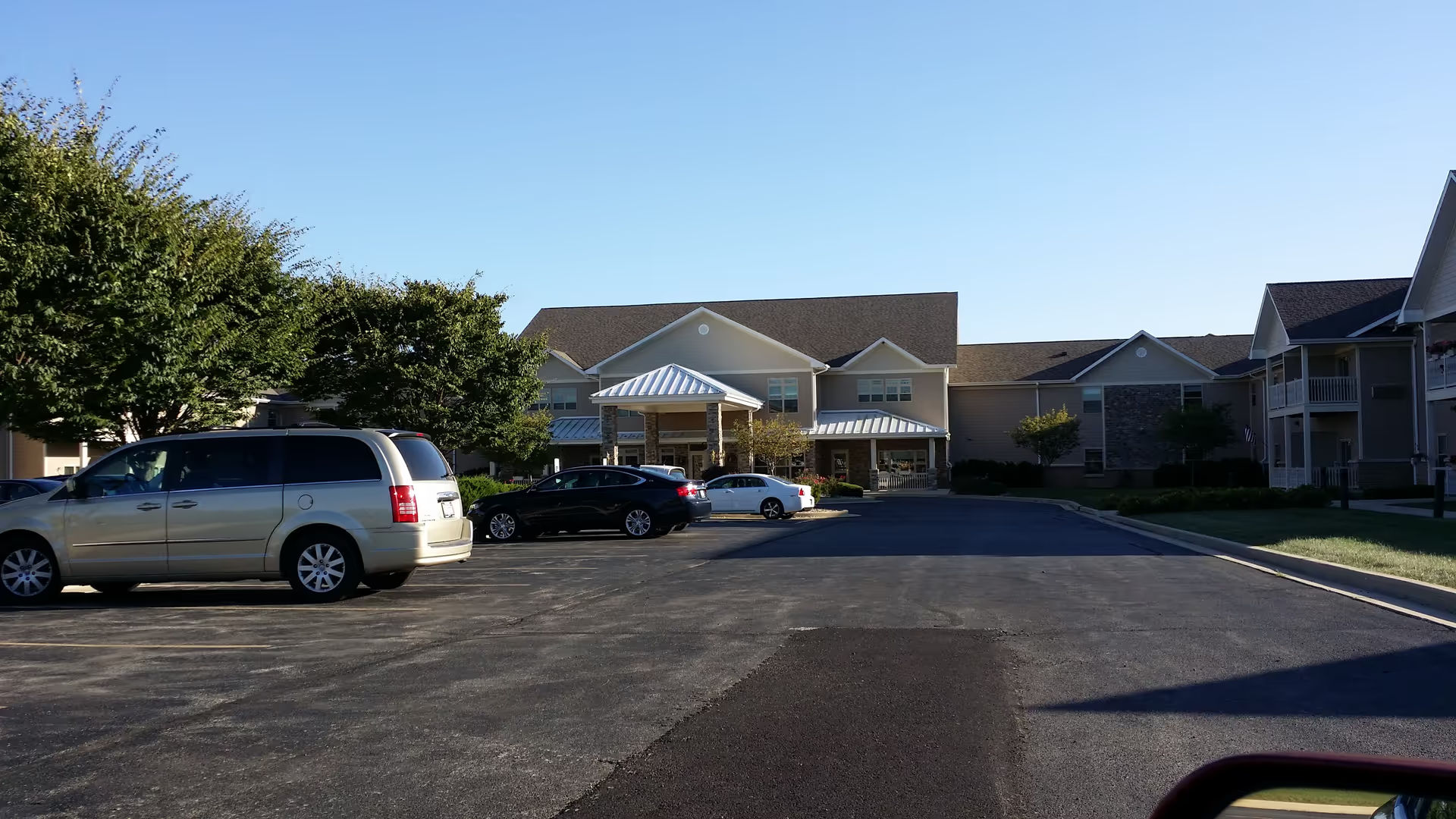
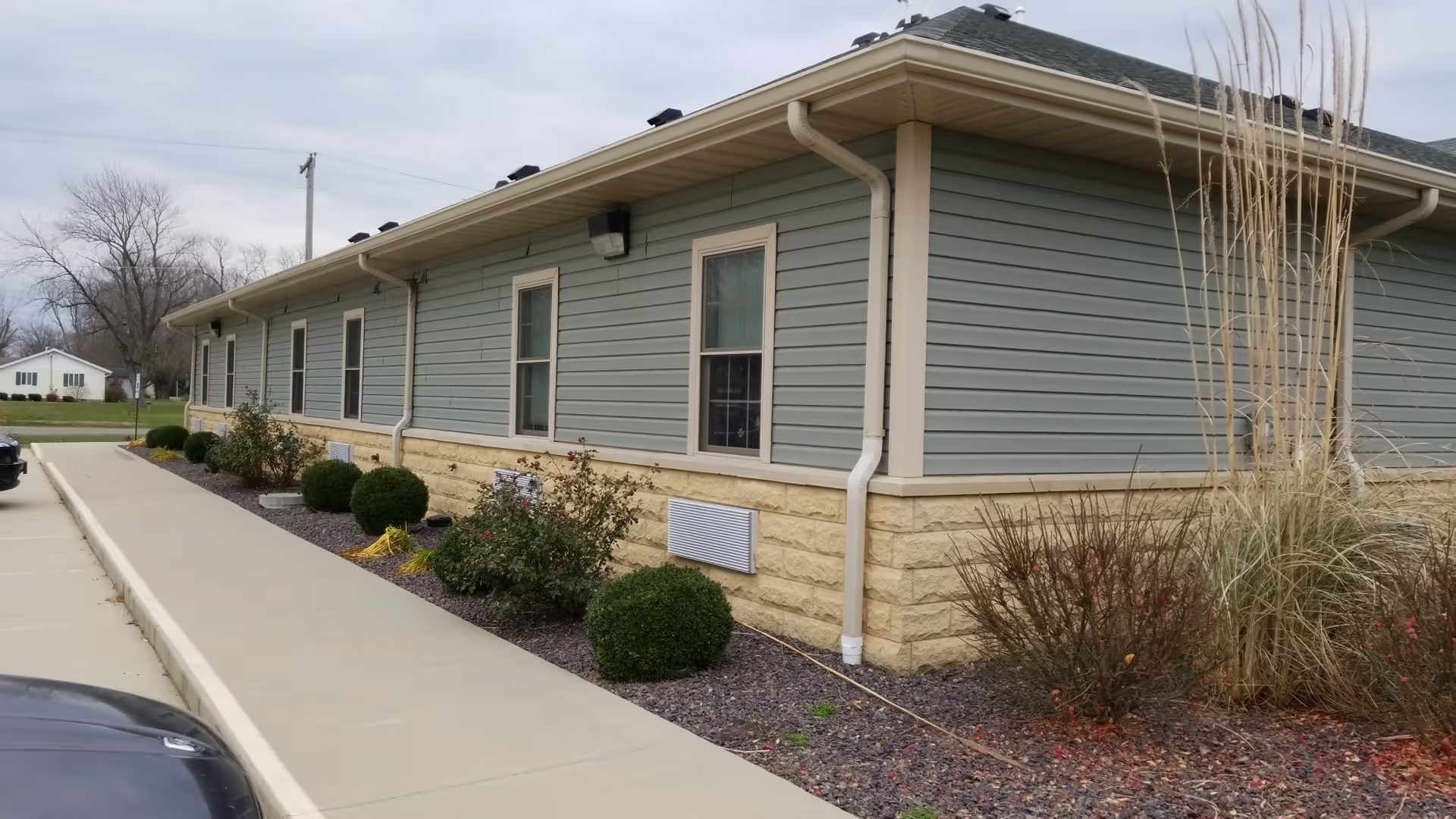
Randall Residence of Decatur is described overall as a facility with strong person-centered strengths alongside several operational weaknesses families should evaluate before placement. Strengths most consistently cited relate to staff and the living environment: reviewers highlight compassionate, attentive caregivers and engaged administrative leadership who coordinate personalized move-ins, welcome families, and cultivate a family-like atmosphere. Many reviewers noted large, apartment-style units with full kitchens, clean and updated common areas, an attractive courtyard and garden, and on-site amenities such as a library and beauty salon.
Clinical and daily-care capabilities are mixed. The community provides Level 2 clinical services including medication administration and breathing treatments, on-site therapy, and hospice support, and several accounts praise nursing staff for clinical competence and timely action. At the same time, some reviewers expressed concern about clinical assessment, placement, and care coordination—particularly around transitions between independent living, assisted/memory care, and off-site psychiatric placements. Families should request written care-level definitions, escalation procedures, and medication-transfer protocols to ensure expectations align with the resident’s needs.
Dining and activities are clear strengths for many residents: restaurant-style service, menu choices, in-room dining options, and regular social programming (bingo, crafts, weekly outings, concerts and holiday events) contribute to resident engagement. However, food quality consistency was mentioned as uneven in a subset of comments, with occasional issues around meal temperature and seasoning. The facility offers transportation for appointments and outings, consistent housekeeping and laundry, and a variety of activities that support socialization and mobility.
Operational and management patterns present important considerations. Positive notes about individual staff members and ownership involvement coexist with critiques about admissions communication, waitlist prioritization, and fee transparency. Reviewers described confusion about initiation fees, deposits, refund handling, and changes to pricing; prospective residents should review contracts and cancellation/refund terms carefully. Maintenance responsiveness also appeared variable in some accounts (e.g., keys, hot water), so clarify expected response times for service requests prior to move-in.
Staffing patterns show strengths during daytime and admissions processes but some reviewers raised concerns about evening staffing levels and continuity of caregiver coverage. Communication around clinical incidents and family notification also showed variability: many families praised clear, compassionate communication from administrators, while others experienced delayed or unsatisfactory explanations during significant events. Given these mixed accounts, families should ask about staffing ratios by shift, on-call clinical coverage, and standard family-notification procedures.
In summary, Randall Residence appears to offer a comfortable, well-appointed living option with robust social programming and many caregivers and managers who are highly regarded by families. At the same time, documented operational themes—admissions and fee clarity, responsiveness to maintenance requests, evening staffing consistency, and care-level placement processes—merit careful inquiry. Prospective residents and families will benefit from direct questions about written care-level agreements, staffing by shift, medication and transfer protocols, and specific contract and refund policies before committing to placement.