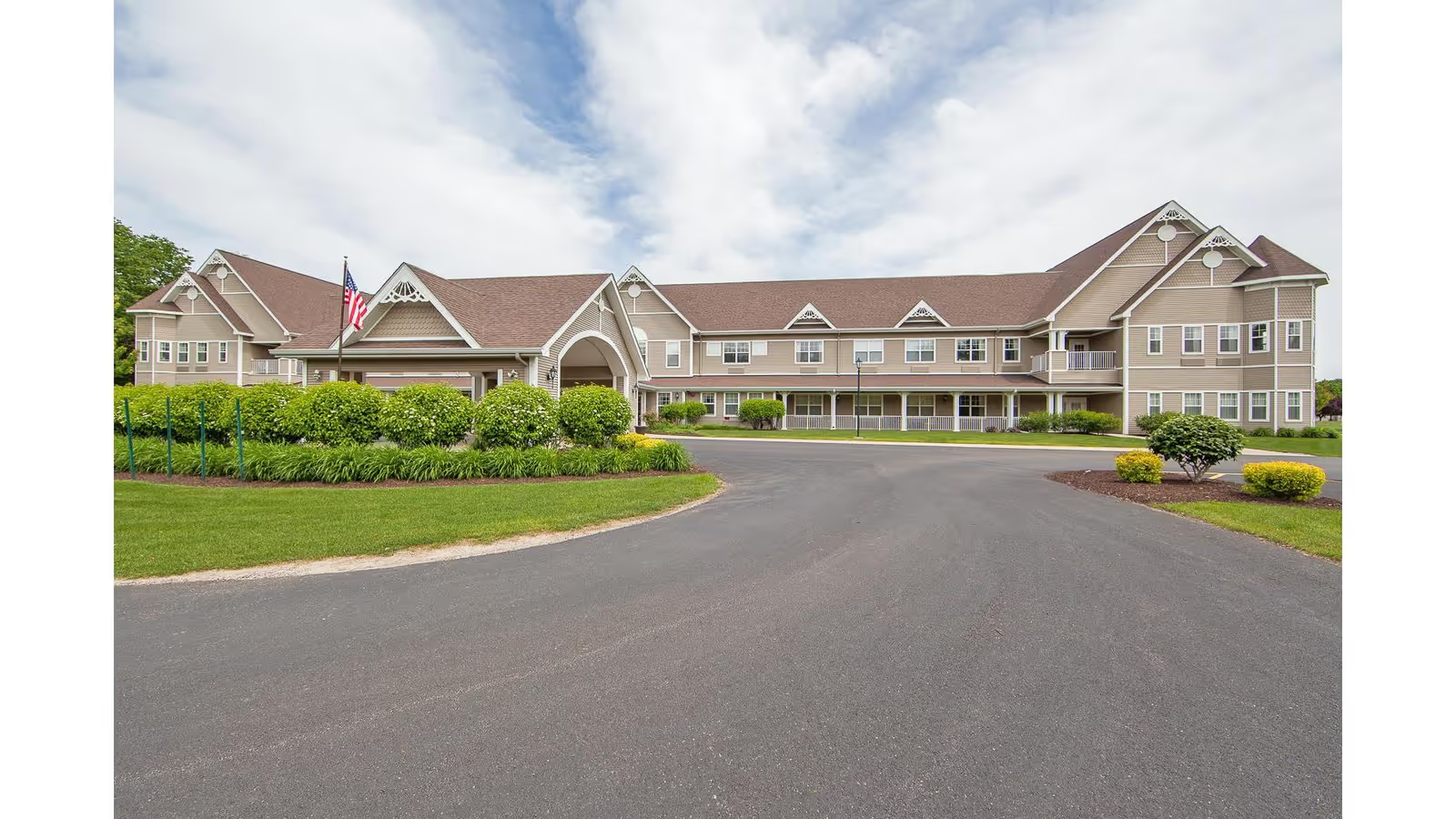
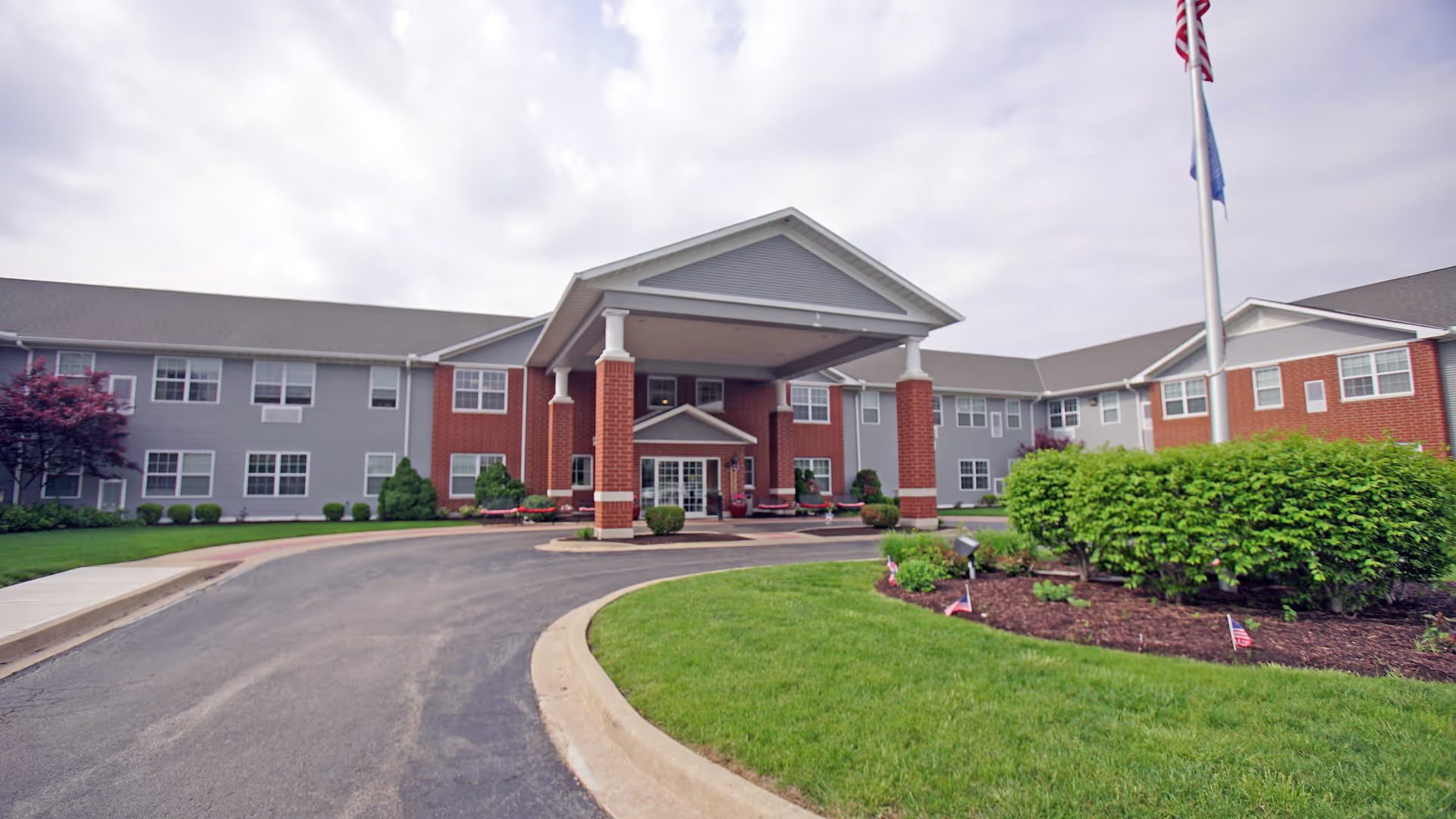
Castle Manor: Supportive Living presents a largely positive profile in the reviews provided. The campus is repeatedly described as attractive and hotel-like, with well-maintained common areas and distinctive architecture. Reviewers emphasize a clean environment, a variety of on-site amenities (billiards, library, movie room), and competitive pricing. The community’s position as the sole supportive-living option in Logan County is noted, and several long-term residents and family members convey overall satisfaction with the community and continuity of care.
Care and staff are central strengths in many comments. Multiple reviewers characterize caregivers as warm, welcoming, and readily available; phrases such as "helpful," "caring," and "top-notch staff" recur. There is also explicit praise for the quality of supportive care and for residents being well-fed and well-informed. At the same time, a distinct pattern of concern appears around workplace relations and staff conduct. Several reviewers describe incidents that have led to perceptions of problematic staff behavior and indicate that rehiring and supervisory decisions have undermined employee trust. These observations point to potential gaps in staff oversight, human-resources practices, and management responsiveness rather than to uniform day-to-day care failures.
Dining and activities are highlighted positively. Meals are described as adequate and residents as well fed; the activity program is characterized as lively and diverse, including musical groups, car shows, and regular social offerings. The community’s event and recreation mix supports social engagement and appears to contribute to resident satisfaction and retention.
Management and organizational culture emerge as the principal area of concern. While frontline caregivers receive consistent commendation, several comments suggest management is perceived as unsupportive of staff and insufficiently attentive to workplace conduct issues. These perceptions also extend to a belief by some that resident well-being may be deprioritized when staffing or personnel decisions are disputed. The reviews do not describe systemic clinical-quality failures but do indicate an operational risk: workforce culture and supervisory practices that could affect staff morale and, indirectly, resident experience.
Overall, Castle Manor appears to offer a highly presentable facility with strong programming, accessible staff, and generally positive resident outcomes. Prospective residents and families seeking more detail should consider asking specific questions about staff supervision, employee vetting and rehiring policies, incident-resolution procedures, and how management monitors and responds to concerns about staff conduct to ensure alignment between the community’s operational practices and resident-centered care.