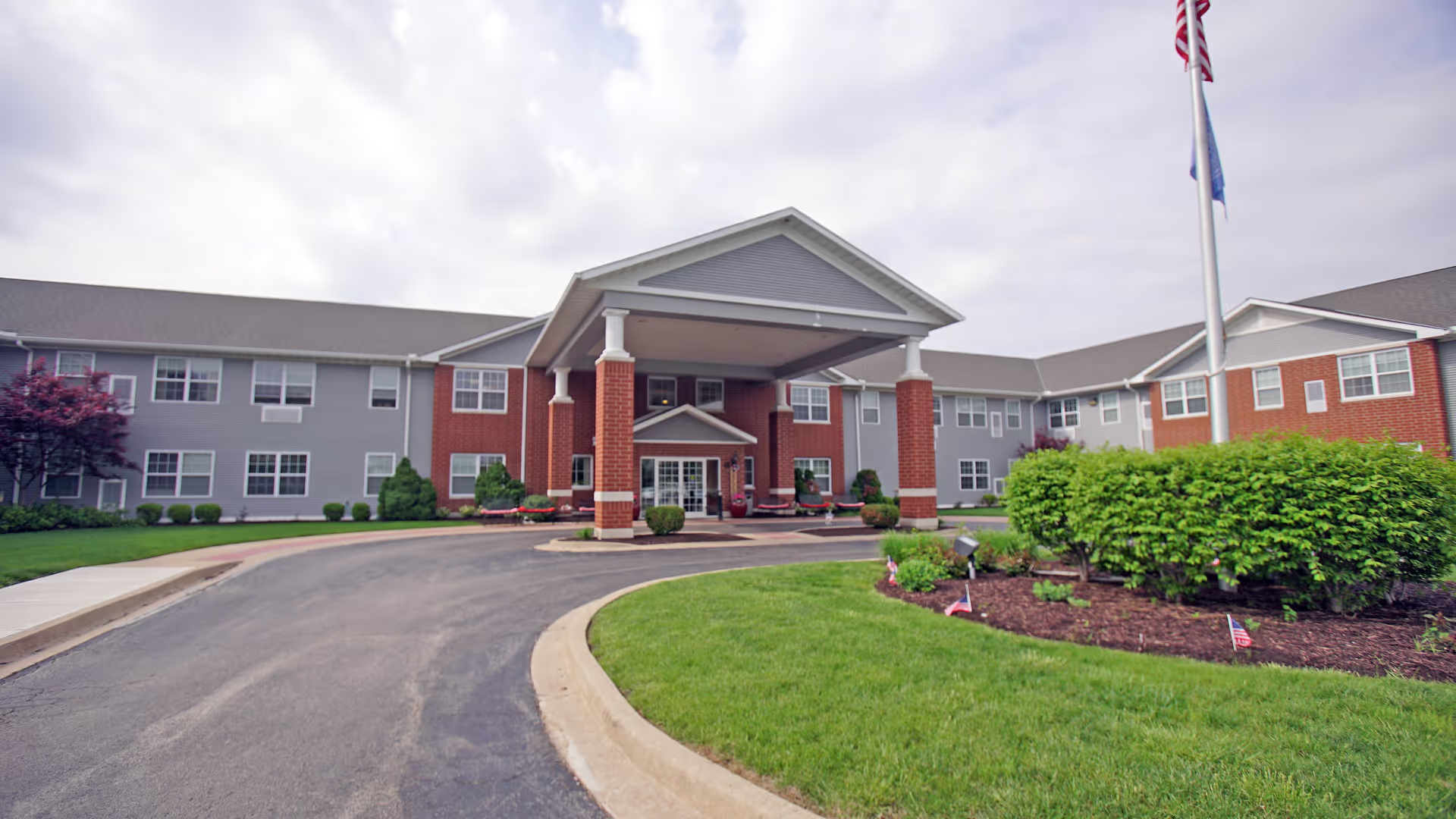
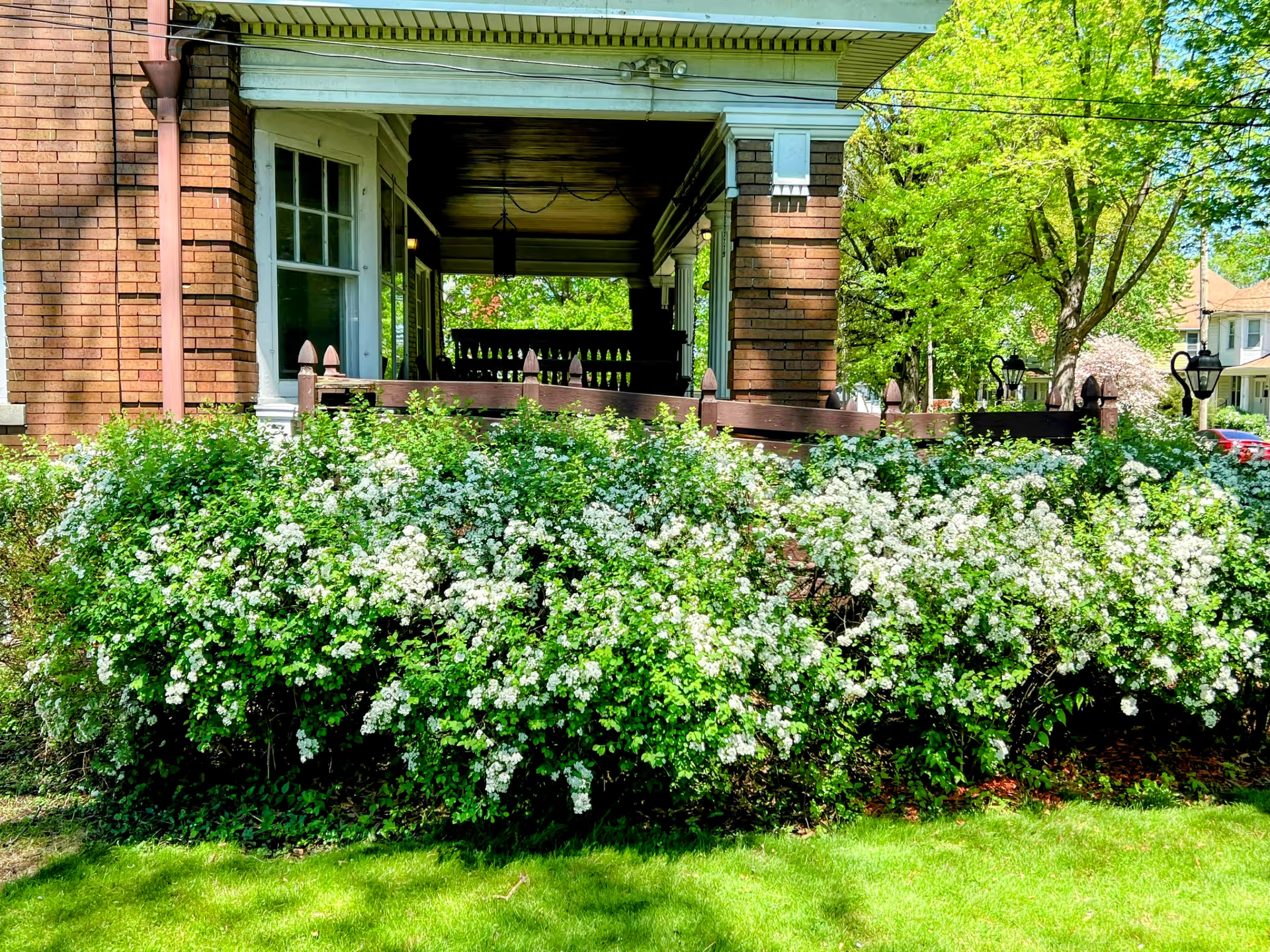
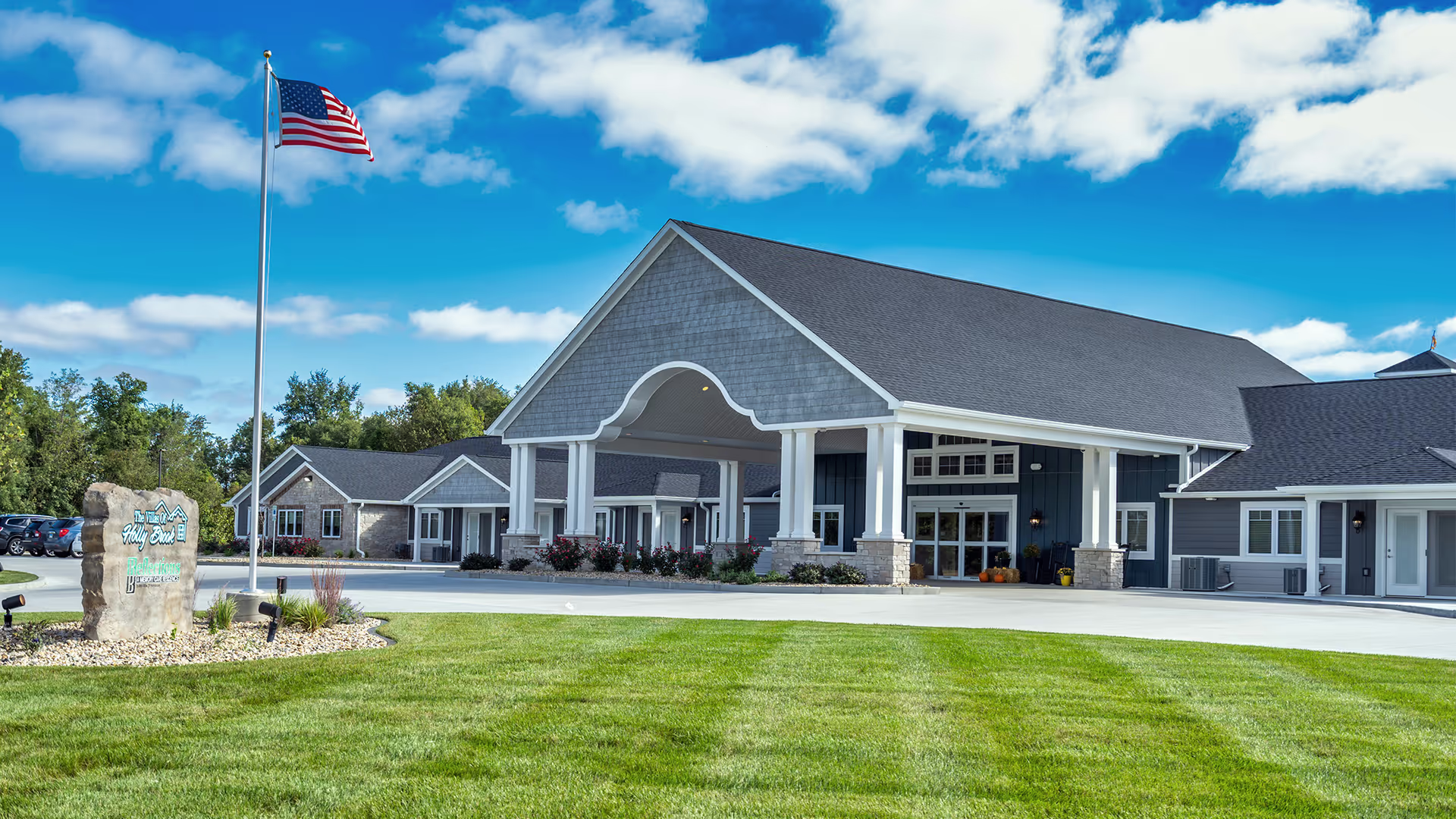
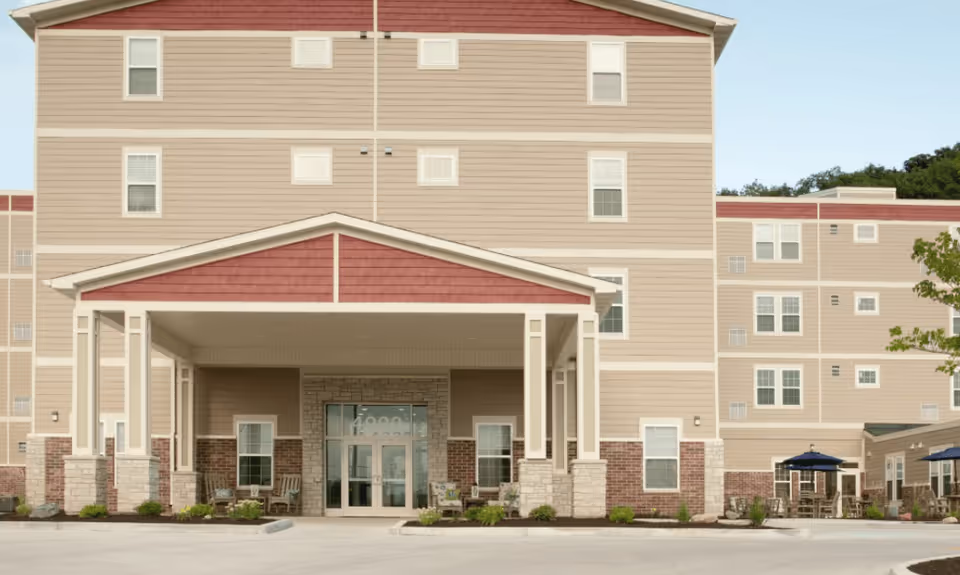
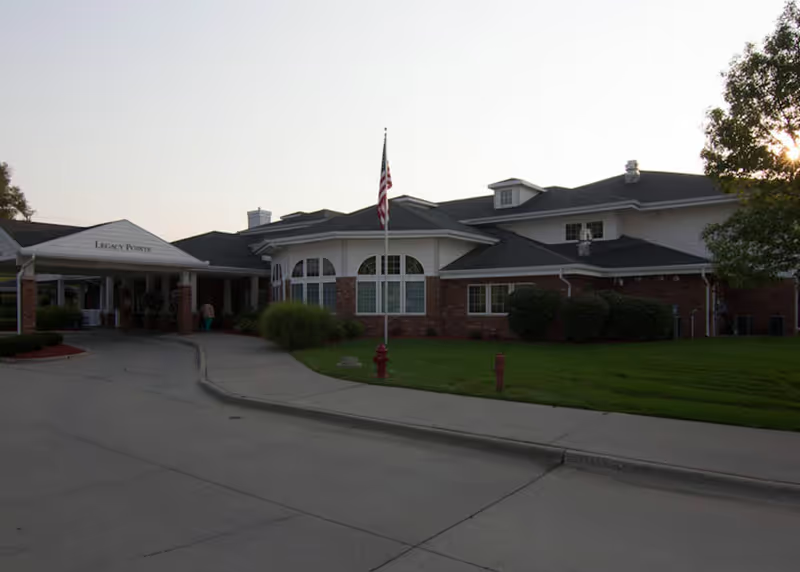
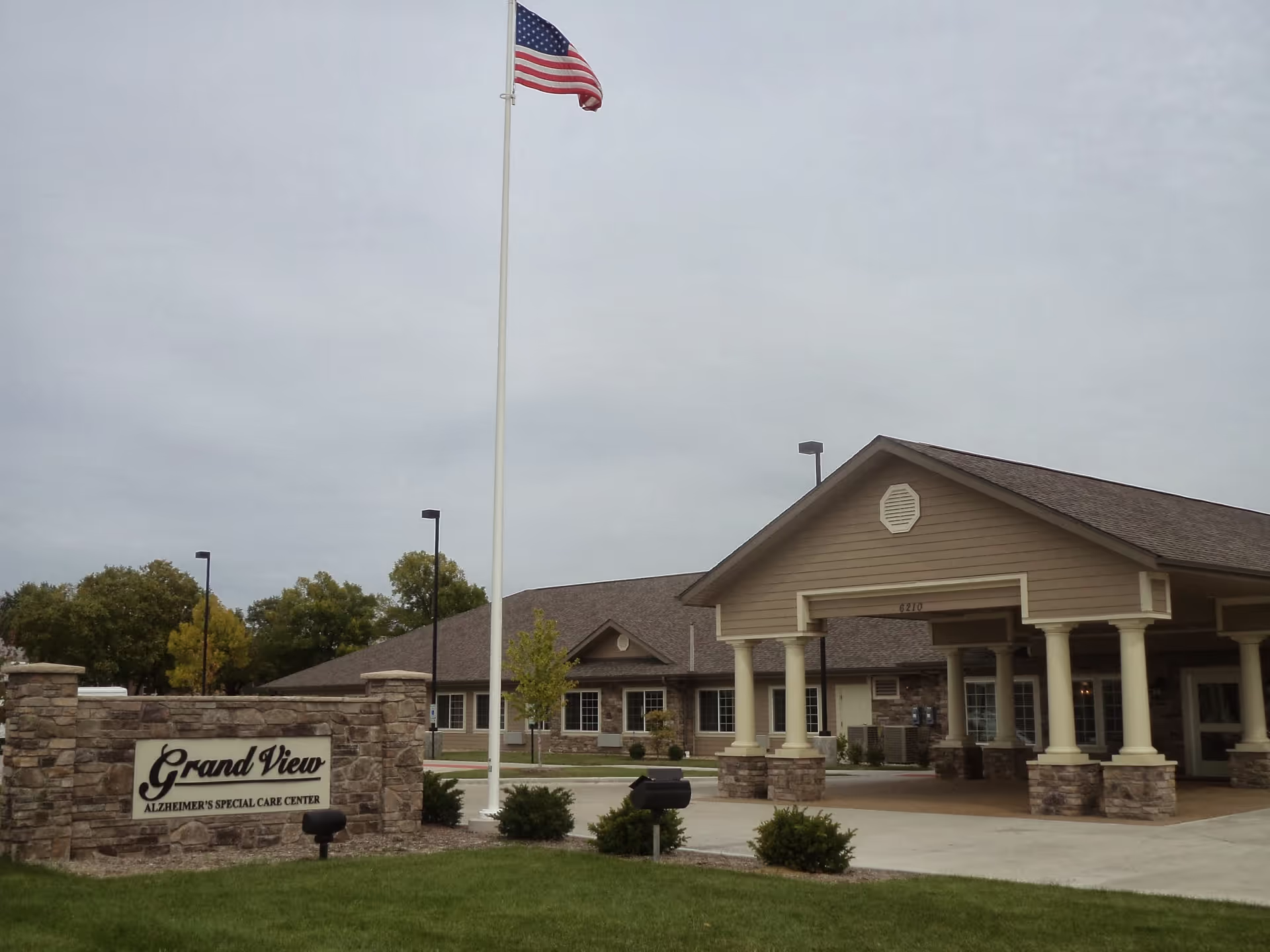
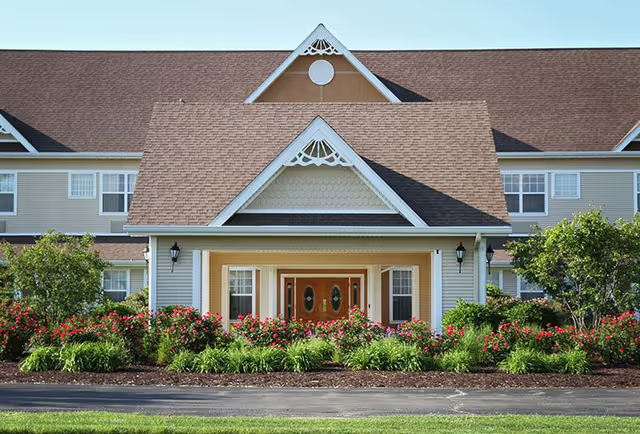
Overall impression: The facility is consistently described as a warm, home-like community with high marks for direct caregiving staff, cleanliness, and social programming. Families and residents frequently emphasize compassionate, attentive CNAs and nurses, a welcoming admissions process, and staff who take a personal interest in resident well-being. Physical spaces are regularly characterized as bright, clean, and well-kept, with spacious apartments, communal lounges, and outdoor walking areas that contribute to a residential rather than institutional feel.
Care quality and clinical services: Clinical and rehabilitative services receive positive attention. On-site skilled therapy programs are noted for measurable improvements in mobility and fall-risk reduction, and there are references to available nursing and medical personnel. Caregivers are repeatedly described as professional and engaged, with examples of staff providing individualized attention and timely assistance for routine needs and post-fall checks. At the same time, reviewers signal limits to the facility's ability to manage higher-acuity or secured memory-care needs, indicating that some residents may require transfer if care needs escalate.
Dining: Dining is a prominent strength for many residents: plentiful menu options, meal presentation, and accommodating practices (for example, reading menus aloud, take-away options, in-room refrigerators) are mentioned positively. However, several accounts indicate a decline in perceived food quality and consistency following management or ownership changes. Cost of meals and menu-fee changes are also a concern for some families, affecting perceived value for the monthly rent.
Activities and social life: The activities program is frequently praised. Residents benefit from a wide variety of daily events, music and entertainment, field trips, holiday parties, and small-group activities that promote social engagement and reduce isolation. The activities director and program staff receive repeated commendations for creativity and resident engagement, and families report improved social participation and mood among those who attend regularly.
Facilities and amenities: The physical campus is described as attractive and well-equipped, with features such as a salon, movie theater, community room, dining areas with table service, fitness room, and outdoor courtyards. Apartments are described as comfortable and updated, and communal areas (fireplace lounges, dining rooms) contribute to a comforting atmosphere. Cleanliness and prompt attention from floor and maintenance staff are frequent positives, although there are also comments about repair timelines and maintenance responsiveness.
Management and operational patterns: While daily staff and frontline teams receive consistent praise, several reviews point to tensions linked to management and ownership changes. Common themes include perceived operational inconsistency after ownership transitions, communication and administrative friction around billing and fees, and concern that corporate priorities can overshadow the family-like culture. A small but notable pattern describes gaps in communication during end-of-life transitions and family notification, which has left some families dissatisfied with administrative responsiveness during sensitive situations.
Notable patterns and guidance for prospective families: The dominant strengths are caregiving quality, an active activities program, solid therapy services, and a clean, welcoming physical environment. Prospective residents and families who prioritize social engagement, varied amenities, and hands-on caregivers are likely to find the community a good fit. Families should, however, ask specific questions about current meal-service contracts and recent food-quality initiatives, long-term fee escalation policies, maintenance-response expectations, and the facility's capacity to support higher-acuity or secured memory-care needs. It is also reasonable to request the facility's communication protocols for serious clinical events and end-of-life situations to ensure expectations align before move-in.