Overall impression: The review set presents a mixed picture. Strengths center on direct-care workers, therapy services, and the physical environment; notable operational and management concerns appear repeatedly and have affected families’ experiences.
Care and staff: Many families praised frontline caregivers — CNAs, nurses, and therapy staff — as compassionate, attentive, and personable. Several accounts emphasize individualized attention, sensitivity to pain and dietary needs, and successful rehabilitation support that helped residents adjust. At the same time, reviewers describe inconsistent care quality: high staff turnover, chronic understaffing, and variability between shifts have been associated with delays in assistance and uneven outcomes. Prospective families should expect that care experience may depend on staffing at specific times and on individual caregivers.
Dining and activities: The community offers an activities program and social opportunities that families found engaging. Opinions on dining were mixed: some reviewers appreciated accommodations and basics such as readily available water and help with meals, while others described interruptions to meal service and dissatisfaction with food quality. Meal-service continuity and culinary consistency are areas to clarify during tours and admission discussions.
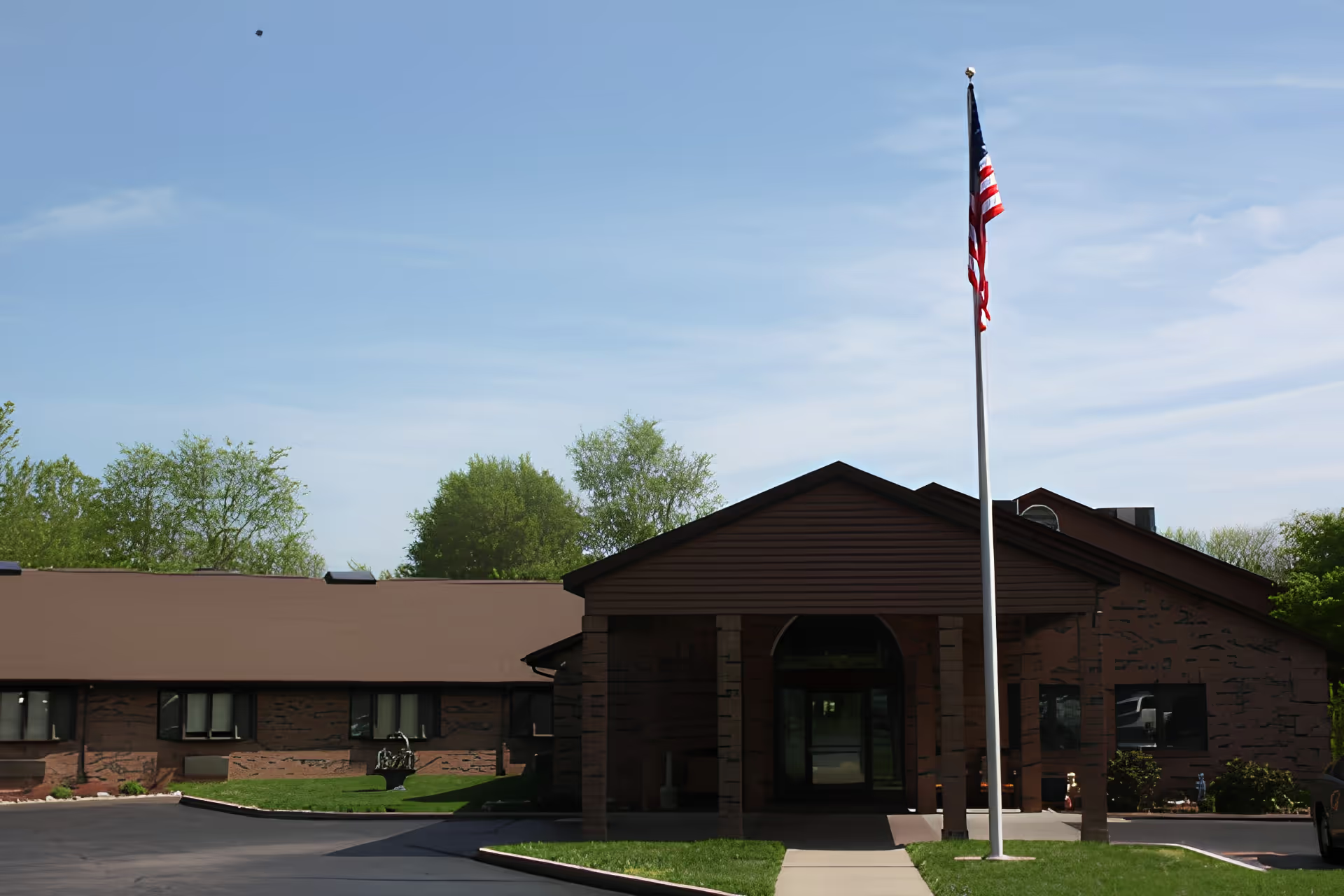
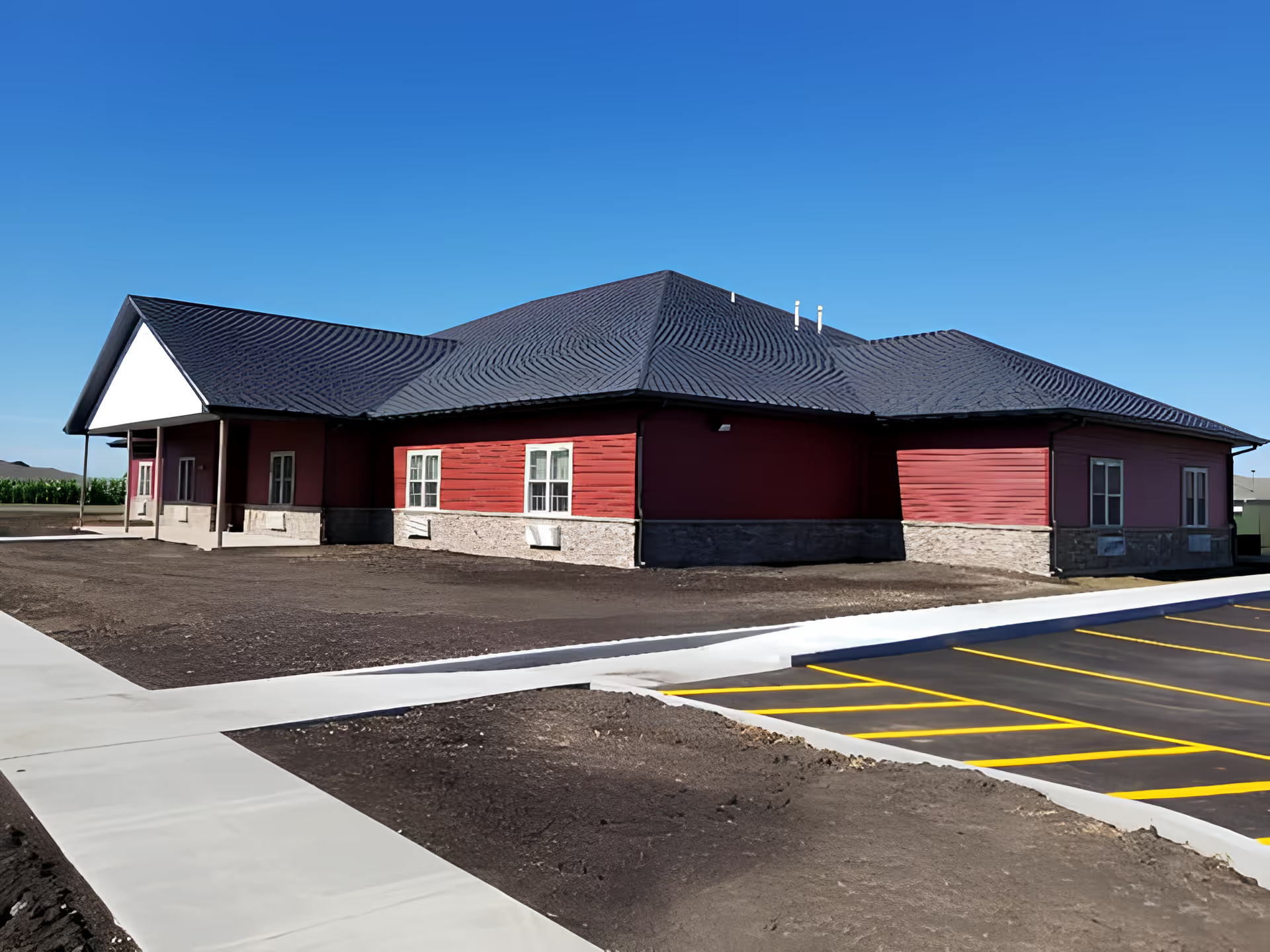
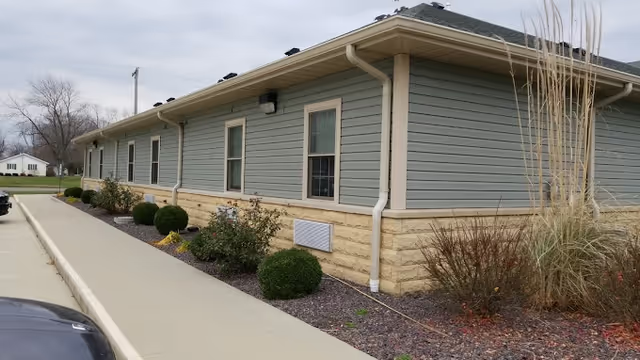
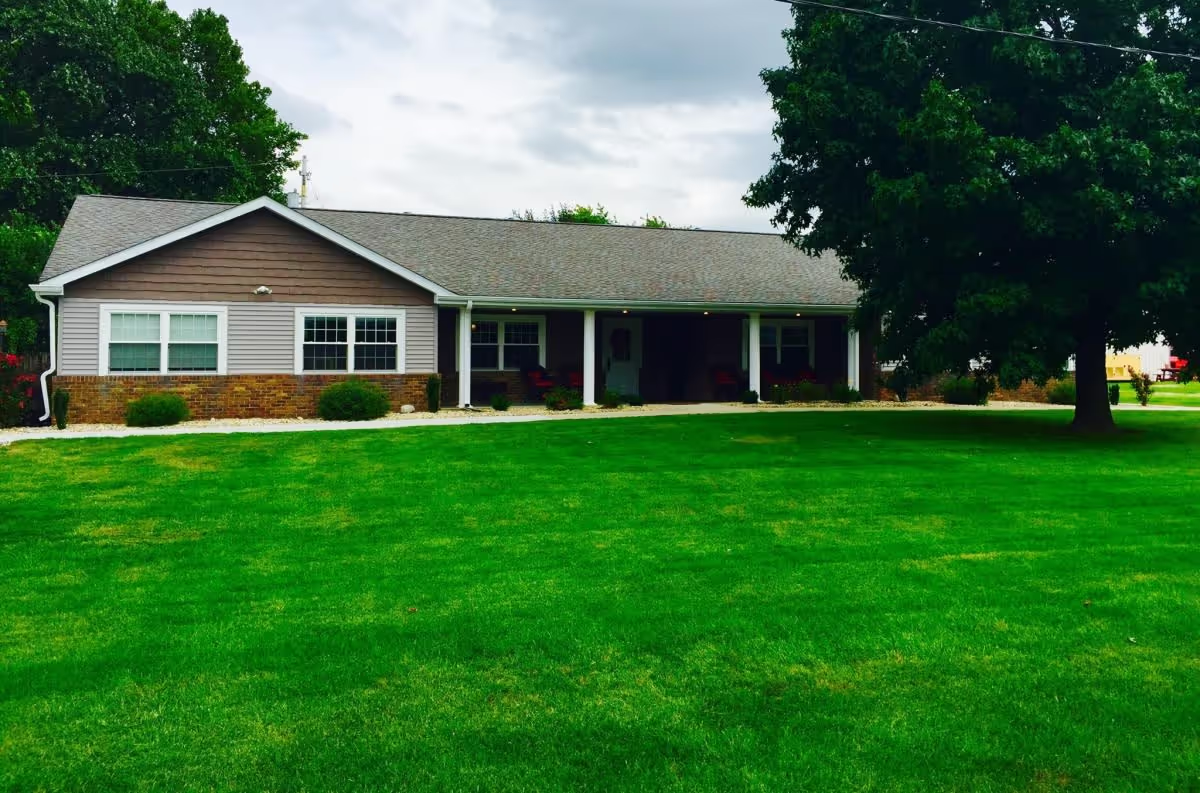
Facilities and admissions: The physical plant is frequently described as clean, updated, and well maintained. Multiple reviewers noted pleasant common areas, recent remodeling, and an overall odor-free environment. Admissions and move-in coordination were often characterized as smooth and helpful, with staff providing useful orientation and transportation support during transition.
Management and operations: Management-related comments are the most conflicted. Numerous families described an accessible, helpful administrator and useful administrative support; however, there are also reports of inconsistent administrative availability and communication. Several reviewers raised concerns about billing practices and vendor payments; there are allegations of opaque billing, hidden fees, and vendor-payment issues that in a few accounts led to collections or legal involvement. Additionally, some families perceived operational decisions as profit-driven and felt this influenced care priorities and family interactions. These patterns suggest it is important to review contract language, billing terms, and vendor relationships directly with facility leadership.
Specialty care and family interactions: The community appears to handle many general and rehabilitative needs well, but reviewers noted limitations in managing higher-acuity memory-care or aggressive behavioral needs; families seeking specialized dementia or behavioral services should verify staff training and program capability. Some families reported restrictive visitation practices or strained communication with management; others experienced positive, collaborative relationships. Given this variability, clarify visitation policies and family communication practices during evaluation.
Bottom line and recommendations: Imboden Creek demonstrates clear strengths in staff compassion, therapy services, and facility upkeep, but consistent concerns about staffing stability, administrative transparency, billing, and capacity for higher-level memory-care suggest careful due diligence is warranted. Recommended steps for prospective residents and families: obtain written copies of billing and admission contracts, ask for staffing ratios and turnover data, meet rehabilitation and memory-care leads if applicable, verify visitation policies, and request references from current families. These targeted questions will help determine whether the facility’s strengths align with an individual resident’s needs and expectations.