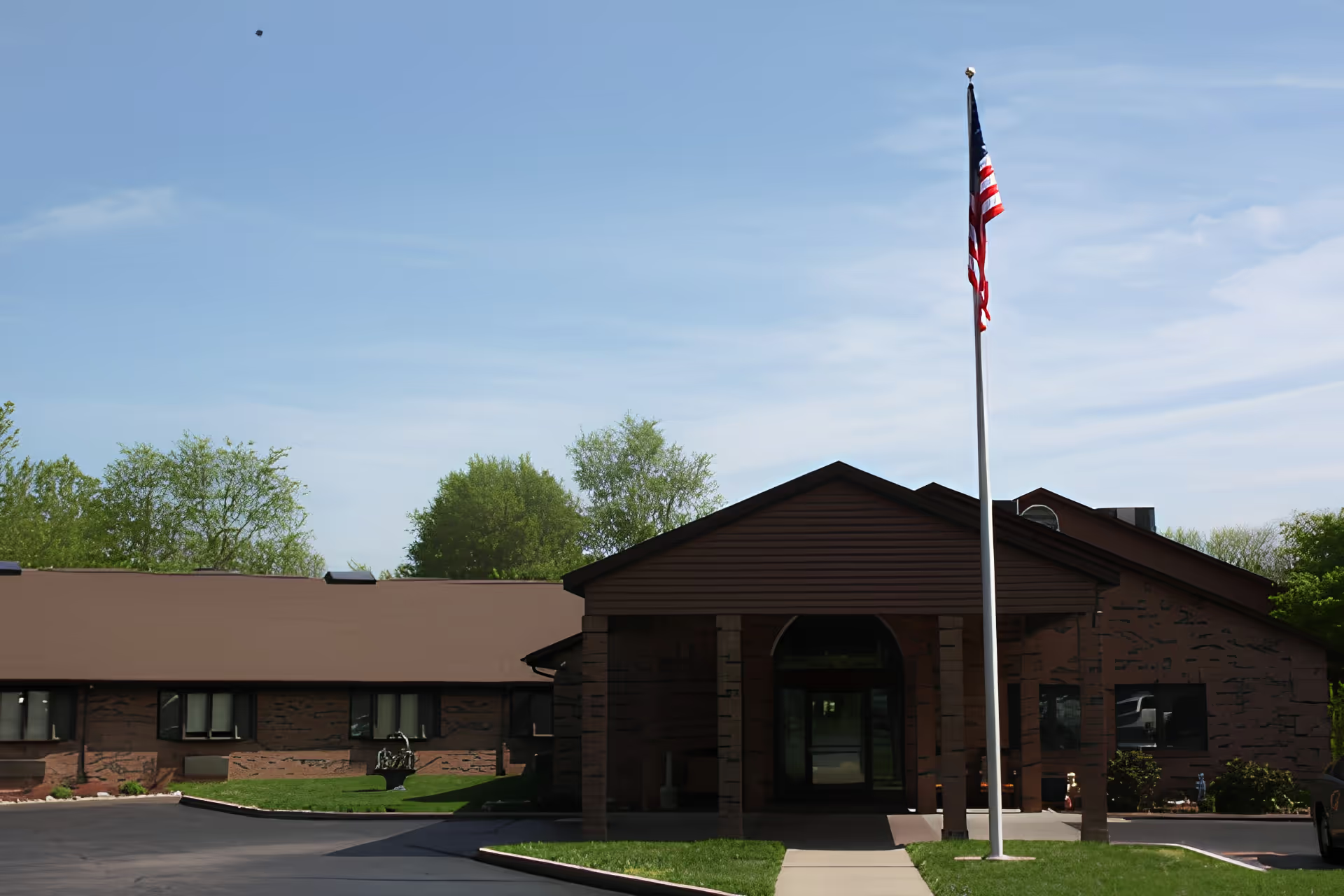
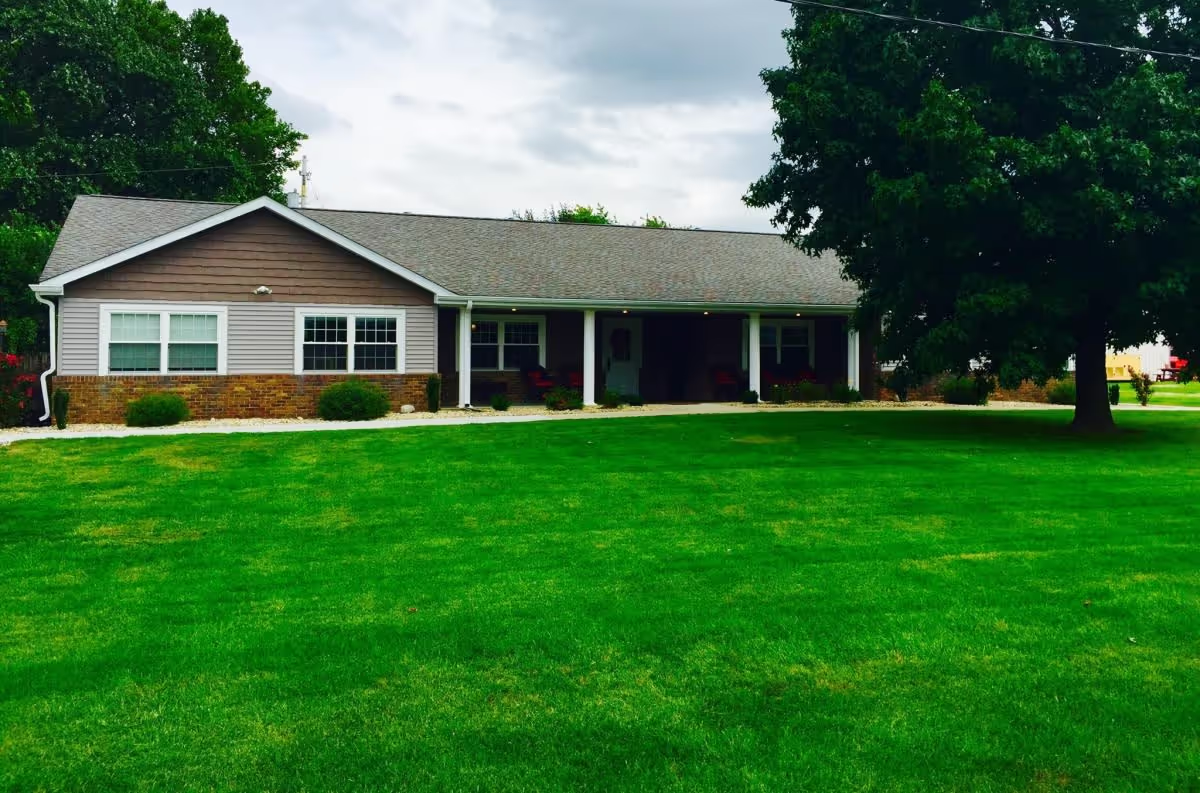
Overall impression: The Loft Rehabilitation of Rock Springs is frequently described as a clean, recently renovated community with a boutique, hotel-like feel and extensive on-site amenities. Families and residents commonly praise the facility’s dining program (made-to-order meals prepared by an on-site chef), spa and salon services, a robust therapy department, and a varied activities program that includes a theatre, excursions, and exercise options. Private apartments, gardens, and walking trails contribute to a residential atmosphere that many find appealing.
Care and staff: Many reviewers highlight compassionate, hands-on caregiving and positive interactions with nurses, therapists, and leadership; several accounts note strong hospice support and proactive assistance with appointments and transportation. At the same time, a clear pattern of staffing shortages and turnover appears across reviews. That staffing pressure is tied to inconsistent responsiveness, delays answering call buttons, and uneven follow-through on routine tasks. There are also specific concerns about medication-management processes and glucose-monitoring practices; families should inquire directly about medication administration protocols and clinical oversight.
Dining and activities: Dining is a consistent strength — flexible service hours, varied menus, and a chef-led kitchen are repeatedly praised. The community also offers a broad mix of activities and special services (monthly outings, entertainment, exercise classes). However, reviewers describe instability in activities leadership and occasional funding/retention issues; memory-care diet accommodations (softer-texture meal options) were called out as an area needing improvement.
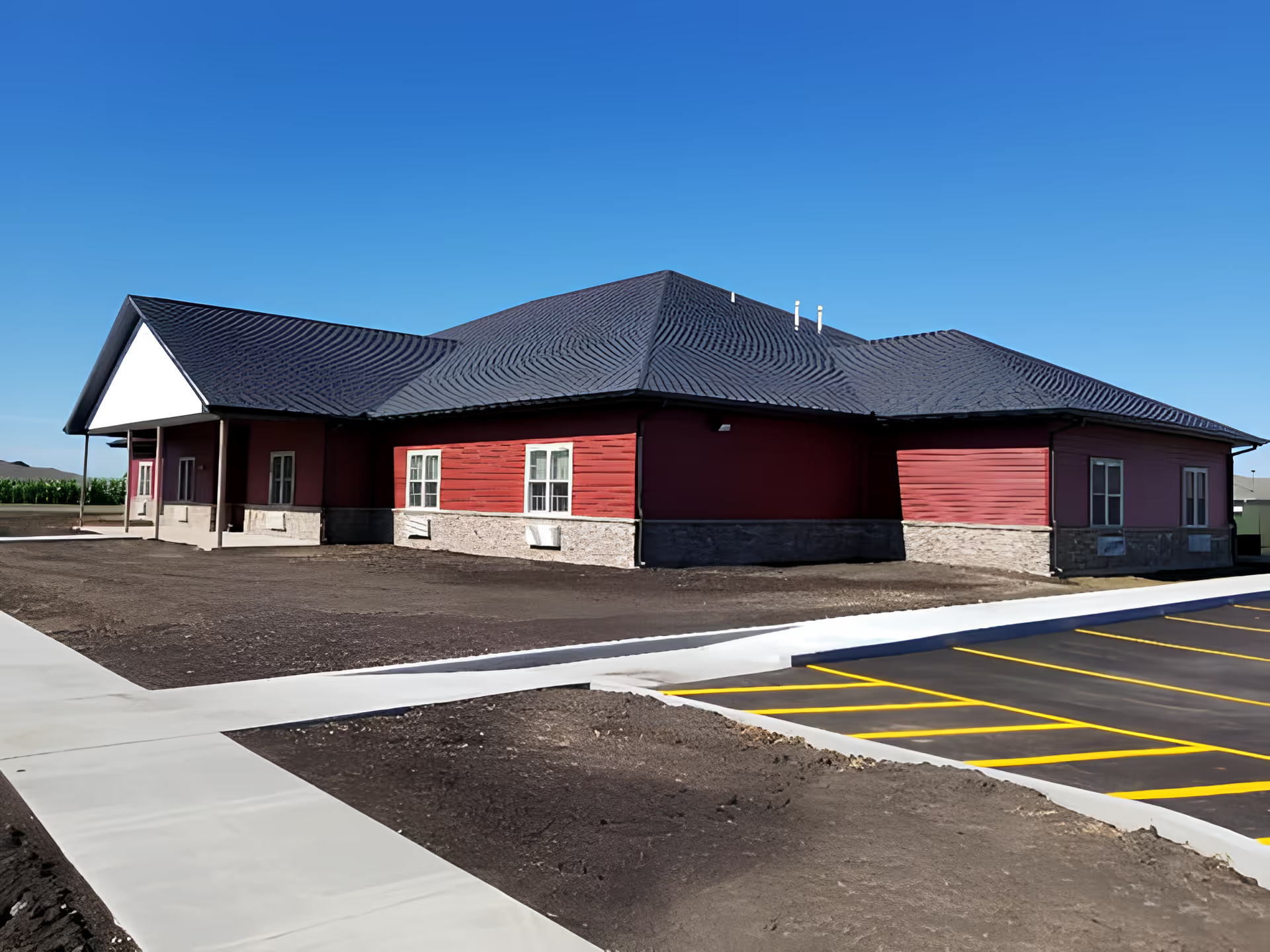
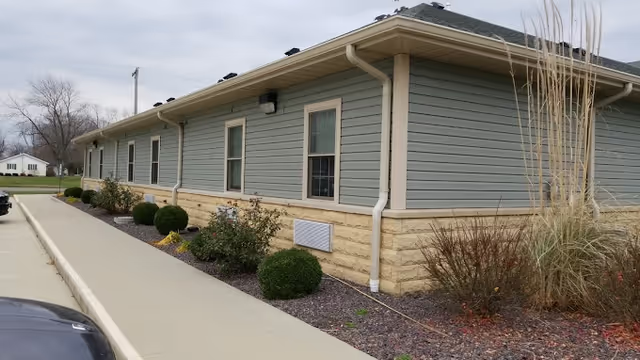
Facilities and operations: The campus is frequently described as attractive, well-kept, and modern, with amenities such as a gym, movie room, salon, and communal dining spaces. Maintenance responsiveness is often noted positively, though there are also instances indicating uneven room-turn practices and occasional building-maintenance issues (for example, leaks and related repairs). A small number of serious concerns appear around personal-property security and staff conduct; these include allegations of missing items. The provider’s private-pay-only policy and a perceived sales-driven admission approach are additional operational factors families may want to consider.
Notable patterns and guidance for families: Overall experiences vary — many families report excellent care and a strong community feel, while others describe operational shortfalls tied to staffing, communication, clinical oversight, and inconsistent housekeeping or maintenance follow-through. Prospective residents and their families should prioritize asking about current staffing levels and turnover, medication-safety procedures (including glucose monitoring), call-button response times, activities staffing and retention, memory-care dietary accommodations, policies for safeguarding resident property, and financial-assistance options. An in-person tour focused on observing mealtime service, staffing on the floor, and documentation of recent maintenance or incident responses may help clarify whether the facility’s strengths align with a particular resident’s needs.