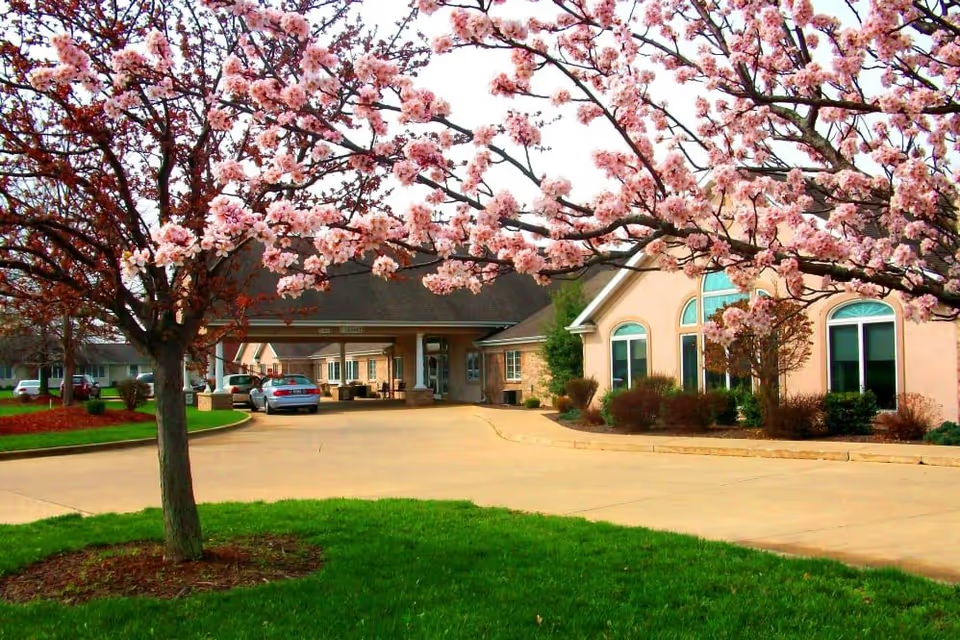
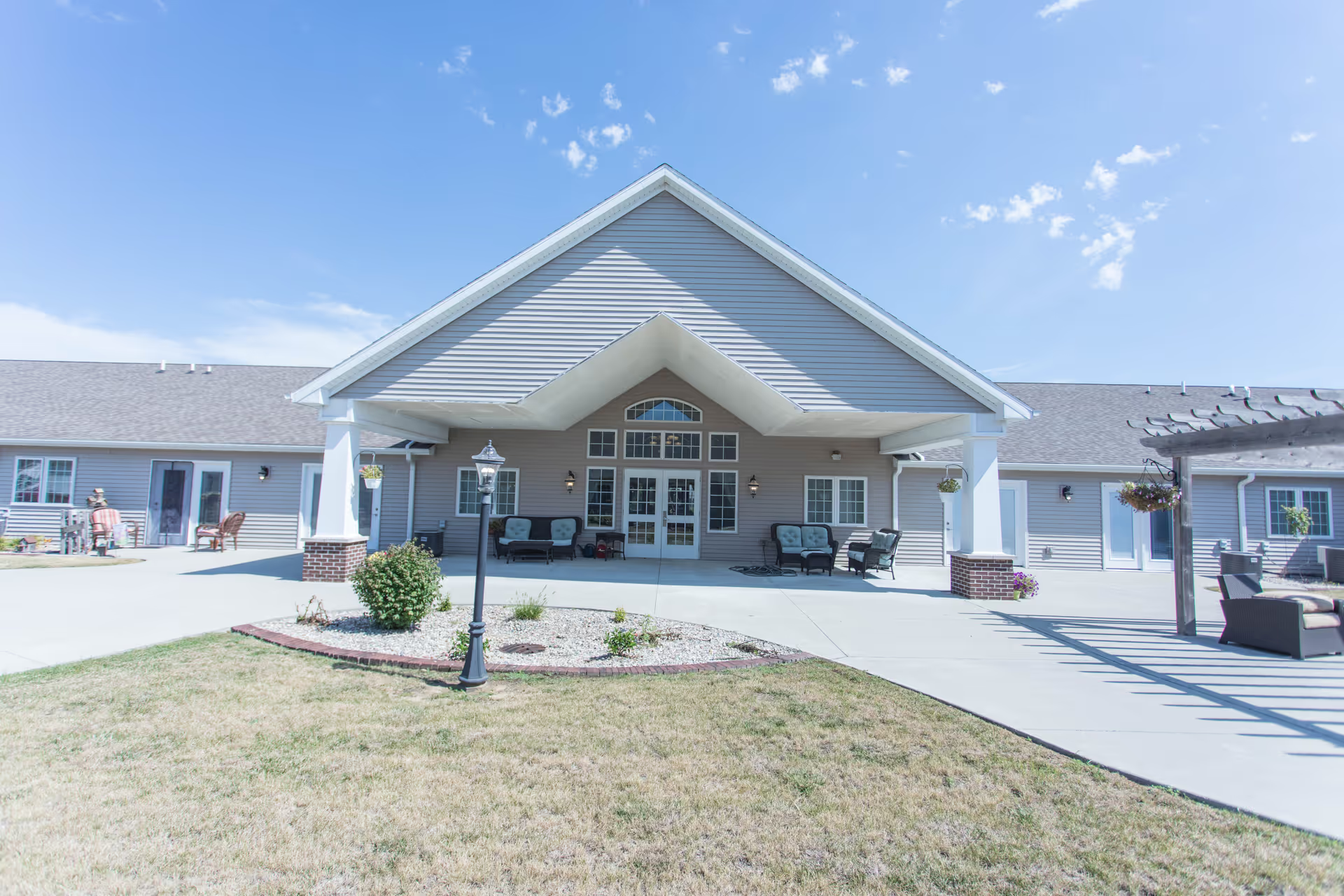
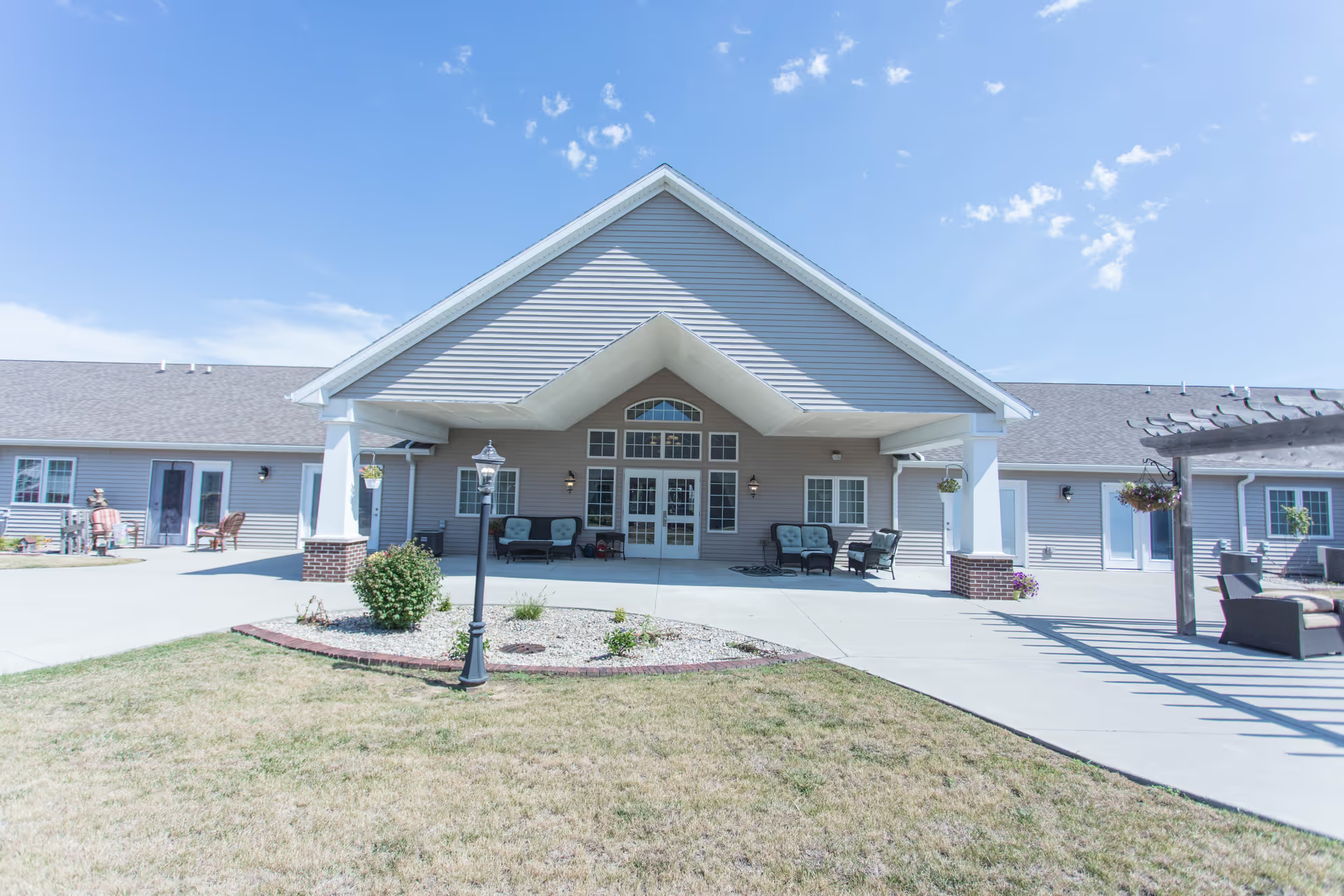
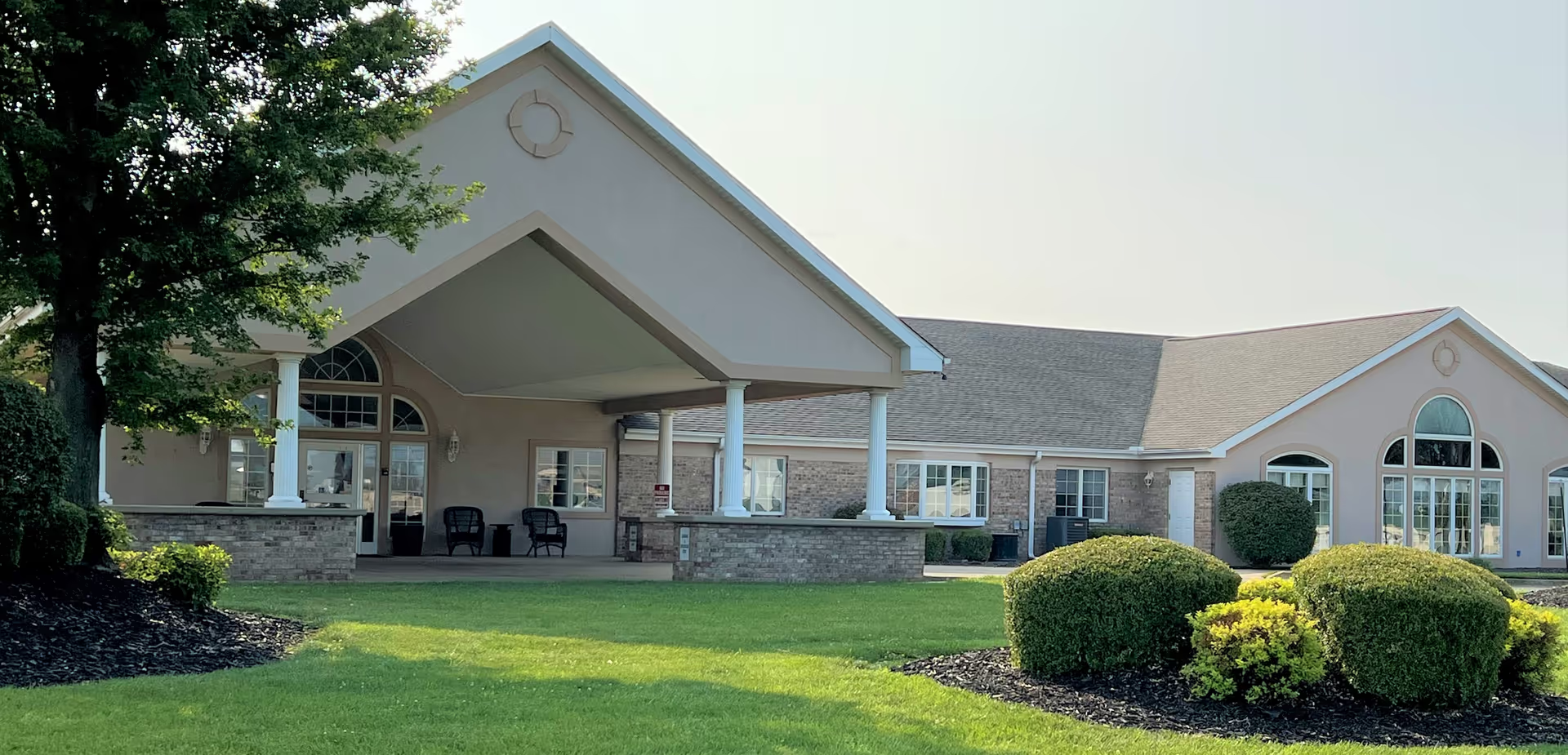
Reviews reflect a mix of clearly positive experiences and recurring operational concerns. Many families and residents describe a clean, welcoming environment with well-kept resident rooms, a cheery dining area and seasonal decor, and a home-like campus focal point such as a fountain. On the positive side, reviewers frequently praise friendly, caring nursing and therapy staff, responsive admissions and administrative personnel, and on-site rehabilitation services with modern equipment that support short-term rehab-to-home goals. Memory-care services and a structured activities program (music, chair exercises, bingo, and religious services) are also cited as strengths.
Care quality descriptions are mixed. Several reviews note consistent medication administration, reliable personal-care services (bathing and hair care), and clinically competent therapy that helped residents progress. However, other reviews describe gaps in clinical oversight and care-plan adherence, including concerns about wound care, pressure-injury prevention, missed therapies, and delays in addressing acute clinical changes. These accounts suggest variability in how consistently clinical protocols are followed and that outcomes may depend on staffing levels and supervision.
Staff performance is a clear polarizing factor. Numerous comments highlight compassionate, helpful staff members and specific employees by name, as well as management that listens and responds when contacted. Conversely, there are reports of inconsistent conduct, poor training for some employees, and communication tone issues. Understaffing and scheduling pressures are frequently mentioned and are tied to longer response times, missed or delayed care tasks, and variability in resident experience.
Dining and nutrition receive generally favorable marks for adequacy and taste from many reviewers, and some families describe the food as very good. At the same time, there are operational complaints about meal-service continuity and temperature control (meals not hot enough), incorrect meal deliveries, and trays being left in rooms for extended periods. Prospective residents should clarify meal schedules, assistance with dining, and hot-food practices during a tour.
Facility condition and safety are similarly mixed. The interior common areas and many rooms are described as clean and pleasant, but the building shows signs of aging in places: worn flooring, areas needing painting, and isolated maintenance issues (doors or closets off track). There are also recurring sanitation and odor concerns in certain hallways and bathrooms and reports of slippery or freshly waxed floors and trip hazards. These point to uneven maintenance and environmental-safety controls across the campus.
Management and administrative practices receive both praise and criticism. Several reviewers commend a responsive director and administrative staff who address concerns, while others raise issues about billing disputes, difficulty reaching healthcare staff, and inconsistent follow-through on requests. There are also mentions of inconsistent pet-control or visitation oversight that some families found problematic.
Overall, Lakeland Rehabilitation & Health Care Center appears to deliver solid rehabilitation services, a compassionate core of clinical staff, and a generally pleasant environment for many residents. At the same time, there are repeated operational themes—staffing variability, gaps in clinical oversight, meal-service reliability, sanitation/maintenance inconsistencies, and occasional communication or billing problems—that prospective residents and families should evaluate during a visit. Practical next steps when considering this facility include asking for current staffing ratios, wound-care and pressure-injury prevention protocols, meal-service procedures, recent maintenance plans, and examples of how administration has addressed past concerns.