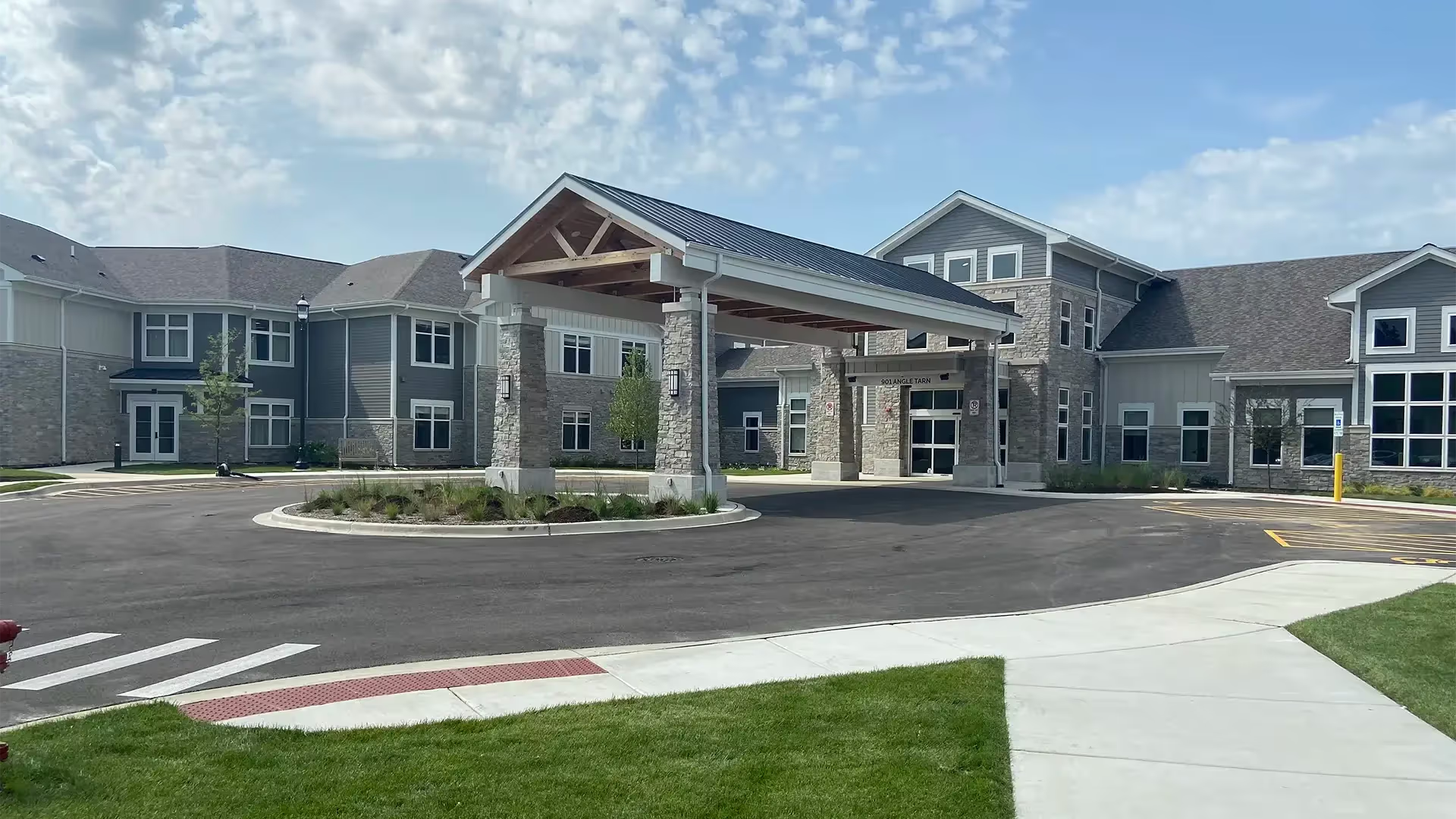
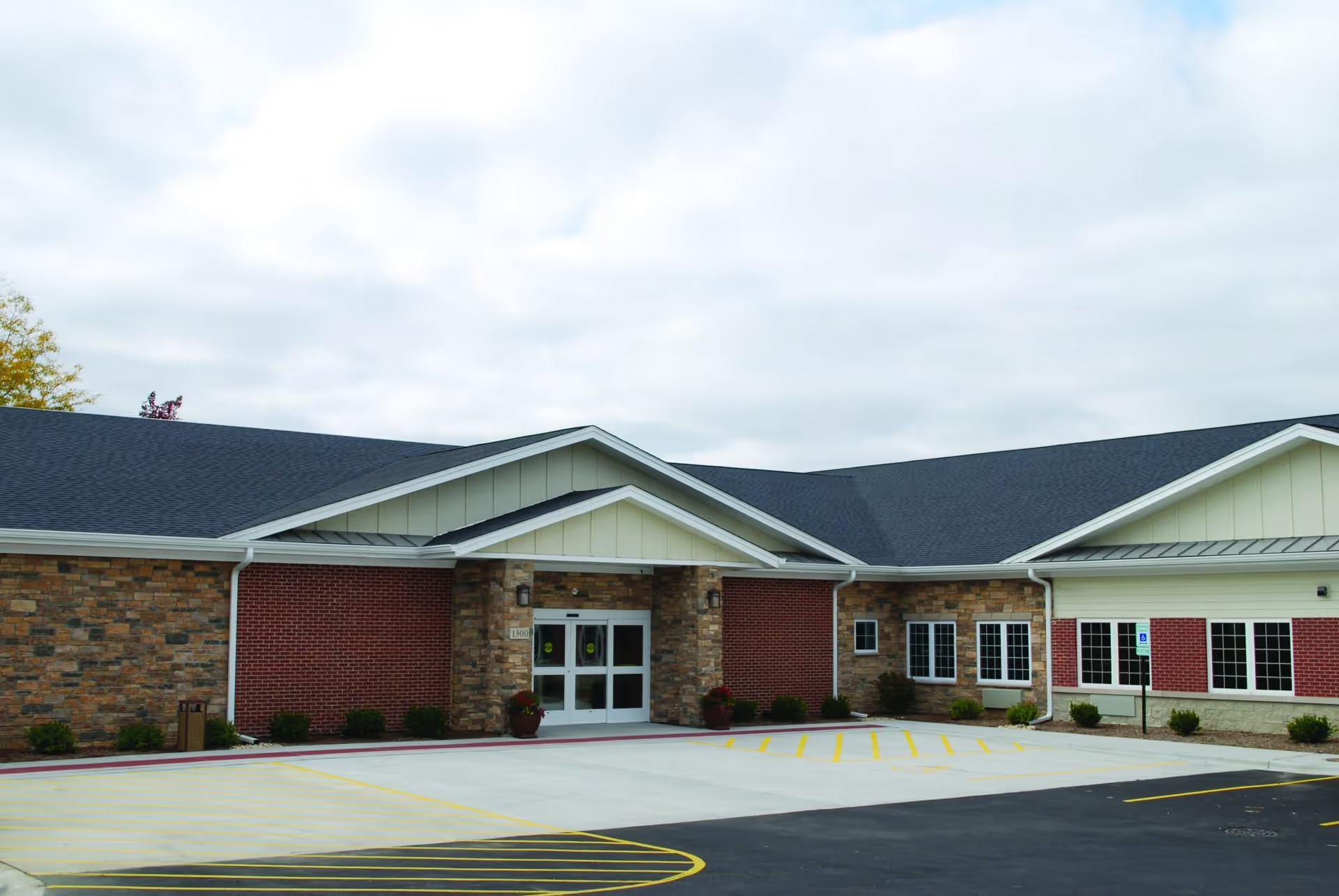
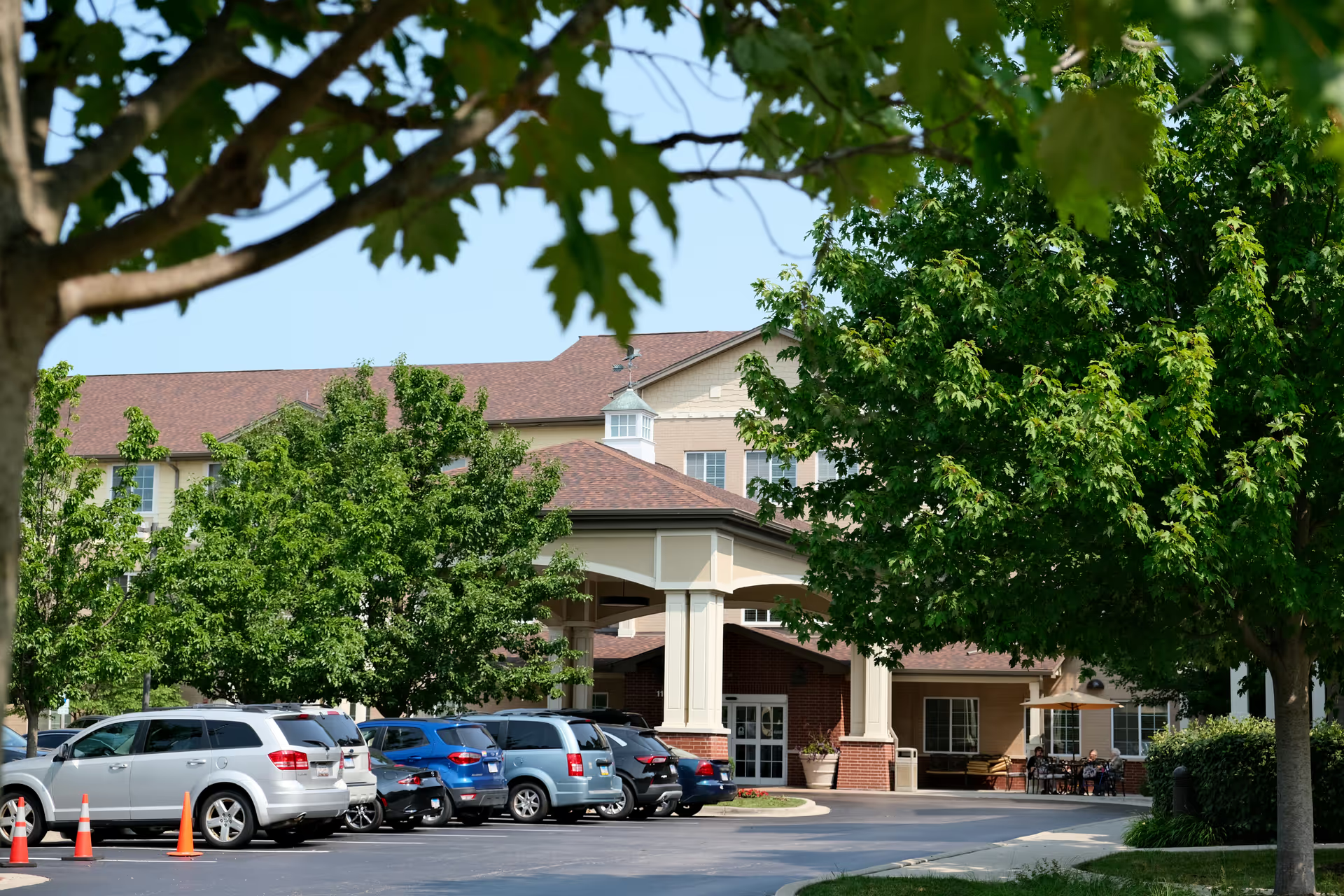
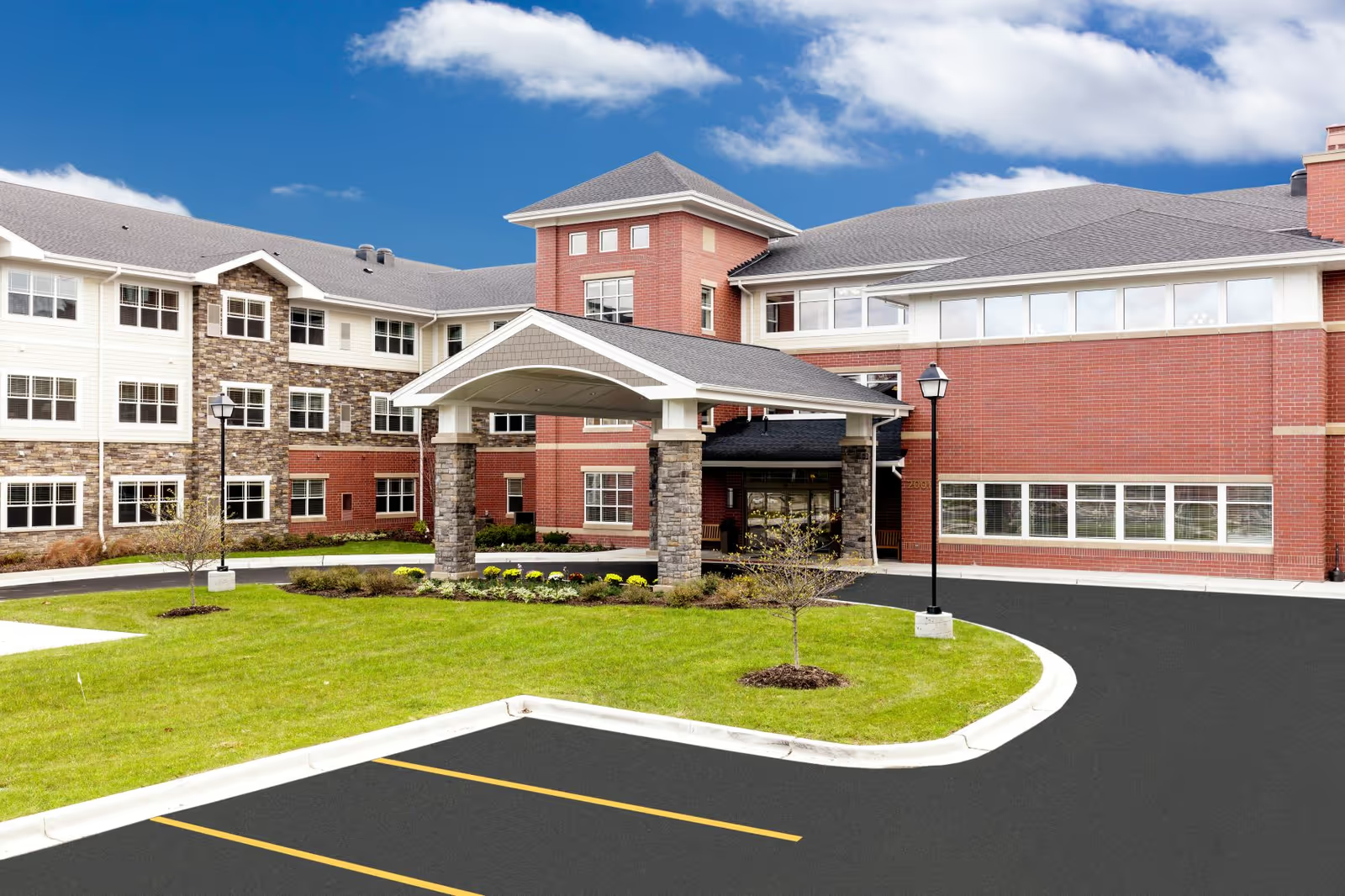
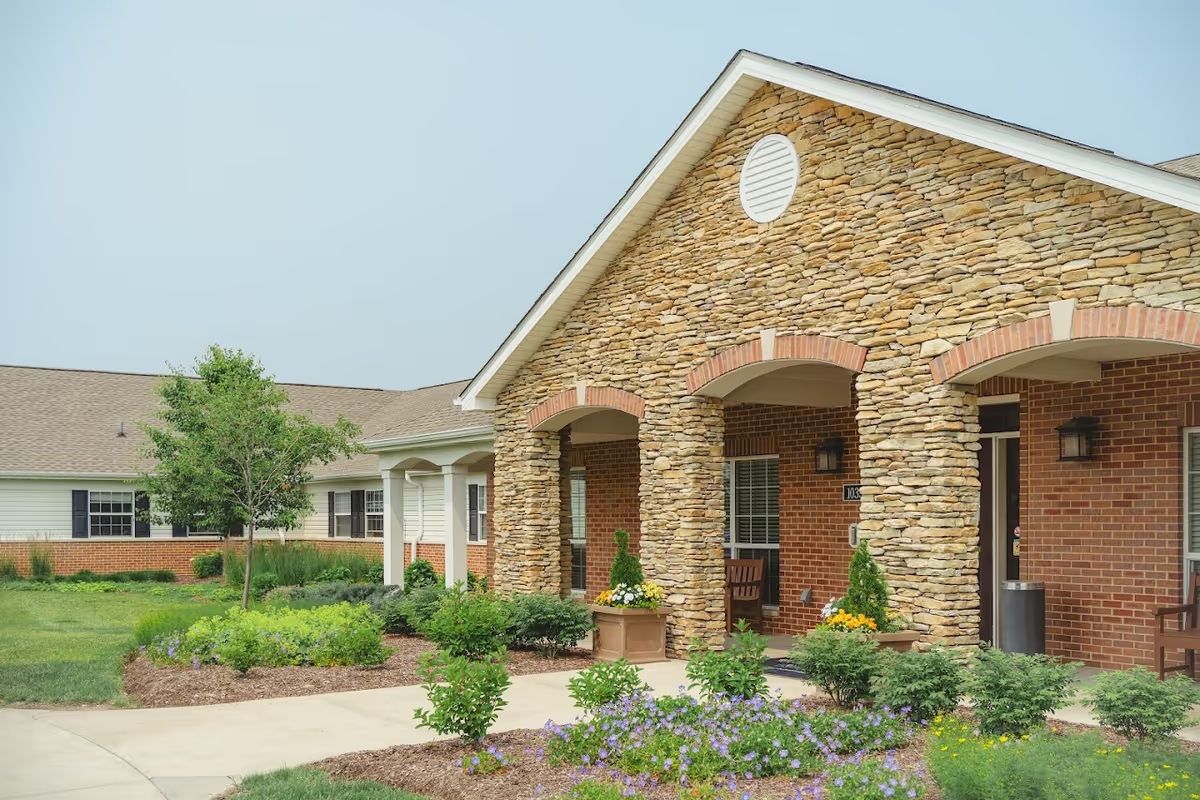
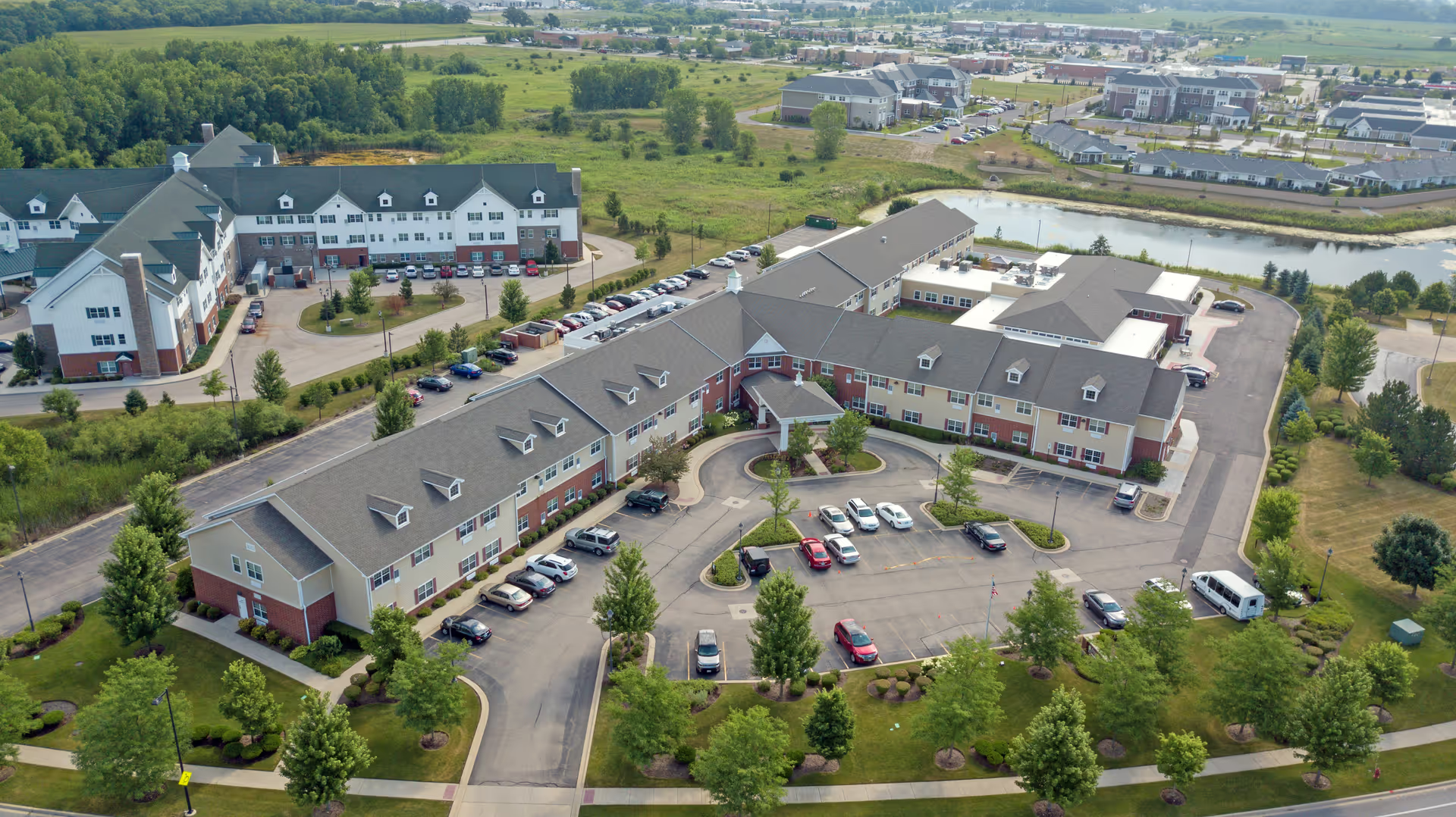
The Pearl of Elgin elicits sharply mixed impressions. Many families and clinicians praise its clinical rehabilitation services, wound-care team, and therapy staff who frequently receive positive mentions for helping residents make functional gains. Admissions and front-desk personnel are often described as welcoming and efficient, and several reviewers highlight effective coordination with hospice and a generally clean, well-maintained interior and outdoor spaces. The activity program, occasional pet therapy, and a range of social offerings are noted as meaningful quality-of-life contributors for residents.
At the same time, a recurring pattern of operational weaknesses is evident. Staffing consistency is a central concern: reviewers describe reliance on agency staff, especially on weekends, and consequent variability in care continuity and staff familiarity with residents. Delays in responding to call lights and assisting with toileting are commonly reported and are linked to broader questions about workload and responsiveness. These issues are accompanied by sanitation and linen-management inconsistencies and intermittent odor concerns in some areas, which affect family perceptions of overall hygiene and comfort.
Dining experiences are uneven. Several accounts note appealing menu choices and timely meals, while others describe cold or poorly plated meals and occasional interruptions in meal-service continuity. Documentation and communication practices between shifts and departments also appear inconsistent: families report information gaps, difficulty reaching staff after hours, and limited follow-through on concerns. These communication breakdowns extend to case management in some instances, with conflicting assessments of the social-work function.
Safety and clinical governance emerge as additional areas for scrutiny. Reviewers raise concerns about fall-prevention practices, inconsistent use of safety measures, medication-management inconsistencies, and occasional room moves that can be disorienting for residents with cognitive impairment. A confusing physical layout for some wings further complicates navigation for residents with dementia. There are also mentions of inventory-control problems, including missing personal items and supply shortages, which point to operational controls needing improvement.
Management and oversight receive mixed evaluations. Positive comments reference engaged administrators and promising changes under new ownership, while critical accounts describe slow or inadequate responses to complaints and at least one regulatory complaint that prompted external review. The overall pattern is polarized: some families describe excellent, family-like care and successful rehabilitative outcomes, while others experienced substantial lapses in responsiveness, communication, and consistent day-to-day care.
For prospective residents and families, the facility offers clear clinical strengths in therapy and wound care and a generally well-kept environment in many areas. At the same time, the facility exhibits operational variability that affects care consistency. A careful tour, focused questions about staffing ratios (especially on weekends), call-response times, sanitation and laundry procedures, medication-management practices, and recent regulatory or complaint resolutions will help clarify alignment with an individual resident’s needs.