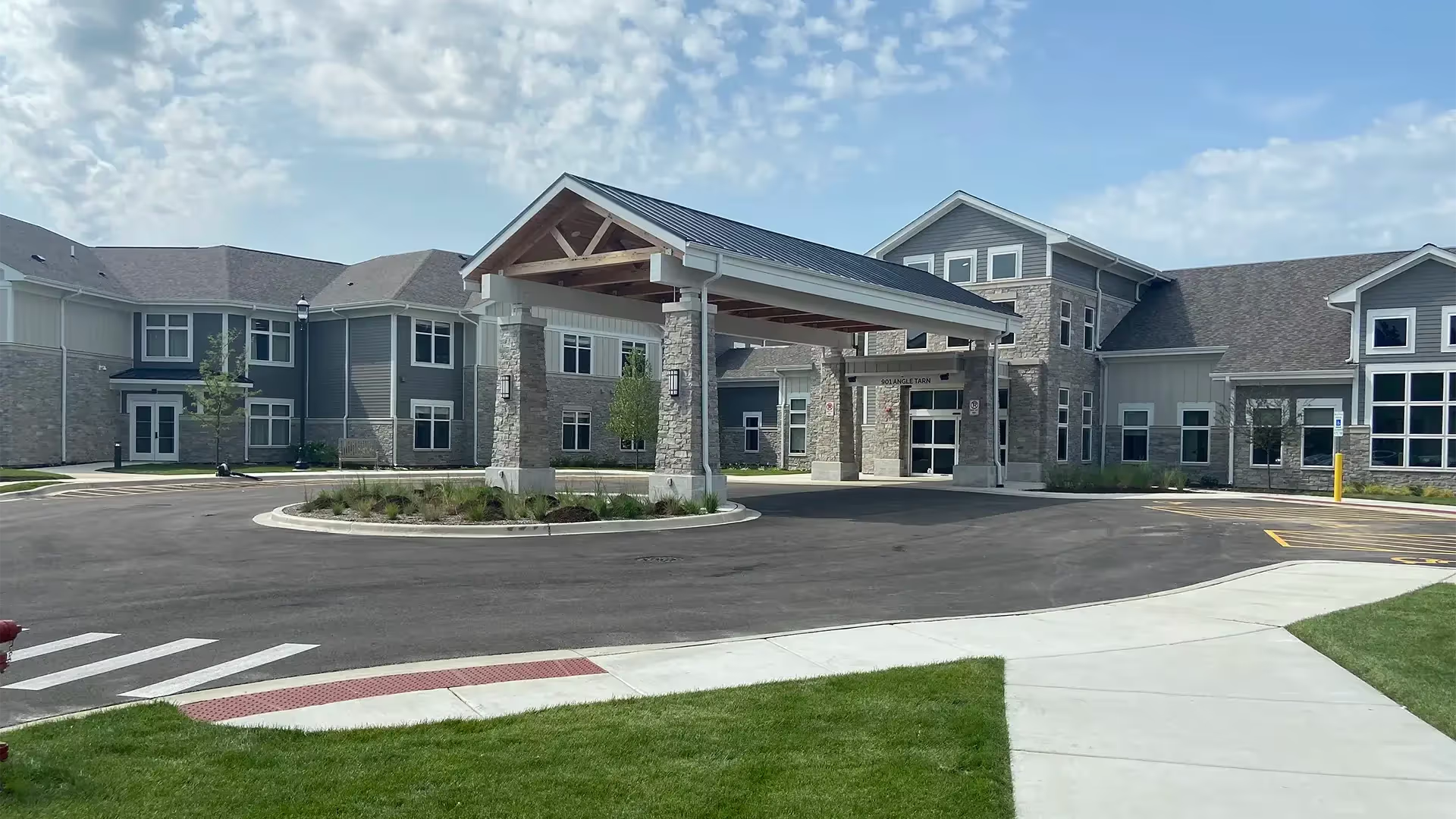
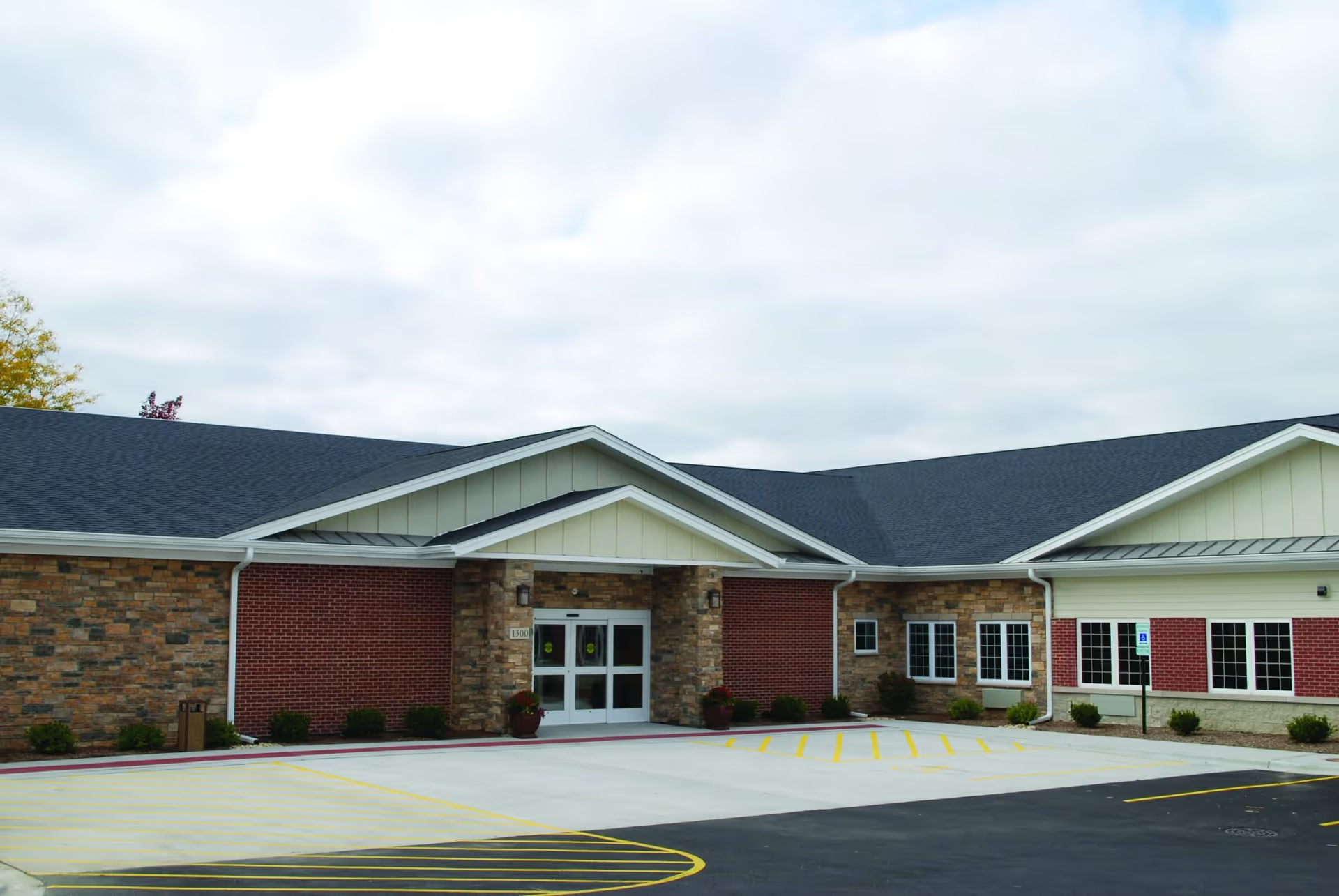
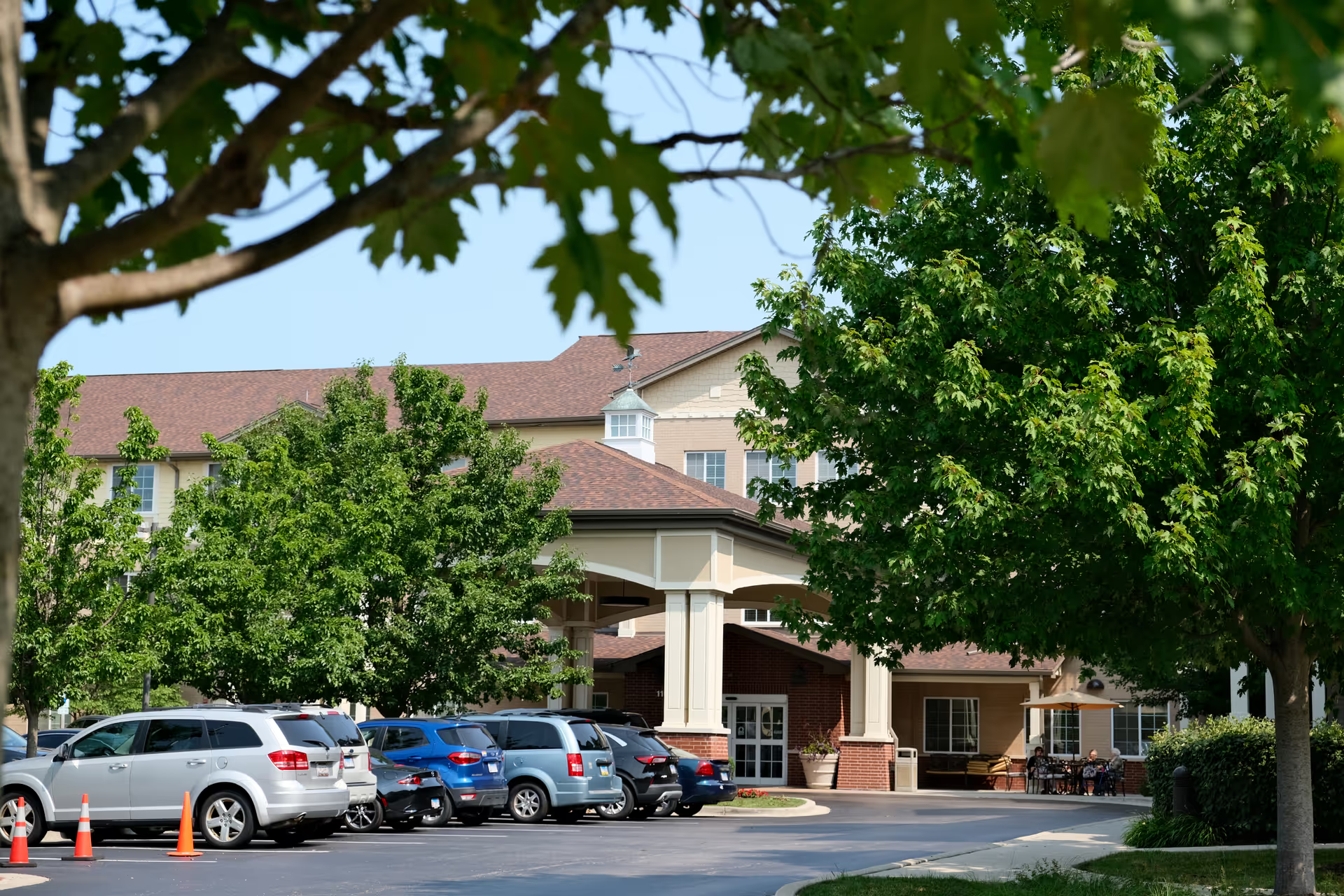
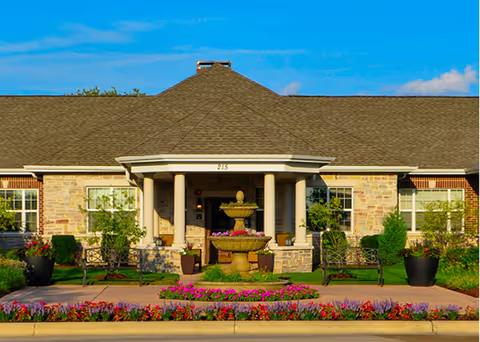
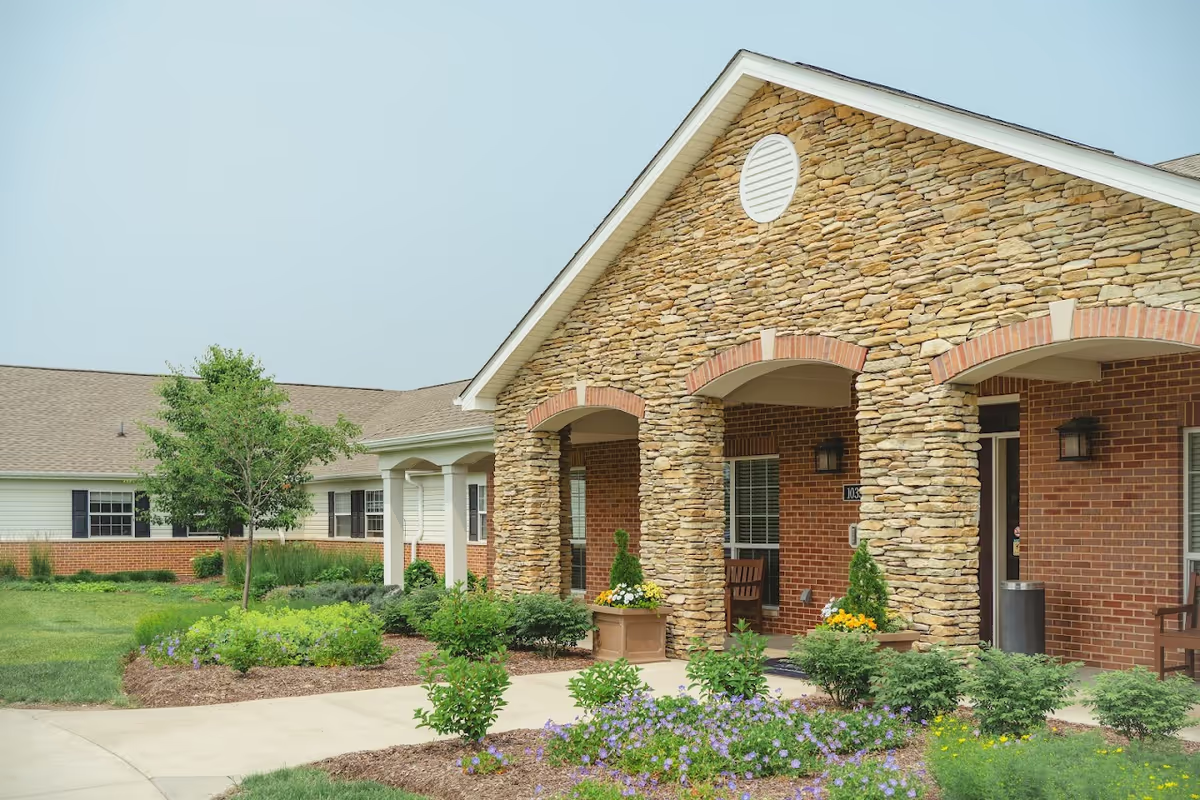
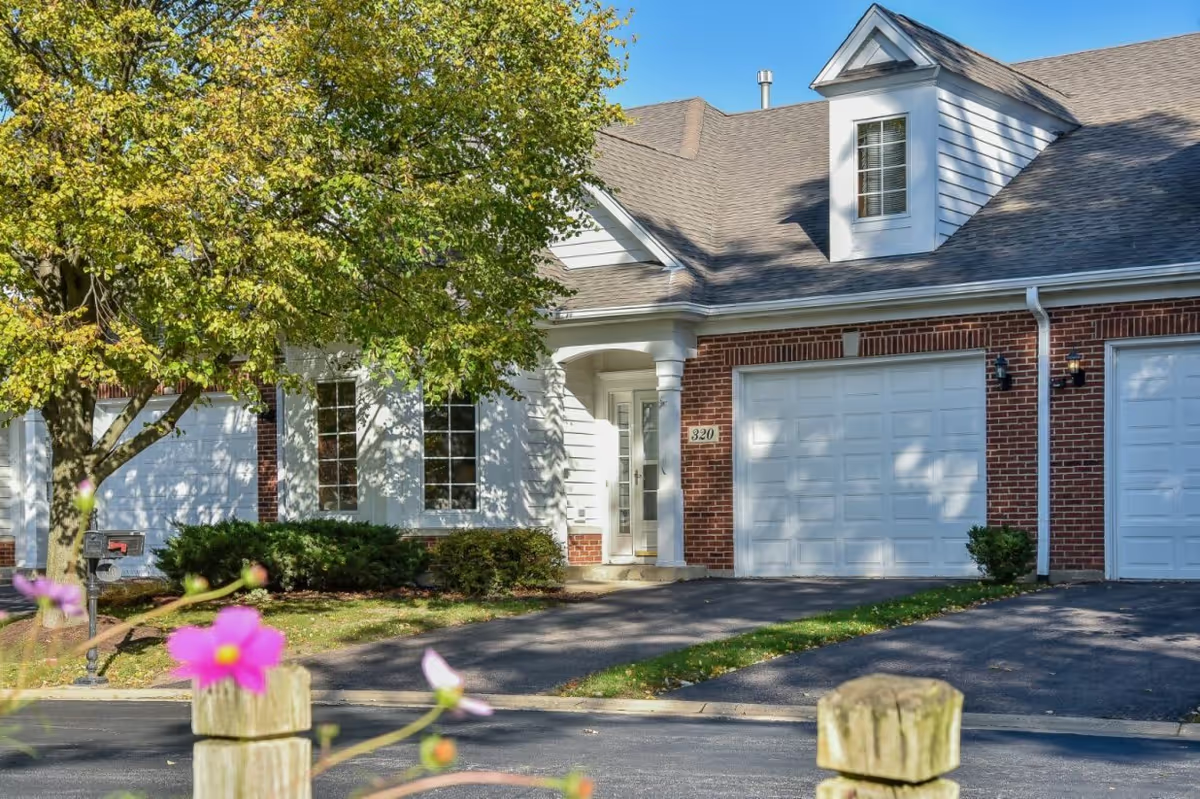
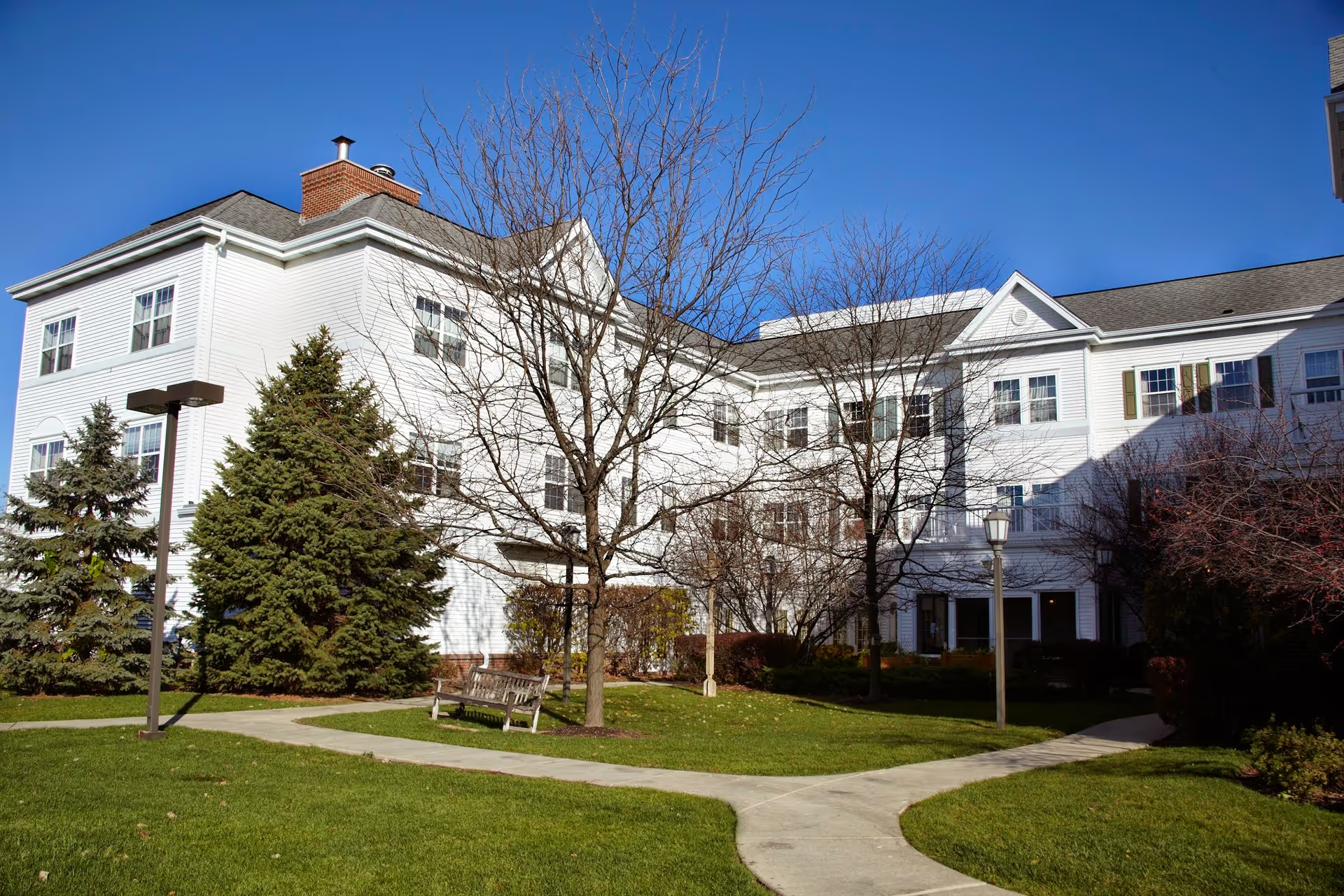
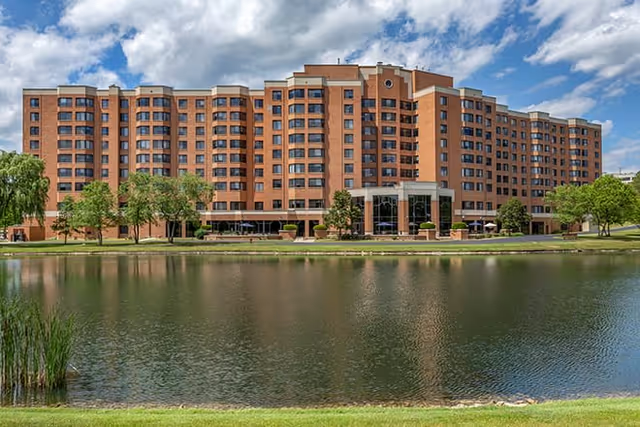
Overview: Reviews describe a facility that is largely new, modern, and well equipped with apartment-style units and a range of amenities. Many families praised the facility’s physical condition, apartment sizes, on-site transportation, and common areas such as courtyards and activity spaces. At the same time, recurring operational issues create mixed experiences: where caregiving and leadership align well, families report good outcomes; where operational controls are weak, families cite safety and dignity concerns.
Care and staff: Care quality appears variable. Numerous accounts highlight attentive, compassionate caregivers, skilled nurses, and recreation staff who foster engagement and make residents feel known. Conversely, persistent understaffing and high turnover undermine consistency: reviewers describe long periods without an RN on site, slow call responses, and uneven CNA performance. These patterns point to staffing and training gaps that affect day-to-day reliability and supervision, particularly during night shifts and busy periods.
Dining and nutrition: Dining is a polarizing area. Several reviewers praised the executive chef, menu variety, and enjoyable meals; others described inconsistent food quality, portion control issues, and meals arriving lukewarm or missing items. Service staffing turnover (servers and cooks) and occasional kitchen delays contribute to variability. Families evaluating value should weigh positive reports of good meals against repeated accounts of lapses and reduced availability of menu items.
Activities and memory care: The activities program and recreation leadership receive strong positive comments for outings, live entertainment, and variety. However, memory-care programming and supervision are repeatedly flagged as inadequate: insufficient staff ratios, exclusion of memory-care residents from activities during staffing shortages, and wandering risks that required moves to more secure levels. These items suggest the memory-care unit may require stronger staffing models and tailored programming to meet dementia-specific needs consistently.
Facilities, housekeeping, and maintenance: The building and apartments are frequently described as attractive and modern. Common areas are often clean and well maintained. At the apartment level, reviewers report inconsistent housekeeping—dust accumulation, bathroom cleaning issues, and occasional sanitation concerns. Maintenance responsiveness is generally acceptable but occasionally slow for nonurgent fixes. Housekeeping turnover and limited dedicated cleaning resources appear to be contributing factors.
Management, communication, and notable patterns: Management behavior and responsiveness are uneven across accounts. Positive interactions include supportive move-in help, weekly family updates, and quick incident calls to families. Negative patterns include inconsistent explanations from managers, adversarial responses to complaints, perceived dismissals of family concerns, and frequent leadership turnover. Medication-management weaknesses (miscounts, unsecured storage, and missed doses) and privacy concerns (room surveillance) emerge often enough to be treated as systemic risk areas. Pricing and perceived value are additional themes—some families find the cost justified by amenities and care, while others note frequent fee increases and question the value given operational shortcomings.
Guidance for prospective families: The Sheridan at Tyler Creek offers strong facility infrastructure, apartment-style living, and notable strengths in recreation and compassionate staff members. Prospective residents and families should inspect memory-care staffing ratios and protocols, review medication-handling procedures, ask about housekeeping schedules and turnover, and observe meal service during dining hours. Clarify communication expectations with management and document commitments about clinical coverage and promised services before move-in. Those prioritizing modern accommodations and active programming may find the community attractive; those needing consistently high clinical oversight for memory impairment should verify staffing and supervision measures carefully.