Overall impression: Reviews describe a facility with many relational strengths alongside recurring operational concerns. Families consistently praise the interpersonal culture — nurses, CNAs, front-desk staff, and activities personnel are frequently characterized as caring, compassionate, and attentive. Several accounts highlight a home-like environment, an attractive garden, recent renovations, active social programming (bingo, music, outings), and management that is engaged and family-oriented. The facility accepts Medicaid and is noted for regular care-planning meetings and hands-on involvement from leadership, which some families found reassuring.
Care and clinical operations: Clinical quality appears mixed. Positive experiences emphasize dignified end-of-life care and individualized attention from nursing leadership. However, reviews also indicate persistent operational gaps: inconsistent clinical care delivery, delays in recognizing or responding to acute conditions, and concerns about medication management and monitoring. There are specific concerns about hydration monitoring and follow-up, and some reviewers describe inconsistent personal-care assistance. Together these items suggest variability in clinical oversight and in the execution of routine nursing tasks.
Dementia care and therapies: The facility lacks a dedicated memory-care unit, and reviewers describe gaps in dementia-specific practices and supervision. Activity staff are praised for engagement, but clinical dementia-management — including regular reorientation and close supervision in common areas — is described as uneven. Rehabilitation services appear limited in availability according to some accounts; physical and speech therapy access should be confirmed for prospective residents with active therapy needs.
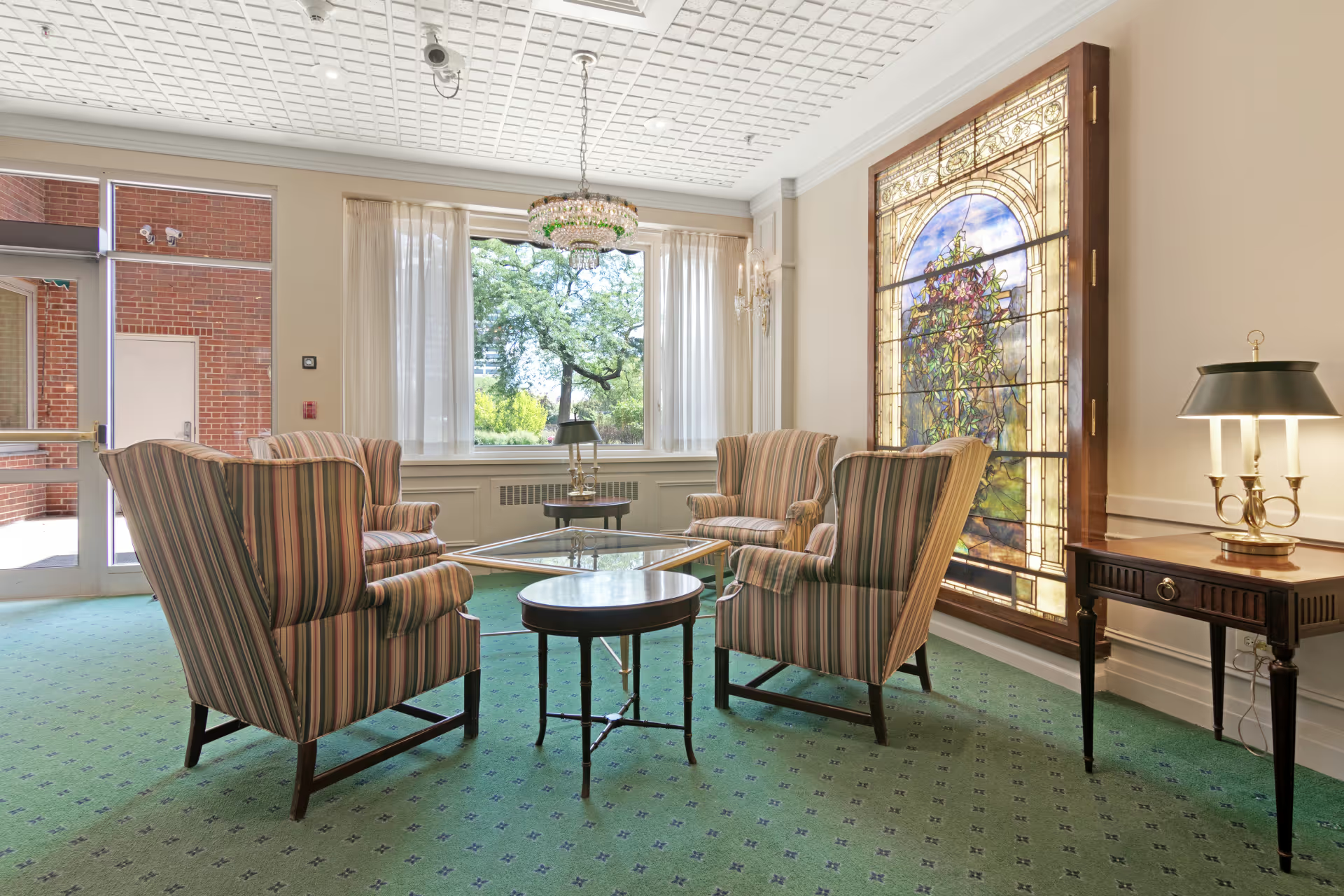
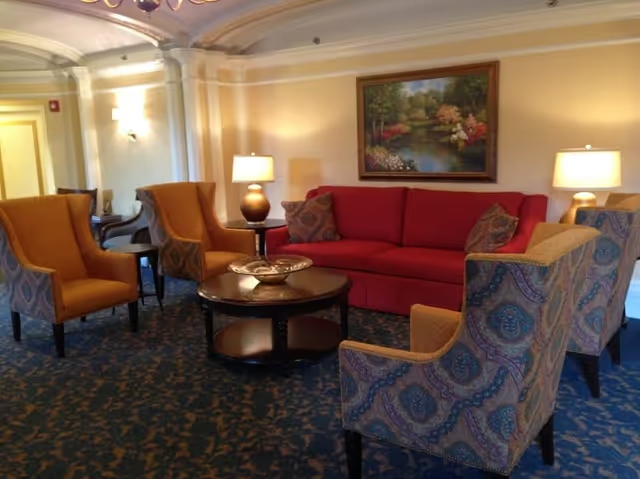
Dining, activities, and environment: Social programming and activities are a clear strength, with staff-coordinated entertainment, opportunities for socialization, and a family-like atmosphere repeatedly noted. Dining experiences are variable in the reviews: some residents enjoyed meals while others described inconsistent food quality. The facility is often described as clean and recently updated, though a minority of reports point to sanitation concerns in certain bathrooms and communal spaces. Practical amenities such as parking and elevator speed were called out as constrained by some families; private rooms carry a premium.
Management and communication: Many families praised responsive, engaged management and the director of nursing’s direct involvement with residents. At the same time, there are mentions of occasional gaps in family communication and limited follow-up after adverse events. Staffing continuity is inconsistent across accounts — some reviewers emphasize low turnover and strong staff retention, while others report turnover and variability in staff assignment — suggesting experiences may differ by unit, shift, or time period.
Notable patterns and considerations: The dominant pattern is a facility with strong relational and social strengths but with operational inconsistency in clinical and dementia-specific care. Prospective residents and families should verify current staffing levels, dementia-care protocols, medication-monitoring practices, hydration and acute-response procedures, therapy availability, and sanitation during a tour. Reviewing recent inspection reports and asking for examples of how the facility handles care-plan changes, post-incident communication, and staff continuity will help clarify whether the operational weaknesses observed in some reviews have been addressed.