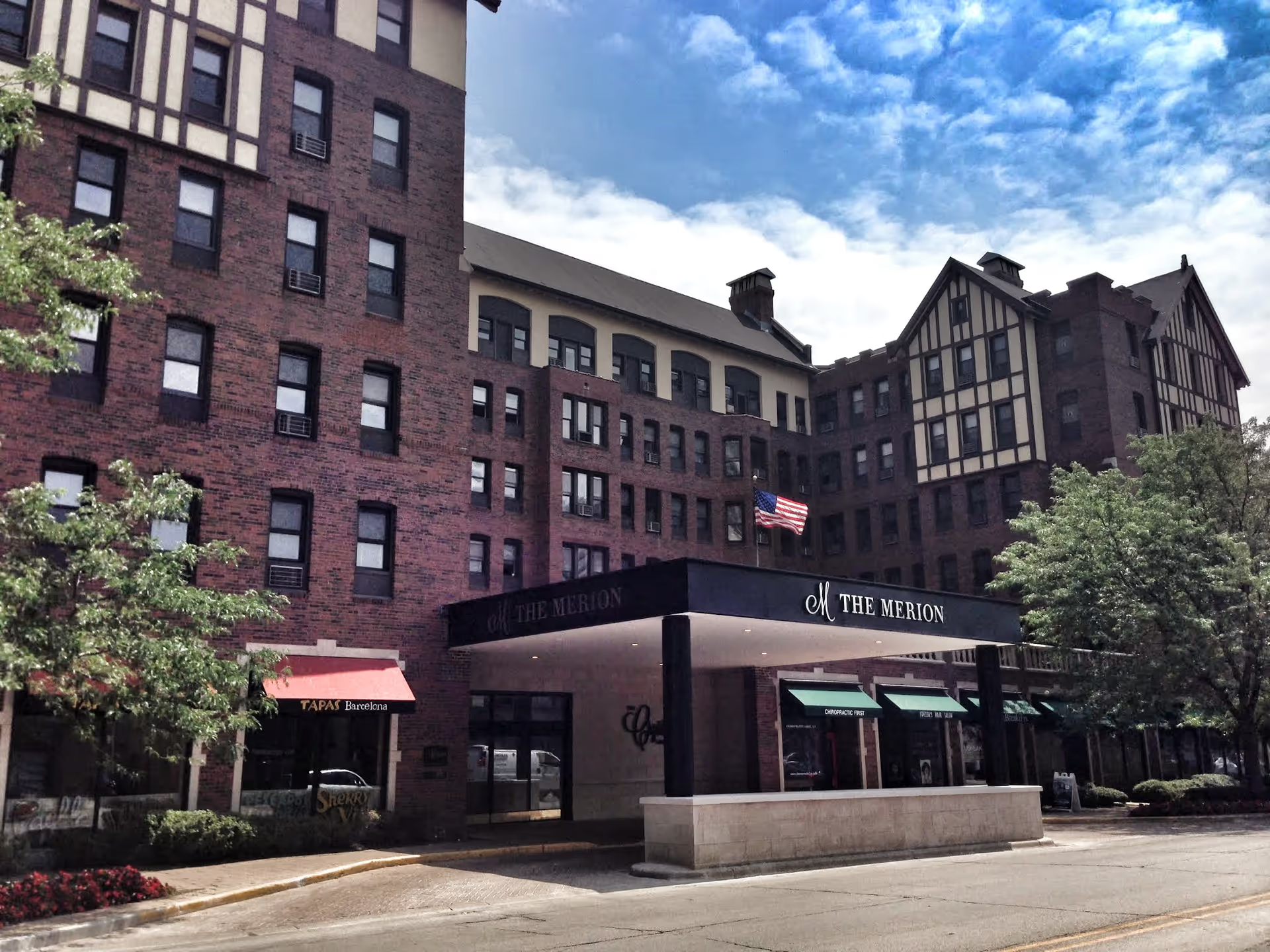
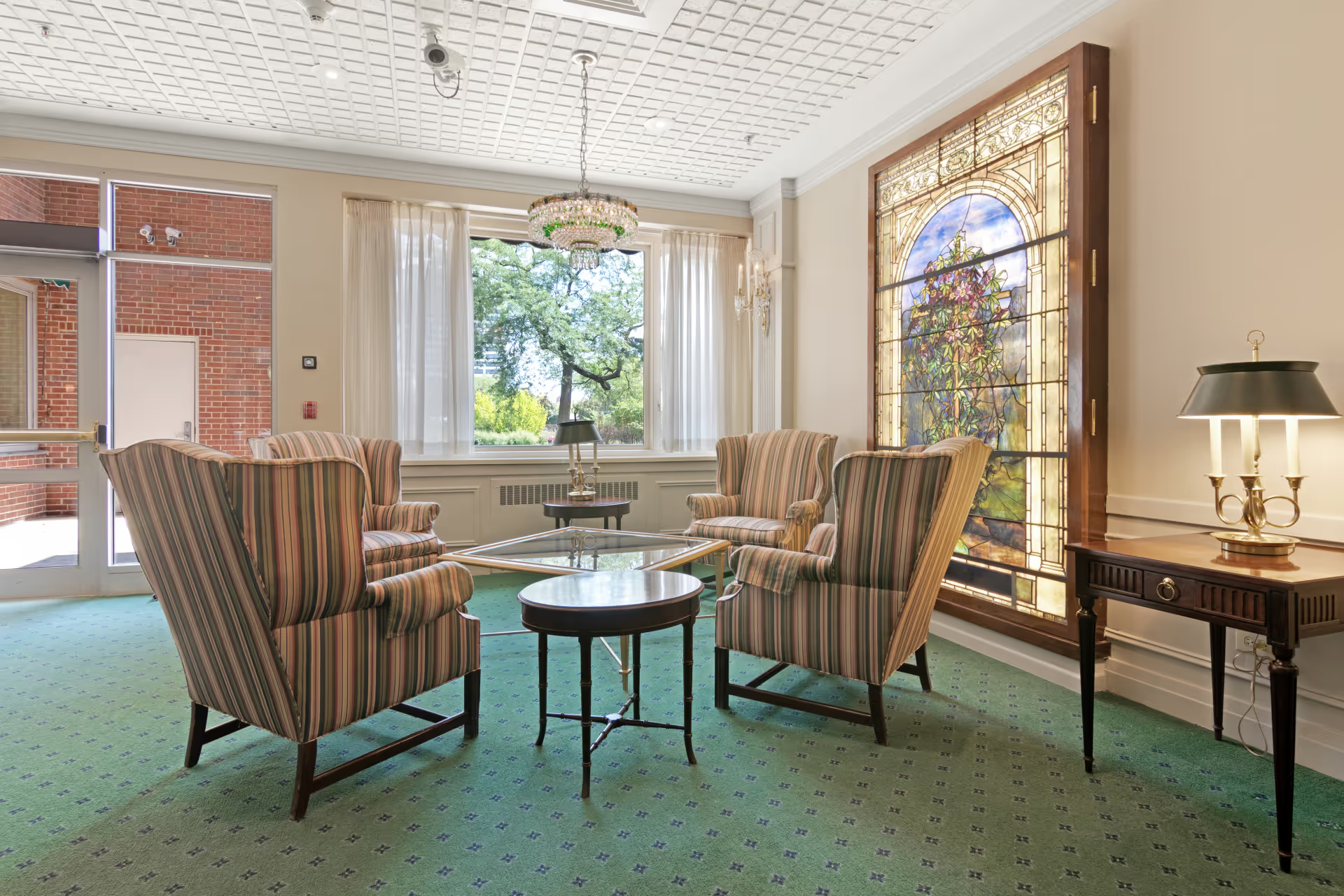
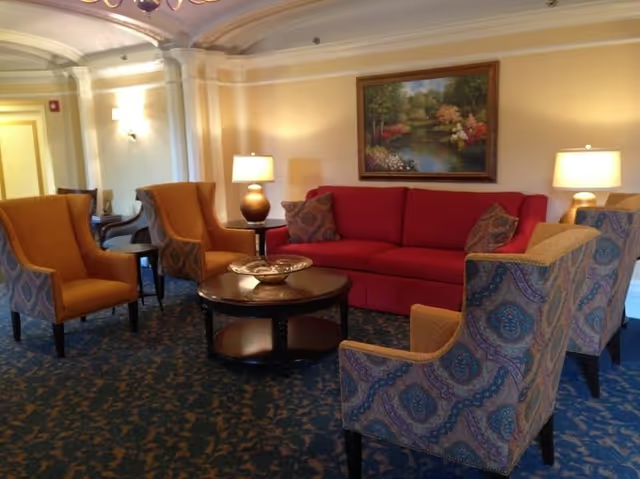
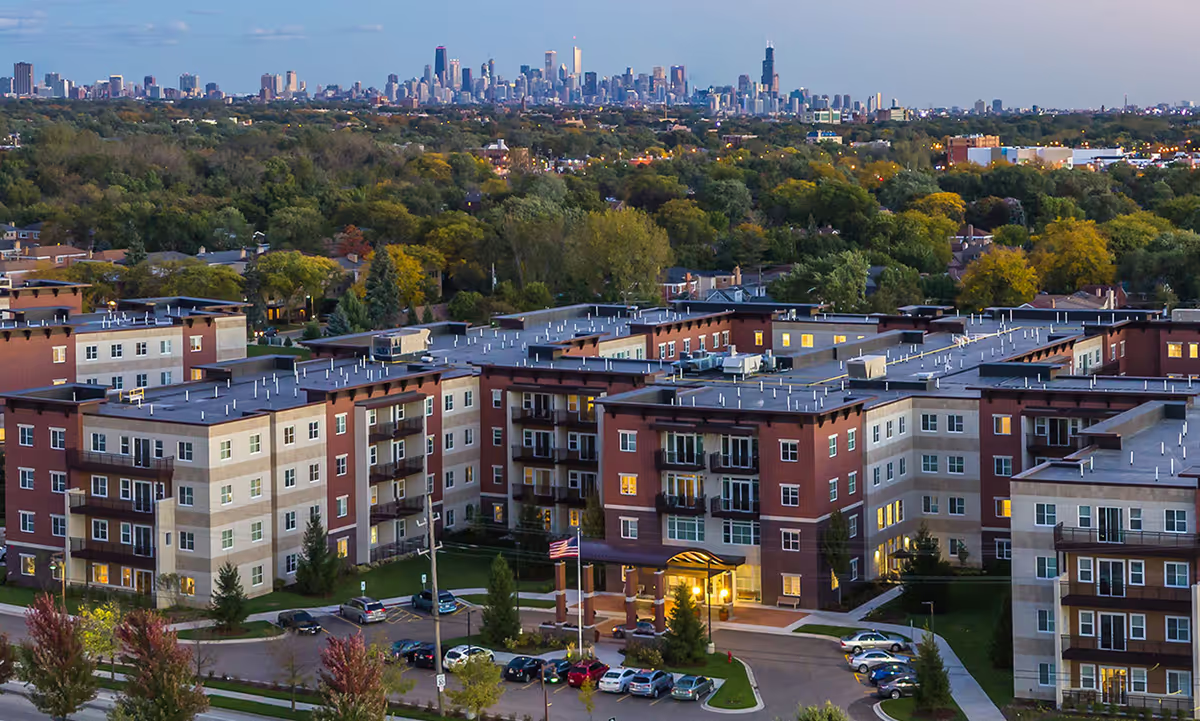
The Pearl of Evanston elicits a mixed but clear pattern: strong clinical and rehabilitative strengths are paired with operational inconsistencies that affect daily resident experience. Across reviews, the facility’s therapy teams (physical, occupational, and speech) and several nurses and CNAs were repeatedly praised for clinical skill, individualized attention, and effective rehab outcomes. Wound-care nurses and therapists receive especially high marks for expertise and compassionate bedside care. Families also note welcoming common areas, activity programming including musical visits, and instances of responsive maintenance and helpful front-desk interactions.
At the same time, a number of operational weaknesses recur. Staffing levels and shift-to-shift coverage are inconsistent; reviewers describe notably better daytime care versus evening and night coverage. That variability is associated with gaps in basic personal-care routines (bathing, dressing changes, toileting assistance) and with delays or errors in medication administration. Several accounts indicate inconsistency in clinical follow-through for surgical-site, ostomy, and wound management, which has led to additional clinical escalation in individual cases.
Dining and nutrition present another mixed picture. Dining staff and some CNAs are commended for accommodating special orders and preferences, and rehab patients report successful meal customization during recovery. Concurrently, families cite unreliable meal temperature, timing issues, missing utensils, and failures to consistently honor dietitian-prescribed plans. Kitchen operations are described as having variable continuity, with outsourced preparation and service timing affecting food quality at the tray level.
Facility and environmental observations vary by unit and by time. Many reviewers describe clean, comfortable rooms and a home-like atmosphere on certain floors, while others report circulation areas with carpet issues, baseboard mold, lingering odor concerns, and occasional maintenance shortfalls such as broken equipment. Laundry and personal-property handling problems — including delayed or lost items and allegations of theft — have been raised and point to weaknesses in inventory and security protocols. Front-desk phone handling and coordination with emergency responders have also been singled out as areas needing procedural improvement.
Management and communication are additional friction points. Families report difficulty reaching leadership, long hold times on calls, and slow responses to complaints; conversely, some administrators and staff members are described as kind and sincere. This uneven leadership responsiveness contributes to a sense that issues are addressed unevenly across shifts and units. Safety-related concerns — including transfer practices and nighttime supervision — appear linked to staffing variability rather than a single systemic policy, suggesting opportunities for targeted staffing and protocol improvements.
In sum, The Pearl of Evanston offers notable clinical and therapeutic strengths, a welcoming physical environment in many areas, and staff who deliver compassionate, individualized care in numerous cases. Prospective residents and families should weigh these strengths against documented operational inconsistencies: staffing variability (particularly nights/weekends), gaps in routine personal care and medication administration, inconsistent dining and diet accommodation, and occasional environmental and property-management lapses. For families prioritizing strong therapy, wound care, and an engaged activity program, the facility may be a good fit; those prioritizing uniformly reliable 24/7 personal-care delivery and rigorous property-handling safeguards should seek specific assurances from management about staffing, clinical oversight, and quality-control processes before admission.