Reviews of Freeburg Care Center are polarized: many families and some staff describe consistently compassionate caregiving, strong therapy services, and a clean, well-maintained environment, while other accounts raise serious concerns about workplace culture, discrimination, and operational practices.
Care quality is frequently praised for its hands-on nature. Multiple reviewers highlight attentive, patient, and knowledgeable nursing staff, and several single-out the therapy department as a particular strength; rehabilitation and restorative programming are described as effective and well-staffed. Families also note clear communication from staff and management, assistance with adaptive equipment and device support (for example, help with hearing aids), and personal attention to residents’ daily needs.
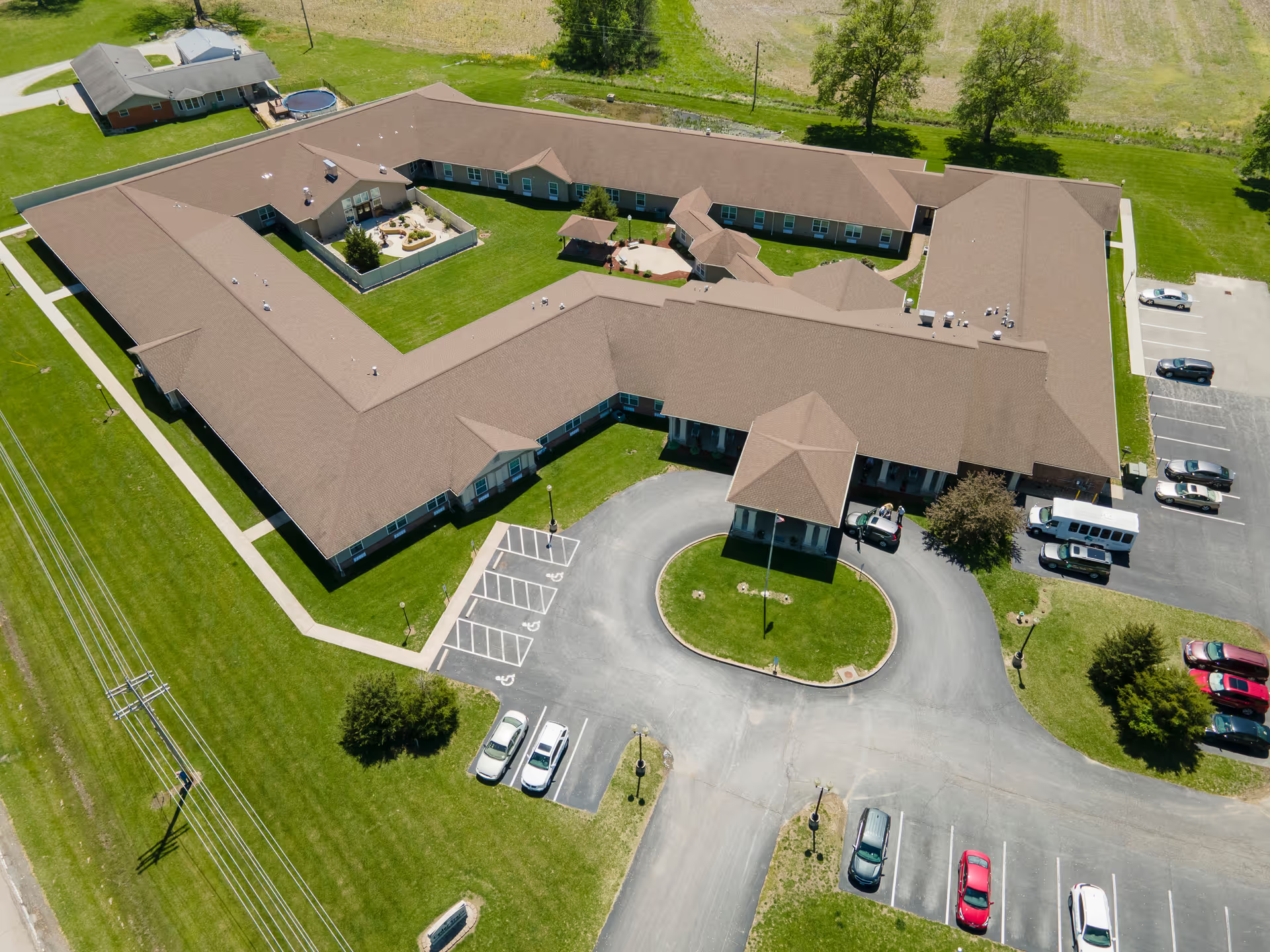
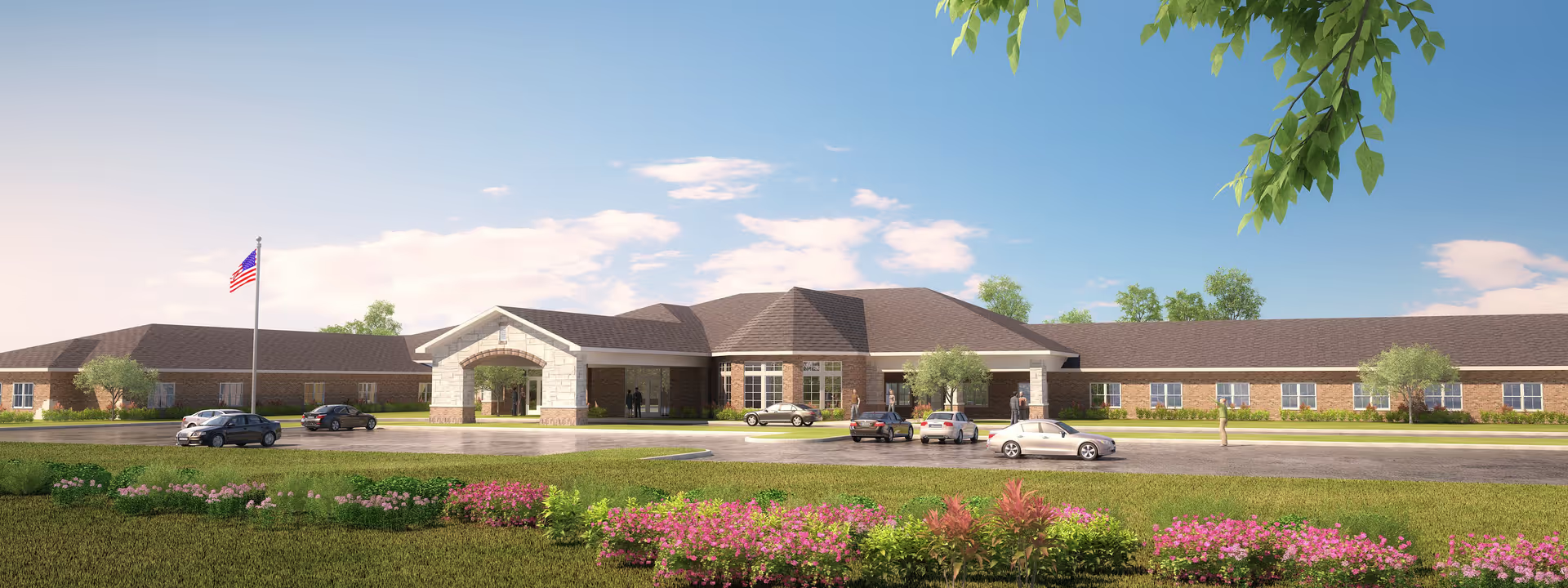
Activity programming and facilities receive positive comments as well. Reviewers mention regular, personalized activities (bingo and weekly events are common), a family-like community atmosphere, and on-site amenities including in-room television. The facility is commonly described as clean and odor-free, and residents are characterized as friendly—contributing to an overall sense of a welcoming living environment.
Contrasting these positives, several reviews describe significant operational and cultural concerns. There are allegations of discriminatory treatment directed at residents and staff, and at least one reviewer referenced regulatory involvement related to those concerns. Reviewers also describe staffing pressures and tensions with agency nurses: understaffing, high workloads, and restrictive or punitive policies that affect morale and working relationships. Specific practices noted by reviewers that reflect broader operational patterns include intrusive monitoring and strict break/time-management approaches, which some staff report as negatively affecting workplace climate.
Clinical-safety perceptions are mixed. Infection-control efforts are praised in several accounts—reviewers credited staff with keeping residents safe during infectious outbreaks. At the same time, there are concerns following a resident’s infection-related decline and death; these accounts point to perceived gaps in clinical oversight and follow-up communication in at least some cases. Taken together, the material suggests that while everyday care and rehabilitation can be strong, families should seek clear information about clinical oversight, incident response, and staffing ratios.
For prospective residents and families: consider touring the facility, meet care and therapy staff, observe activities, and ask direct questions about staffing levels, agency-staff policies, diversity and non-discrimination procedures, staff monitoring practices, and how clinical incidents and family communications are handled. These steps can help weigh the noted strengths in caregiving and therapy against the serious culture- and staffing-related concerns raised by other reviewers.