Robin's Nest is described consistently as a small, high-end, family-style assisted living option that emphasizes personalized care. The facility's small size (commonly six residents per home) and favorable staff-to-resident ratio underpin most positive comments: families and residents cite attentive, compassionate caregivers, 24/7 presence of staff, and ease of communication with management and clinicians. The ownership model that includes house-call physicians is highlighted as a clinical strength that supports ongoing medical updates and coordination.
Dining and daily life are positioned as homelike and social. Reviewers note home-cooked meals served family-style, private bedrooms that can be furnished with residents' own belongings, and regular communal dinners that contribute to a family atmosphere. The activities program includes reading groups, crafts, physical therapy, and other social options; additional on-site services such as hair salon access and assistance with virtual family visits are also available and appreciated.
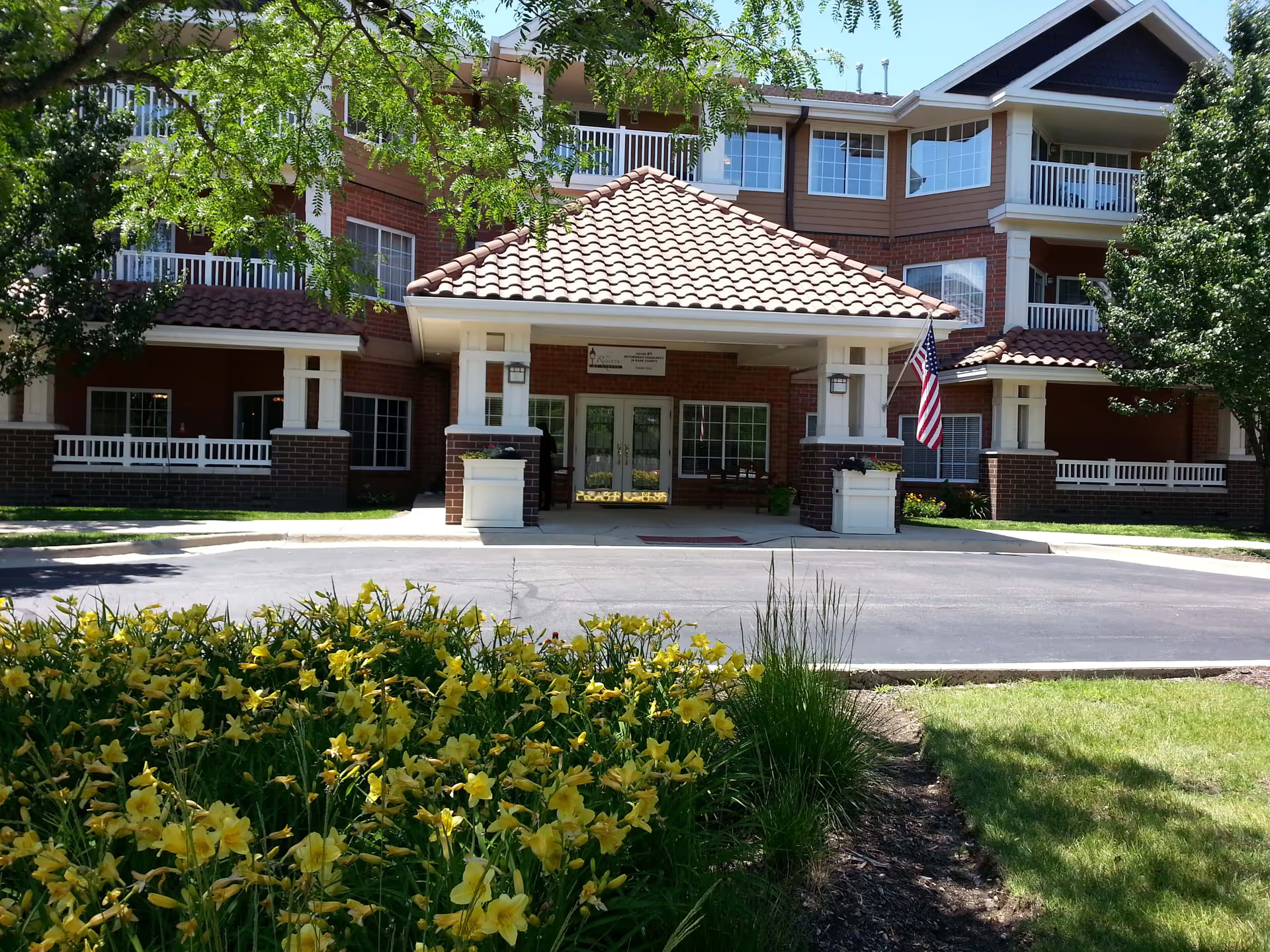
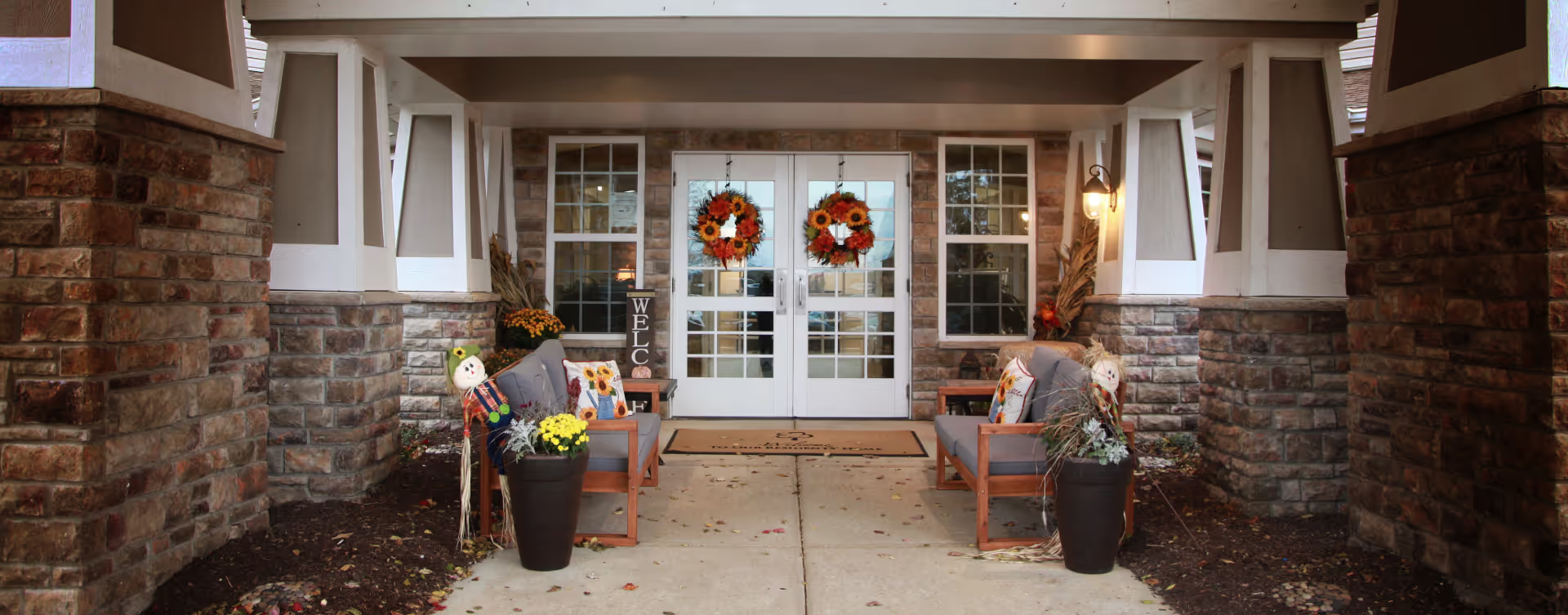
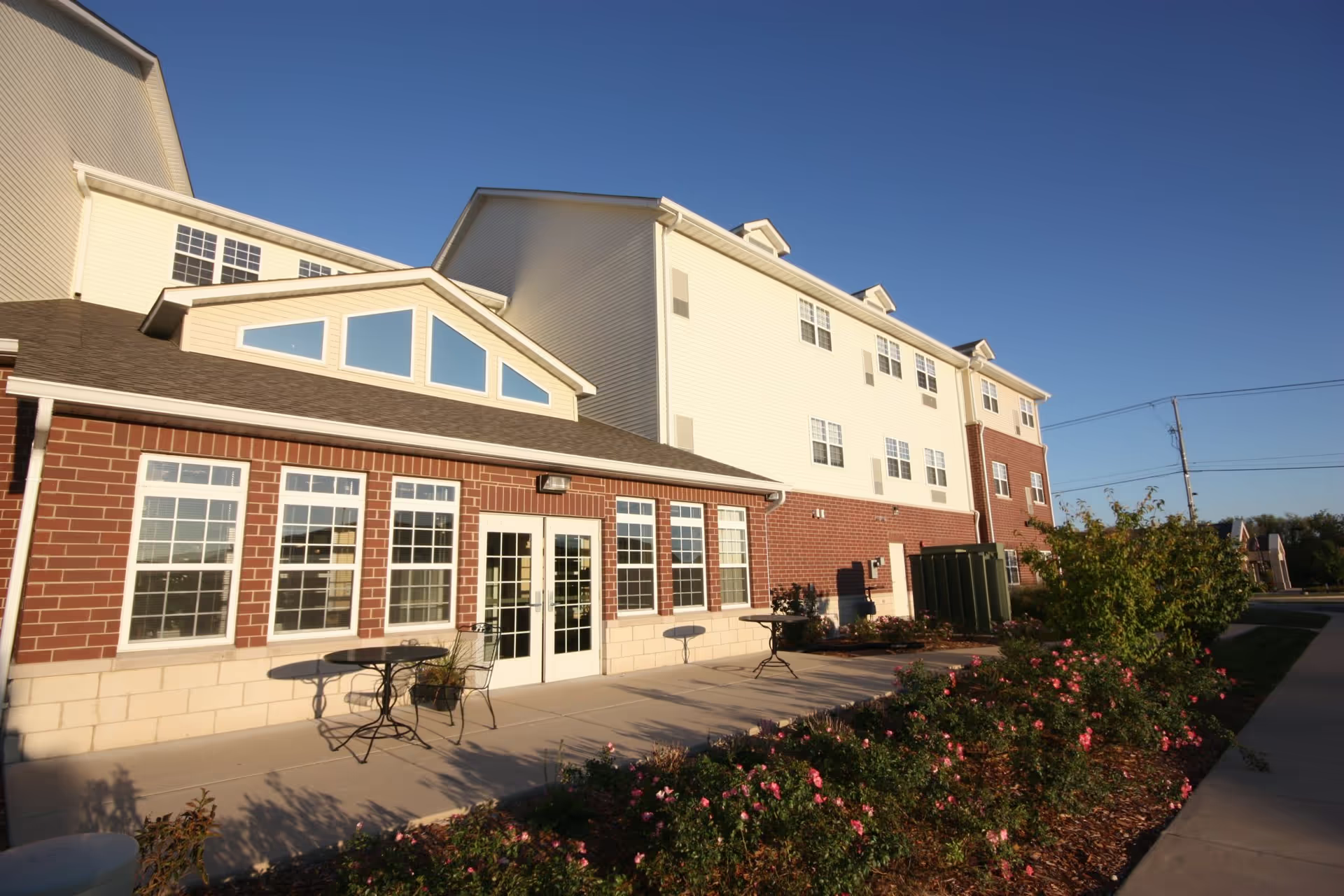
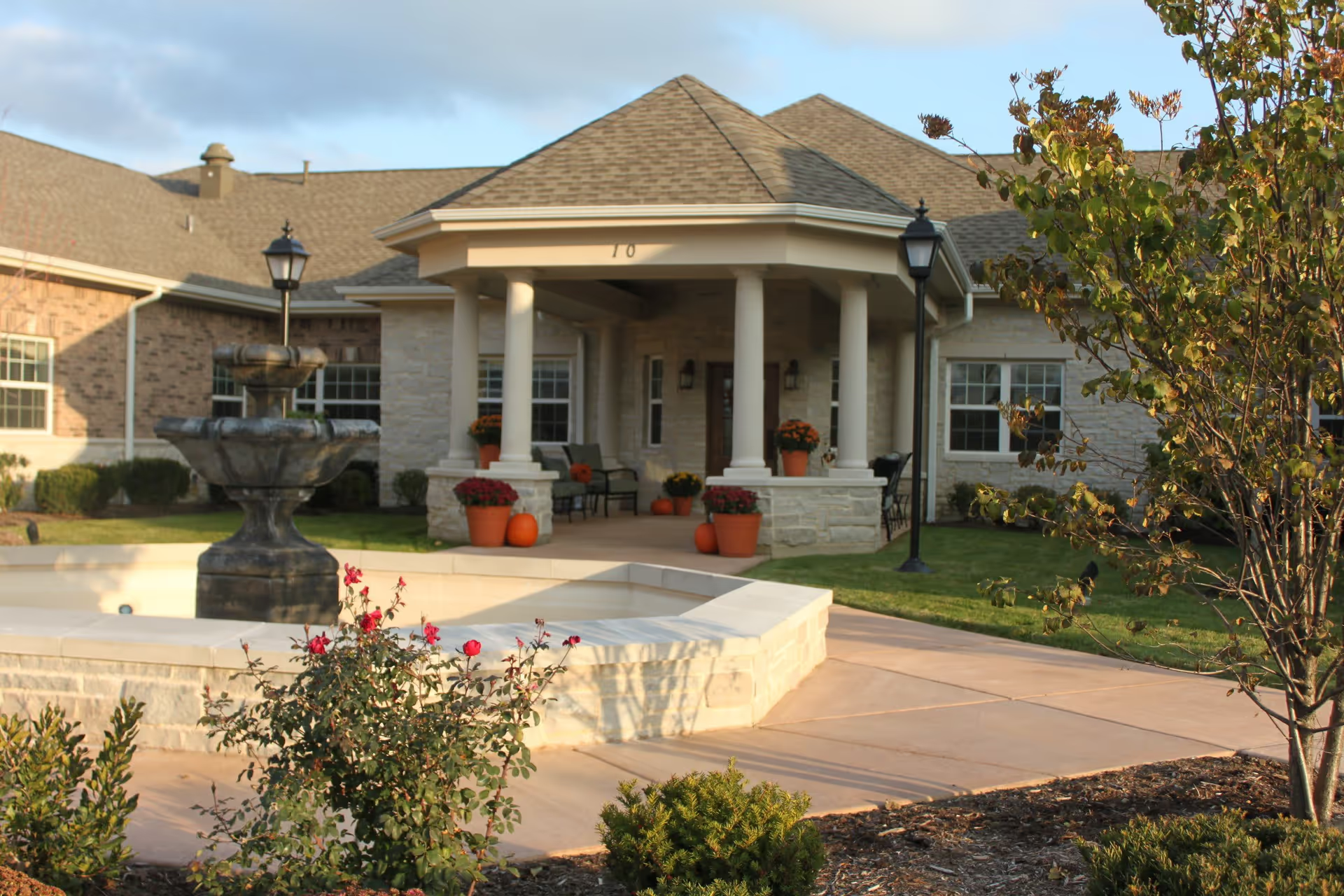
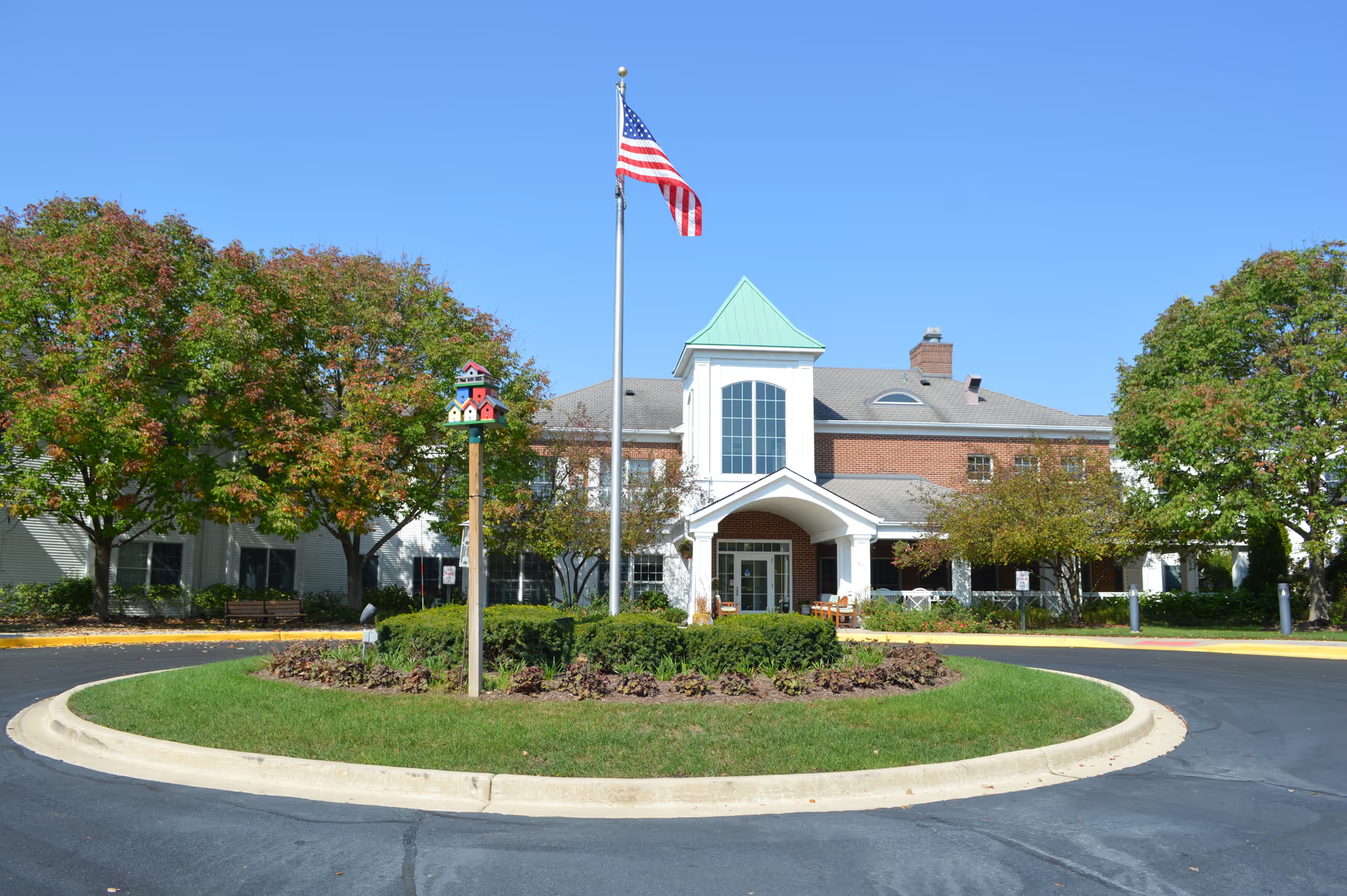
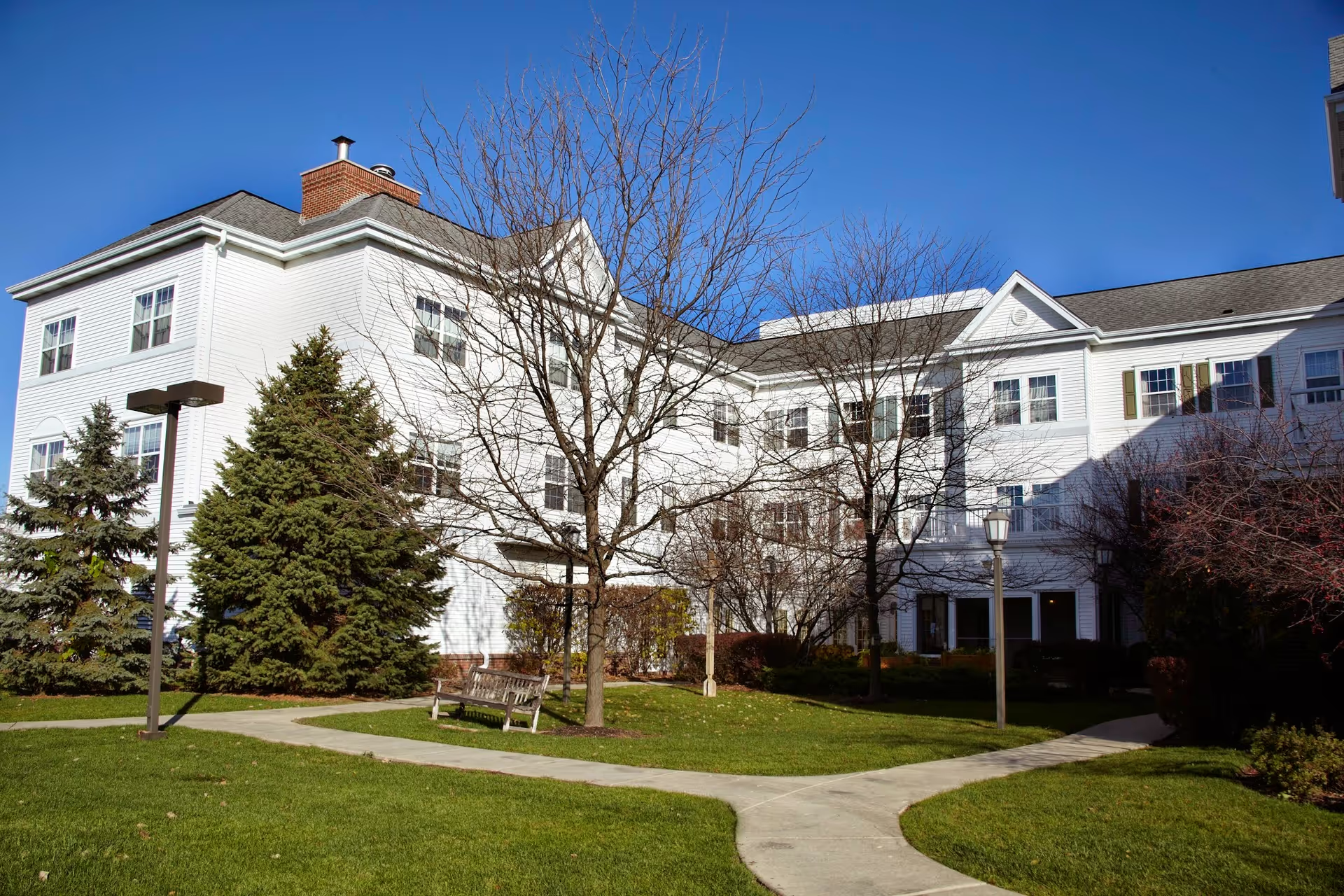
Facilities are described as elegant, well-maintained single-family homes in quiet residential neighborhoods. Many reviewers compliment the high-end finishes and conscientious housekeeping. At the same time, the physical design—most notably a two-story floor plan—creates accessibility challenges for residents with mobility impairment or dementia. This structural characteristic raises fall-risk concerns and limits single-level placement options for those who need it.
Operationally, families report strong communication and a sense of safety, yet a few operational patterns merit attention. There are intermittent sanitation and odor concerns noted for some common areas, which suggests opportunities to standardize environmental-maintenance protocols. While overall staffing levels are framed positively, a few comments imply potential constraints during periods of higher care needs; given the small size and limited bed count, capacity and staffing flexibility can become limiting factors. Cost is another consistent theme: the facility is positioned above many larger institutional alternatives, and while many families judge it worth the premium, the higher price point is a clear trade-off.
In sum, Robin's Nest presents as a boutique, clinician-linked assisted living option that prioritizes individualized, homelike care and strong family communication. It is likely to suit prospective residents and families who value a high-touch, small-community setting and are able to accommodate the facility's cost and physical layout. Prospective residents with significant mobility or single-level needs should clarify room availability and transfer-safety practices, and families may wish to ask about environmental-maintenance protocols and contingency staffing plans before placement.