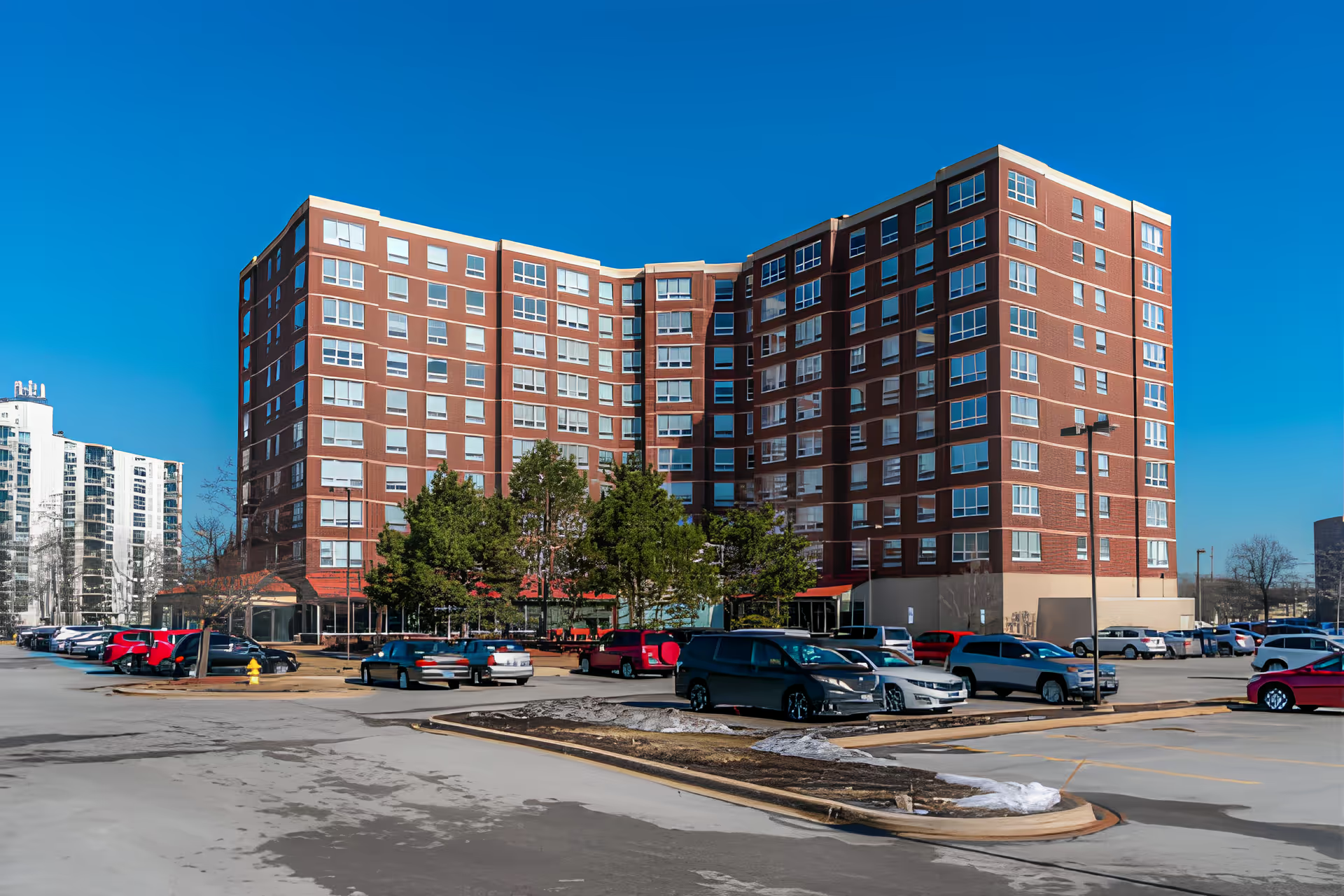
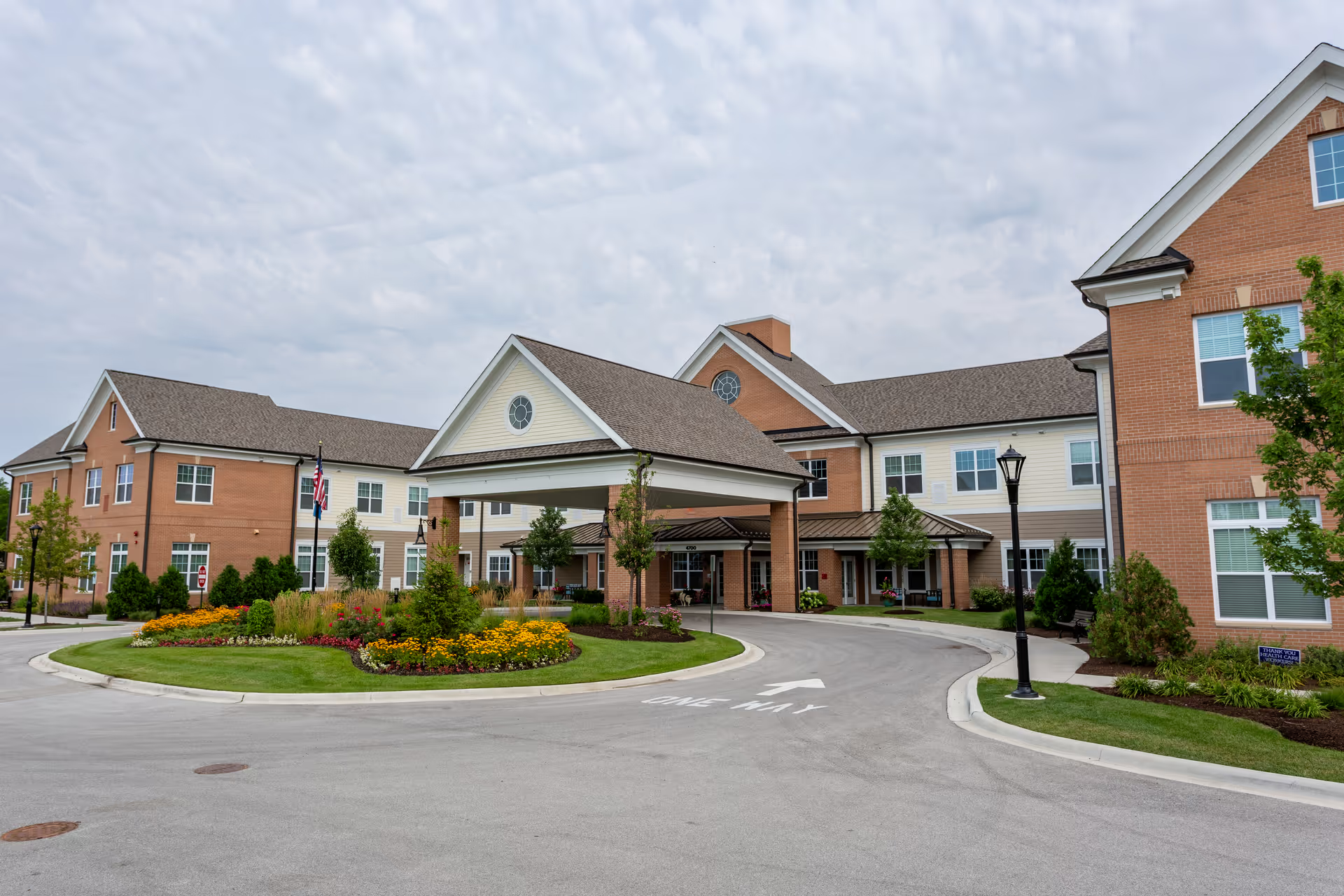
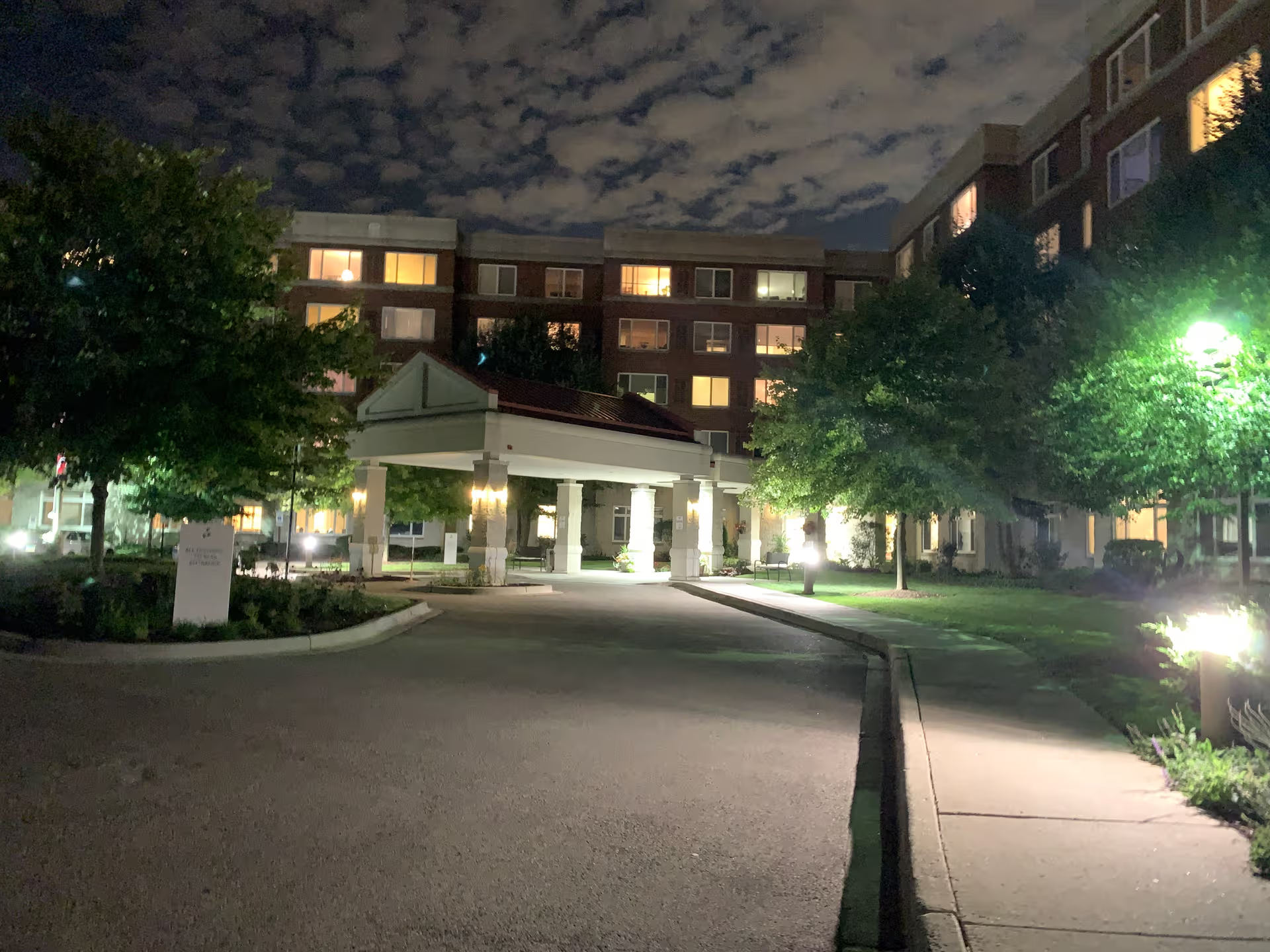
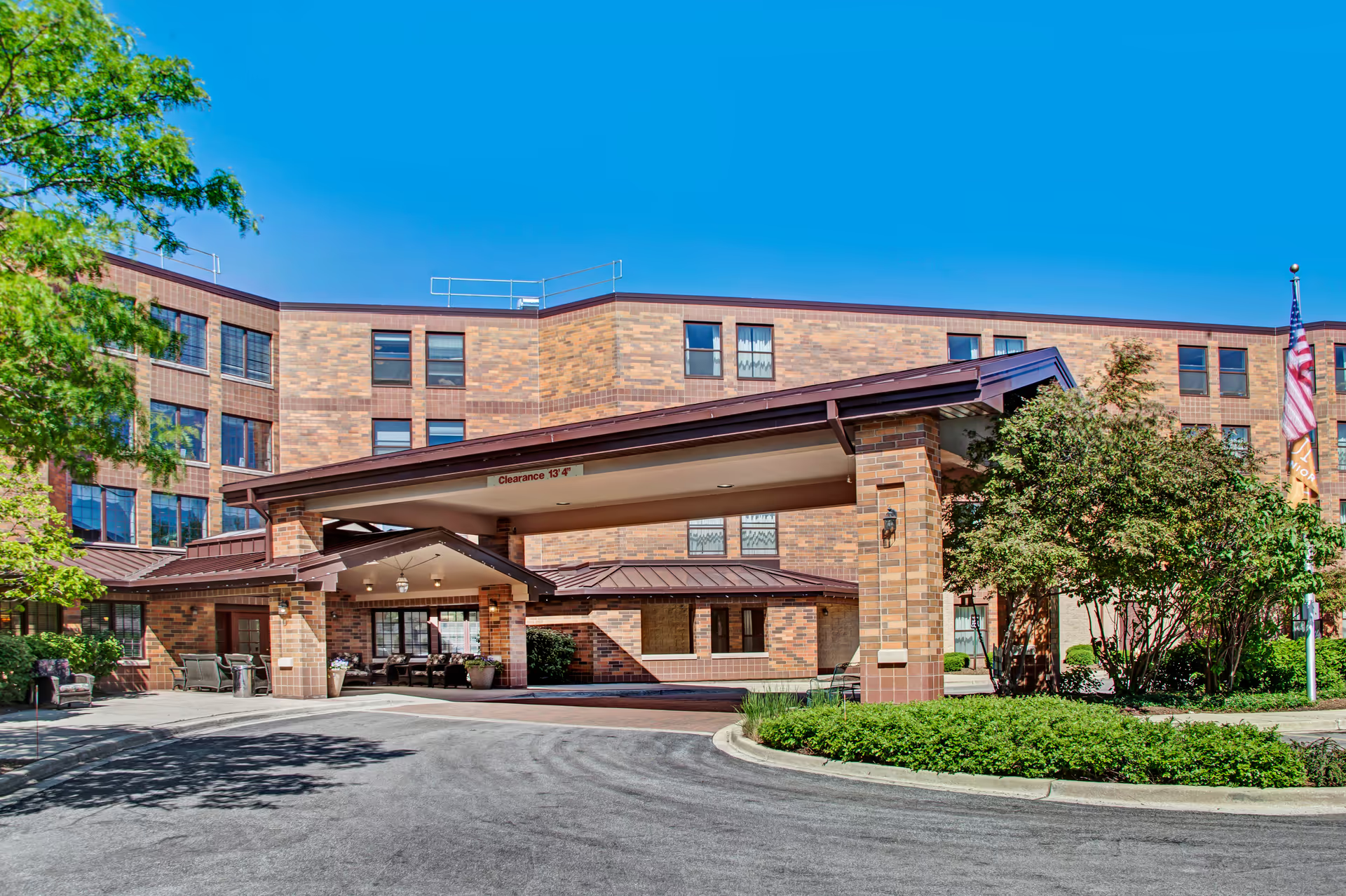
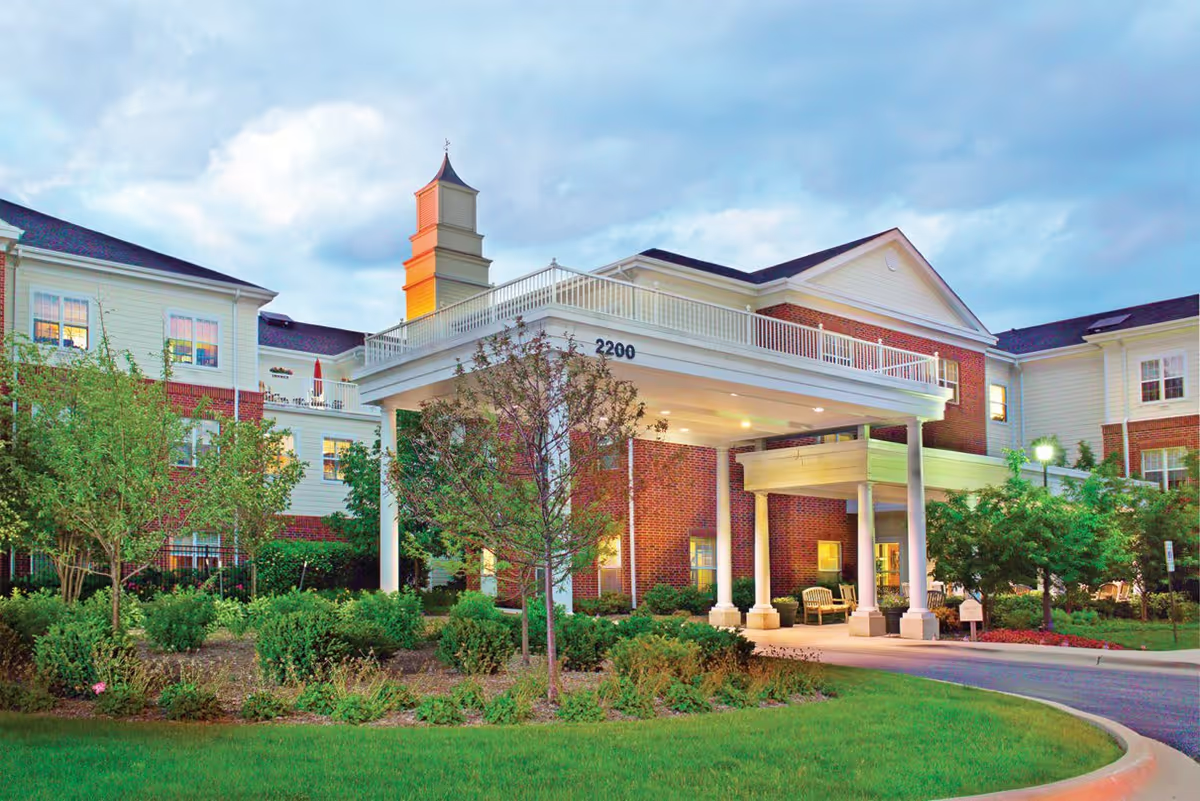
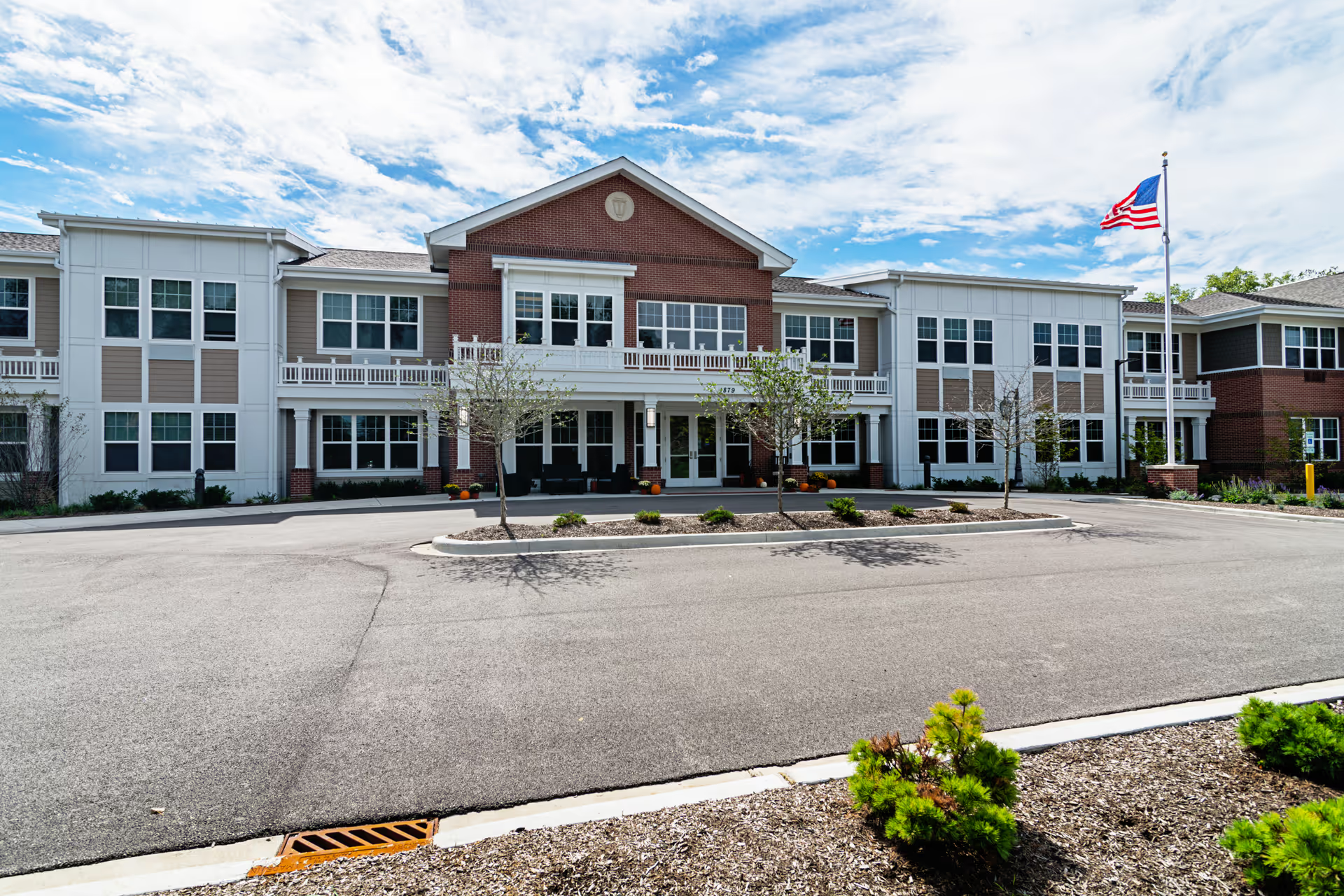
Elevate Care Abington presents a mixed but distinct profile: many families and clinicians praise its rehabilitation services, hands-on caregivers, and recently refreshed facility spaces, while an overlapping set of operational issues has produced variability in day-to-day resident experience. The facility's strengths are concentrated in therapy/rehab outcomes, social work and concierge support, and a number of consistently named staff who provide compassionate, family-style interactions. Physical spaces — including a well-equipped therapy gym, attractive dining areas, private rooms, and pleasant outdoor features like a backyard and bird room — are frequently identified as positives.
Clinical care quality shows a dual pattern. Reviewers commonly note competent wound care, central-line management, and complex-clinical capabilities, and many describe timely, attentive nursing and effective physical/occupational therapy that supported recovery. At the same time, there are recurring operational concerns: medication-administration errors or delays, gaps in discharge medication coordination, and inconsistent follow-through on physician or family instructions. Prospective families should ask specific questions about medication protocols, handoffs, and discharge procedures when evaluating placement.
Staffing and communication are polarizing themes. Numerous comments praise individual nurses, CNAs, therapists, and support staff for professionalism, compassion, and clear family updates. Conversely, other accounts describe staffing shortages, heavy use of agency personnel, longer response times to call lights, and variability in staff conduct and communication tone. These differences appear to be shift- and unit-dependent; families may find it useful to inquire about staffing ratios, agency-staff frequency, and typical response-time metrics for the unit under consideration.
Dining and nutrition receive mixed feedback. The facility's nutrition team and pleasant dining environment are praised in some accounts, including flexibility for special diets and well-run meal service in certain cases. However, other comments highlight bland or inconsistent meals, failures to adhere to prescribed texture or therapeutic diets, and kitchen-quality concerns. If dietary needs are a priority, request menu samples, meal-service schedules, and diet-adherence policies.
Activities, social programming, and amenities are consistently cited as strengths. Organized events, visiting performers, libraries, and therapist-led activities contribute to resident engagement, and social work involvement is often described as supportive. Facility cleanliness and aesthetics are frequently commended, though there are intermittent reports of older rooms with maintenance issues and localized sanitation or odor concerns. Prospective visitors should tour multiple resident rooms and common areas at different times of day to assess consistency.
Management responsiveness and administrative practices show variability. Admissions staff, guest relations, and certain administrators receive positive mention for helpfulness and clear communication. Conversely, there are repeated complaints about billing transparency, delayed refunds, and lapses in tracking or returning personal items. Safety-monitoring gaps (for example, inconsistent availability of safety equipment and variable incident communication) are also noted and merit direct inquiry during evaluation.
In summary, Elevate Care Abington offers solid rehabilitation services, many dedicated staff members, and attractive communal spaces, but families should be mindful of operational variability across staffing, medication handling, personal-care schedules, dining consistency, and administrative processes. For a prospective placement, recommended steps include an in-person tour during multiple shifts, targeted questions about staffing ratios and agency use, review of medication and discharge procedures, discussion of dietary accommodations, and clarification of billing and personal-property policies.