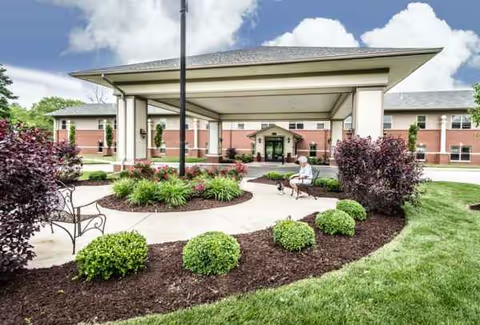
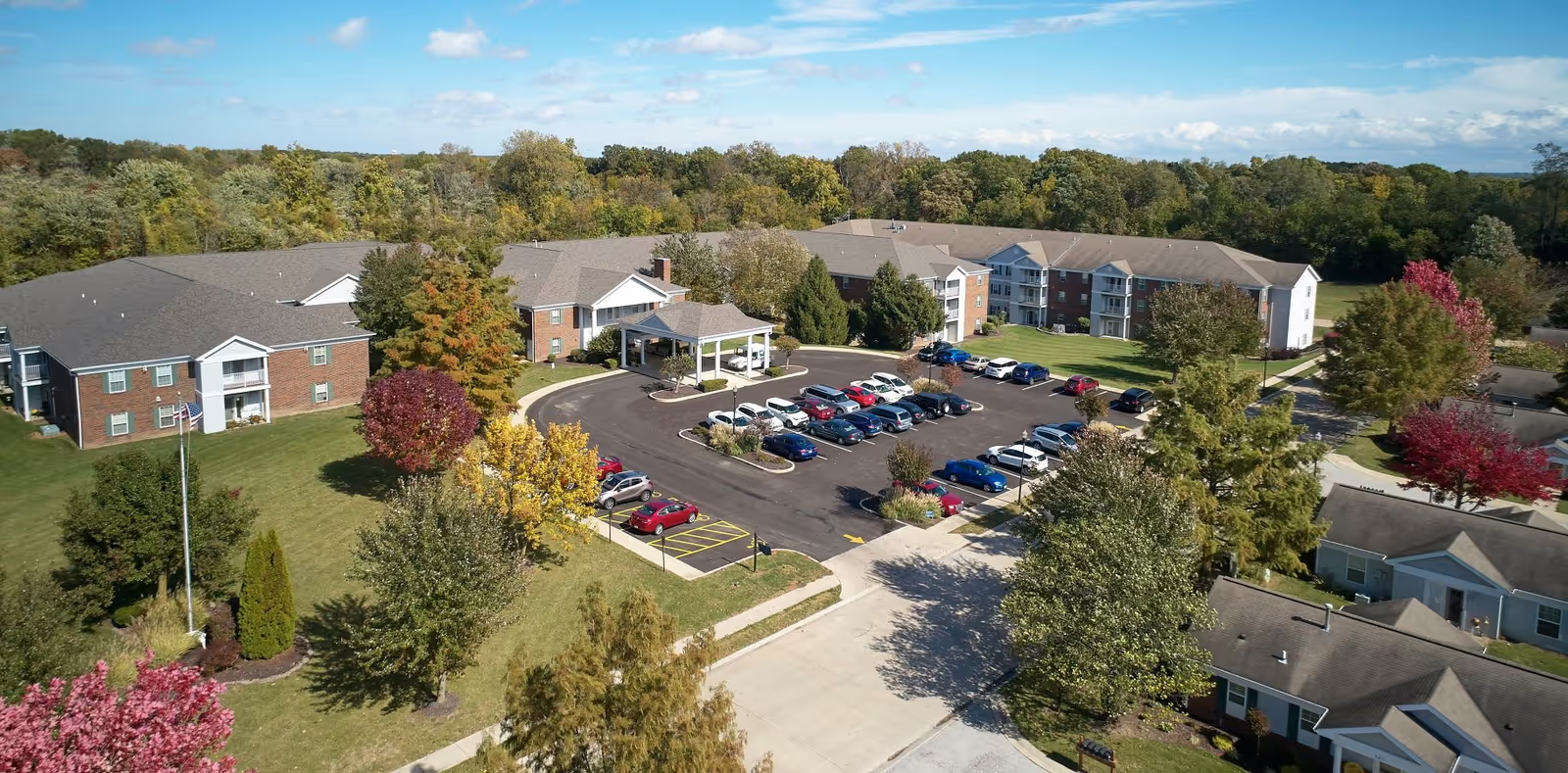
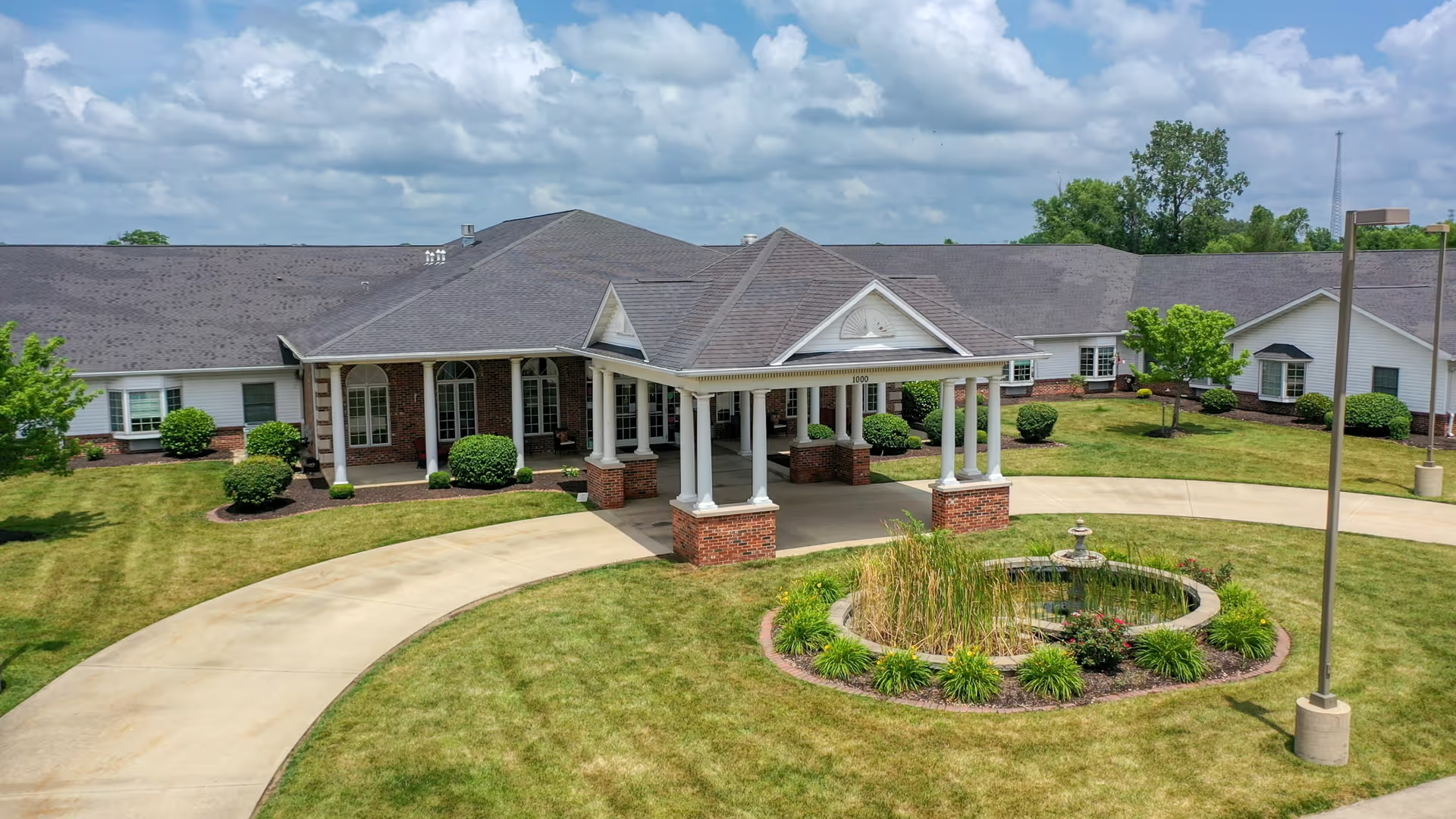
The reviews for BRIA of Godfrey present a mixed picture with clear strengths in clinical rehabilitation and a small-community, family-style environment, alongside recurrent operational and safety concerns. Many comments highlight the facility’s ability to provide skilled nursing and intensive therapy services: daily physical/occupational therapy, individualized one-on-one sessions, and an effective rehab-to-home focus that helped several residents regain function. Reviewers also describe a warm, welcoming atmosphere among frontline staff and a flexible visitation approach that families appreciated.
Care quality is uneven in the accounts. Positive experiences emphasize attentive, skilled therapy and 24-hour clinical coverage. However, multiple accounts raise concerns about medication administration timeliness and pain-management responsiveness. These suggest potential gaps in medication management workflows and in how clinical staff prioritize and communicate about pain control.
Staff behavior and interpersonal communication appear variable. Many reviews praise compassionate staff members who provide supportive, family-like caregiving and go above and beyond. At the same time, others describe problematic interactions, including abrupt or confrontational communication and perceived inequitable treatment of residents with complex diagnoses. This pattern points to inconsistency in staff conduct and potential needs for improved staff training, supervision, and conflict-resolution practices.
Dining, housekeeping, and environmental services are recurring areas of concern. Several accounts indicate inconsistent meal-service practices and issues with sanitation and odors in some areas. Reviewers also cite pest-control problems and room-level maintenance issues — broken furniture, exposed electrical hazards, and uneven room comfort — as operational weaknesses. These items collectively suggest gaps in routine maintenance, environmental services, and infection-prevention controls.
Facility systems and management emerge as an important theme. Reports of unreliable heating and cooling, visible safety hazards, and unresolved sanitation or pest-control problems point to maintenance and facilities-management shortcomings. Coupled with comments about management tolerating staff conduct issues or being slow to address family concerns, these observations indicate potential deficiencies in oversight and accountability. A few reviewers also referenced regulatory or legal concerns, suggesting that prospective families should review recent inspection histories and corrective-action records.
In summary, BRIA of Godfrey demonstrates clear strengths in rehabilitation services, personalized therapy, and a small, welcoming community feel. Prospective residents and families should weigh those strengths against documented operational issues: environmental controls, cleanliness and pest control, maintenance and safety hazards, meal-service reliability, and variability in staff conduct and medication timeliness. Visiting the facility, observing care practices, reviewing state inspection reports, and asking about specific corrective actions and staff training policies will help families assess whether the facility’s clinical strengths align with their expectations for safety and day-to-day living conditions.