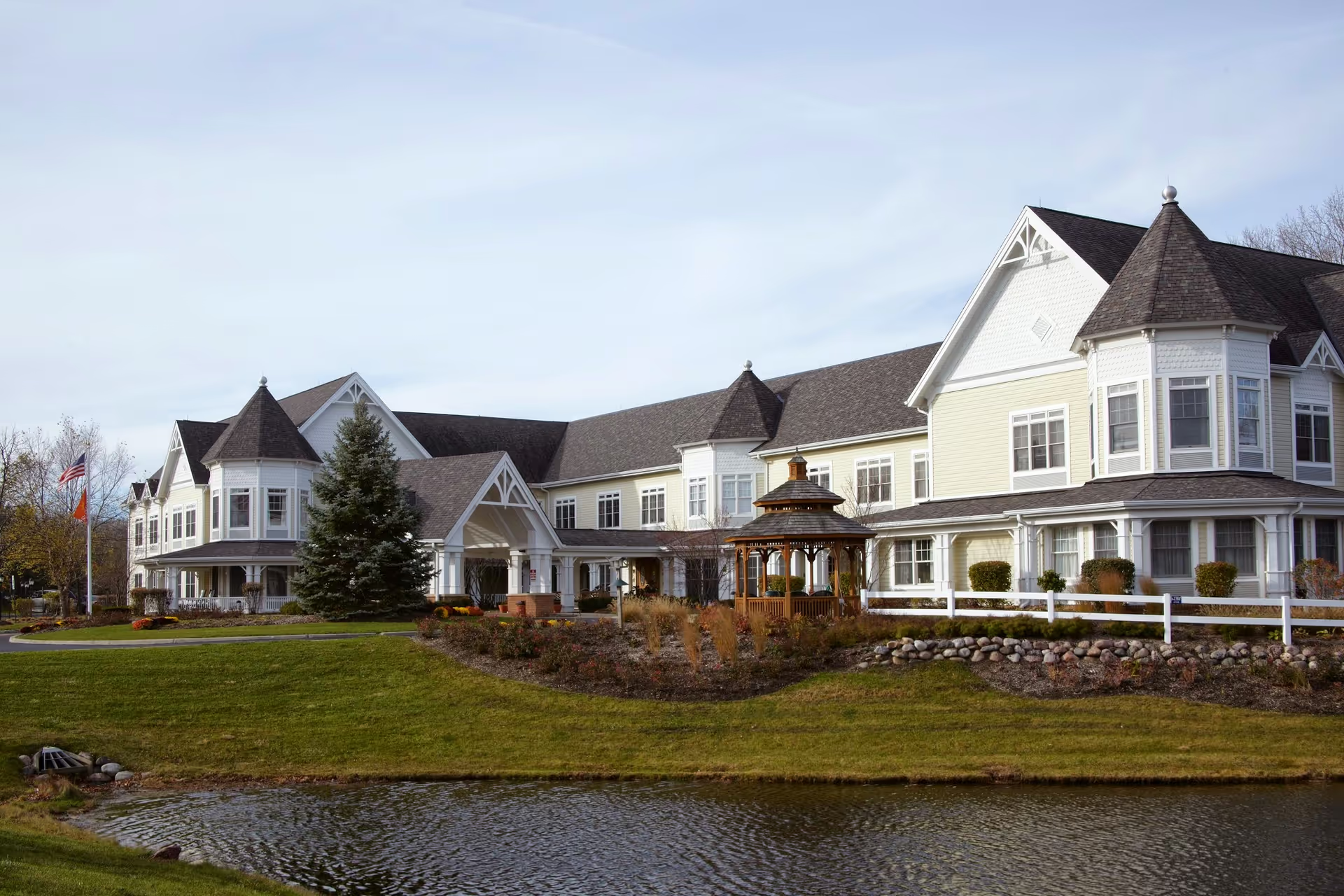
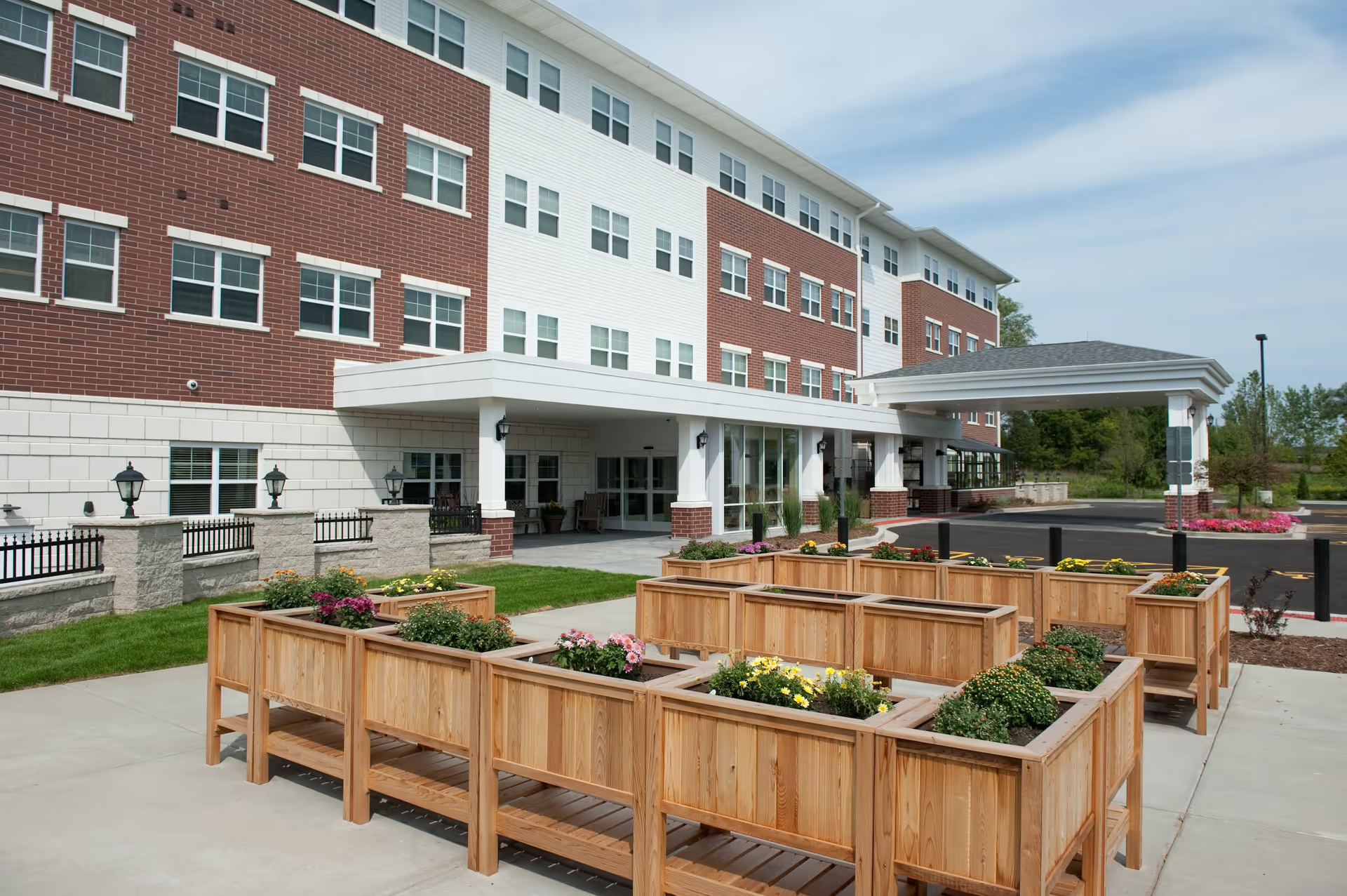
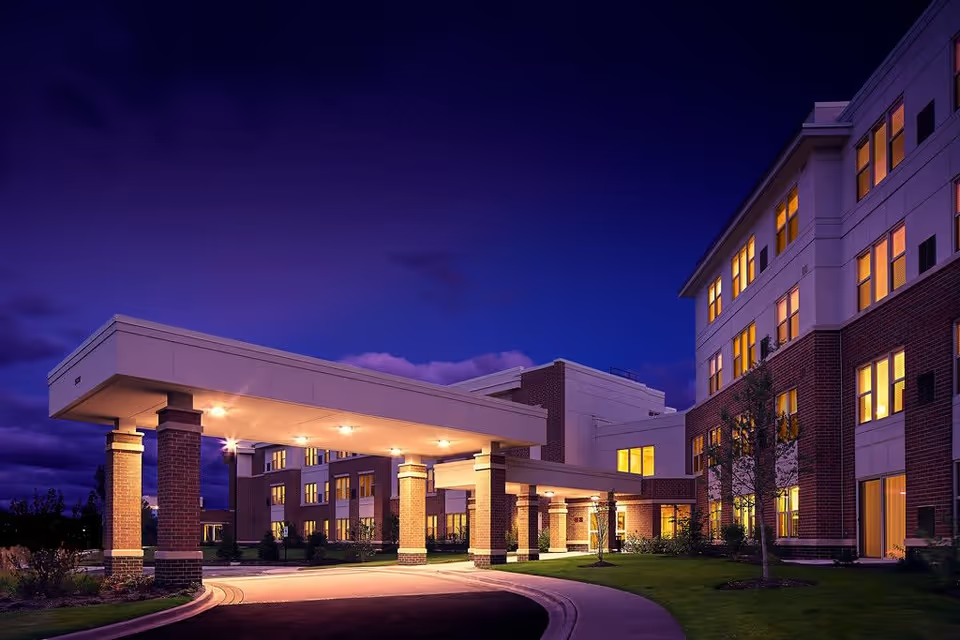
Alto Grayslake elicits strongly polarized impressions: many families and visitors describe a bright, hotel-like building with active programming, welcoming staff, and a variety of amenities, while others describe operational gaps that have meaningfully affected care and family trust. The physical plant and on-site offerings are consistently praised — reviewers cite modern rooms, outdoor gardens and courtyard, a greenhouse and rooftop space, a movie theater, library, and pleasing forest views. Housekeeping and maintenance are often described as responsive when staffed, and the dining program receives frequent compliments for flavor, variety, and staff who learn resident preferences. Therapy services, exercise classes, and frequent social outings are further strengths for residents seeking engagement.
Care quality and staff conduct present a mixed picture. Numerous accounts highlight compassionate, attentive nurses, caring CNAs, and activity directors who create an engaging daily schedule and strong family events. Specific staff members and teams (dining, activities, front desk) are repeatedly praised for personalization and warmth. At the same time, a recurring operational pattern includes inconsistent staffing levels, frequent turnover, and reliance on temporary staff. These staffing issues are associated with lapses such as missed showers, uneven oral/denture care, missed medication steps or medication-administration inconsistencies, and delays in clinical follow-up. Memory-care families in particular report insufficient staffing and limited engagement on that unit, with activity levels and supervision that can differ substantially from the assisted-living floors.
Dining and activities are overall strengths but show variability. Many residents enjoy the food, holiday meals, and personalized attention from kitchen staff; others note uneven meal temperature or texture modifications and occasional continuity problems with service. Activities are a notable asset: robust calendars, themed family nights, gardening, music, bridge groups, and outings are cited frequently. However, activity availability and the skill level of leaders can be inconsistent, especially for residents on the memory-care floor, where engagement was described as limited at times.
Facility operations and management present both positive and concerning patterns. Positive impressions include responsive maintenance, visible leadership engagement from time to time, and a generally clean, bright atmosphere in common areas. Concerning operational themes include episodic sanitation and odor issues in some rooms or areas, delayed maintenance/repairs, front-desk coverage gaps, billing and administrative errors, and an inconsistent level of transparency around clinical events and staffing changes. Several families described being told services would be provided (for example, comprehensive memory-care programming or open bistro dining) that were later limited or unavailable, creating a sense of marketing–service mismatch.
Notable patterns for prospective families: the community can deliver warm, resident-centered care with strong activities and pleasant amenities when staffing is stable and leadership is engaged. Conversely, turnover, temporary staffing, and communication breakdowns have produced clinically meaningful lapses for some residents, particularly those with higher dementia or personal-care needs. Before committing, families may wish to ask specific, verifiable questions about current staffing ratios (including for memory care), medication-administration policies, sanitation and pest-control protocols, front-desk coverage, examples of recent staff retention/turnover, and to review a current activity schedule. Visiting the community at different times of day and speaking directly with clinical leadership can help clarify how consistently the facility delivers on the services highlighted in its tour and marketing materials.