Reviews cluster around two clear themes: many families praise the quality of day-to-day caregiving, the memory-care focus, facility design, and activities programming; a smaller but significant set of critiques centers on operational issues such as staffing, sanitation, personal-item security, and care-order consistency.
Care quality is frequently described as compassionate and knowledgeable. Multiple accounts highlight competent nursing and CNA teams, hands-on executive leadership, and clinical staff who understand dementia care needs. Several families describe noticeable functional improvements in residents after admission, including increased engagement and mobility. At the same time, reviewers describe variability in care consistency: understaffing, staff turnover, and the use of temporary or agency personnel are linked to uneven performance, occasional delays in completing care tasks, and gaps in following written care orders.
Dining and activities are generally positive strengths. The community offers a varied meal program with regular entrees and snacks and an active calendar of opportunities — daily exercise, music, games, and small-group activities that many residents respond to. A number of reviews emphasize individualized encouragement rather than forceful prompting during meals and activities. Conversely, there are isolated concerns about kitchen operations and meal-service reliability, and a few comments indicate slow startup or intermittent service issues during transition periods.
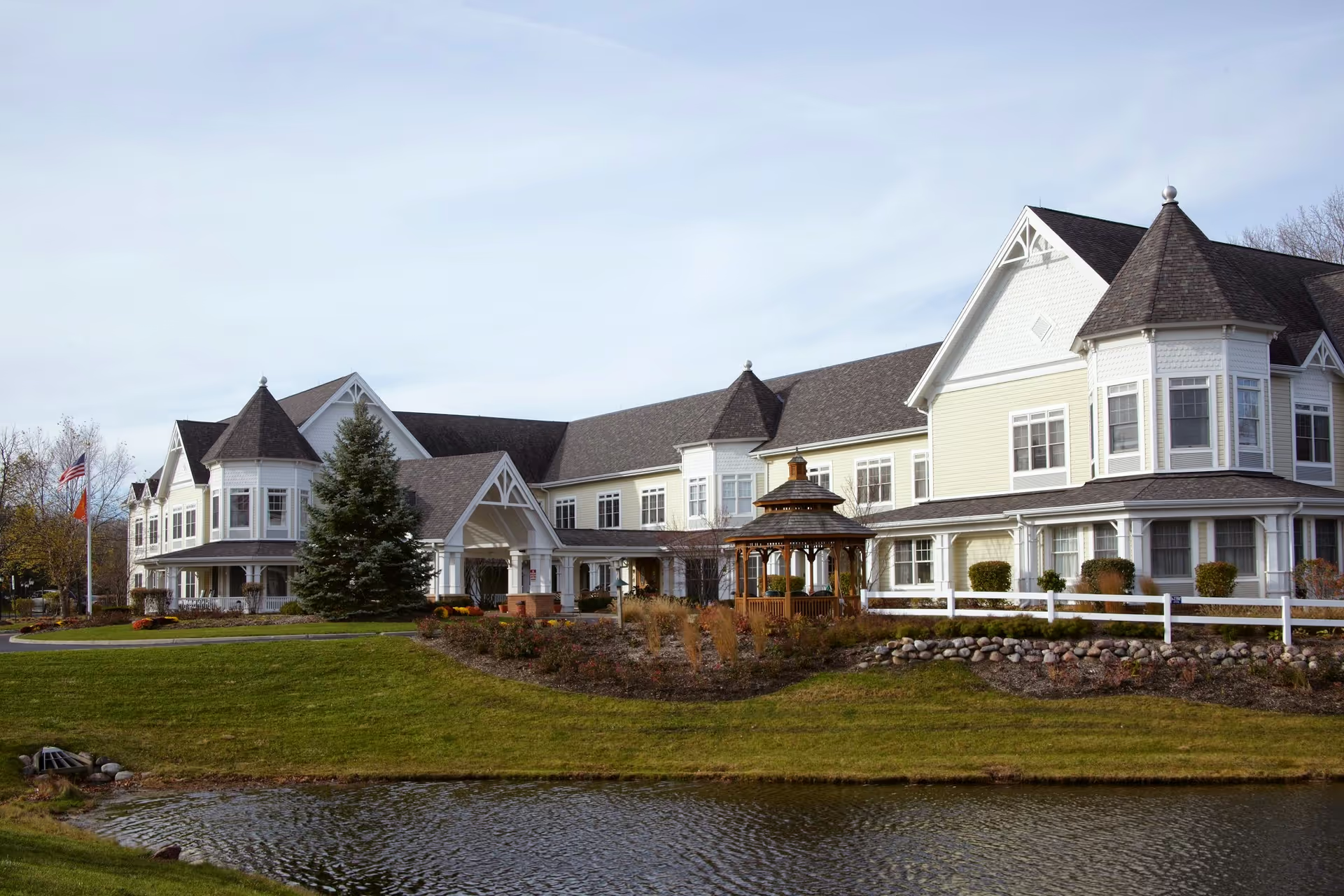
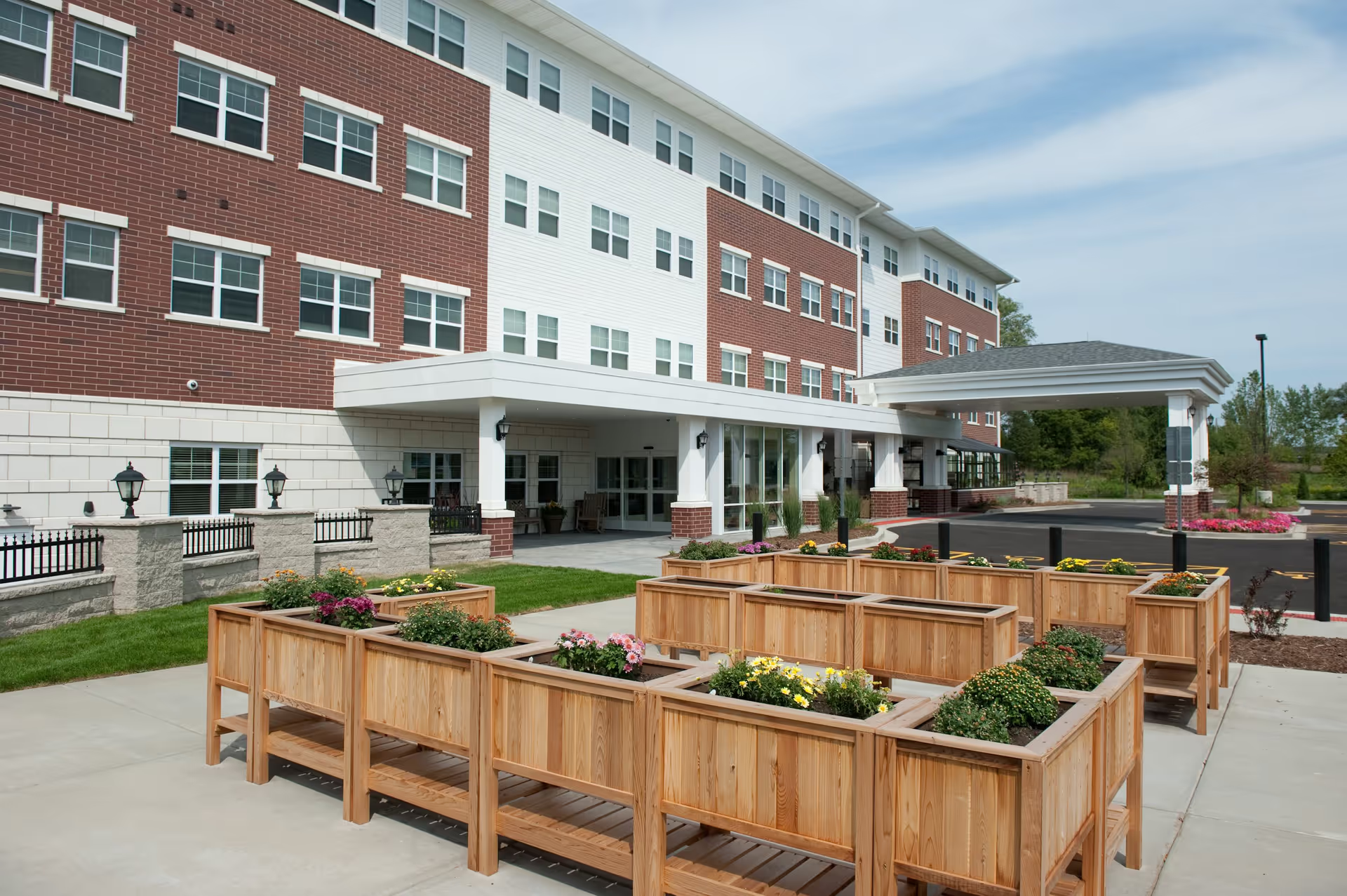
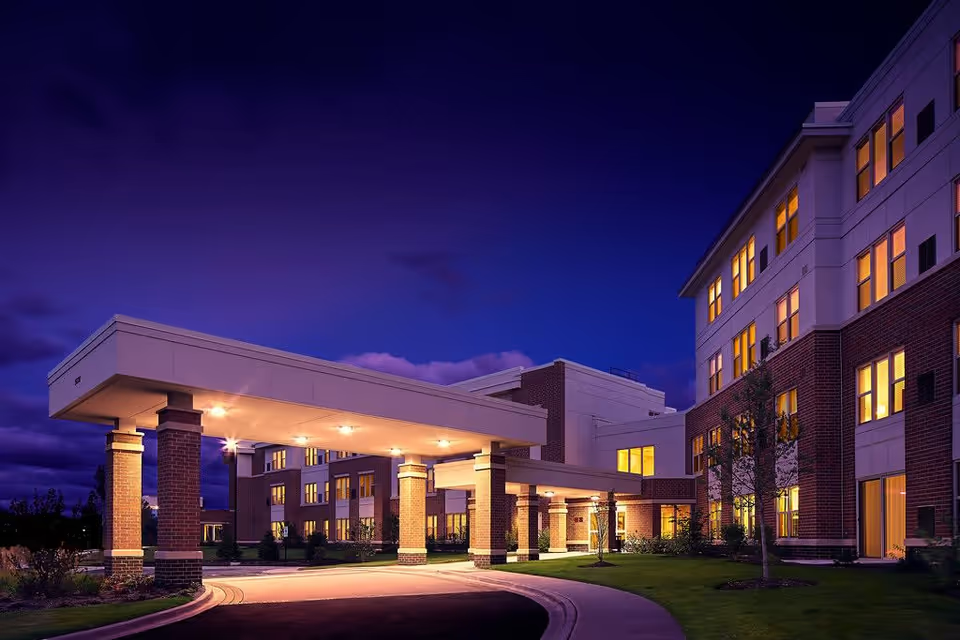
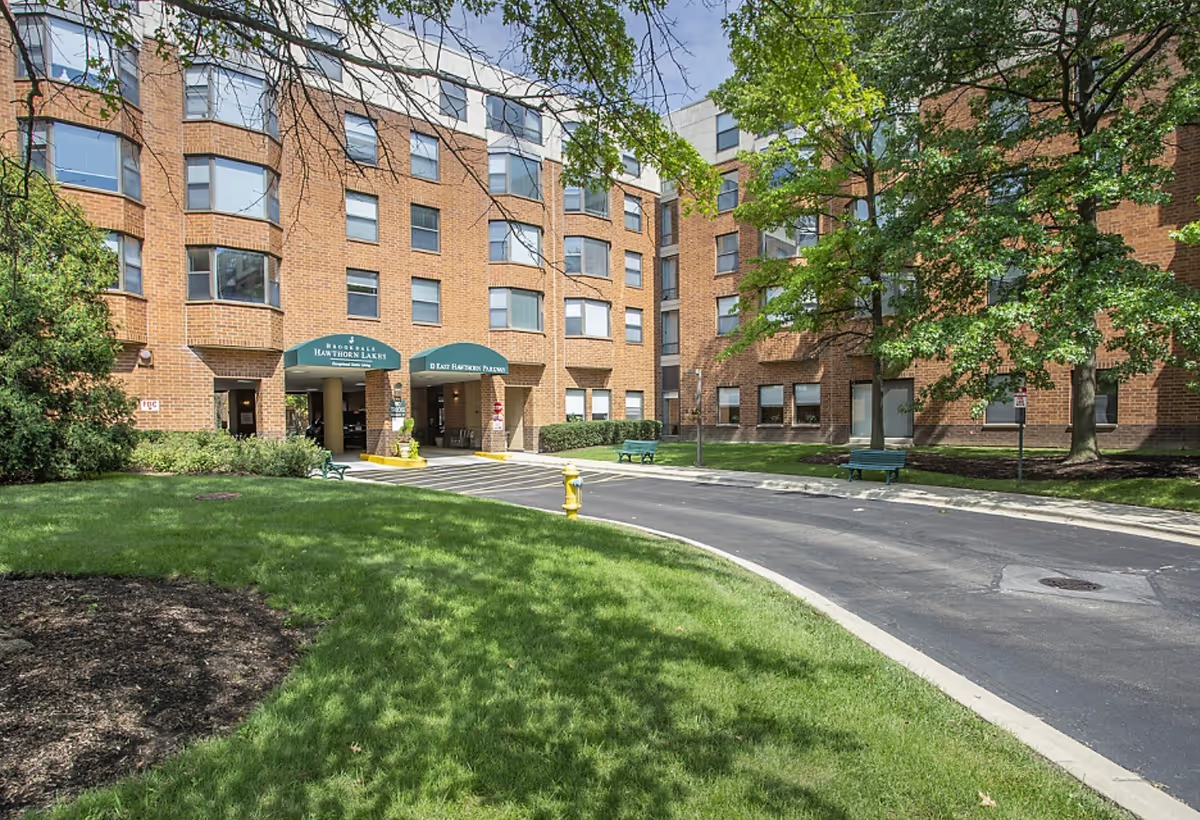
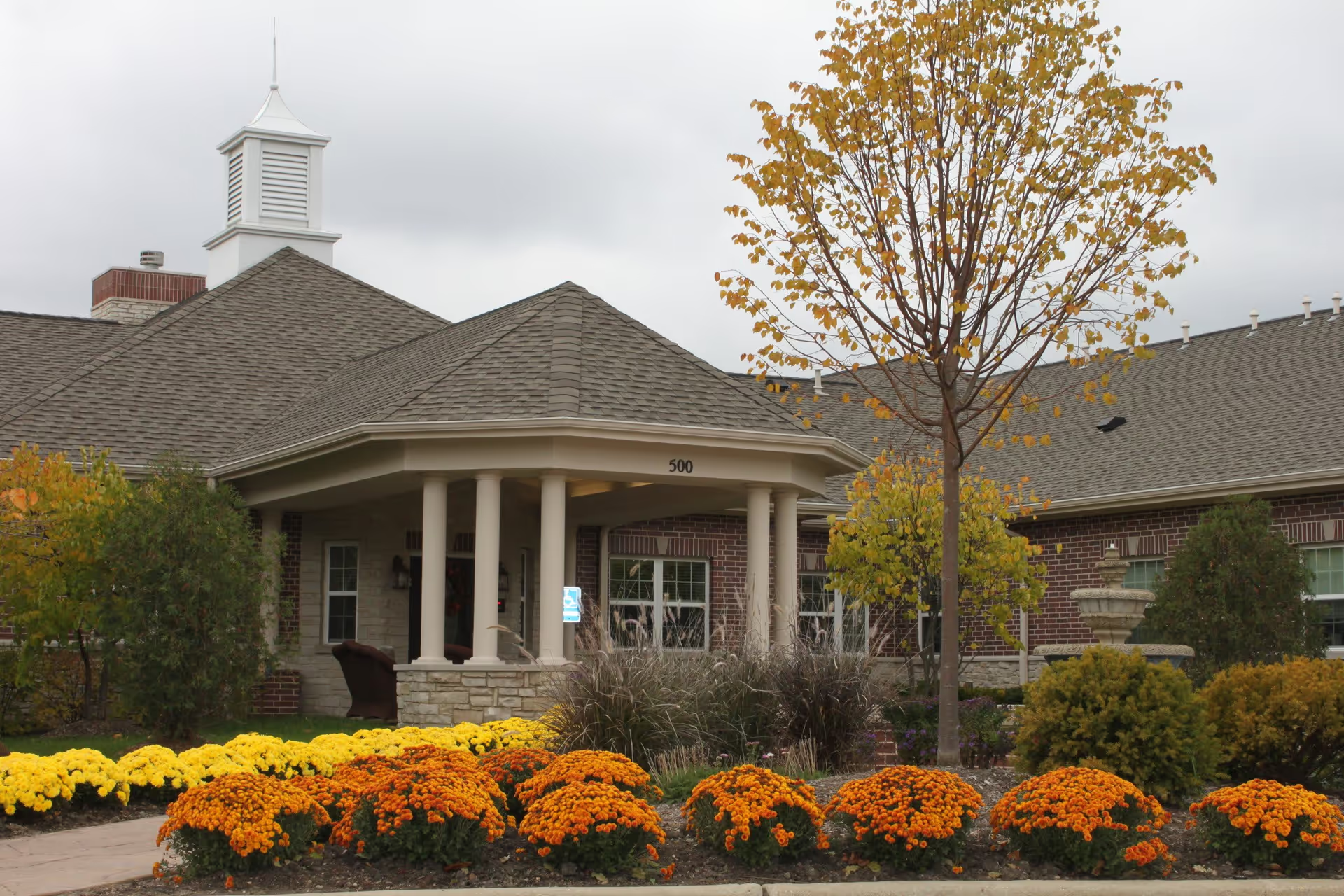
The built environment is consistently praised: a newly constructed, single-level layout with intentional colors and wayfinding, private and shared room options, patios and garden spaces, and a homelike design that supports orientation. However, a subset of comments raises sanitation concerns and inconsistent incontinence-related care in resident rooms and linens. There are also repeated accounts pointing to weaknesses in inventory controls and personal-belongings security; several families escalated missing-item concerns to outside authorities or regulators.
Management and communication receive mixed but mostly favorable notes. Executive directors and on-site leaders are frequently described as accessible, proactive, and supportive during transitions. Corporate-level involvement is noted when families sought resolution. Still, communication practices and follow-through are described as uneven by some families, particularly when operational strains exist. Prospective families should inquire specifically about current staffing ratios, turnover history, protocols for medication administration and care-order compliance, inventory/security procedures for personal items, cleaning and laundry schedules, and how the community staffs weekends and evenings. Touring during active care periods and speaking directly with nursing leadership can help clarify whether the facility’s strengths align with an individual resident’s needs.