Overall impression: Reviews present a mixed but actionable picture. Many families emphasize strong, compassionate caregiving, good therapy and wound-care outcomes, and a generally positive resident community. At the same time, several operational concerns recur — particularly around staffing levels, responsiveness, and communication — that prospective residents and families should evaluate during a visit.
Care and staff: A prominent strength described across reviews is the quality of direct caregiving. Multiple families praised caregivers and nursing staff as attentive, compassionate, and willing to go beyond routine duties. Therapy and wound-treatment services received specific positive mentions, and staff teamwork and morale were often highlighted. Conversely, the most consistent concern is understaffing and staff overwork; reviewers linked this to inconsistent responsiveness to call bells and family requests, and to uneven care quality at certain times or on particular shifts. There are also isolated but serious concerns about how clinical incidents and transfers are handled, which point to the need for clear crisis-response protocols and timely family communication.
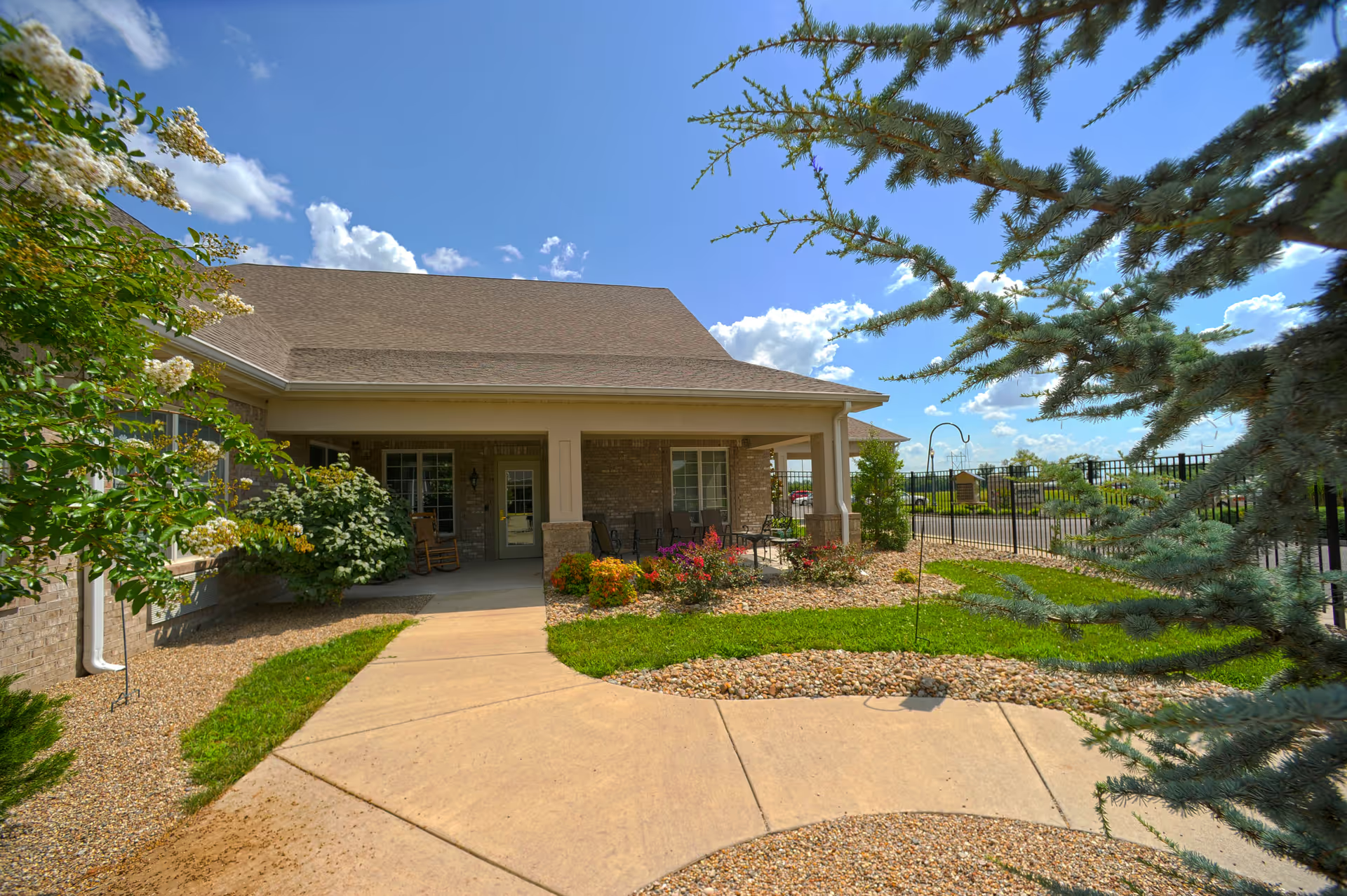
Dining, activities, and community life: Reviewers frequently described a friendly resident population and a positive atmosphere. Outdoor amenities such as gazebos were noted as well-liked features. There are few direct comments about dining specifics in the set provided; activity engagement appears favorable insofar as families described a welcoming, social environment and staff involvement. Families who appreciated the facility also mentioned volunteer opportunities and a culture that includes relatives in care conversations.
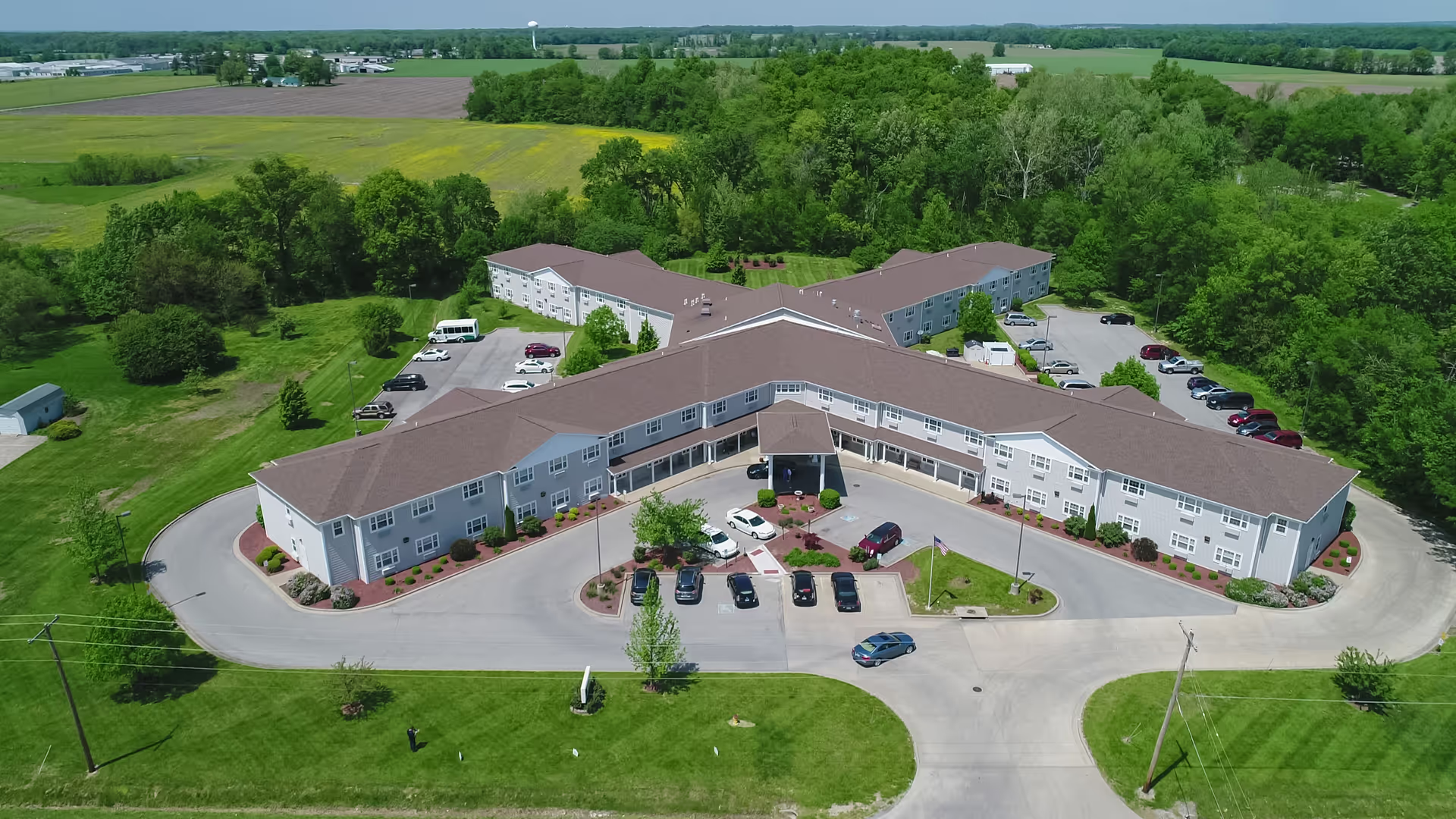
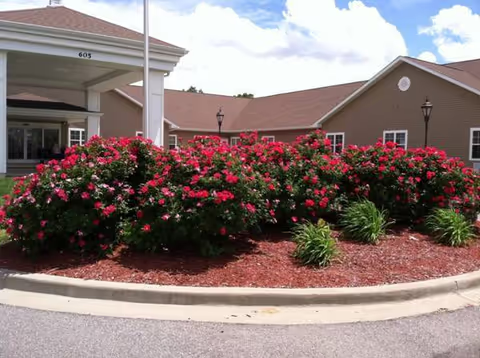
Facilities and management: The physical plant is described as older with smaller shared rooms in some units; however, common areas were described as clean and pleasantly scented. Management and some members of leadership were praised for responsiveness and supportive interactions, but other reviewers mentioned poor communication, avoidant behavior, or rude interactions from specific staff. Reviews indicate variability in administrative transparency — particularly around discharge procedures and billing — so prospective families should request written policies on transfers, billing, and incident escalation.
Notable patterns and guidance for families: The dominant positive pattern is reliable, compassionate caregiving and effective therapy services; the dominant negative pattern is operational: understaffing, uneven responsiveness, and communication gaps. Prospective residents and families should tour during different shifts, ask about staffing ratios and how the facility manages surge periods, request examples of clinical-incident protocols and family-notification procedures, and review billing and discharge policies in writing. Observing mealtimes, medication-administration routines, and common-area activity schedules can help clarify how the strengths and weaknesses described in reviews might affect daily life.