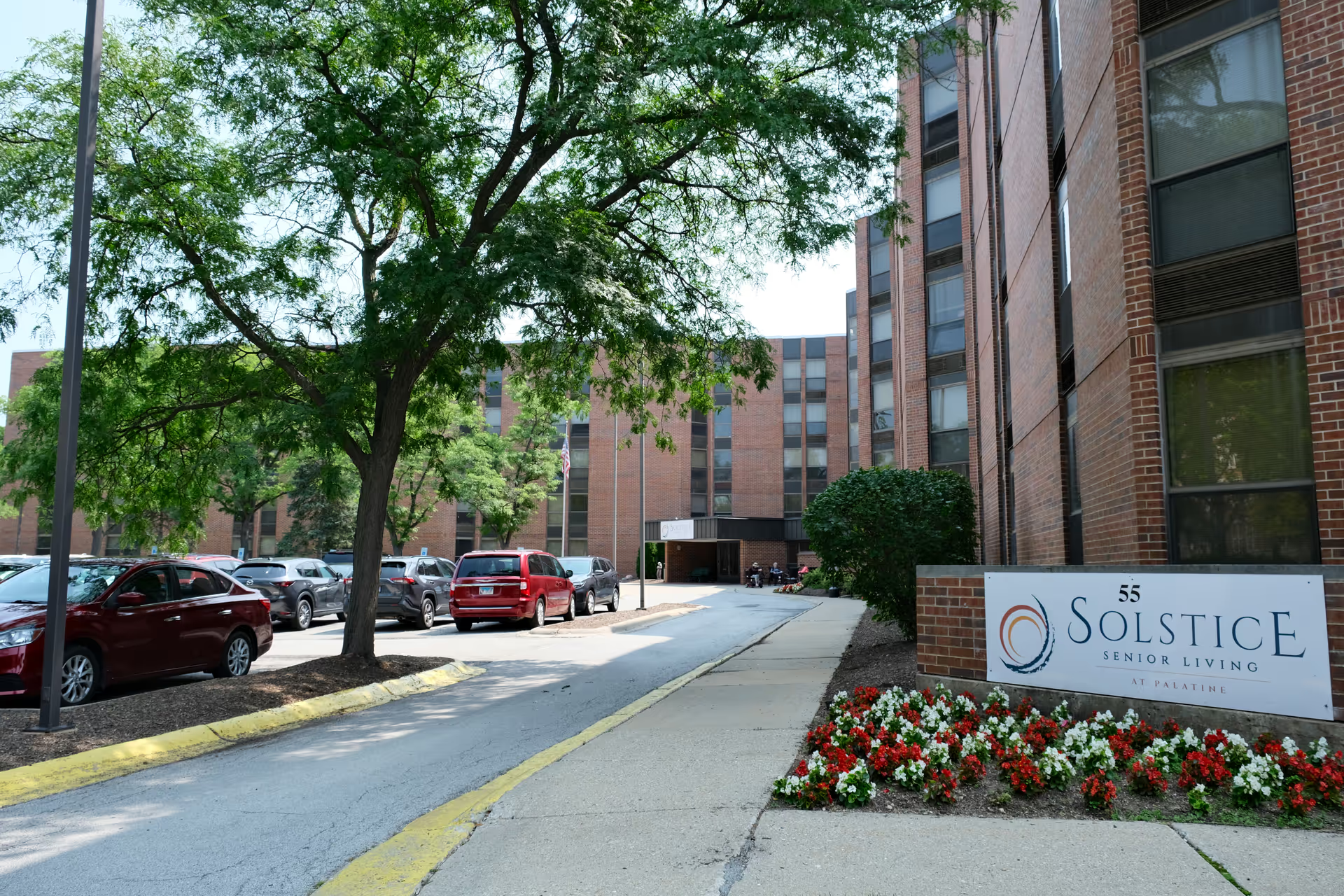
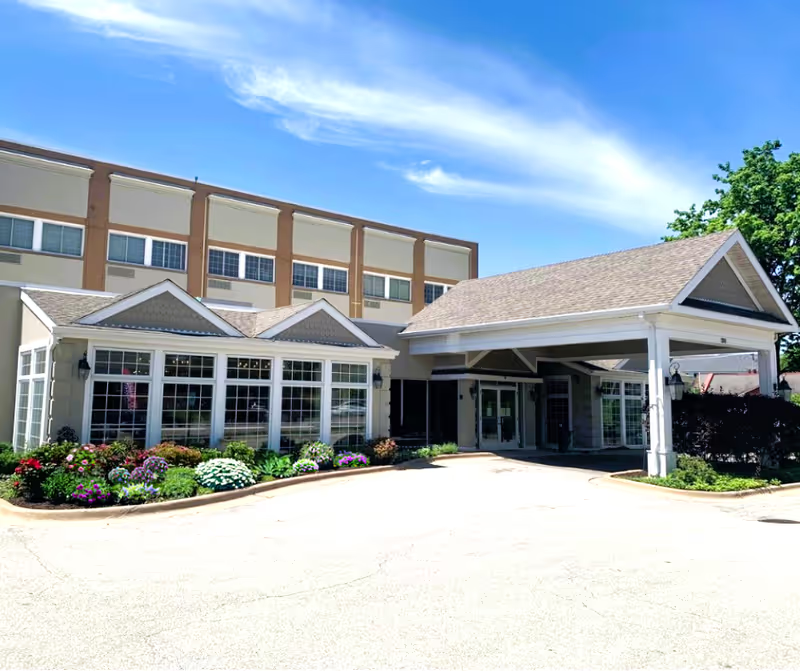
Reviews describe a facility with a pronounced contrast between strong clinical and programmatic elements and recurring operational weaknesses. Strengths repeatedly cited include robust rehabilitation services—particularly physical and occupational therapy—along with many families praising measurable short-term rehab gains. Nursing aides and therapy staff are commonly described as compassionate and effective, and several accounts highlight successful transitions for post-acute care. Onsite amenities, community partnerships (including a longstanding outreach lunch program), pet visits, outdoor patios, holiday programming and worship services contribute to a community-oriented atmosphere for many residents.
Dining and activities receive mixed but often positive comments. Multiple reviewers noted enjoyable meals, a notable chef, flexible meal accommodations, and an active calendar of social events. Therapy-driven outcomes and rehabilitation progress are frequent positives; proximity to a hospital and available medical supplies are additional operational strengths cited by families and veterans who recommend the facility for post-acute needs.
At the same time, a significant pattern of operational concerns emerges. Staffing levels and shift coverage are inconsistent, and numerous accounts point to slow call-bell response times and delays in clinical attention. Several reviews describe variability in nursing quality and staff professionalism, and there are repeated references to sanitation and housekeeping shortcomings in some units. Reported lapses in medication storage and administration controls and concerns about the facility’s incident-response and transfer-safety practices have been raised and should be considered potential safety risks.
Management and administrative practices are another frequent theme. Reviewers note high administrative turnover, inconsistent communication with families (including poor callbacks), billing and invoicing errors, and uneven discharge/transfer coordination. One or more reviews include an allegation involving an identified administrator and reference to regulatory scrutiny; prospective families may wish to inquire directly about any regulatory findings or ongoing investigations.
Taken together, the pattern suggests meaningful variability by unit and by shift: some residents and families report exemplary, attentive care, good therapy outcomes, and well-run services, while others describe operational gaps that affected cleanliness, responsiveness, medication controls, and administrative reliability. Prospective residents and families should consider an in-person tour across different units and times of day, ask for current staffing ratios, inquire about medication-storage and incident-response protocols, review recent inspection/regulatory records, and speak with the therapy and nursing leads to assess dementia-care capability and continuity of care before making placement decisions.