Reviews present a mixed picture: many accounts praise the facility's amenities, therapy services, and compassionate staff, while other accounts raise substantive operational and safety concerns. Overall, Liberty Village of Jerseyville is described by families as an attractive, activity-rich facility with strong therapy and memory-care capabilities, but with identifiable inconsistencies in day-to-day clinical and managerial practices.
Care quality and clinical services draw both strong praise and notable criticism. Several families highlighted excellent, motivating physical-therapy services and staff who take a gentle, encouraging approach to rehabilitation. At the same time, there are descriptions that suggest gaps in clinical responsiveness and follow-up care, including delayed attention and missed care tasks that carry increased risk for pressure injuries and other adverse outcomes. Reviews also suggest weaknesses in transfer and resident-safety practices that warrant further investigation by prospective families.
Staffing and communication are areas of mixed performance. Numerous reviewers commend staff as friendly, professional, and compassionate; others describe inconsistent conduct and disappointing responsiveness. Communication with families is uneven: some accounts describe good teamwork and proactive updates, while others report poor family notification, ignored clinical instructions, and a perceived lack of ownership when incidents occur. These contrasts point to variability in staff training, oversight, or shift-level leadership.
Dining and activities are among the facility's clearer strengths. The community is said to offer a wide range of daily activities, festive events, and reasonably large activity spaces, as well as pleasant common areas and outdoor spaces. Many reviewers appreciated home-style, cooked meals and an active calendar; however, meal quality appears variable across reports, suggesting inconsistency in kitchen performance or meal-service continuity.
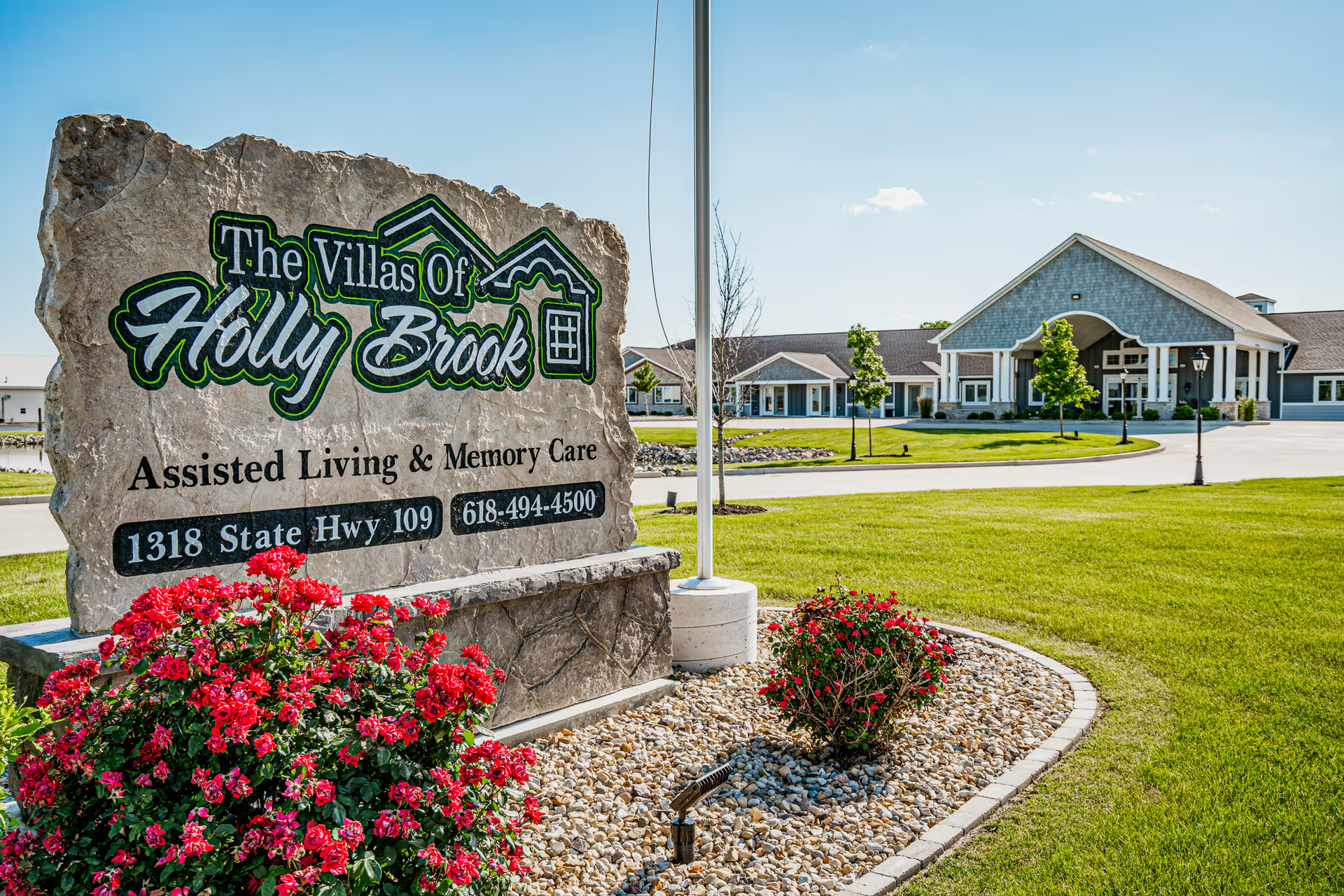
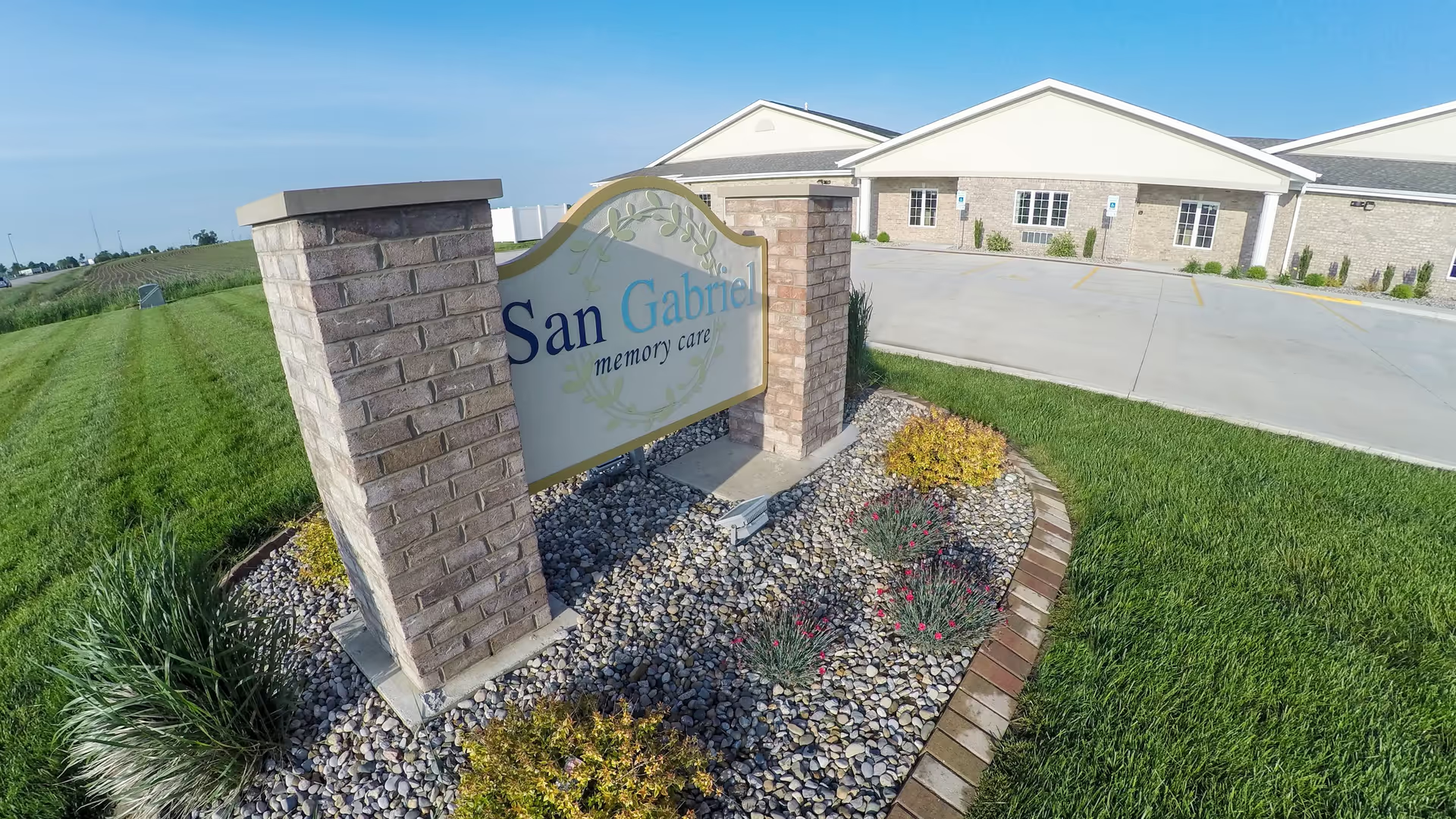
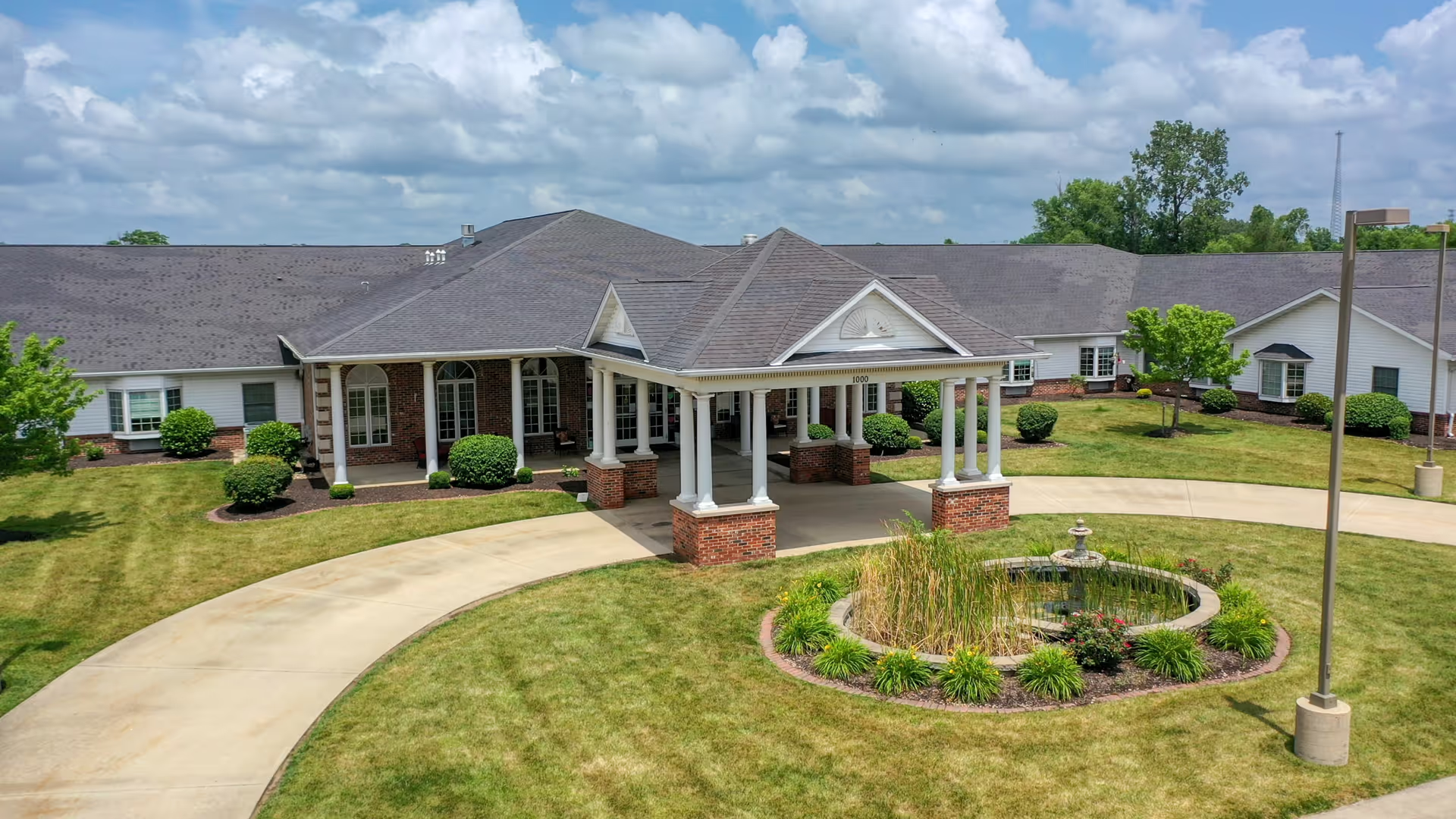
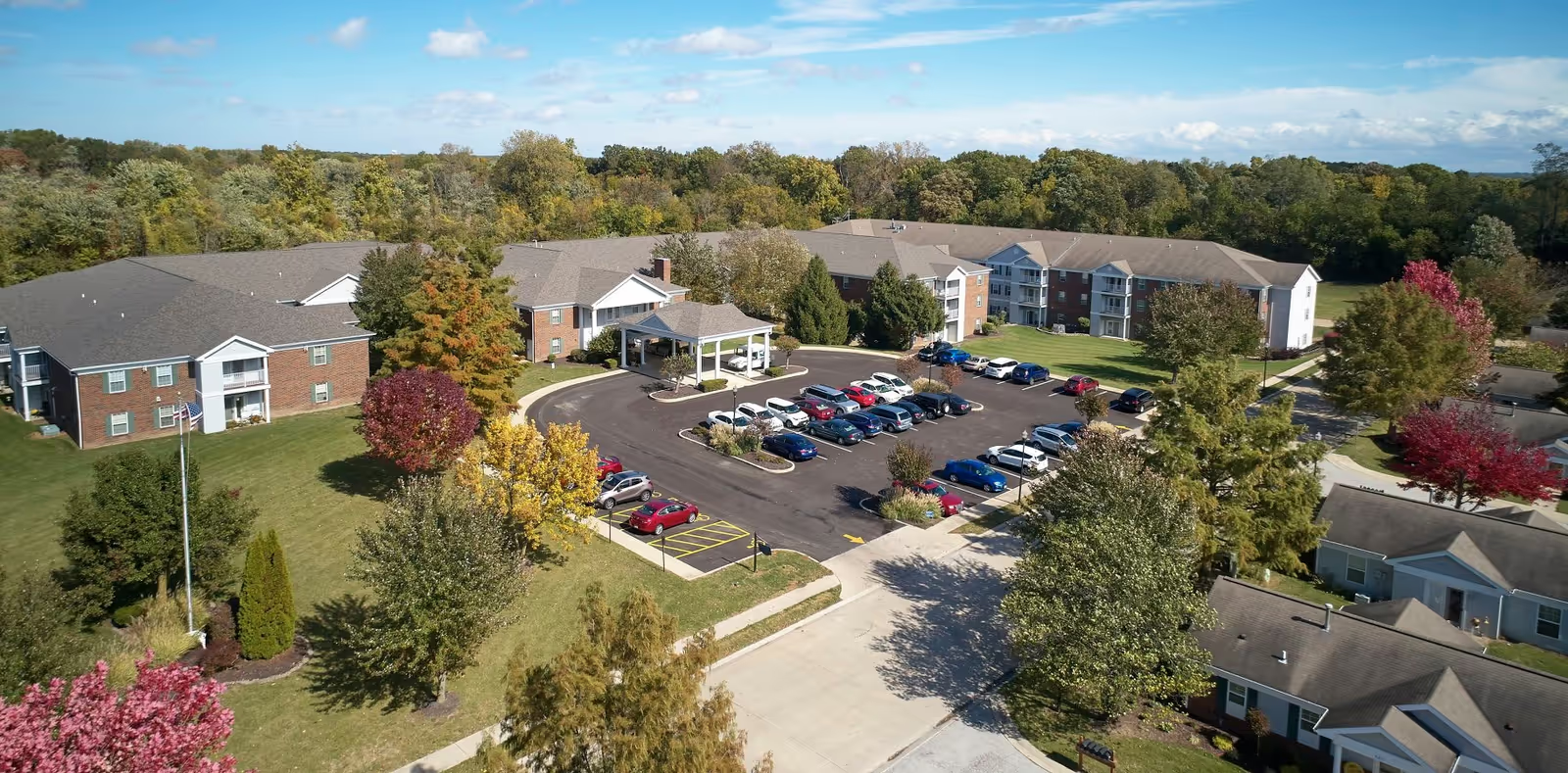
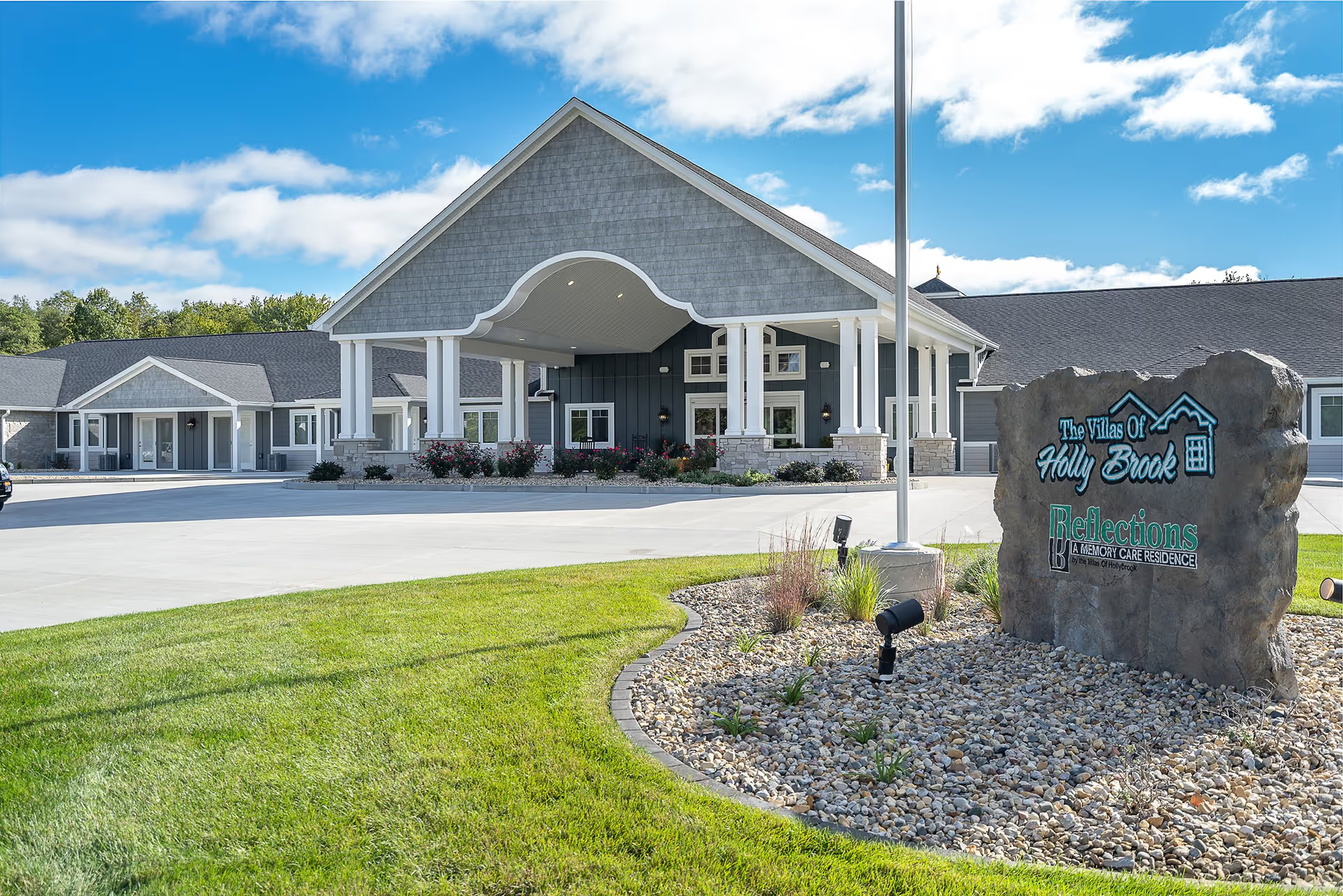
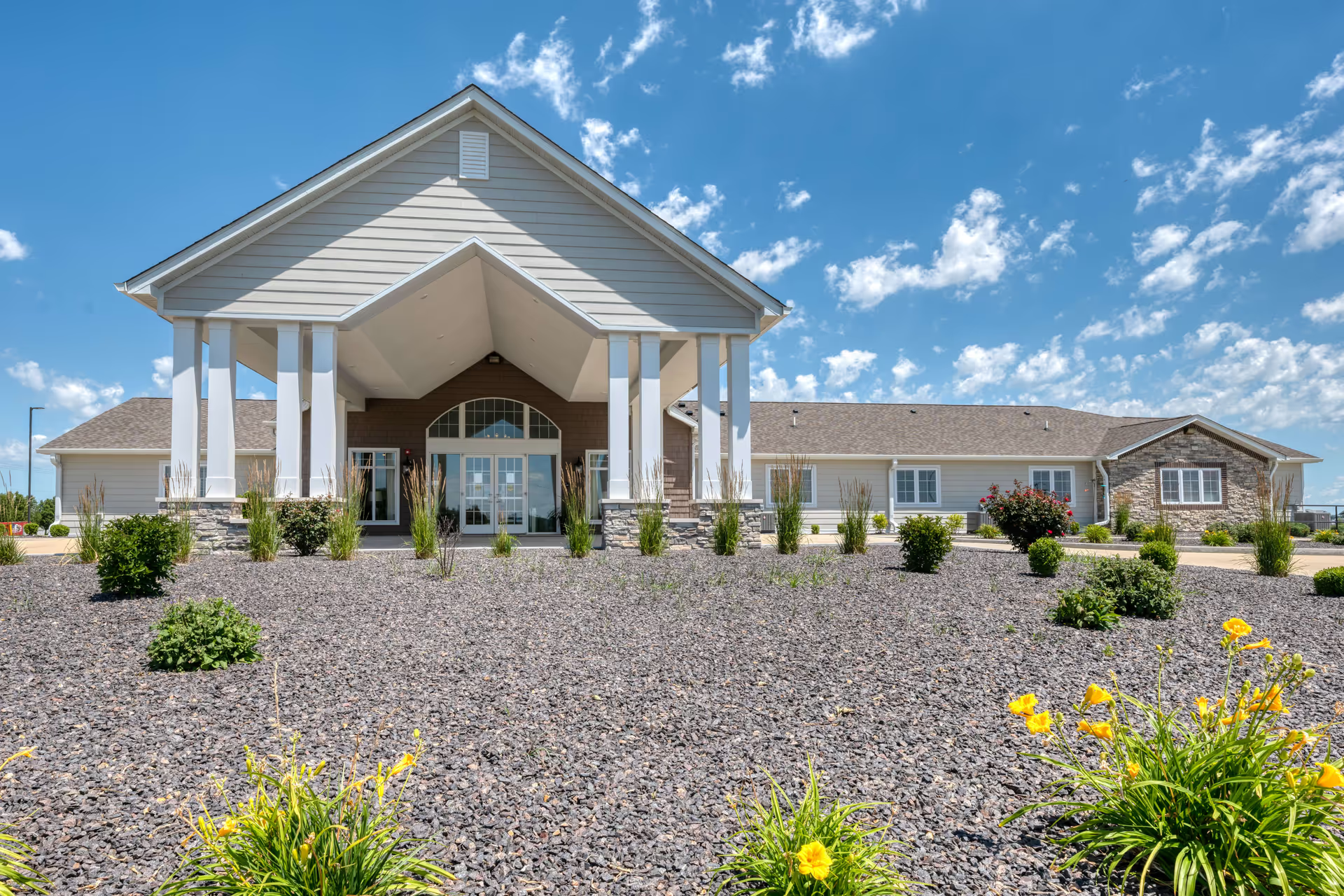
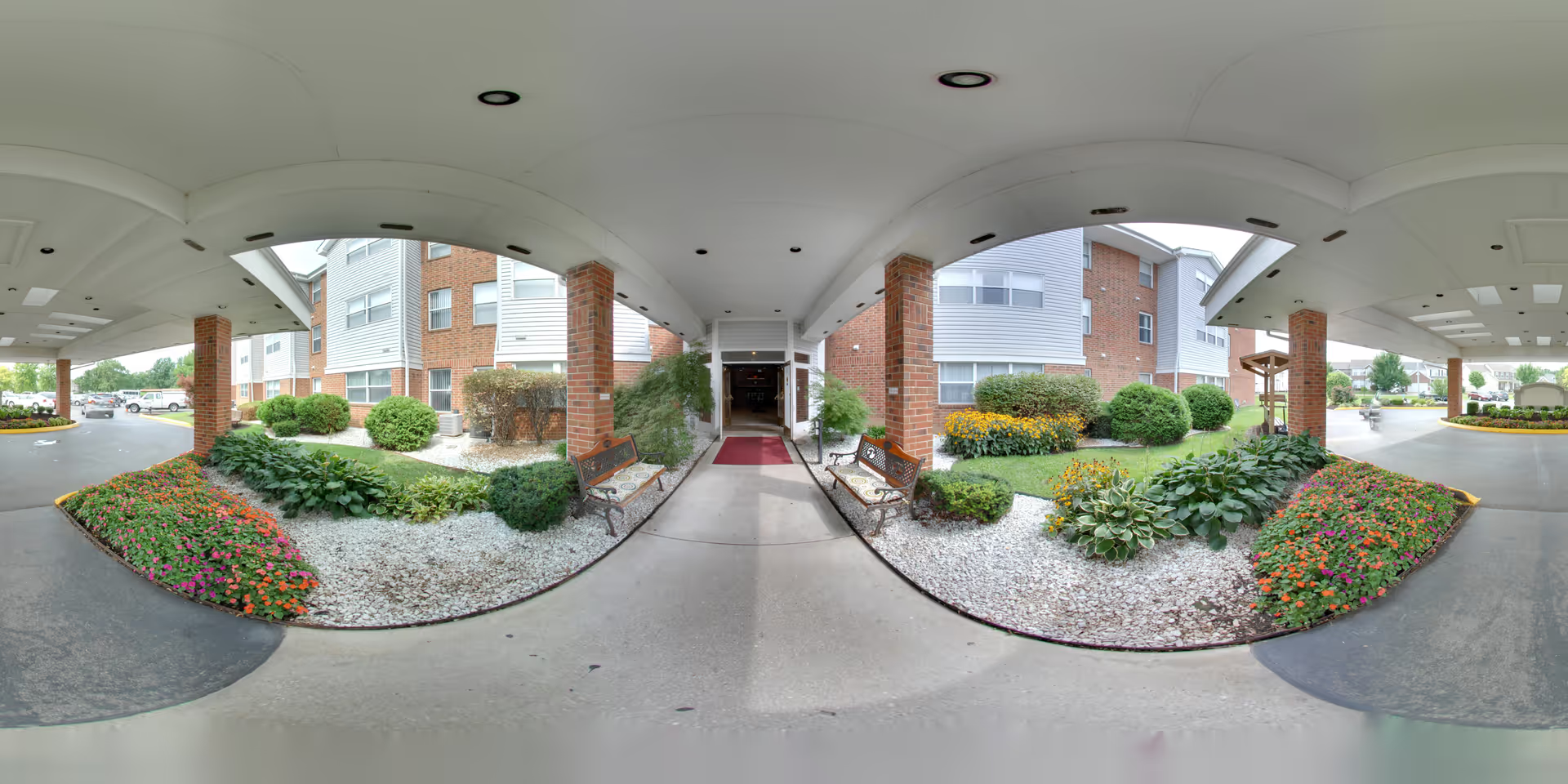
Facility condition and sanitation present a generally positive impression tempered by isolated concerns. The building, apartments, and grounds are frequently described as attractive and well maintained, with responsive maintenance staff. A subset of reviews raises sanitation and odor-control concerns in certain areas and notes occasional shortages of basic hygiene supplies, indicating that cleanliness standards may vary between units or shifts.
Management and operational leadership emerge as recurring themes tied to both positive and negative feedback. Praise for accommodating staff and good infection-control adaptations (for example, facilitated window visits and staff-assisted calling during COVID restrictions) coexist with criticisms about administrative decisions, perceived inconsistencies in policy enforcement, and cost. Some families expressed strong concerns about accountability after adverse events; one review referenced concerns following a resident's death, which merits attention from prospective residents and families and may require follow-up with regulatory records.
Recommendation: Prospective residents and families should weigh the facility's strong therapy program, active lifestyle offerings, and pleasant environment against reports of inconsistent caregiving, communication gaps, and occasional sanitation or safety issues. A targeted tour that includes the memory-care unit, observation of staff–resident interactions, review of clinical policies (transfer safety, wound care, staffing ratios), and direct questions about meal consistency, hygiene-supply protocols, and recent incident resolution would help clarify whether the facility's strengths align with a particular resident's needs.