Overall impression: Claridge Healthcare receives a mix of strong clinical praise and operational criticism. Several reviewers emphasize the facility's strengths in rehabilitation, dementia care, and culturally specific programming, while others raise concerns about administrative practices, facility upkeep, and inconsistent frontline responsiveness. The pattern suggests a facility with notable clinical capabilities but uneven operational performance across units and shifts.
Care and clinical services: Multiple accounts highlight high-quality therapy services (daily PT/OT, individualized programs) and a rehabilitation floor geared to short-term post-acute recovery. The dementia unit is cited as a particular strength, described as staffed by nurses trained in memory-care approaches. Many families credit attentive, detail-oriented caregivers and effective nursing teams for positive outcomes. At the same time, other reports describe variability in responsiveness and skill on some shifts, indicating inconsistent caregiving performance that prospective families should clarify during a visit.
Staff and physician access: Staff conduct and responsiveness is a recurring, mixed theme: some reviewers describe compassionate, watchful caregivers and strong clinical leadership, while others note rude or unhelpful interactions and delays attending to resident needs. Physician accessibility appears uneven — several reviewers praise competent medical oversight, whereas others found the attending physician difficult to engage. These contrasts point to variability in availability and communication that may depend on timing, specific units, or individual clinicians.
Dining and activities: The facility's Korean ownership and cultural orientation are reflected in Korean-style meals and culturally specific activities, which are important strengths for residents seeking that environment. Nutrition is also described as being tailored to clinical conditions in some cases. However, there are contradictory reports about meal quality and portion sizes; dining quality and consistency appear uneven across reported experiences.
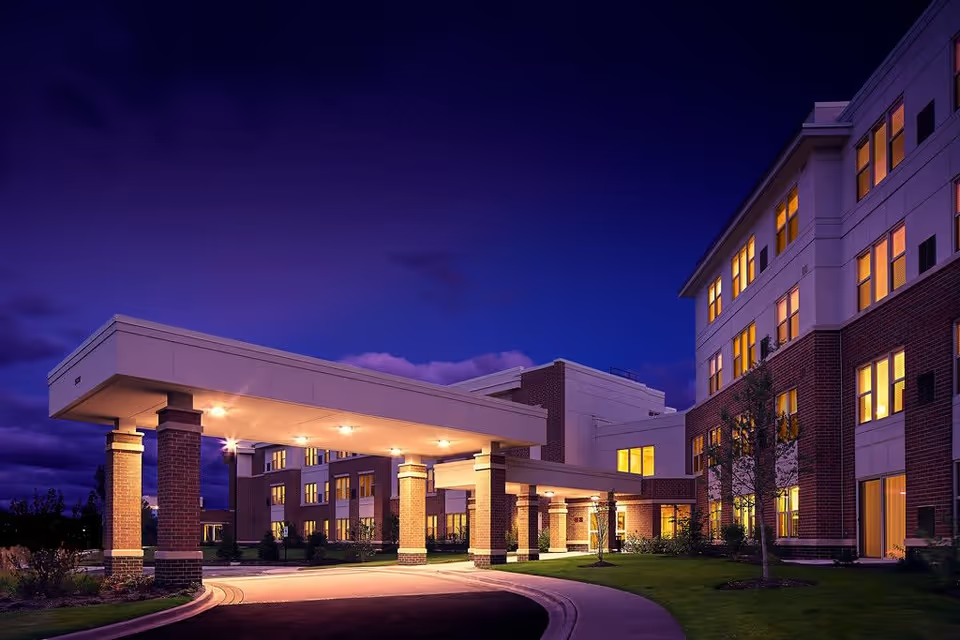
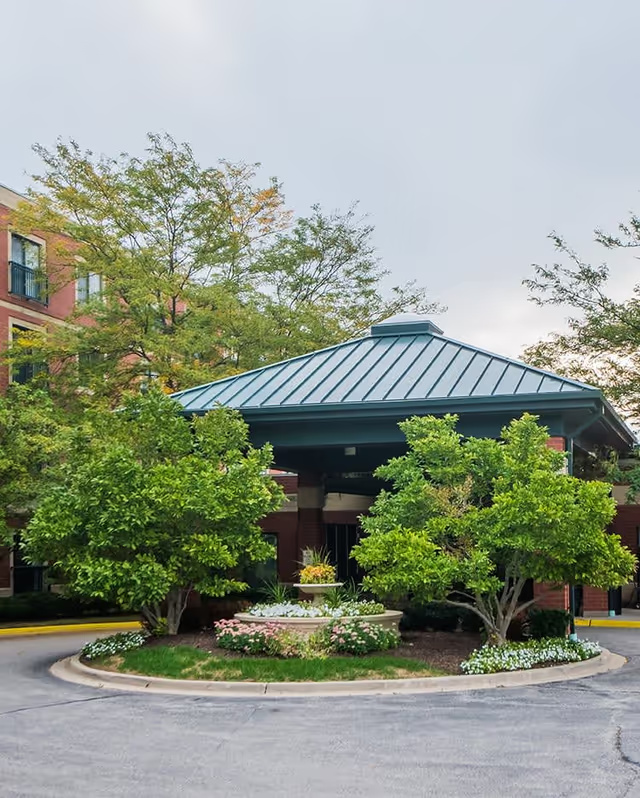
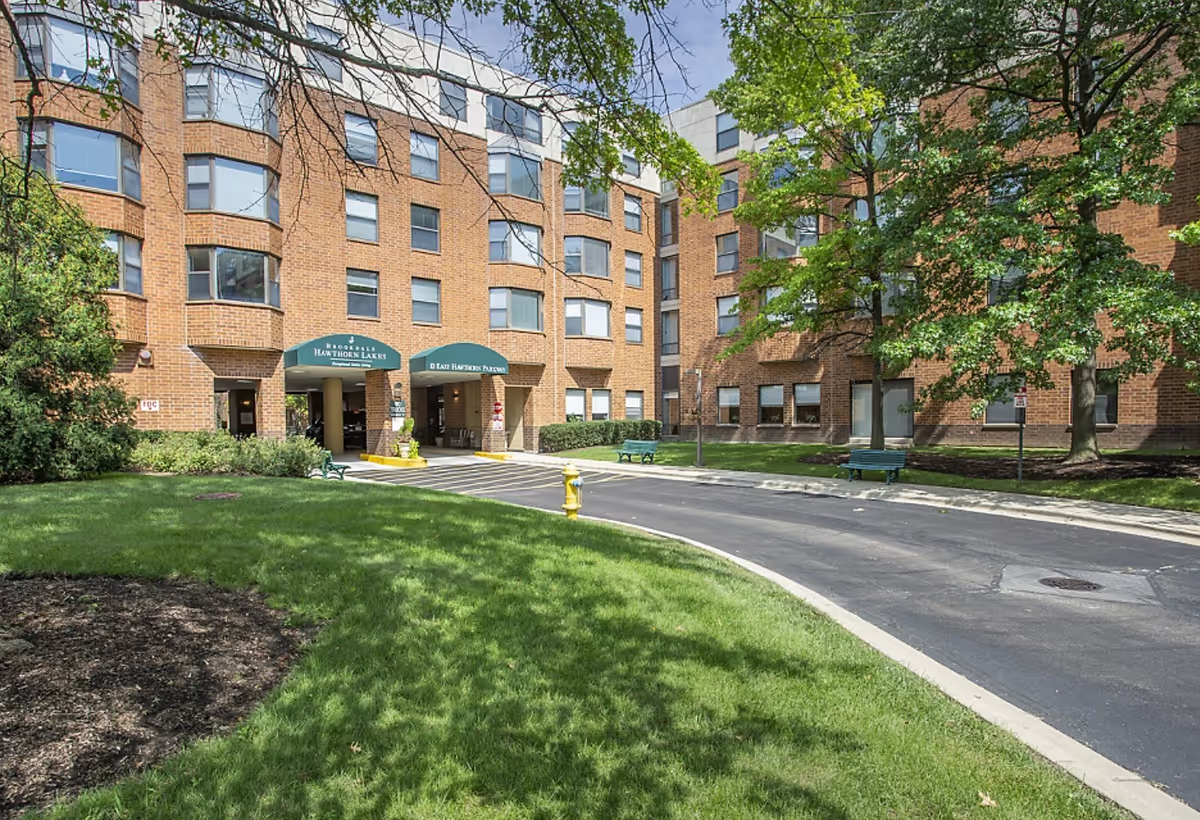
Facilities and environment: The campus setting and outdoor spaces are consistently noted as serene and appealing. Common areas are generally adequate, though reviewers also describe signs of aging: worn furnishings, dated décor, and some dim or smaller rooms. Several comments raised sanitation and odor concerns in specific units, indicating that cleanliness and maintenance may be inconsistent across the building. Low occupancy and at least one empty floor were noted, which may affect unit atmosphere and staffing patterns.
Management, administration, and operations: Administrative issues are a prominent concern in a portion of reviews. Specific operational weaknesses include billing and financial administration problems, difficulties with discharge planning and paperwork support, and limited responsiveness from management in resolving family concerns. There are also more serious allegations about mishandled resident funds; these are significant and should be investigated further by families and regulators as appropriate.
What to watch for when evaluating Claridge Healthcare: Prospective residents and families should verify therapy and dementia-care staffing ratios, observe meal service and sample dining, and inspect rooms for light and furnishings. Ask management for written policies on discharge planning, billing practices, and physician coverage hours. Request recent inspection reports and documentation of any financial or administrative investigations. A targeted visit during different shifts can help reveal whether the mixed reports reflect isolated incidents or consistent operational patterns.
Bottom line: Claridge offers credible clinical strengths — notably in rehabilitation and memory care — and a culturally specific environment that suits Korean-speaking residents. At the same time, there are identifiable operational and facility-maintenance concerns that warrant careful due diligence before placement. Families prioritizing strong therapy and dementia programs may find good care here, but should confirm administrative reliability and unit-level cleanliness/maintenance during an in-person evaluation.