Cedar Ridge Health & Rehab Center presents a mixed profile. Many families and residents praise the facility for compassionate front-line staff, a strong rehab/therapy program, and engaging social programming. Several accounts highlight effective physical and occupational therapy, helpful admissions support, technology that facilitates virtual family visits, holiday events, and staff who go beyond basic duties to support residents' dignity and comfort. These strengths contribute to positive experiences described as home-like, social, and rehabilitative.
At the same time, reviews reveal recurring operational concerns that merit careful consideration. Staffing levels — particularly overnight — and responsiveness to call lights and toileting needs are frequently described as inconsistent, contributing to delays in assistance and monitoring. Reviewers also raise concerns about medication administration and clinical follow-up, including missed doses or delayed testing, which families link to adverse outcomes in some cases. A small number of accounts describe serious clinical events; these are serious enough to warrant direct inquiry during any placement conversation.
Dining and activities show a split: many families commend home-style meals, dietary accommodation, and active programming (outdoor visits, video calls, seasonal parties), while other families report inconsistent meal temperature, limited menu choices, and concerns about value. Activities staff and recreational offerings are generally noted as a strong point, with frequent references to organized events and staff efforts to maintain resident engagement during restricted visitation periods.
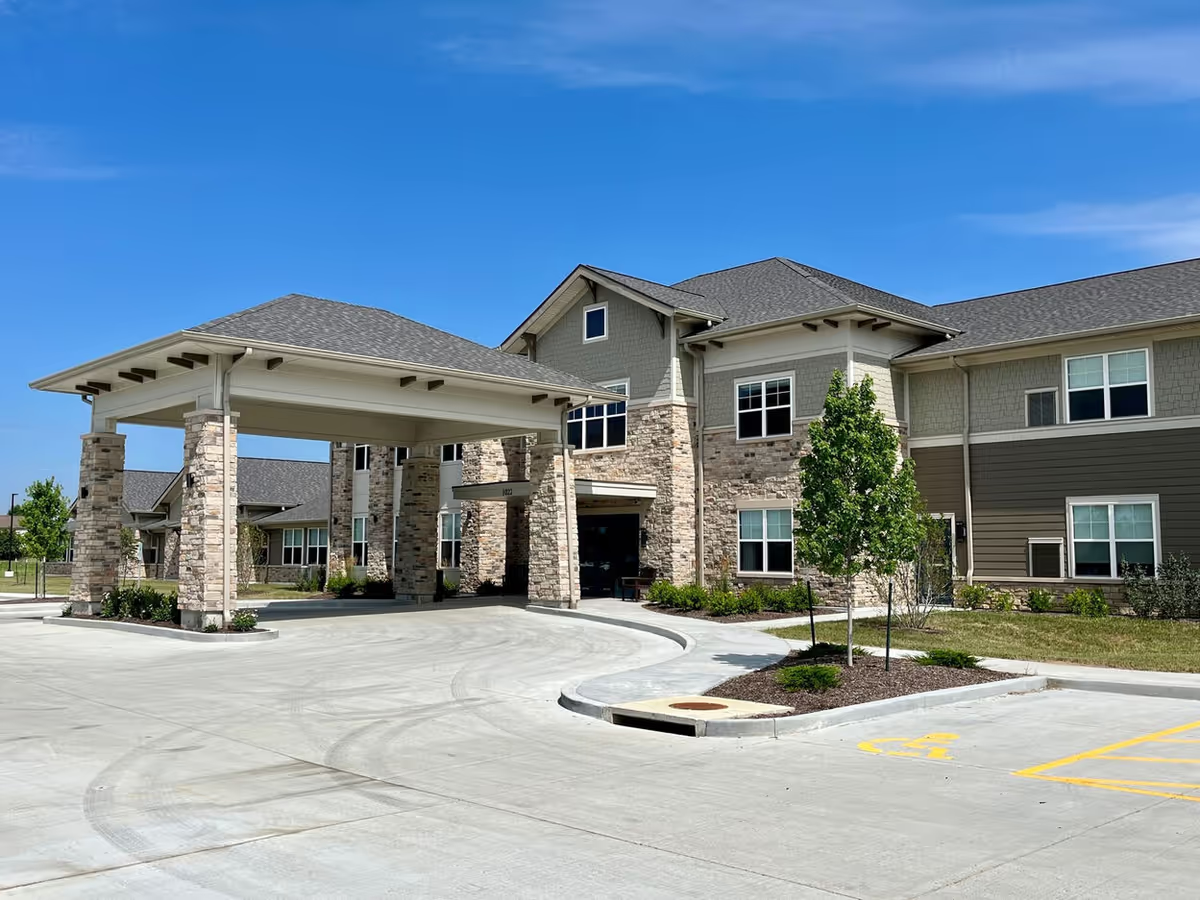
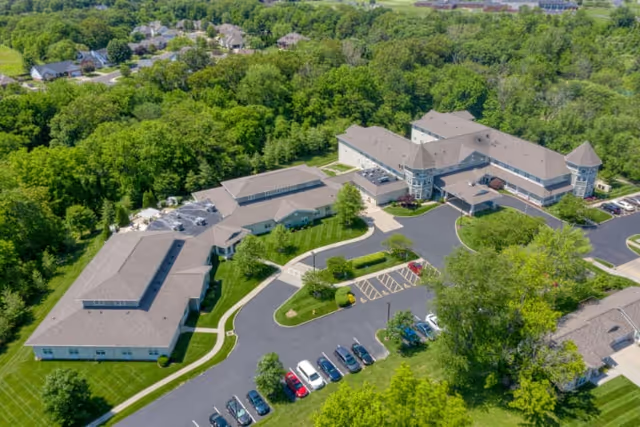
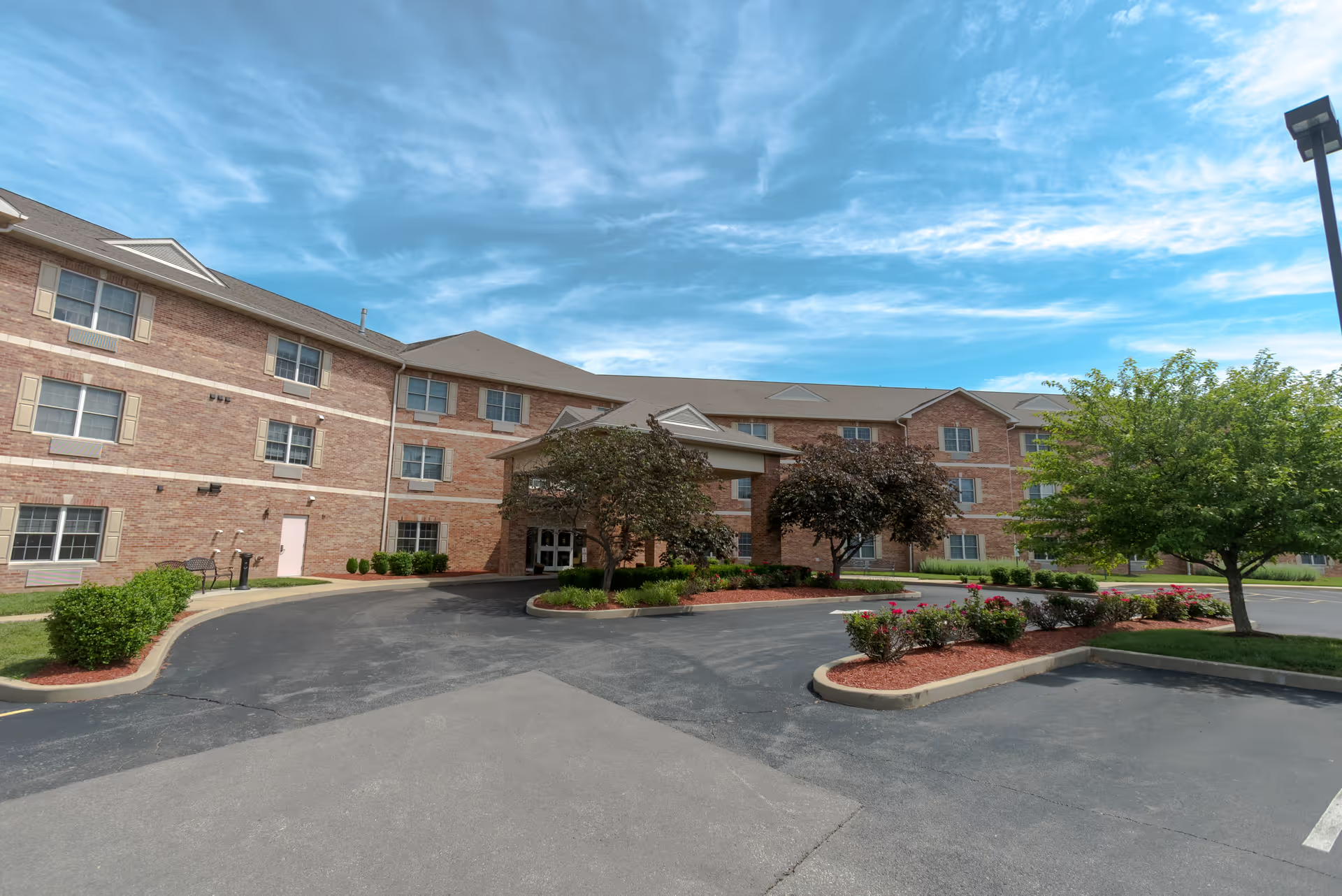
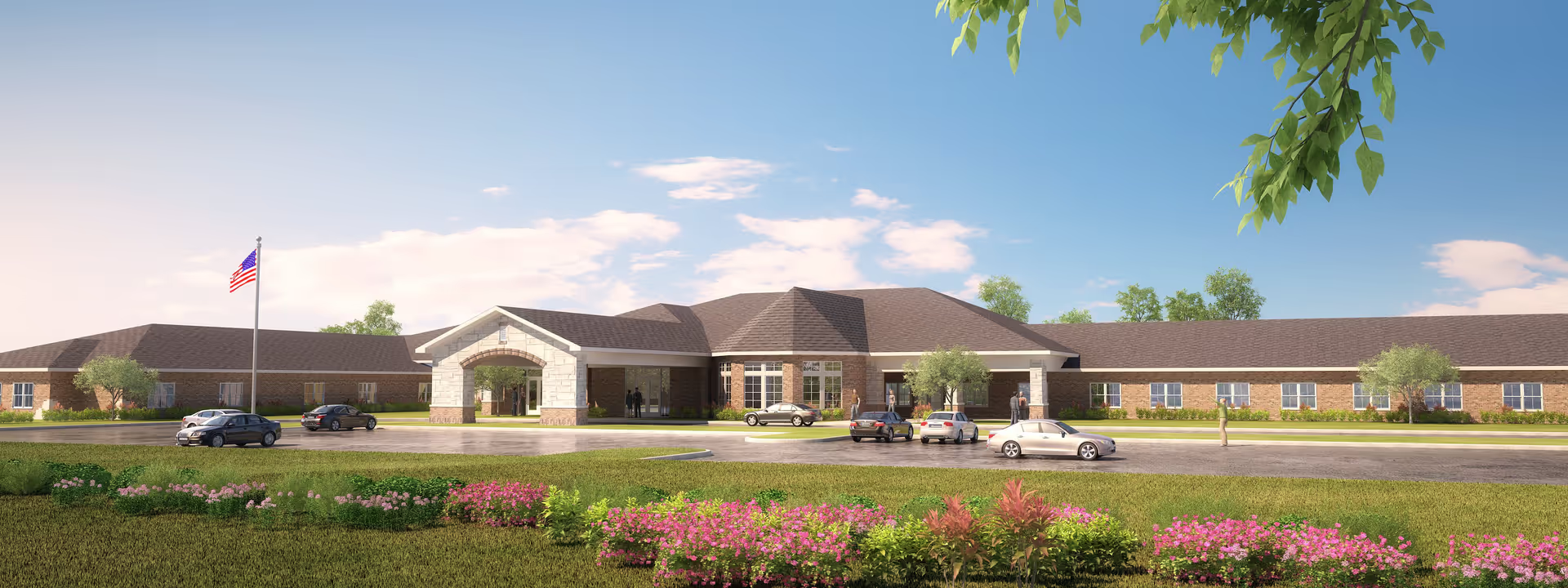
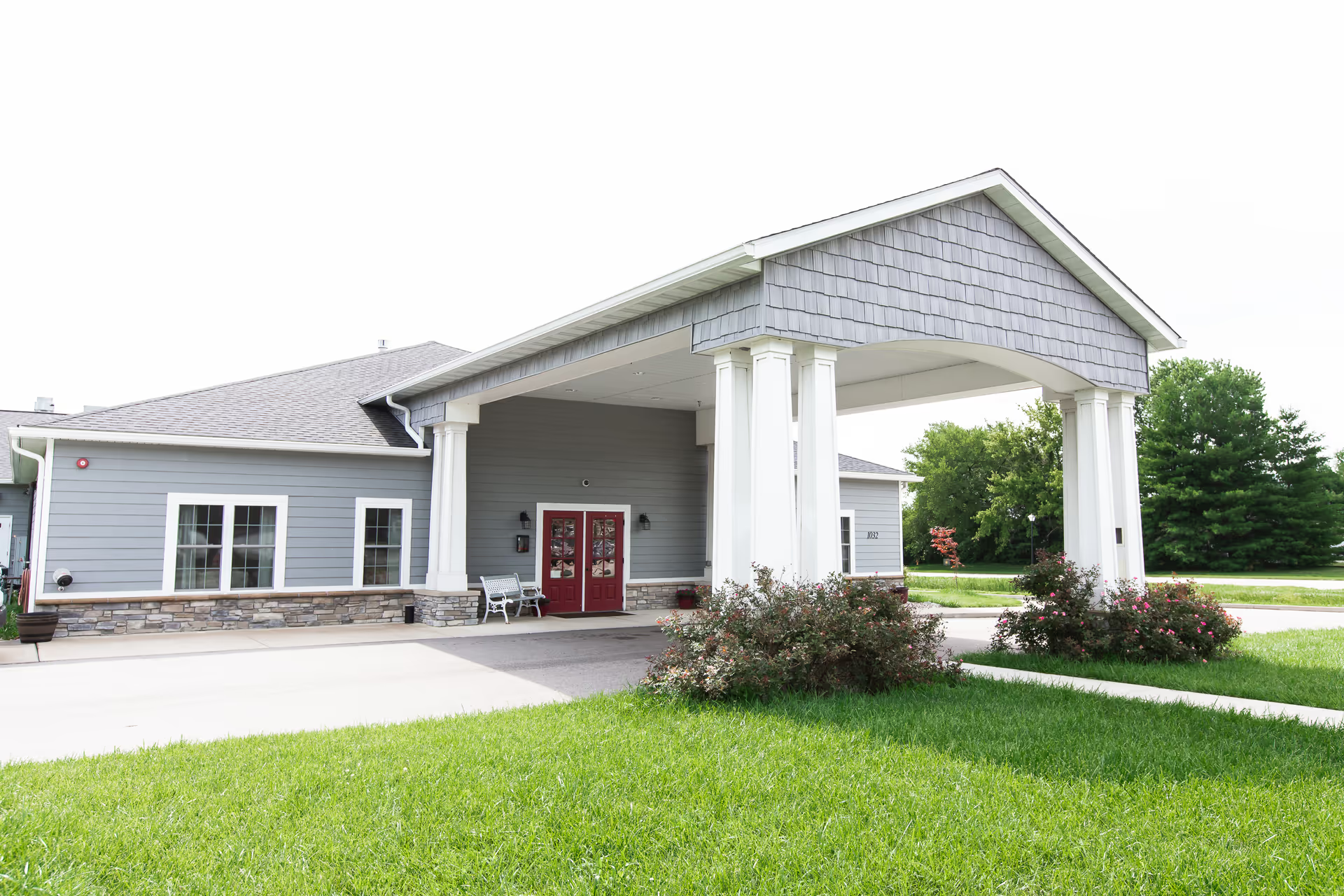
Facility condition and operations are similarly mixed. Several reviewers describe clean, modern, well-kept common areas and pleasant grounds, while others note maintenance shortcomings (worn furnishings, accessibility issues, HVAC or sidewalk concerns) and sanitation or pest-control problems in certain units. Room layout and capacity are recurring practical issues — many rooms are shared and bathrooms may be communal, which affects privacy and convenience for some residents.
Communication and management practices are another area of variability. Positive examples include proactive therapy teams and named staff who facilitated transitions, but other families describe weak interdepartmental coordination, billing or accounting errors, unresolved lost personal items, and limited responsiveness from administration. These operational gaps are often cited alongside staffing pressures and documentation issues.
Overall, Cedar Ridge shows notable strengths in therapy, activities, and many individual staff relationships, but also consistent patterns of operational weakness that affect safety, clinical reliability, and family communication. Prospective residents and families should balance the facility's rehabilitative and social programming against the reported variability in staffing, clinical processes, maintenance, and billing practices. Recommended next steps for decision-making include an in-person tour during multiple shifts (including evening/night), direct questions about staffing ratios and medication-administration protocols, review of recent inspection and staffing reports, and clear communication about private-room availability and billing practices before placement.