Radford Green at Sedgebrook is presented in reviews as a rehabilitation- and therapy-focused skilled nursing community with many strengths in clinical care, hospitality, and environment. Positive comments concentrate on the facility's therapy offerings (physical, occupational, and speech), with numerous accounts of effective post-surgical and stroke rehabilitation, measurable mobility gains, and specialized programs for knee and hip recovery. Many families described coordinated care plans, accurate medication administration, and strong outcomes when therapy intensity and staff continuity were sustained.
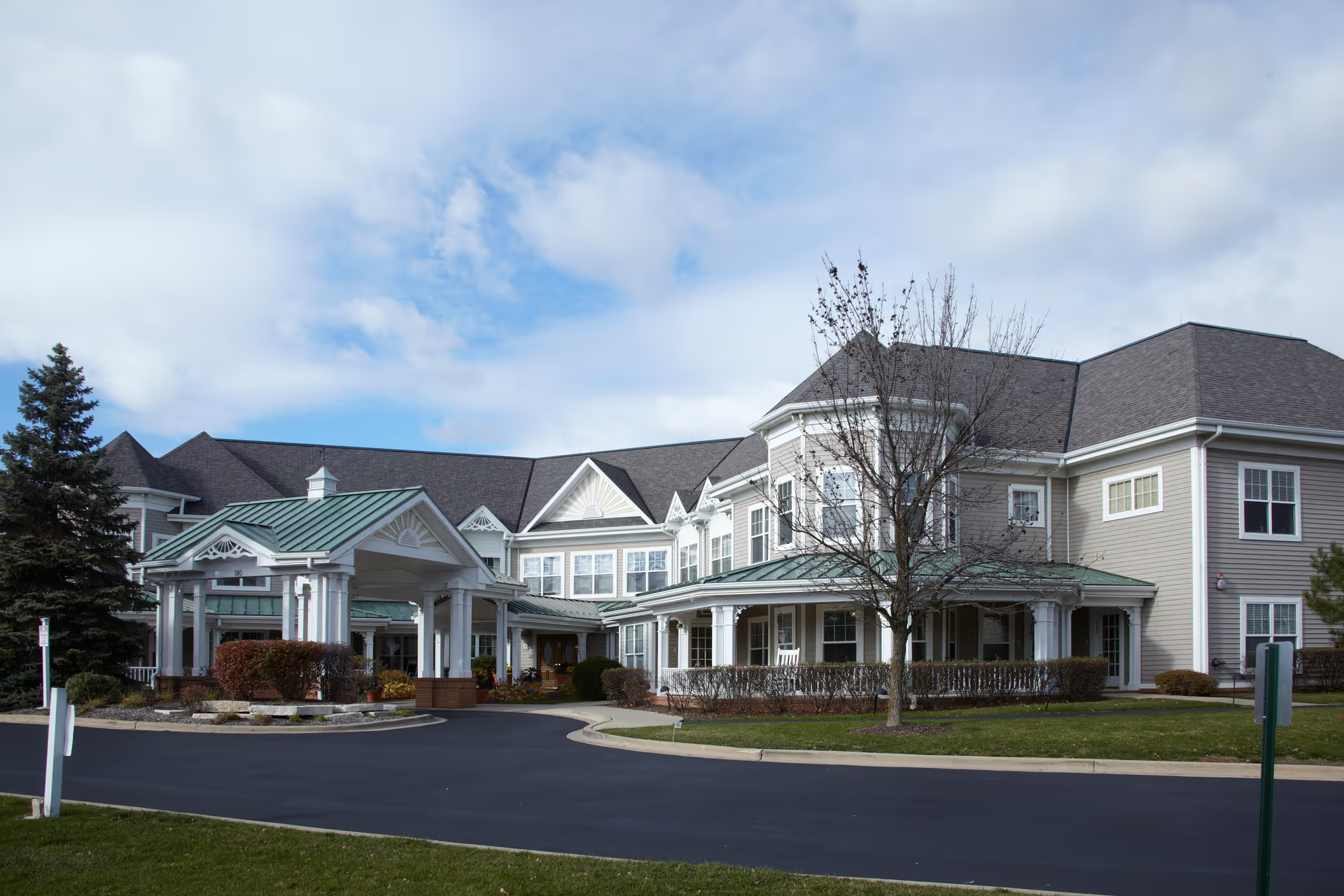
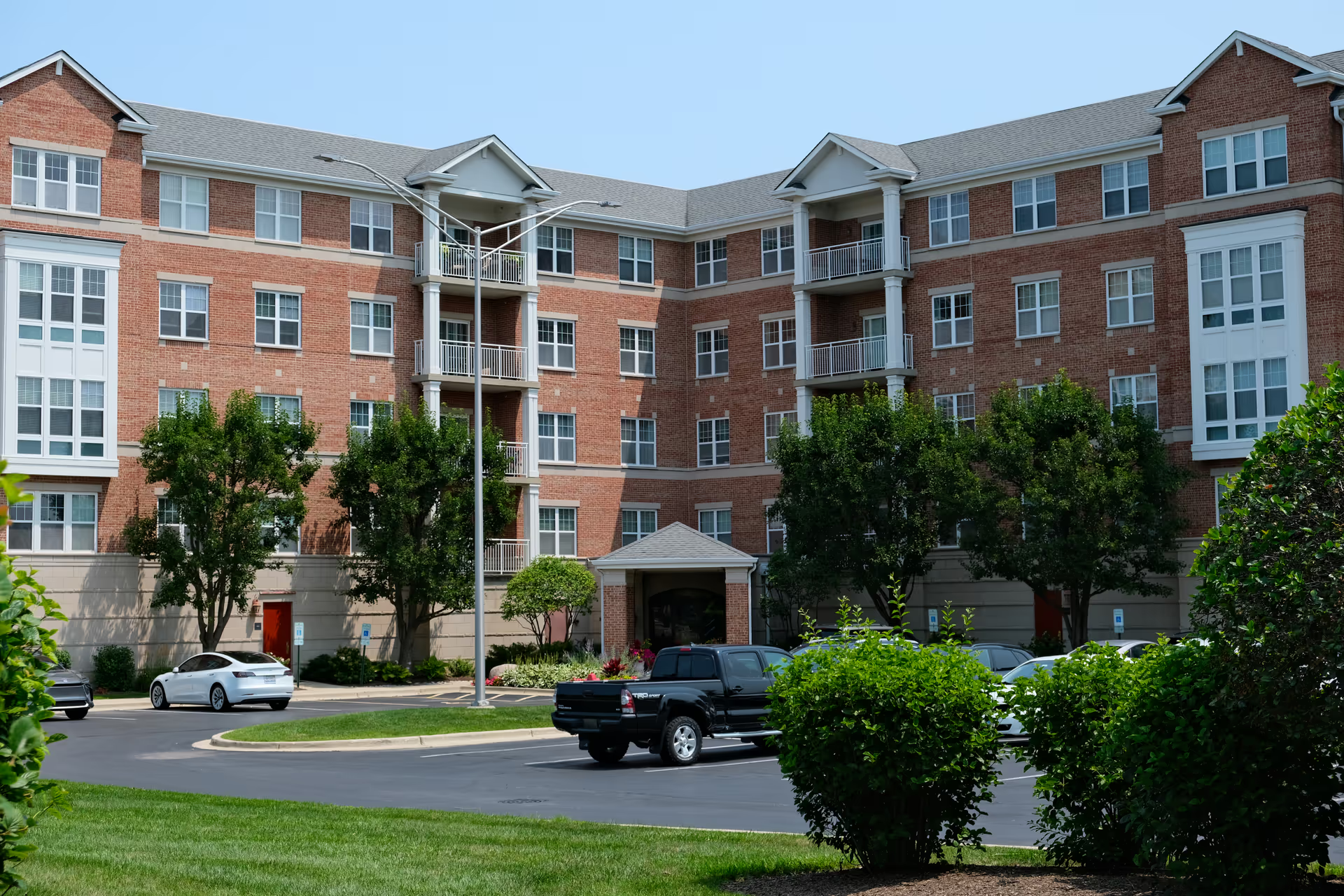
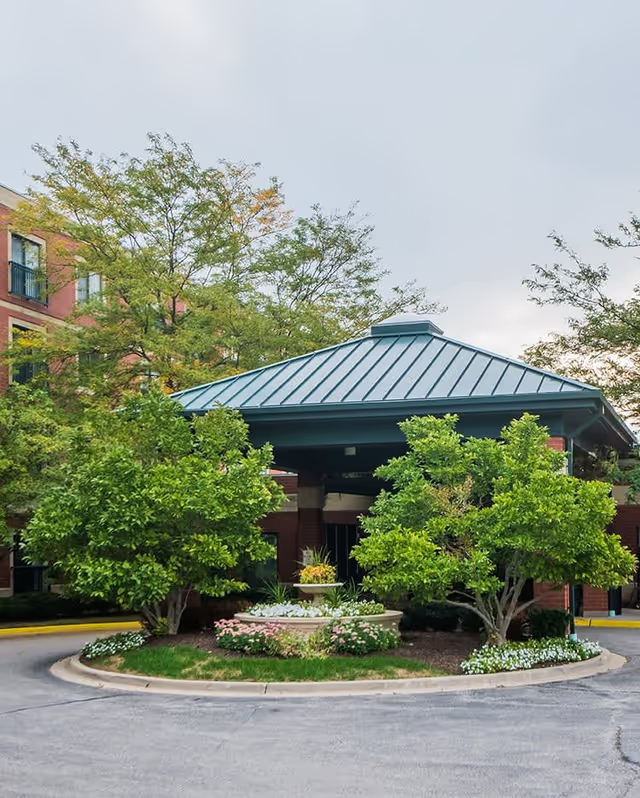
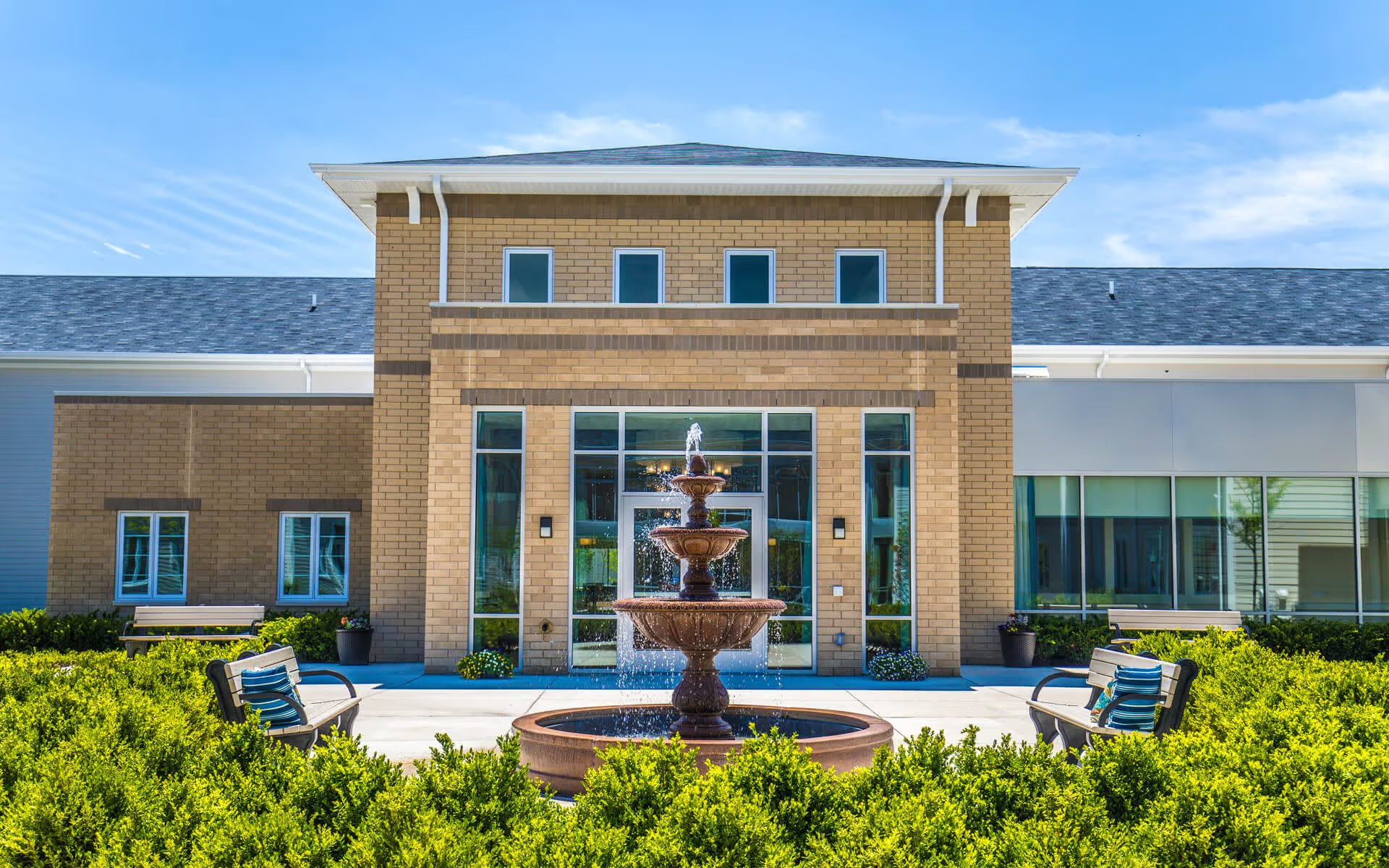
The caregiving staff receives frequent praise for compassion, bedside manner, and responsiveness. Nurses, CNAs, therapists, and social services are commonly named for their advocacy, individualized attention, and communication with families. The social-work and admissions teams are repeatedly cited for proactive coordination and timely placement. The facility's dining program and culinary leadership are often characterized as restaurant-quality with varied menus and in-room dining options. Physically, the community is consistently described as clean, bright, and well maintained, with private rooms, pleasant pond/garden views, a secure gated entry, and multiple family-friendly common areas.
Patterns of concern are also evident and represent operational traits rather than isolated anecdotes. Chronic understaffing and turnover recur as factors that affect caregiver continuity, response times to call-buttons, and the consistency of daily personal-care tasks, including showering schedules. Several reviewers described uneven therapy continuity and early discharges that did not align with perceived progress; this suggests variability in discharge-planning and therapy staffing. Other operational weaknesses include intermittent documentation inaccuracies, inconsistent meal freshness or timing, occasional limitations in transfer-safety practices and fall-risk management, and variability in staff communication tone.
A minority of reviews described serious adverse outcomes and strong family concerns about care; these accounts stand in contrast to the majority of positive experiences and point to variability in clinical responsiveness during high census or staffing shortfalls. Management strengths reported include attentive administration, visible social-work support, active family communication, and an emphasis on rehabilitation and quality-of-life programming. Prospective residents and families should weigh the facility's clear strengths in rehab, cleanliness, amenities, and many compassionate staff members against the operational risks posed by intermittent understaffing and variability in continuity of care. An in-person tour, conversations about current staffing ratios, therapy schedules, discharge planning processes, and specific safety protocols will help clarify whether the program aligns with an individual’s clinical and personal needs.