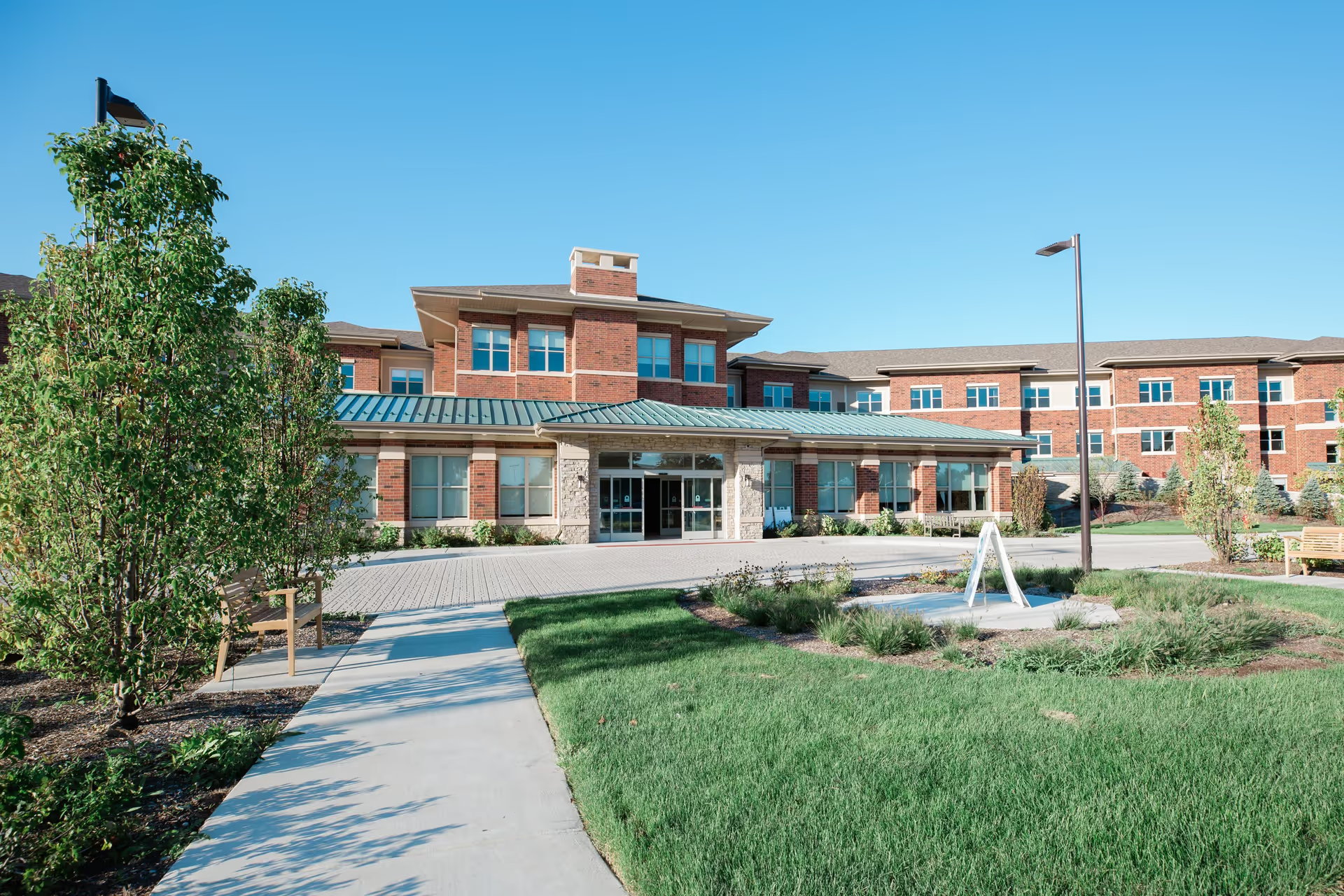
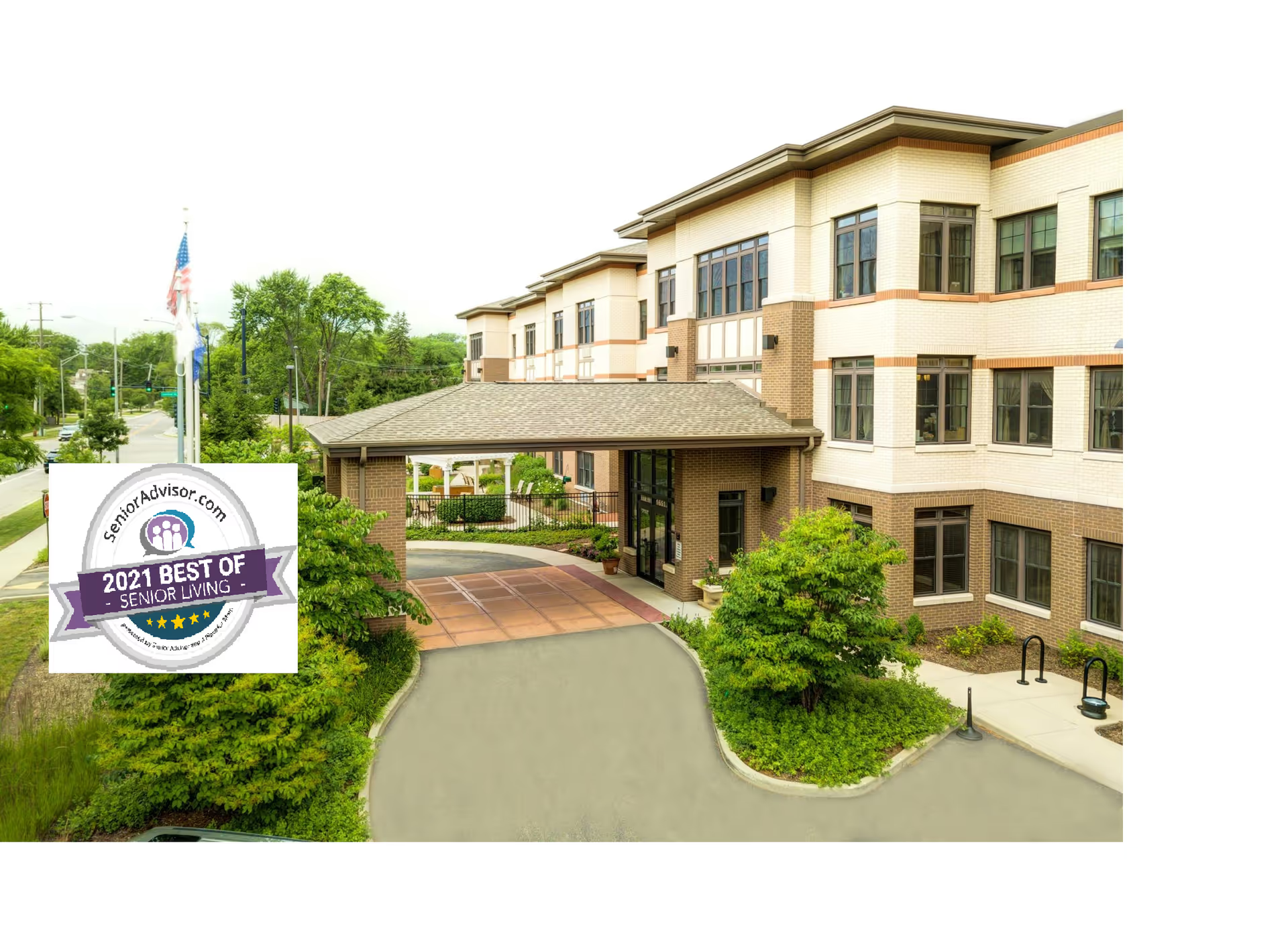
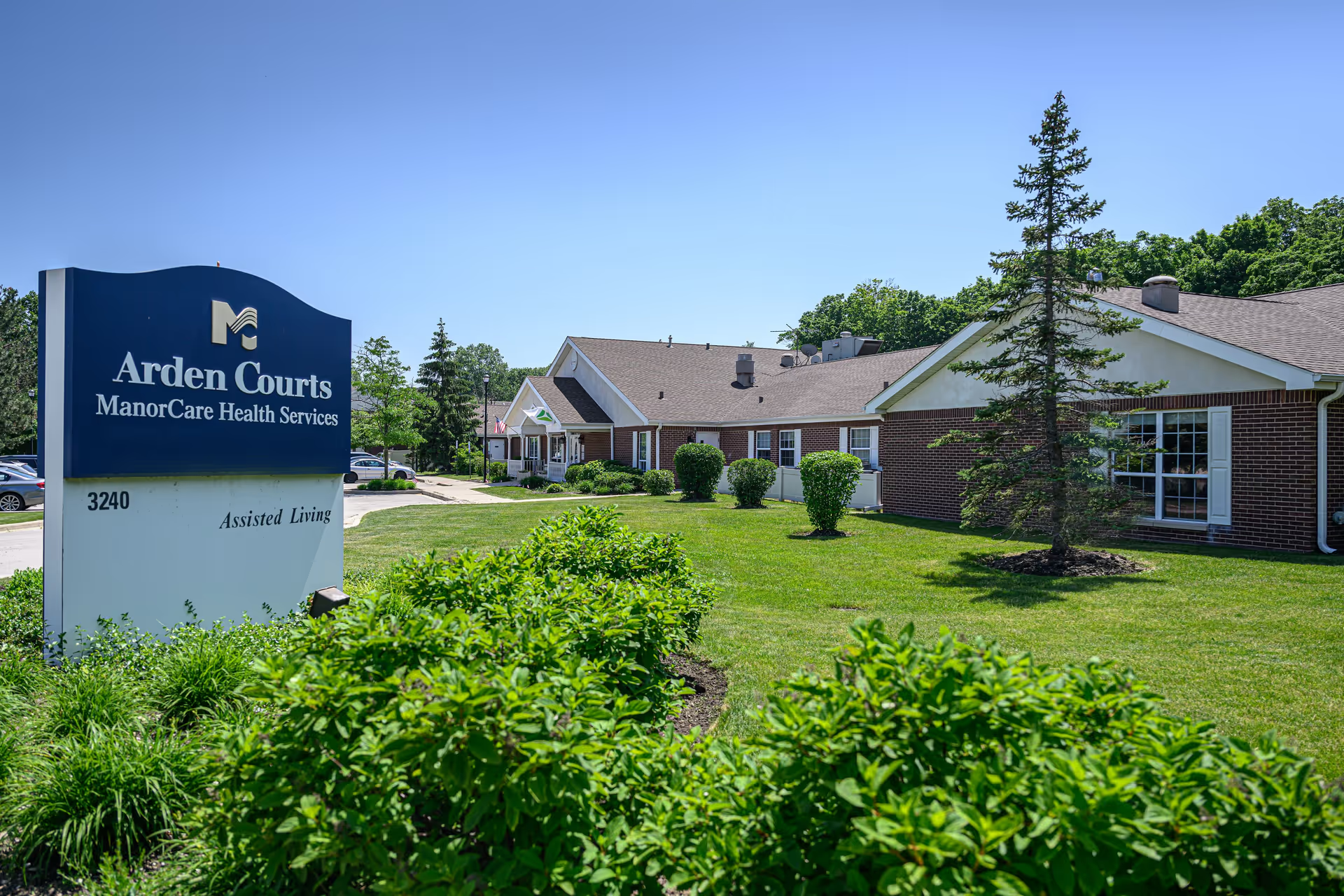
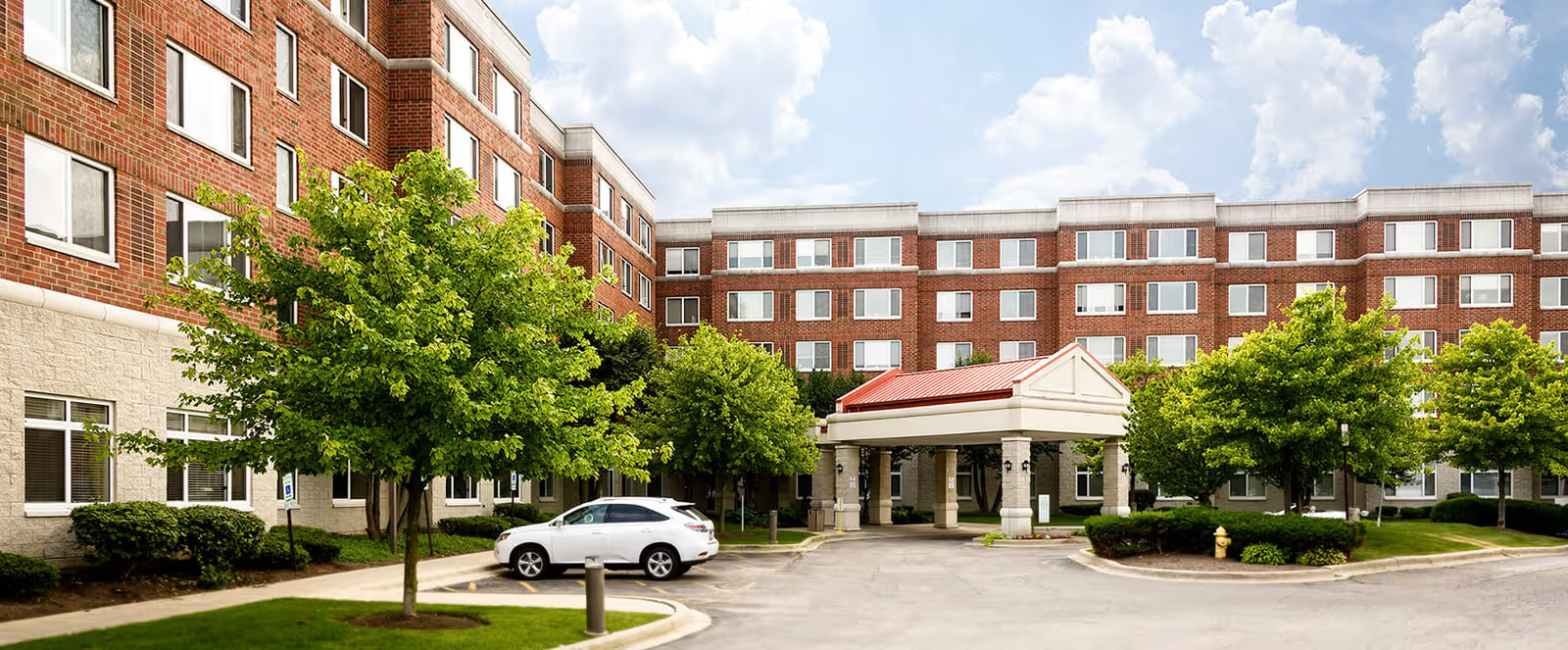
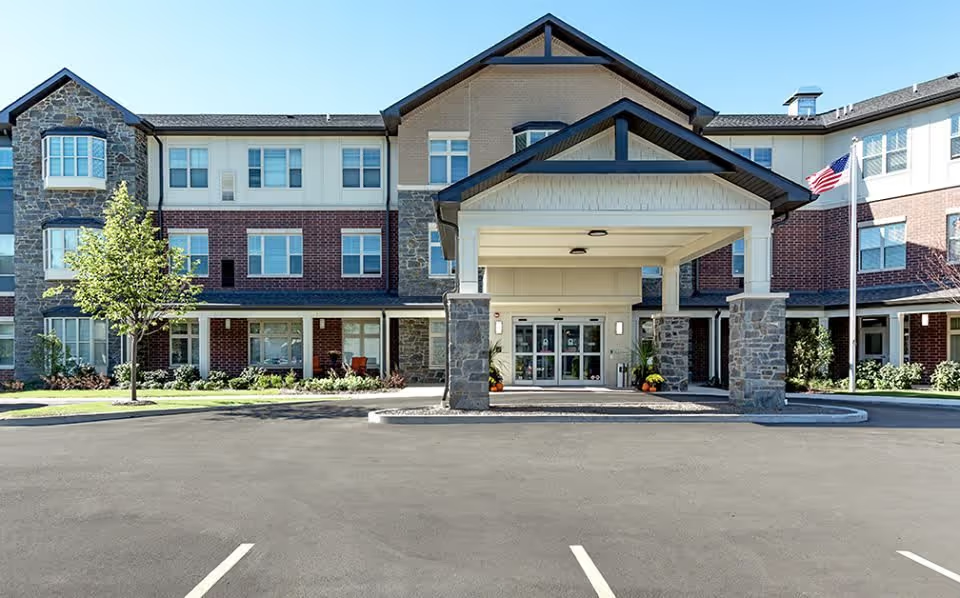
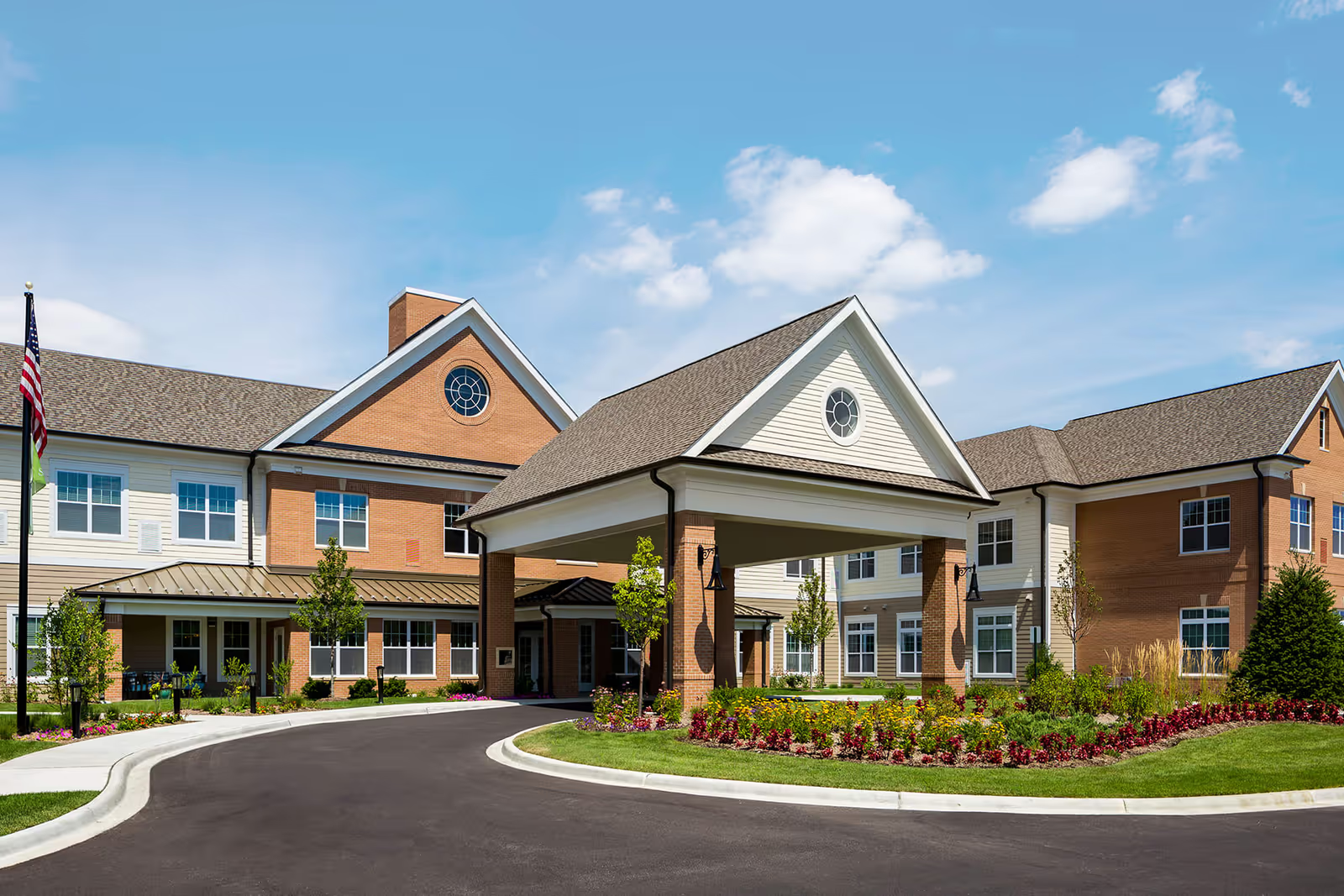
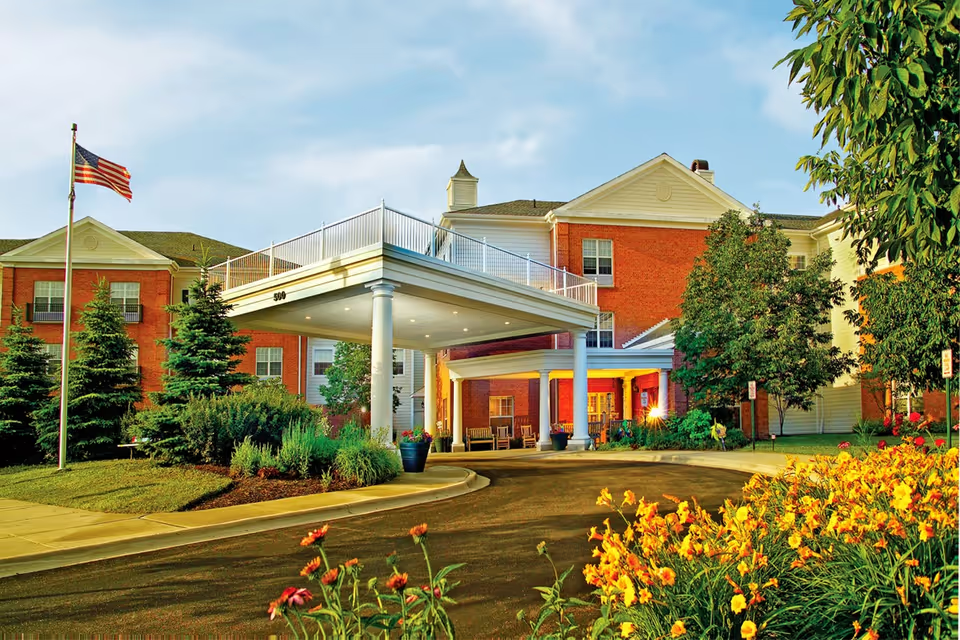
Northbrook Inn Memory Care Community is frequently described as a modern, well‑appointed memory‑care setting with a clearly visible emphasis on compassionate, family‑style care. Many families emphasize the facility's cleanliness, attractive decor, secure memory‑care unit, and bright, spacious rooms and courtyard. The memory‑care programming, described as holistic and Alzheimer‑focused, is a recurrent positive; activity staff are active and creative, and the calendar often includes varied offerings and community partnerships (for example, visiting student performances).
Care quality is commonly characterized as attentive and reassuring. Numerous comments highlight caregivers who treat residents with respect and warmth, and many families note an open‑door executive director who sets a positive tone. The facility reports onsite clinical access and established hospital connections, and some families found that the environment reduced resident agitation and supported social engagement. Admission processes that include gradual acclimation are noted as helpful for new residents.
Dining, activities, and facilities receive generally favorable remarks: meals are described as appealing and the dining experience is a point of focus for prospective families (several suggest touring at mealtime). Activities are varied and emphasize engagement. At the same time, a consistent request is for greater meal variety and occasional comments point to uneven dining experiences; prospective visitors are advised to sample a meal when touring.
There are operational patterns that prospective families should weigh. Multiple accounts indicate staffing instability and relatively high turnover, which can lead to inconsistent assistance with personal‑care tasks (for example, bathing schedules) and uneven reliability in staff communication. Some families perceive an administrative–care staffing imbalance and raise concerns about management–staff relations and morale; there are also isolated, serious allegations concerning management conduct. Relatedly, a few families described gaps in clinical‑incident response and follow‑up communication with families. Room finishes and condition can appear less consistent than the facility's public spaces, and a minority of families indicated the community was not the right fit for their relative.
Bottom line: Northbrook Inn appears to deliver strong, person‑centered memory care in an attractive, secure environment with many families experiencing peace of mind from staff engagement and leadership. However, variability in staffing stability, personal‑care consistency, and management practices have been noted enough times that prospective residents and their families should tour at multiple times of day (including mealtime and shift changes), ask specific questions about caregiver staffing ratios and turnover, review personal‑care scheduling, and inquire about the facility's incident‑response and family‑communication procedures before making a placement decision.