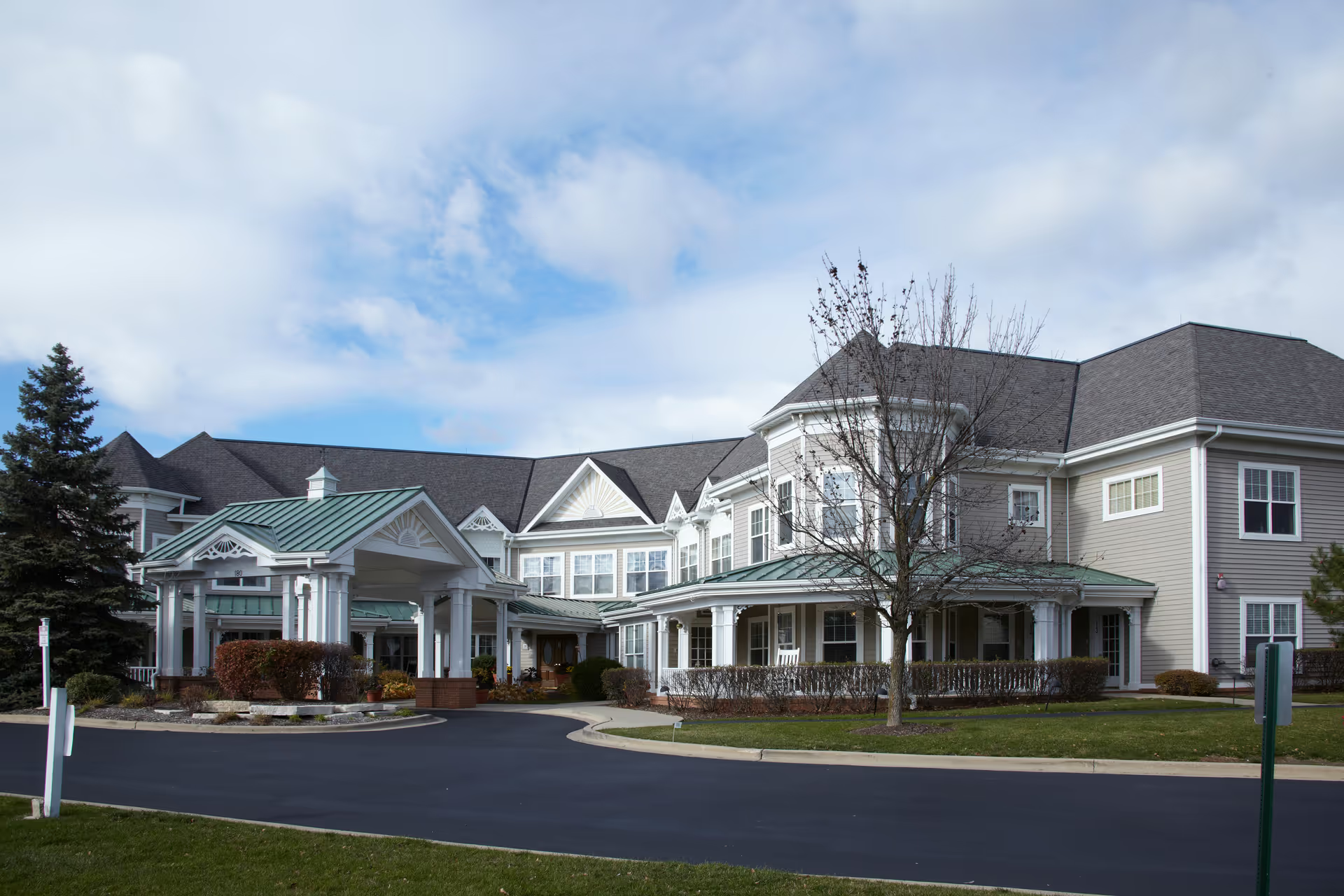
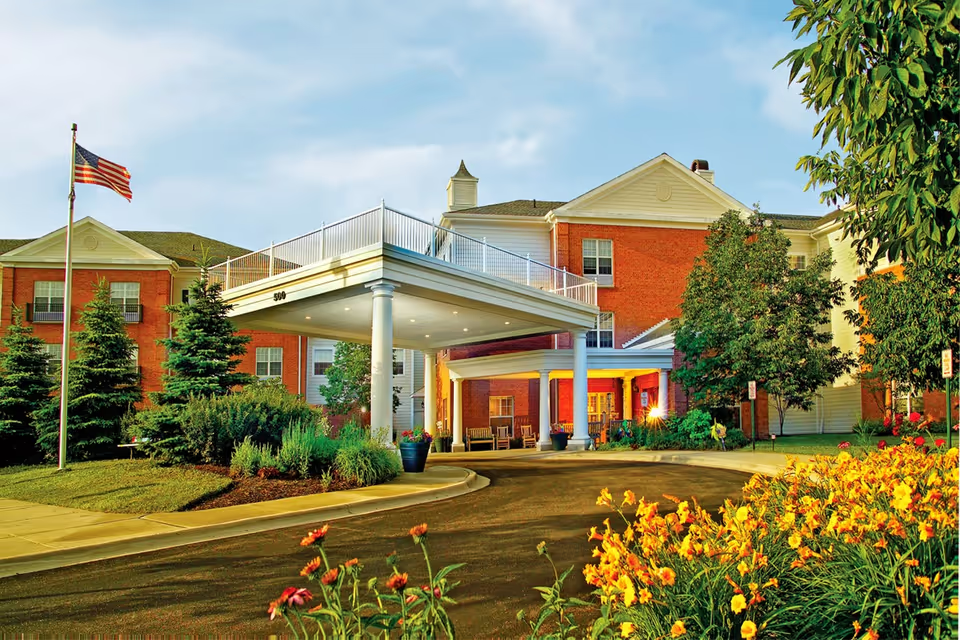
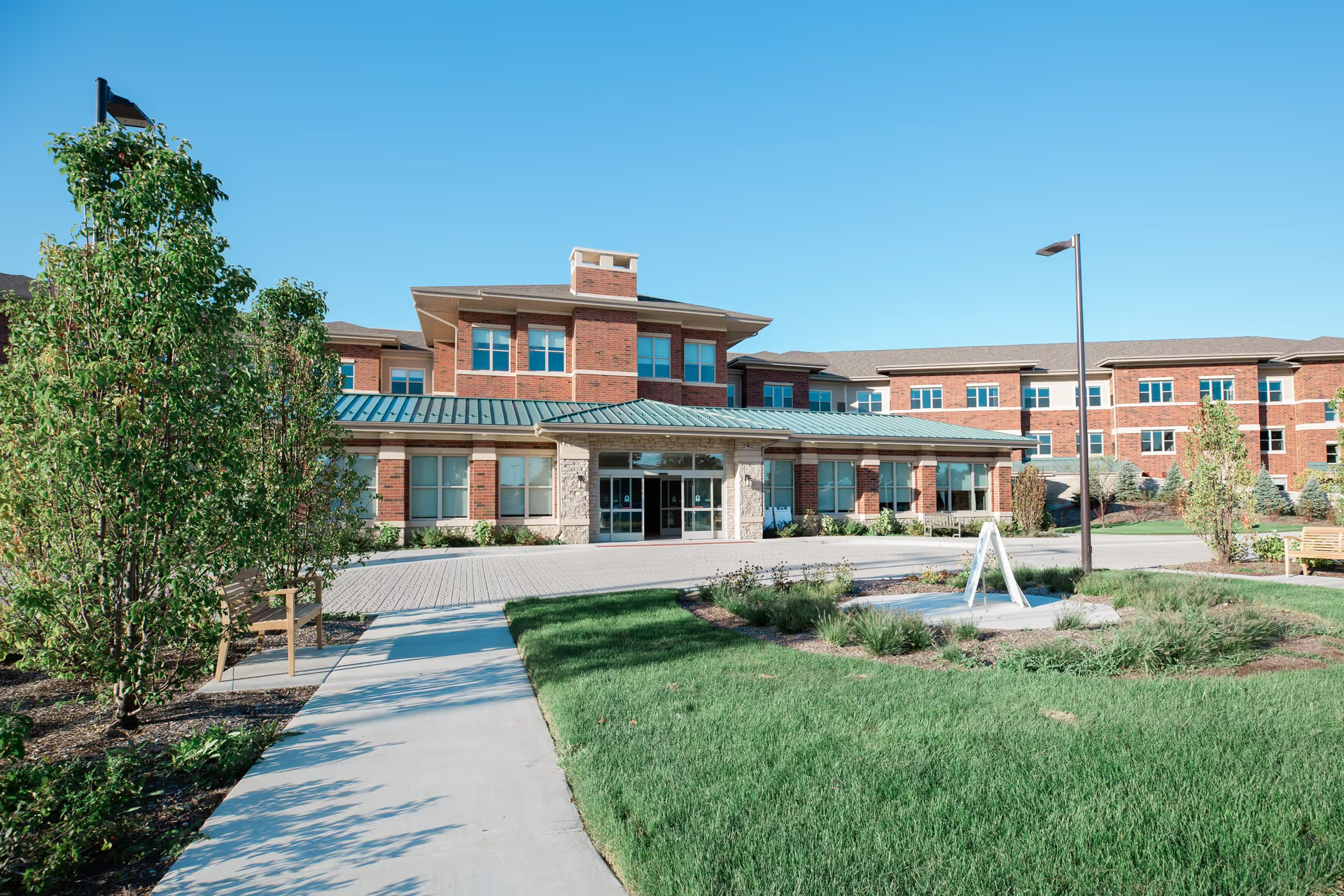
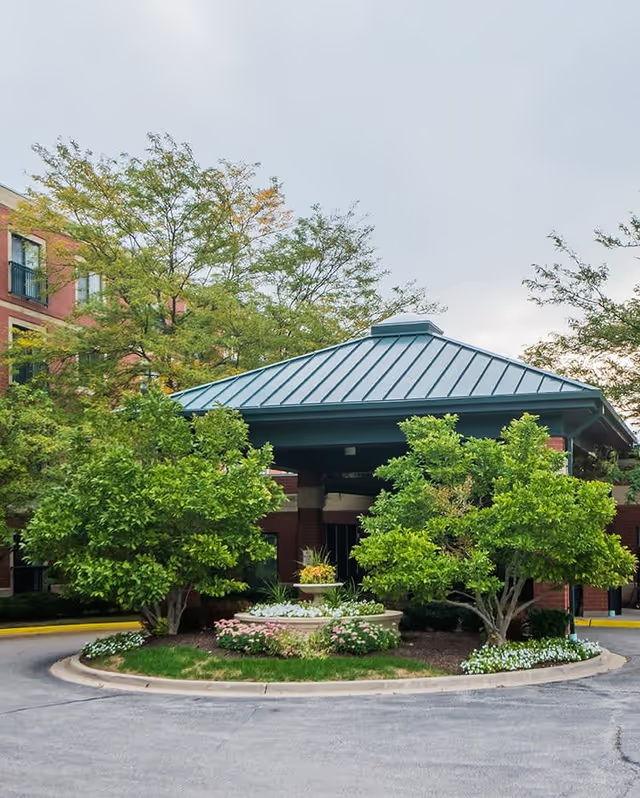
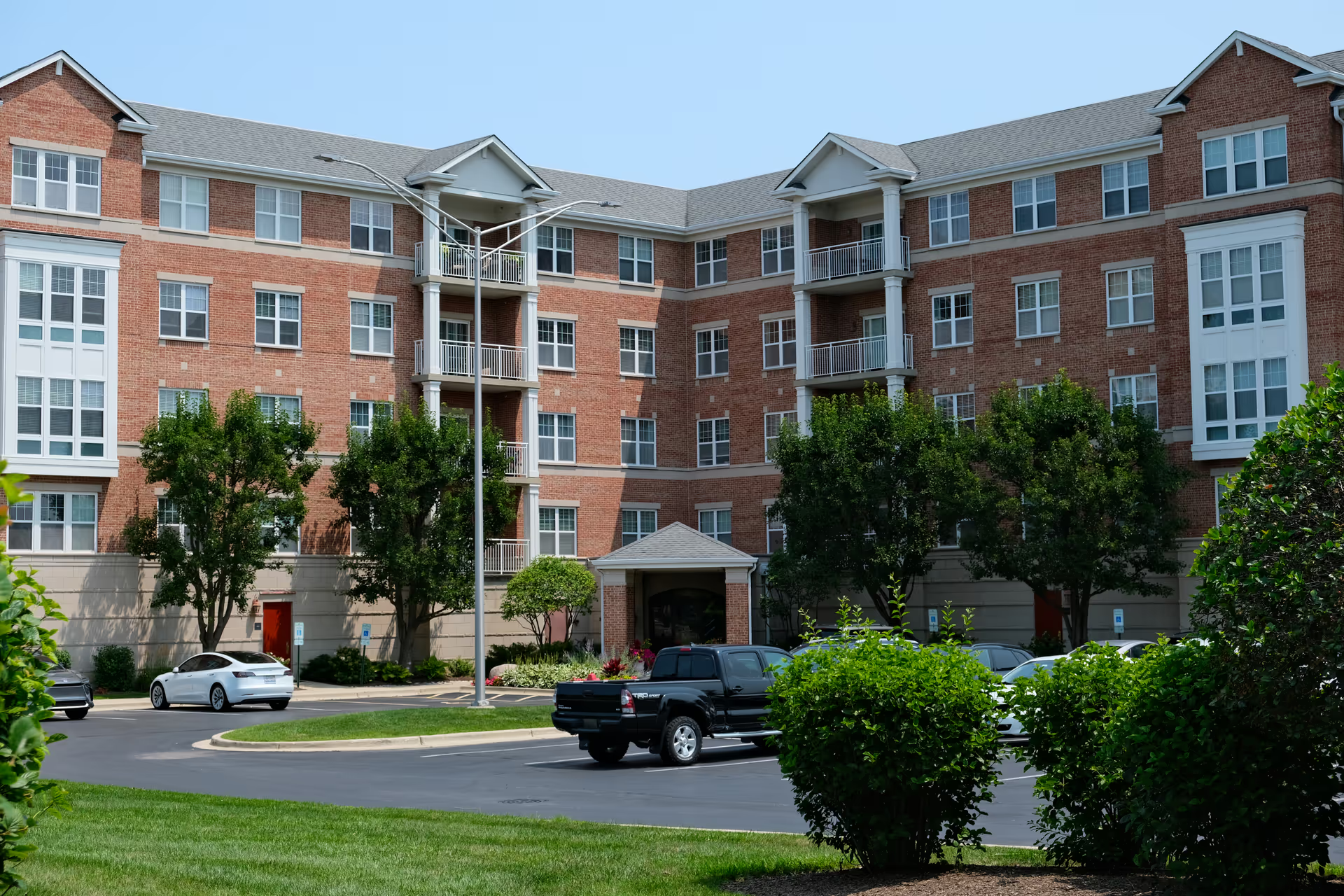
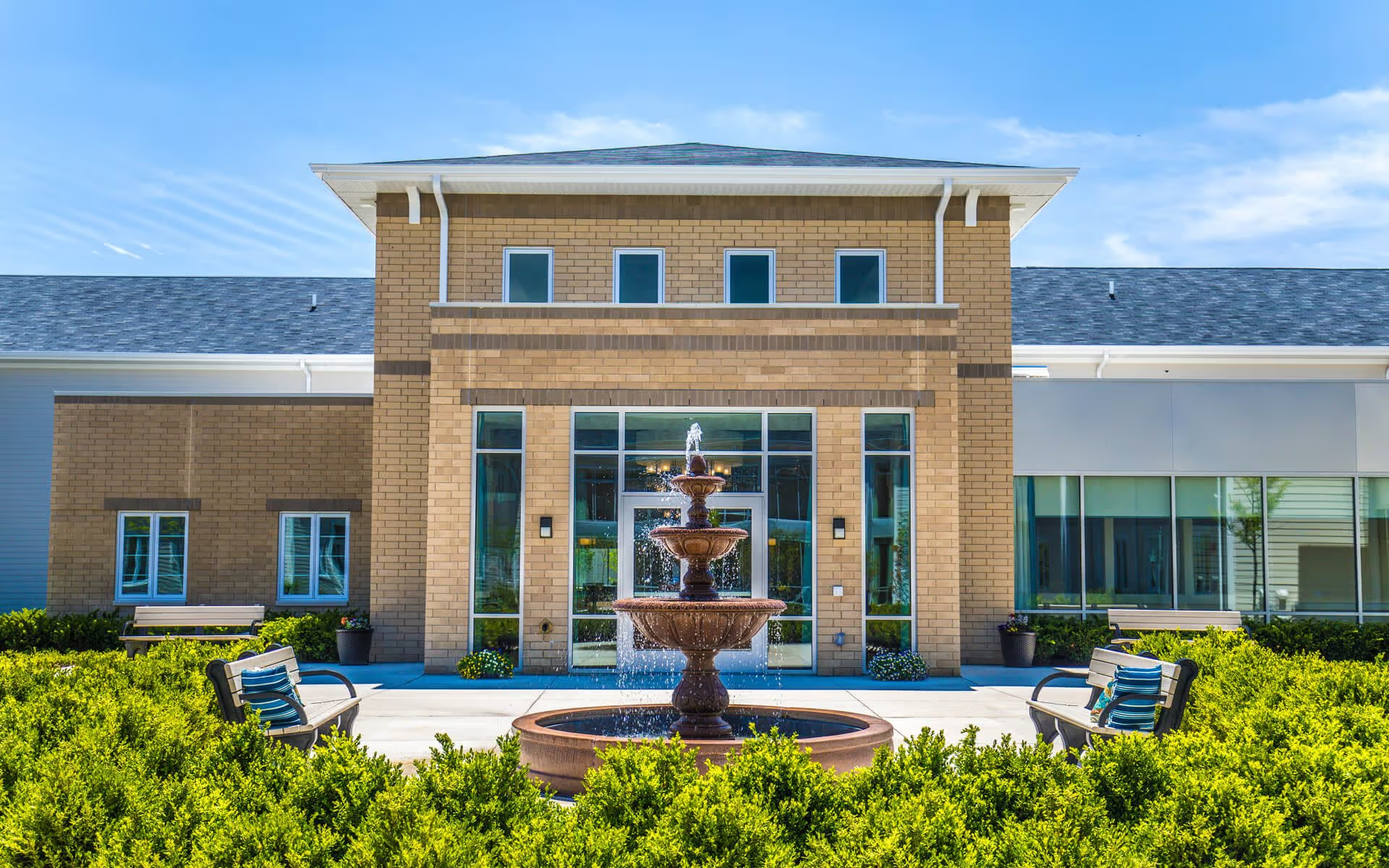
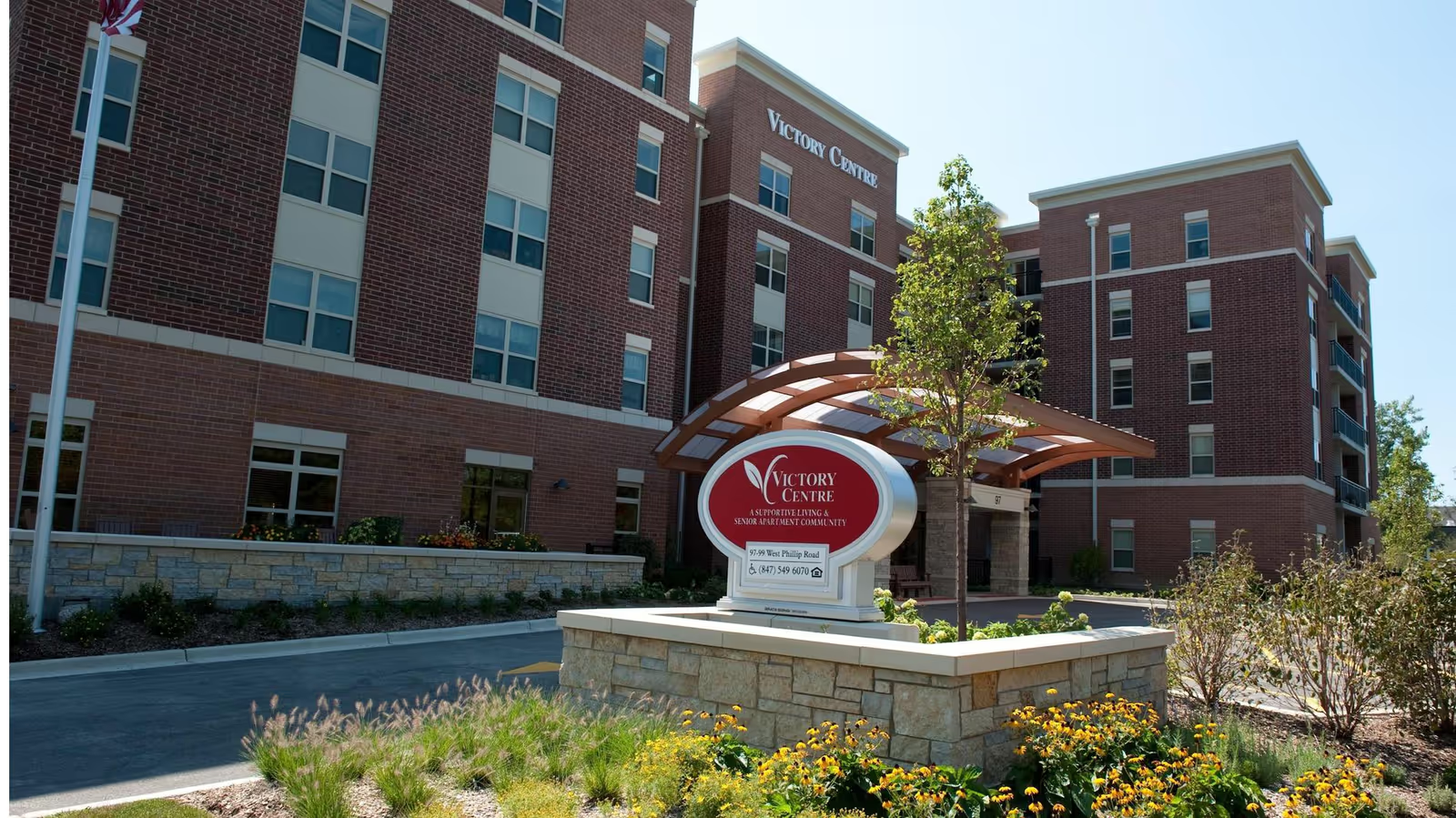
Sedgebrook is presented consistently as a well-appointed continuing-care retirement community with a large, park-like campus and a broad on-site clinical infrastructure. Reviewers emphasize the presence of a full-service medical center staffed by geriatric physicians, 24/7 first-aid technicians and EMTs, and in-house rehabilitation therapists. These features, together with active infection-control practices during the pandemic, contribute to a strong perception of safety and medical support for independent living residents.
Staffing and daily operations are recurrent strengths. Descriptions of staff commonly note professionalism, warmth, and responsiveness across clinical, hospitality, and maintenance teams. Many residents and families praise fast maintenance response, attentive housekeeping, helpful front-desk service, transportation drivers, and the willingness of staff to go beyond routine duties during transitions. The community atmosphere is described as friendly and highly social, with active resident-led groups, gardening opportunities, volunteer roles, and numerous special events that support social engagement and mental stimulation.
Dining and activities form a central part of the Sedgebrook experience. The campus offers multiple dining venues, including a casual option, a formal dining room, and a bistro, with many reviewers commending the culinary program and chef-driven menus. At the same time, there is a pattern of mixed feedback: while several accounts describe excellent, varied meals, other accounts characterize certain meals or holiday services as institutional or disappointing. Activities are a clear strength — reviewers note extensive programming (exercise classes, clubs, outings, lectures, and performances) and strong recreational amenities such as a pool, fitness center, and library.
Notable facility-level concerns are concentrated in a few operational areas. Affordability and the ownership model are frequent pain points: the community's buy-in structure and high entrance fees raise accessibility concerns for prospective residents, and some families report frustration with funds tied up until resale. Communication about the resale process and timing has been described as slow or unclear in some cases. Clinical continuity is another theme: several reviewers indicate intermittent medical-staff turnover or reduced accessibility to certain medical personnel, and rehabilitation/skilled-nursing experiences are mixed, with some families reporting less satisfactory outcomes. Finally, while general maintenance and landscaping are praised, there are isolated notes about cosmetic updates (for example, hallway carpeting) and variable housekeeping consistency across units.
Overall, Sedgebrook is portrayed as a high-amenity, safety-conscious CCRC with a strong social culture, comprehensive onsite clinical services, and extensive programming. Prospective residents and families should weigh the community's robust medical and social offerings and well-maintained grounds against the financial commitment required by the buy-in model, potential variability in dining and rehabilitative experiences, and the possibility of episodic staff turnover or resale-process communication issues. A focused visit that includes meetings with medical staff, a review of rehab outcome processes, and explicit clarification of the financial/resale timeline would help address the most commonly cited concerns.