Reviews of Countryview Care Center of Macomb present a polarized picture: many accounts praise direct-care staff for warmth, attentiveness and a family-like atmosphere, while other accounts describe systemic operational shortcomings that affect resident experience and safety. Positive comments consistently highlight compassionate caregivers, friendly interactions, and instances where staff went above and beyond to coordinate care and support families. Several reviewers also noted improvements in activities after new activity staff were brought on, and multiple comments describe food quality as tasty and improving compared with earlier experiences.
Care quality is described as uneven. Positive narratives emphasize attentive, professional caregiving and meaningful social interaction. Conversely, a number of reviews identify operational weaknesses that affect basic care delivery: chronic understaffing and staff workload strain, delays in assisting residents with toileting and transfers, and concerns about medication-administration practices. These operational issues manifest as slower response times and inconsistent assistance for mobility and personal care needs, which families say can cause emotional distress.
Dining and activities receive mixed but actionable feedback. Many residents and families report improved meal quality and more nutritious offerings; others note inconsistent menu availability and occasional gaps in meal-service continuity. Activity programming is described as improved when dedicated activity staff are present, suggesting that program quality is sensitive to staffing levels and leadership investment.
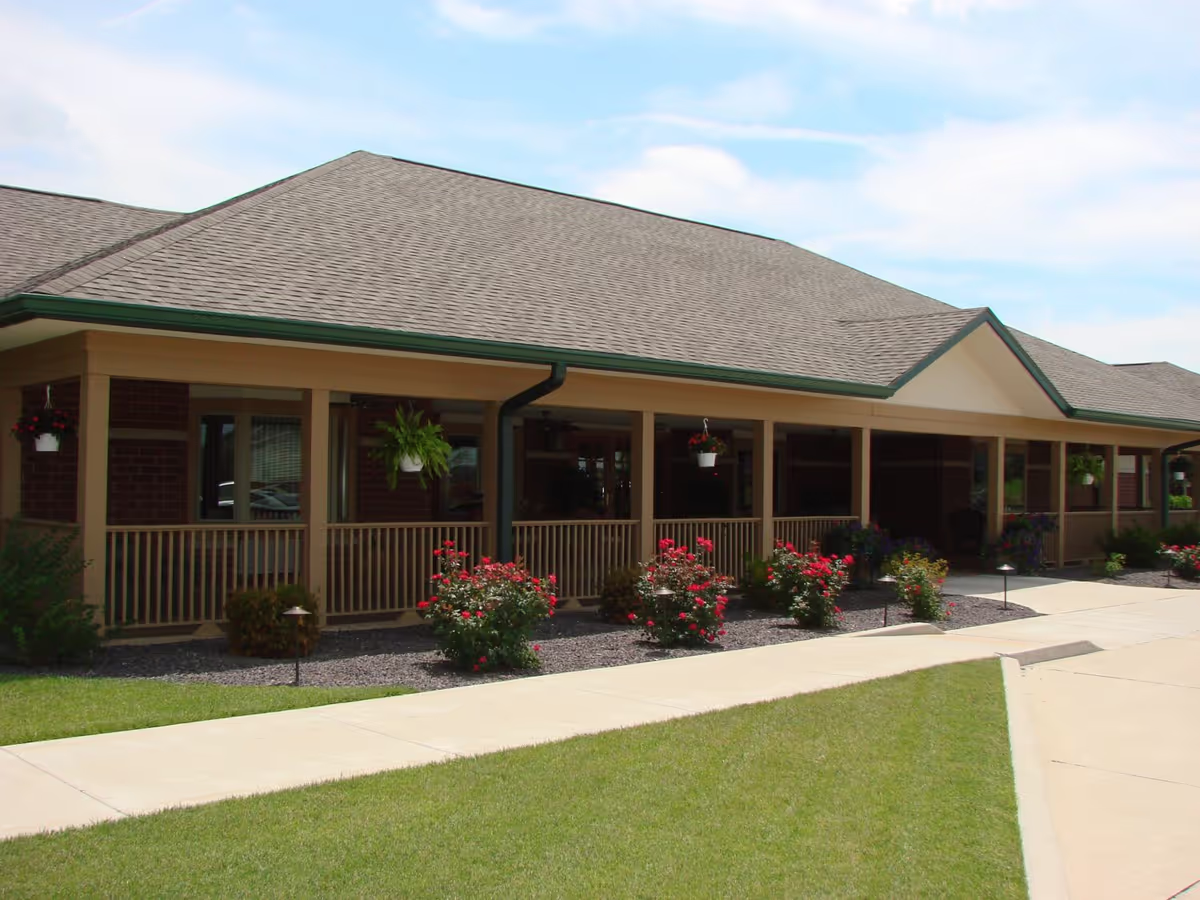
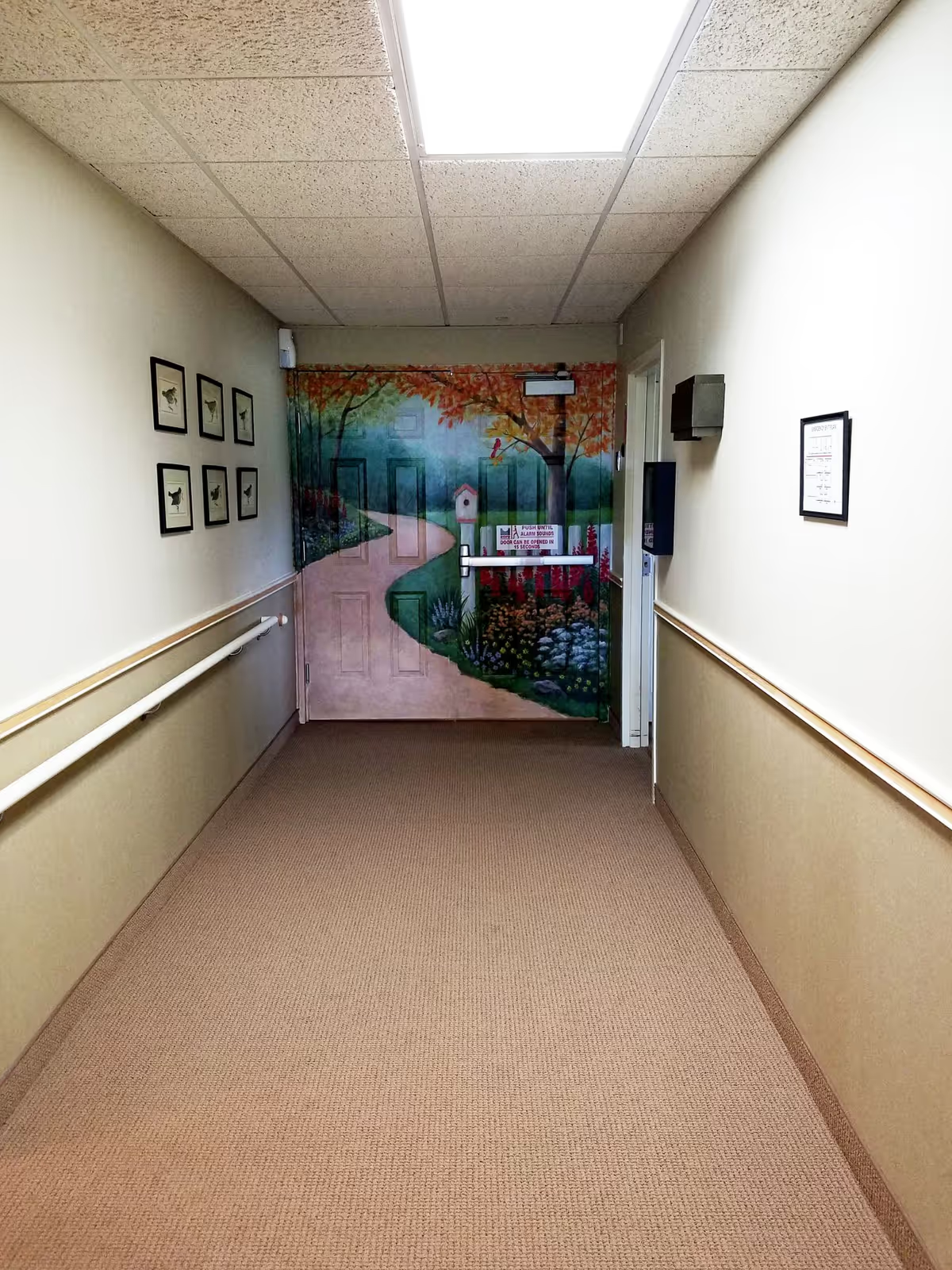
Facility and management themes are similarly mixed. Multiple reviewers praise cleanliness and a home-like environment, and some families singled out past administrators and social-service staff for strong leadership and supportive practices. At the same time, there are recurring concerns about management accountability, high staff turnover, and weaknesses in financial safeguards for residents. Infection-control shortcomings (including PPE compliance) and security/access-control issues were cited during an outbreak period, indicating areas that may need clearer protocols and enforcement.
Notable patterns for prospective residents and families: direct-care staff are frequently described as the facility’s strongest asset, while structural issues—staffing levels, medication-safety processes, incontinence-care responsiveness, and management oversight—appear to drive most negative experiences. If you are evaluating this facility, consider asking for current staffing ratios, documentation of medication-safety and transfer protocols, sample menus and therapy schedules, infection-control policies, and written procedures for resident financial safeguards. A tour that includes observation of mealtimes, activities, and staff–resident interactions may help clarify how consistently the positive aspects are being delivered and whether the operational gaps described in some accounts have been addressed.