Reviews for this facility are highly mixed, with clear strengths reported alongside recurring operational concerns. Positive comments center on an accessible admissions team and visible clinical staff who provide attentive care in many cases; families frequently singled out specific nurses, CNAs, and therapists for effective, compassionate work. The facility offers a range of activities (game nights, movies, arts and crafts), therapy services with noted successes in rehab, and amenities such as an exercise room, private party space, a secure atrium, and updated rehab/private suites in the newer wing.
Care quality descriptions vary substantially. Several families described thorough care planning, engaged licensed staff, and good hands-on nursing and therapy, particularly on the rehab side. Contrasting accounts raise concerns about inconsistent clinical practices: delays in attending to resident needs, problems with wound care and incontinence care, medication-management issues, and some transfers to higher levels of care. These issues appear to be concentrated at particular times, on specific shifts, or in older parts of the building rather than uniformly across the entire campus.
Staffing and staff conduct are recurring themes. Many reviewers praised individual caregivers, therapists, and some leaders for being compassionate and proactive; specific administrative and admissions staff were also commended. At the same time, multiple comments note chronic understaffing, overworked CNAs, and slow response times to call systems. There are repeated concerns about inconsistent communication with families, occasional unprofessional interactions, and insufficient accountability when problems arise.
Dining and daily services elicit mixed feedback. Some families and residents found meals acceptable and staff accommodating, while others cited inconsistent food temperature/quality and timing issues. Activity programming is generally viewed as a strength for residents who can participate, though mobility limitations reduce engagement for some.
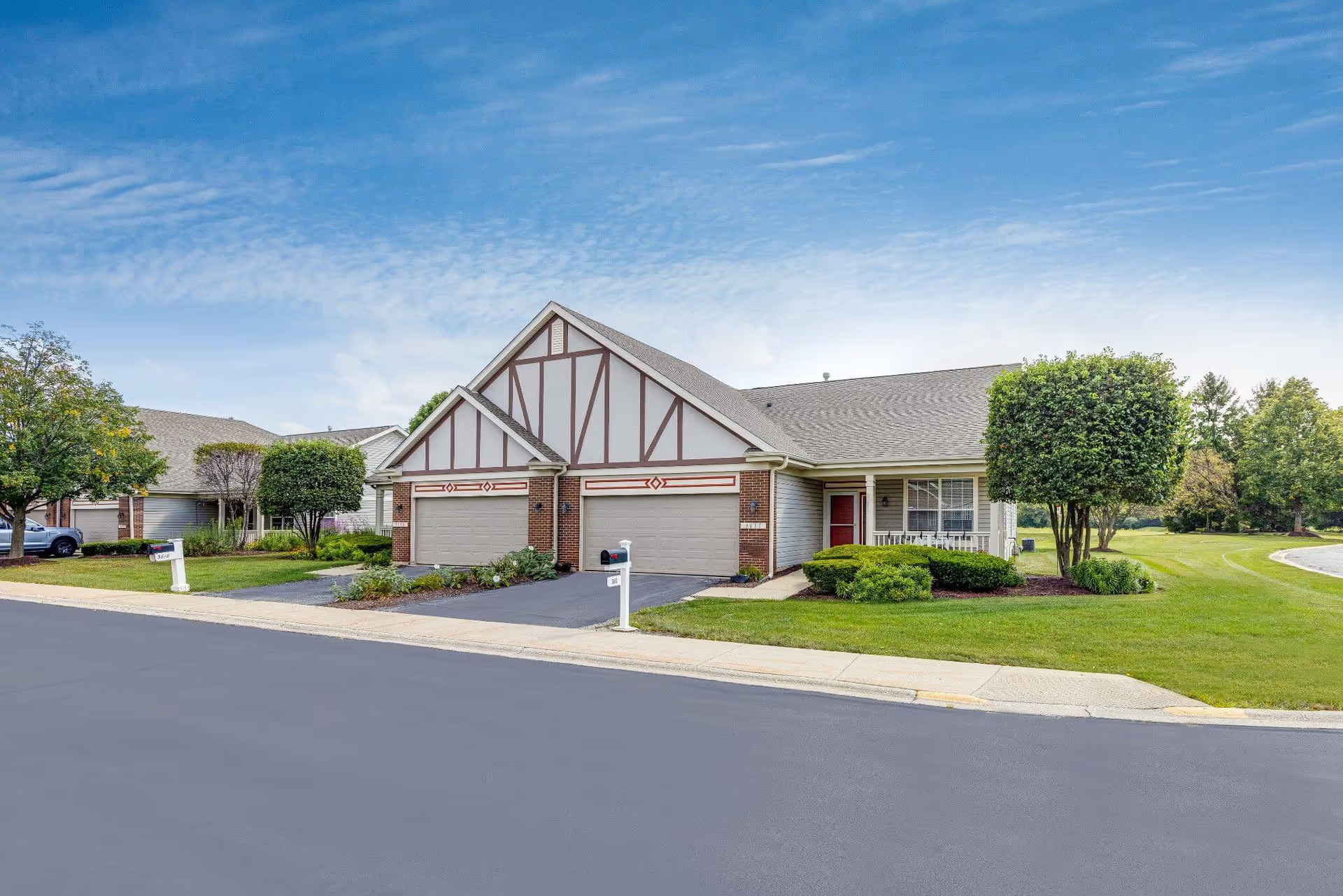
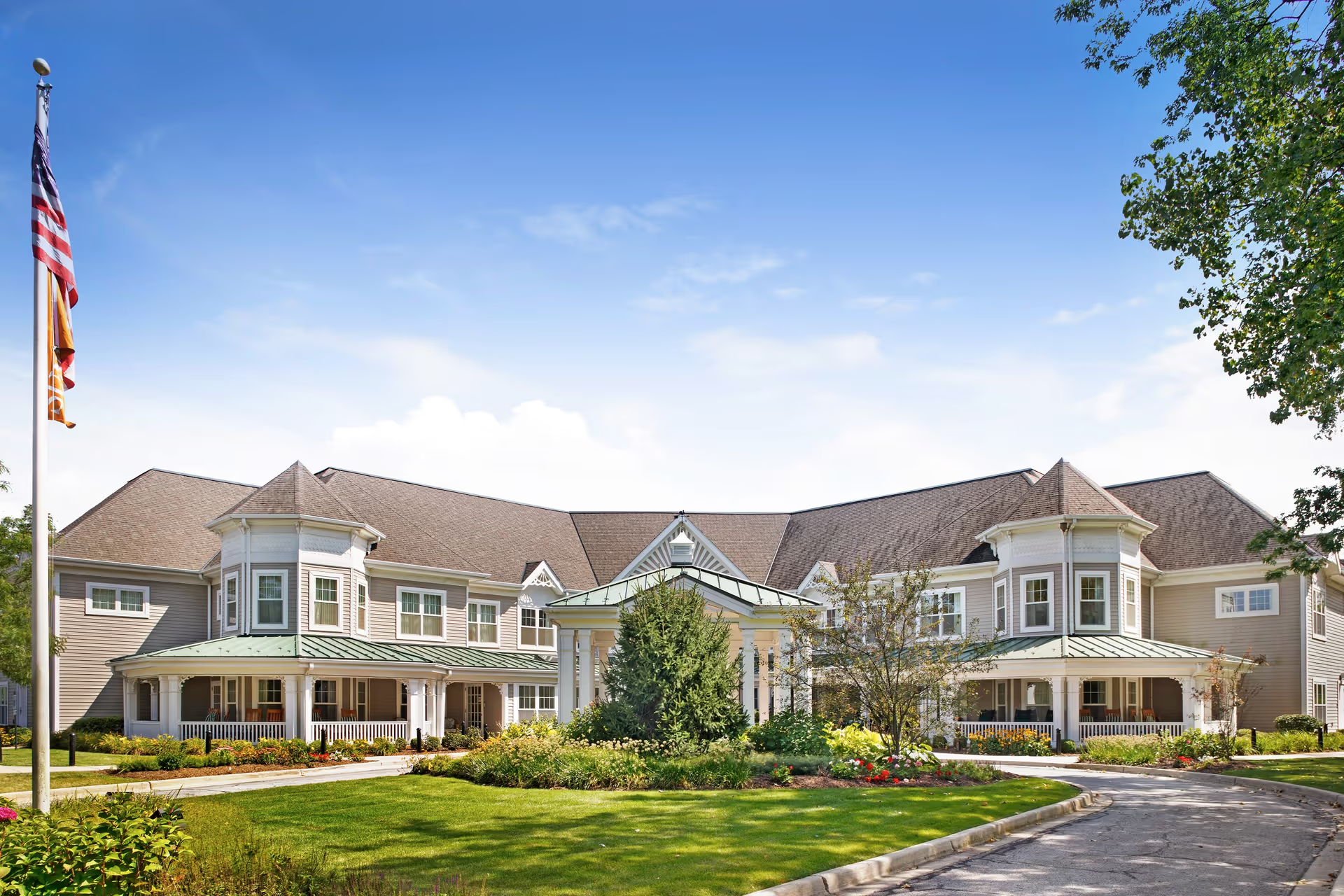
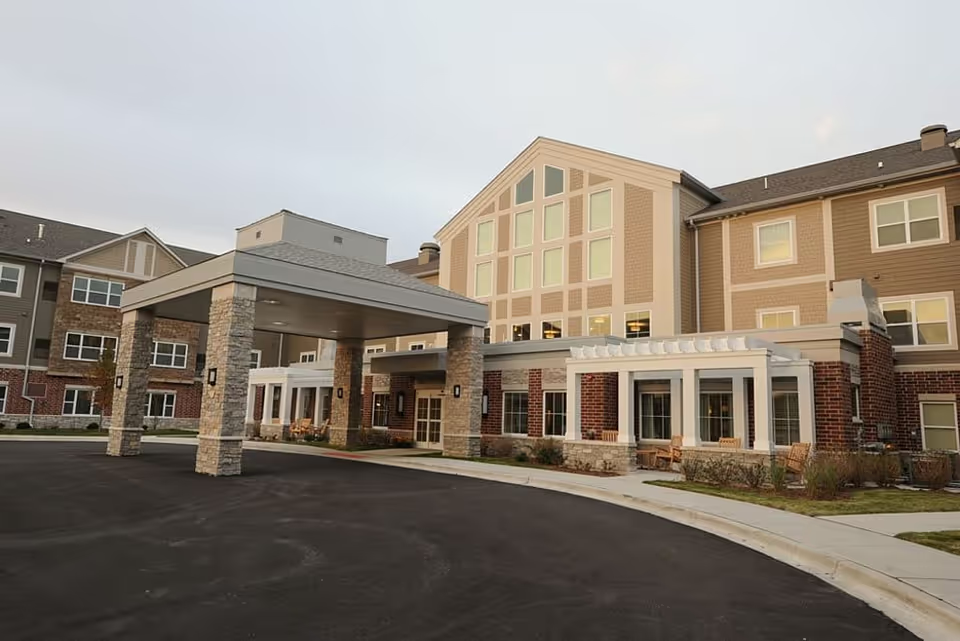
Facility condition and safety display a split pattern. The newer/front wing is described as bright, clean, and well maintained with seasonal décor, whereas other wings are characterized as dated with maintenance needs. Several reviews raise sanitation and odor concerns in certain areas, along with pest-control and laundry-related issues. Safety-related operational gaps were also noted, including fall-prevention practices, unsecured access points, and coordination problems around transportation and discharge.
Leadership impressions are mixed: some reviewers praise visible, responsive leaders and an engaged clinical director, while others describe slow or inadequate administrative follow-through, inconsistent enforcement of standards, and billing or charge disputes. A small number of serious incident claims (including allegations of theft and police involvement) were described; these merit follow-up and, if substantiated, regulatory attention.
Overall, prospective families should expect variability depending on unit, wing, and shift. Strengths include capable therapy services, a receptive admissions team, and engaged direct-care staff in many cases. Key risks to evaluate on a tour and during decision-making are staffing patterns and response times, specific unit cleanliness and odor, care-plan execution (especially wound and incontinence care), medication practices, and leadership responsiveness to concerns. Verifying current staffing levels, asking for recent quality metrics, and meeting the on-site clinical leadership are advisable steps before making a placement decision.