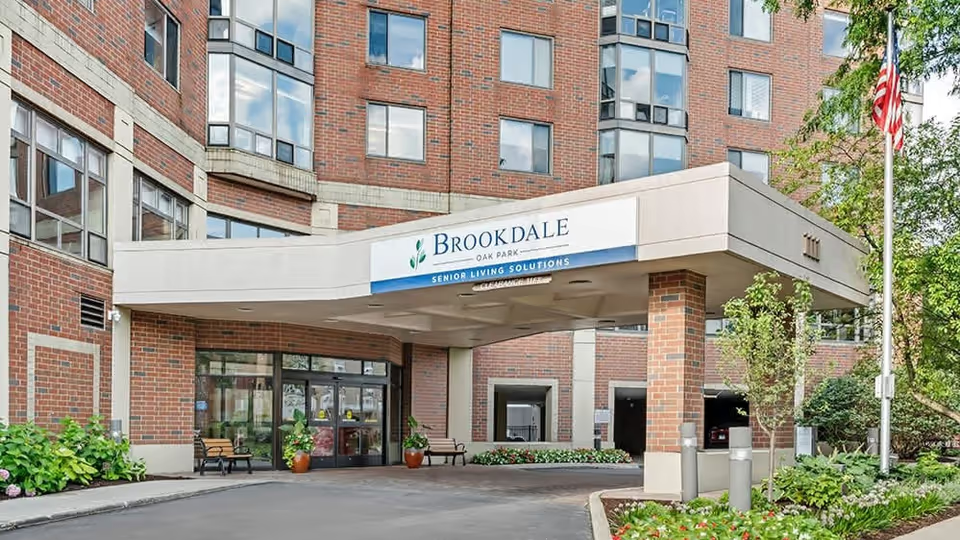
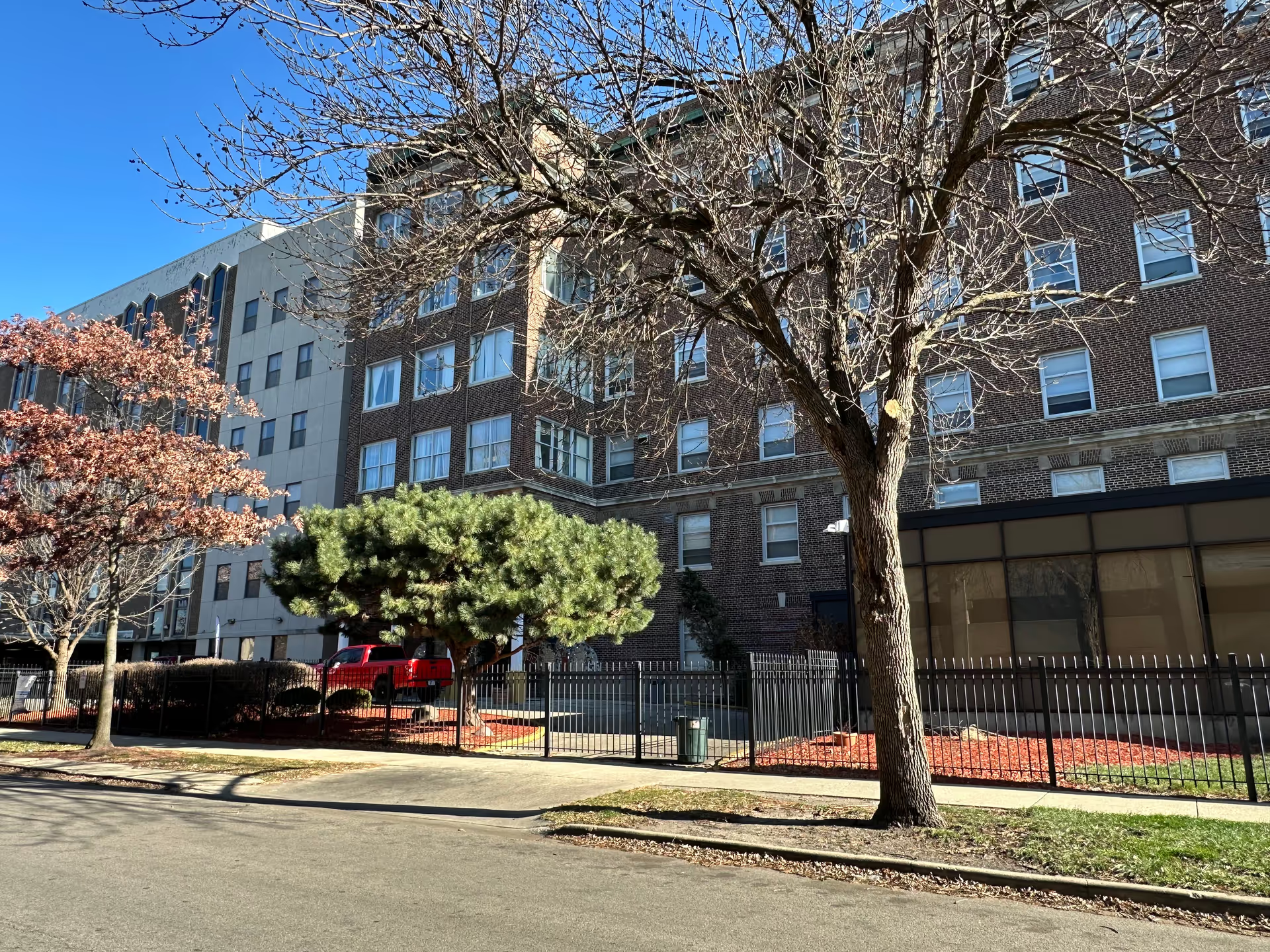
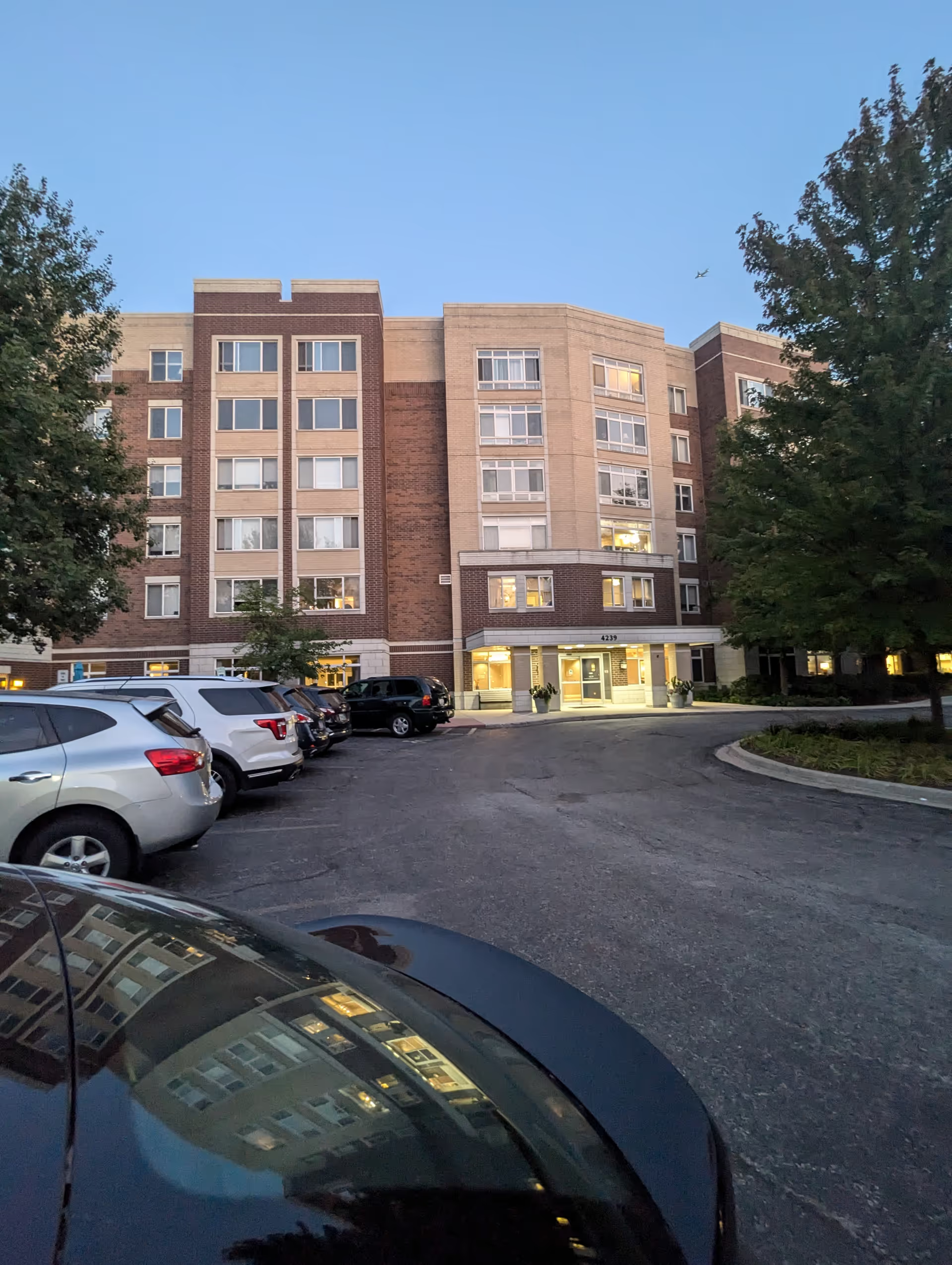
Families frequently describe Maywood Supportive Living as clean, attractive, and welcoming, with residents often settling in comfortably and appreciating the home-like atmosphere. Reviewers value staff members who help residents feel known and supported, and families describe positive outcomes such as increased comfort, social connections, and a continued sense of independence and dignity. Medication support is specifically reassuring to one family. However, these positive accounts are not uniform: a former worker raised serious concerns about resident monitoring and delayed escalation of acute health needs, including concerns following resident deaths. These claims are not independently verified in the reviews, but they make it important for prospective families to ask detailed questions about clinical coverage, monitoring, and escalation procedures.
Staff receive substantial praise, especially for the patience and practical help provided during tours, applications, paperwork, and move-ins. Lea Exson is repeatedly recognized for clear explanations, follow-up, and support to families; other staff members, including Daniel, Quita, and Patricia, are also thanked. At the same time, other reviewers describe unprofessional phone interactions, staffing shortages or turnover, and limited follow-through after complaints. Experiences with communication and staff conduct therefore appear mixed, and families may wish to clarify who handles care concerns and how responses are tracked.
The building is described as spacious and well maintained, with a full-sized, restaurant-style dining room, computer room, library, salon/barber shop, general store, and areas for residents to relax. Food receives positive comments, and reviewers mention birthday celebrations, movie nights, and other activities. One reviewer suggested adding cameras in elevators and hallways to support injury monitoring; the reviews do not establish whether this is a broader safety concern, but families can ask what monitoring and incident-response measures are in place.
Admission and service fit deserve particular attention. Several families praise the intake process, while other accounts describe uncertainty about eligibility or a mismatch between the services needed and those available. One family also reports that a move-in assessment resulted in a different eligibility decision than expected. Because supportive living may not meet every resident’s care or therapy needs, prospective residents should confirm admission criteria, the scope of daily and clinical support, therapy availability, staffing coverage, and procedures for reassessing needs. Overall, reviews portray a visually appealing community with strong transition support and many positive resident experiences, alongside meaningful questions about clinical responsiveness, communication consistency, and suitability for people with higher care needs.