St. Patrick’s Residence is a faith-based nursing and rehabilitation center that consistently draws praise for its compassionate, person-centered culture and spiritual supports. Many families and residents describe staff and administration as warm, engaged, and long-tenured; reviewers emphasize a family-like atmosphere driven in part by Sisters’ involvement and a visible commitment to pastoral care. The facility offers an on-site chapel, daily Mass and religious activities, and a variety of social programming—music, bingo, cultural events and active volunteer participation—which contribute to a socially active environment for residents.
Clinical and rehabilitative services receive generally favorable comments. Physical and occupational therapy programs are credited with helping residents regain mobility and return home in some cases. The memory-care unit is frequently described as attentive and caring, with staff who know residents by name. At the same time, reviewers describe variability in nursing-level clinical consistency: concerns include lapses in medication administration and documentation, occasional delays in responsiveness on certain shifts, and uneven therapy scheduling or quality. These issues point to operational gaps in clinical oversight and staffing consistency rather than a uniformly poor standard of care.
Dining and activities are strengths for many residents. Food quality is often described as good to very good, with the option for guests to dine with residents and multiple floor-specific dining areas. The activity program is broad, with frequent events, visiting entertainers, and outdoor garden access that residents and families appreciate. However, some accounts indicate inconsistent meal quality and intermittent dissatisfaction with therapy session delivery, suggesting variability between units or periods.
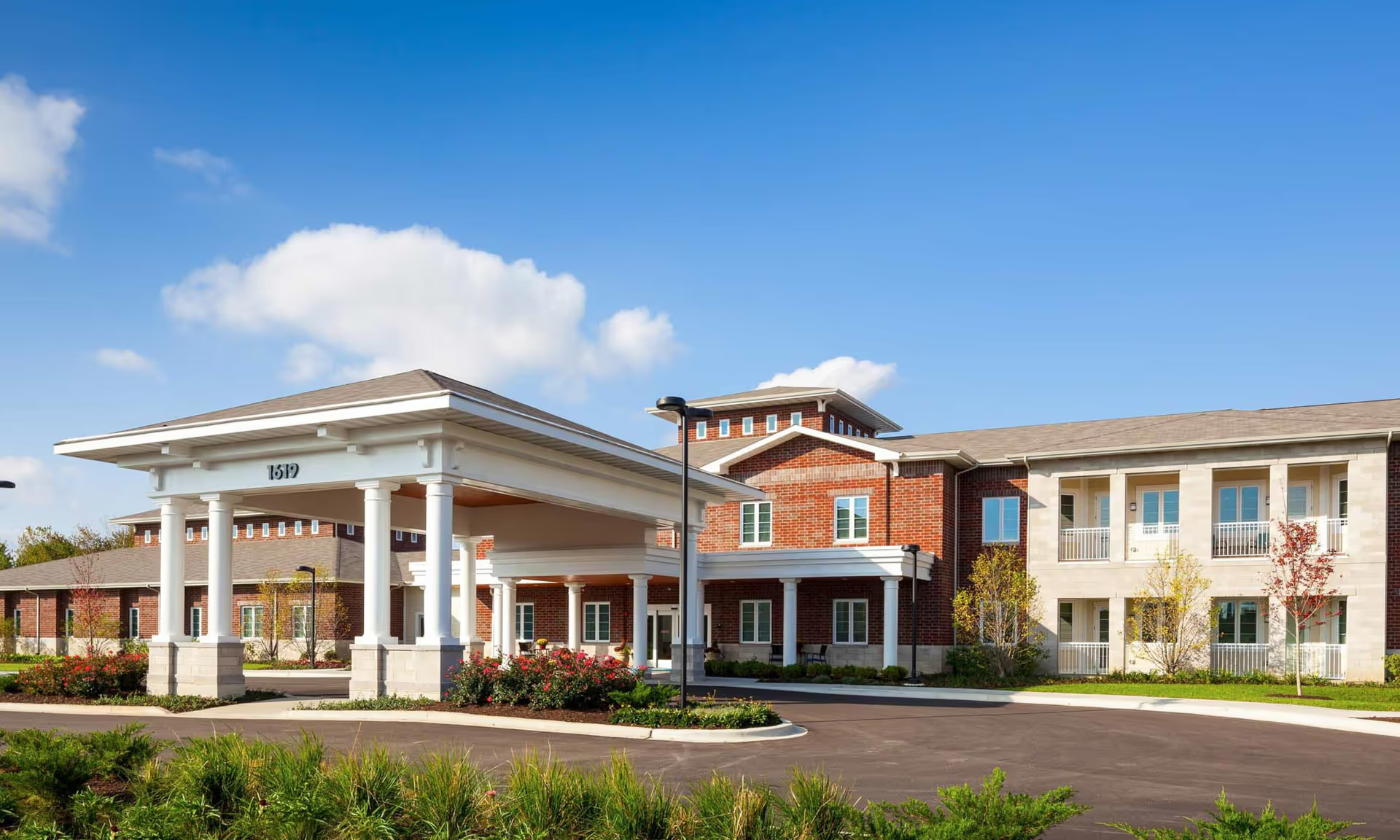
The physical plant is an older, well-maintained complex. Reviewers generally report high cleanliness in common areas, attractive grounds, courtyards, and a pleasant atrium, but also note that rooms can be small, semi-private, and have an institutional or hospital-like feel. Maintenance and groundskeeping are praised, yet the facility lacks some modern amenities and private assisted-living options that some families seek. Prospective residents should expect an older but cared-for building with limited single-occupancy private-room availability.
Management and communication receive mixed but largely positive feedback. Families often describe clear admission paperwork, timely communication, and administrative responsiveness. At the same time, reviewers raised operational concerns—primarily around clinical oversight, medication controls, and shift-to-shift staffing variability. There are also a small number of serious individual allegations, including claims of misconduct, that merit direct discussion with facility leadership and review of any relevant safeguards.
Overall, St. Patrick’s Residence is frequently recommended by families looking for faith-centered, compassionate care with active programming and strong rehab services in a clean, garden-oriented setting. Families considering placement should weigh the facility’s strong caregiving culture and spiritual offerings against the trade-offs of an older, institutional-style building and verify current practices for medication management, staffing levels, private-room availability, and dementia-specific expertise during their tour and intake discussions.