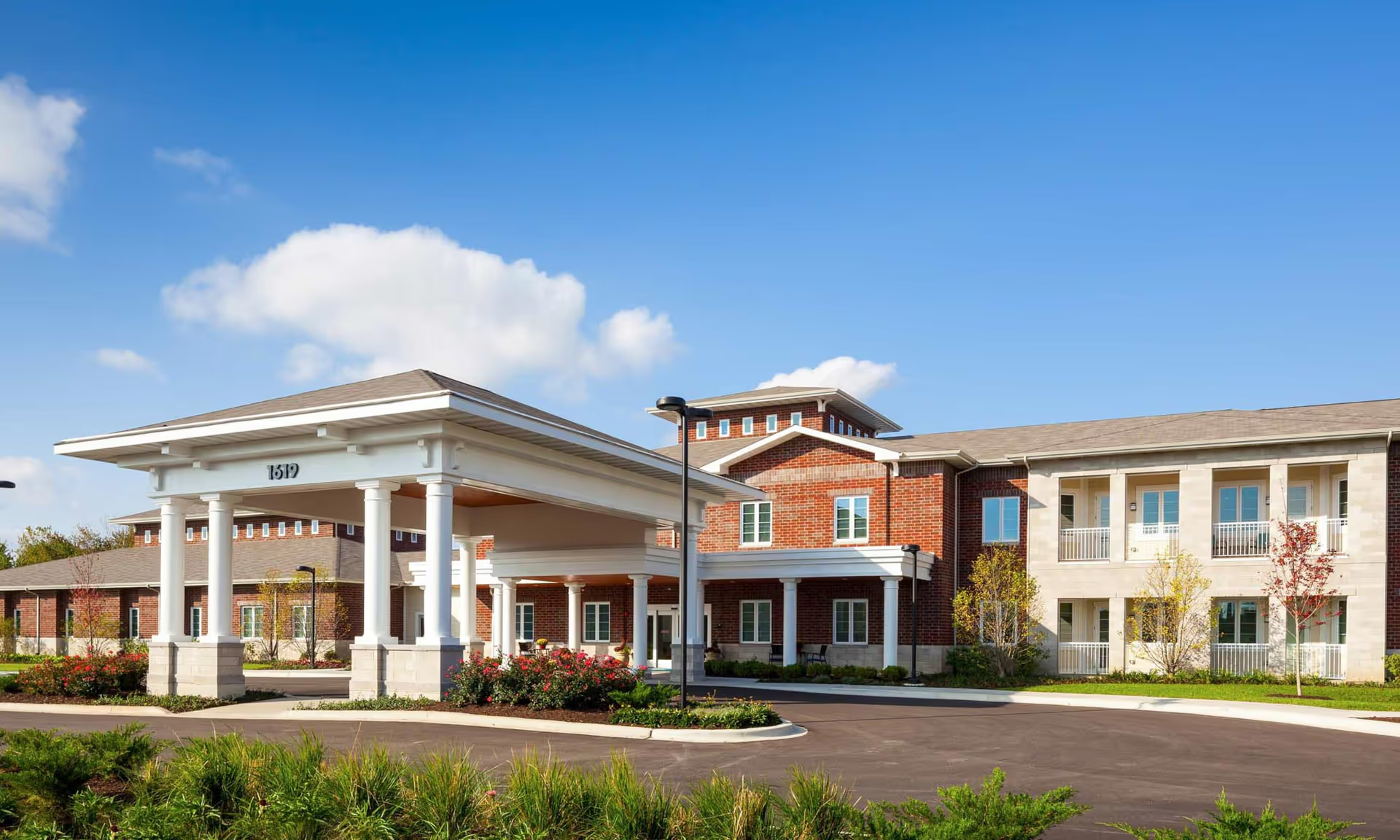
Overall impression: Tabor Hills presents as a campus with notable strengths in therapy-led rehabilitation, a continuum of care (including a memory-care wing), and a generally clean, landscaped environment. Review narratives frequently highlight effective rehabilitation outcomes, attentive nursing and therapy staff, and a range of social and personal-care amenities that support daily life and socialization. At the same time, reviewers describe a mix of experiences that point to variability in how those strengths are delivered across wings and shifts.
Care and staff: Clinical and caregiving staff receive consistent praise for compassion, attentiveness, and rehabilitation skill; families describe successful PT/OT outcomes and staff who support residents' dignity. However, there is a clear pattern of variability: some shifts or individual employees are perceived as less engaged, and reviewers describe delays in responding to call lights and occasional lapses in attending to basic needs. Staffing models that include agency therapists and variable scheduling appear to contribute to uneven continuity of care. There are also specific operational concerns about medication administration and diabetes-related tasks that families should clarify at admission.
Dining and activities: Dining is frequently cited as an asset—many reviewers describe above-average meals, generous portions, and a broad selection. A minority of accounts point to inconsistent food quality and occasional adverse dining-related effects, so dietary accommodations and monitoring may be important for medically fragile residents. The activities program is broad (salon services, music, manicures, trips, and group outings) and supports social engagement; nevertheless, programming is described as uneven for residents with mobility limitations and on weekends, and some pandemic-era reductions in group activities are still noted.
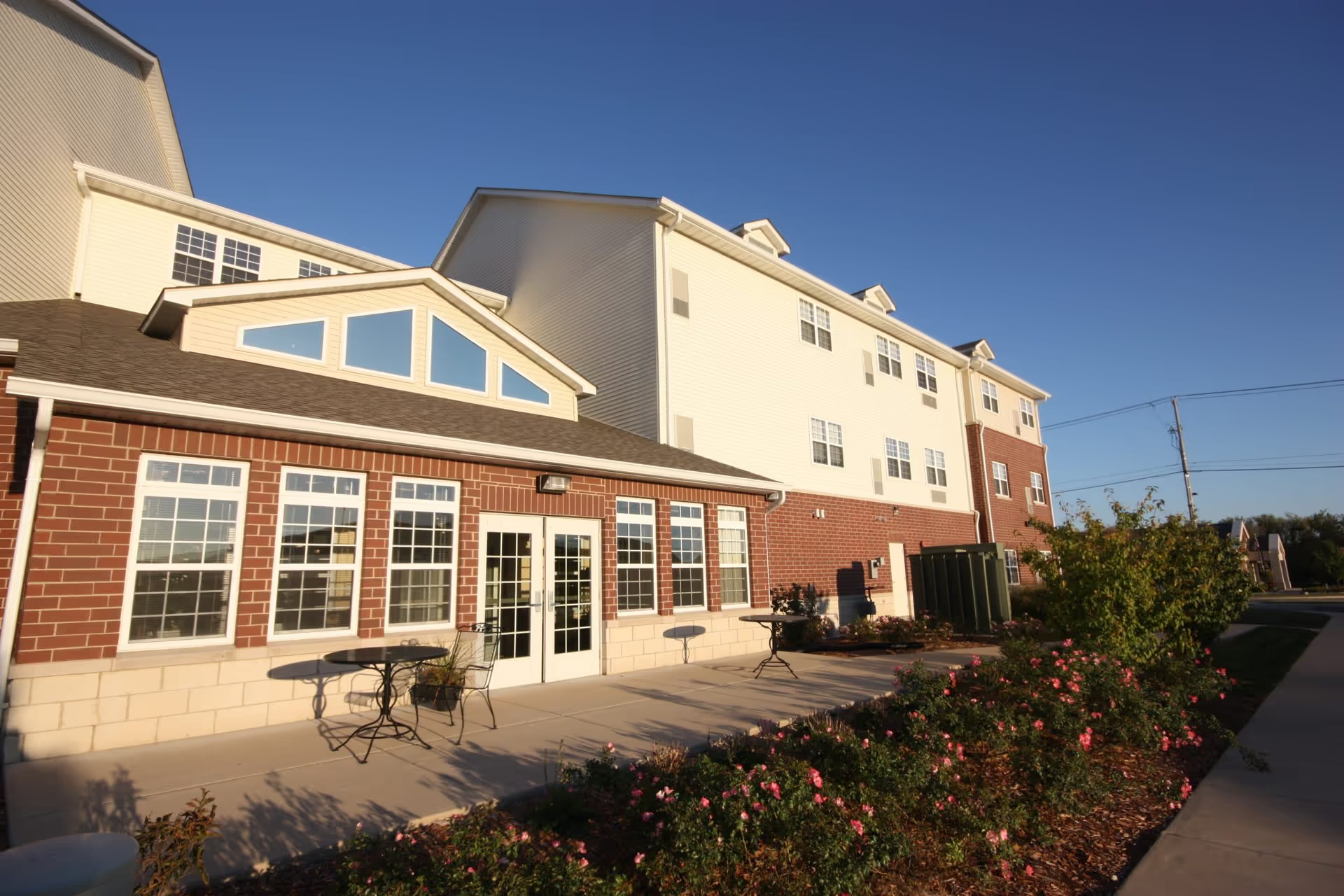
Facilities and amenities: The campus mixes recently renovated wings and well-appointed private-room bathrooms with older sections that show deferred maintenance (worn carpeting, older cabinetry, door hardware issues). Common areas and grounds are generally regarded as attractive and well cared for, and private-room options are available. Wifi is provided but coverage and strength are inconsistent in parts of the facility, which may affect telehealth and family video calls.
Management, admissions, and operations: Administrative staff and social workers receive positive mention for guidance and support during transitions, and the facility accepts Medicaid with some level of assistance available. Some families perceive admissions tours as sales-focused or insufficiently attentive to dementia-specific concerns; prospective residents should request detailed care-process explanations and observe staff–resident interactions across shifts. Infection-control policies (including frequent testing and visitation restrictions) have been strictly enforced, which reassures some families but has constrained visitation and activities for others.
Notable patterns and recommendations: Prospective residents and families will find strong rehabilitation services, a compassionate core staff, clean public spaces, and varied programming attractive. Important trade-offs include occasional variability in day-to-day caregiving responsiveness, reliance on agency staff that can affect continuity, uneven maintenance between wings, and inconsistent wifi and dining experiences. Before committing, families should (1) tour both renovated and older wings, (2) ask for current staffing ratios and use of agency personnel, (3) review medication- and diabetes-management procedures, (4) confirm activity availability for less-mobile residents and weekend programming, and (5) discuss costs and Medicaid assistance. These steps can help align expectations with the facility's operational realities.