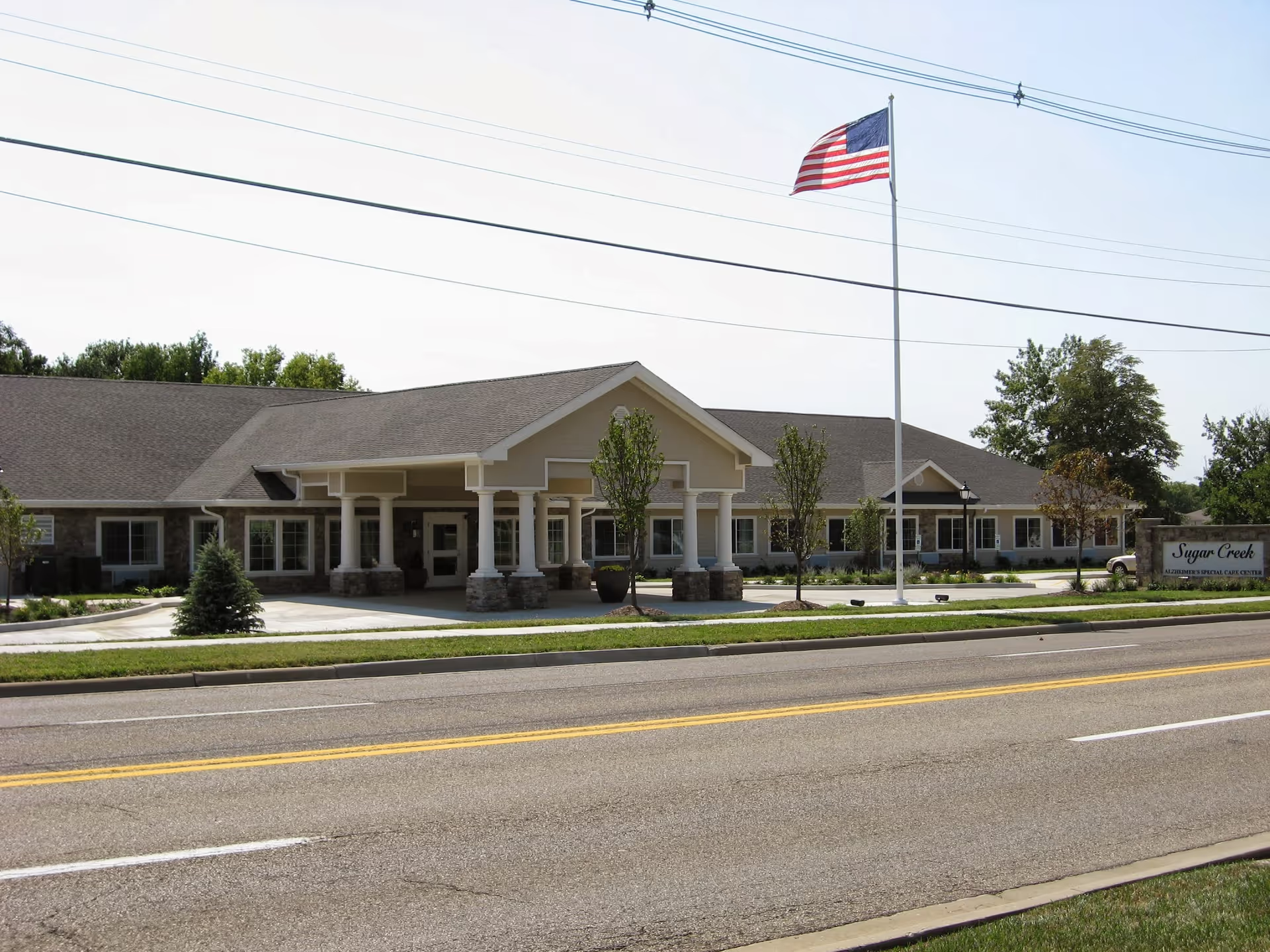
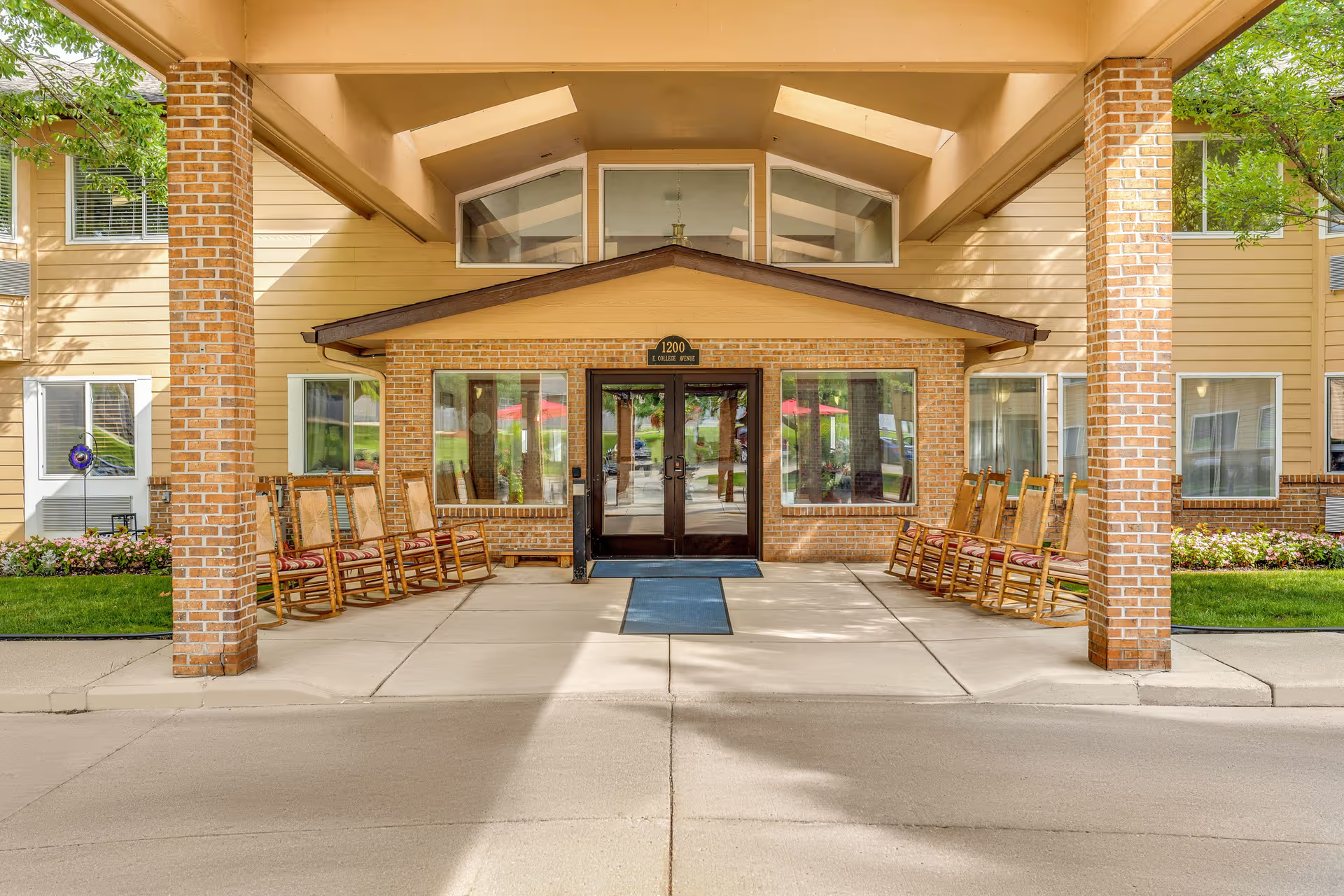
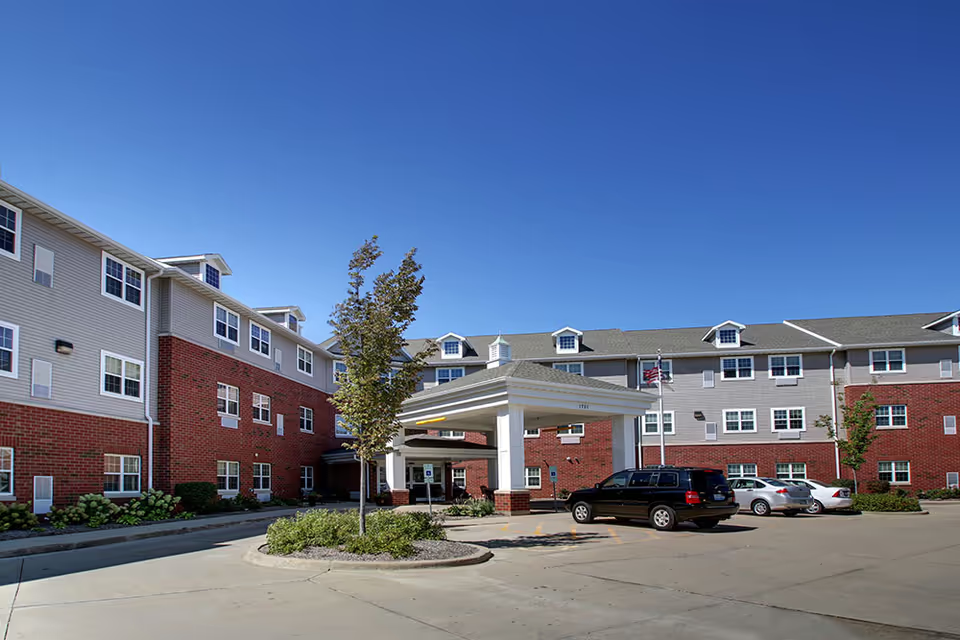
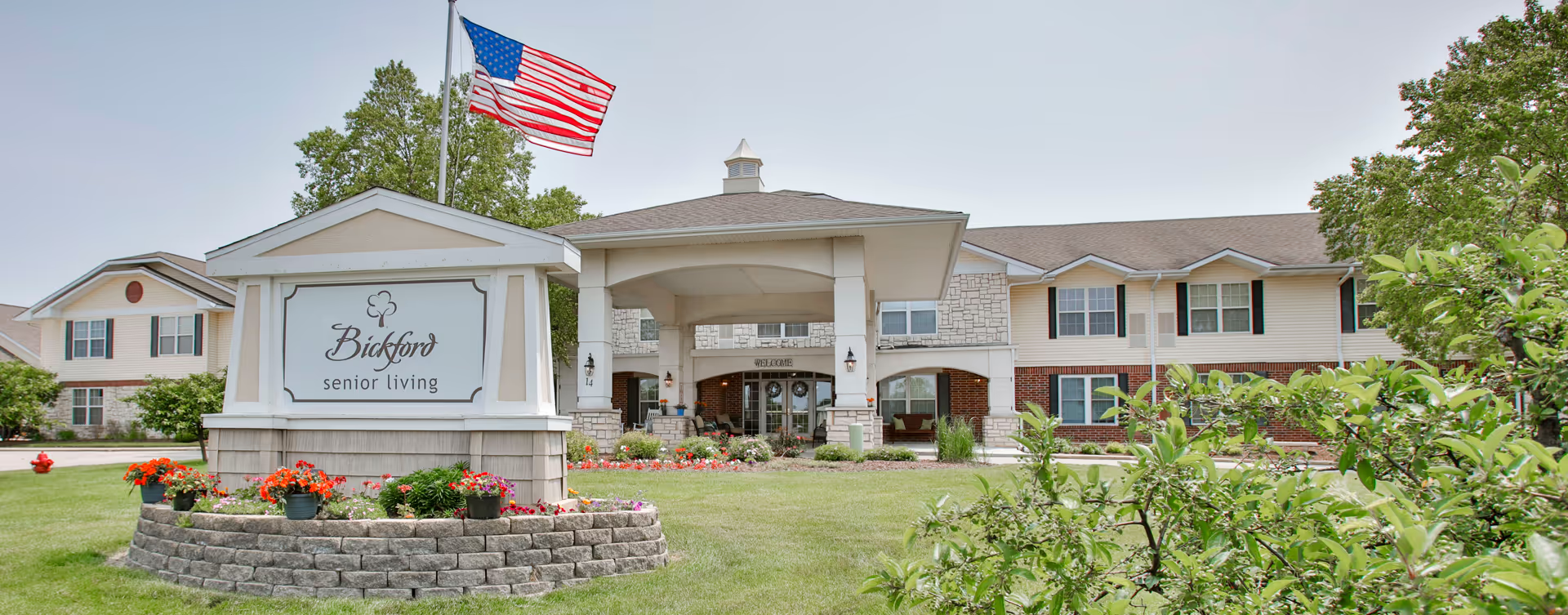
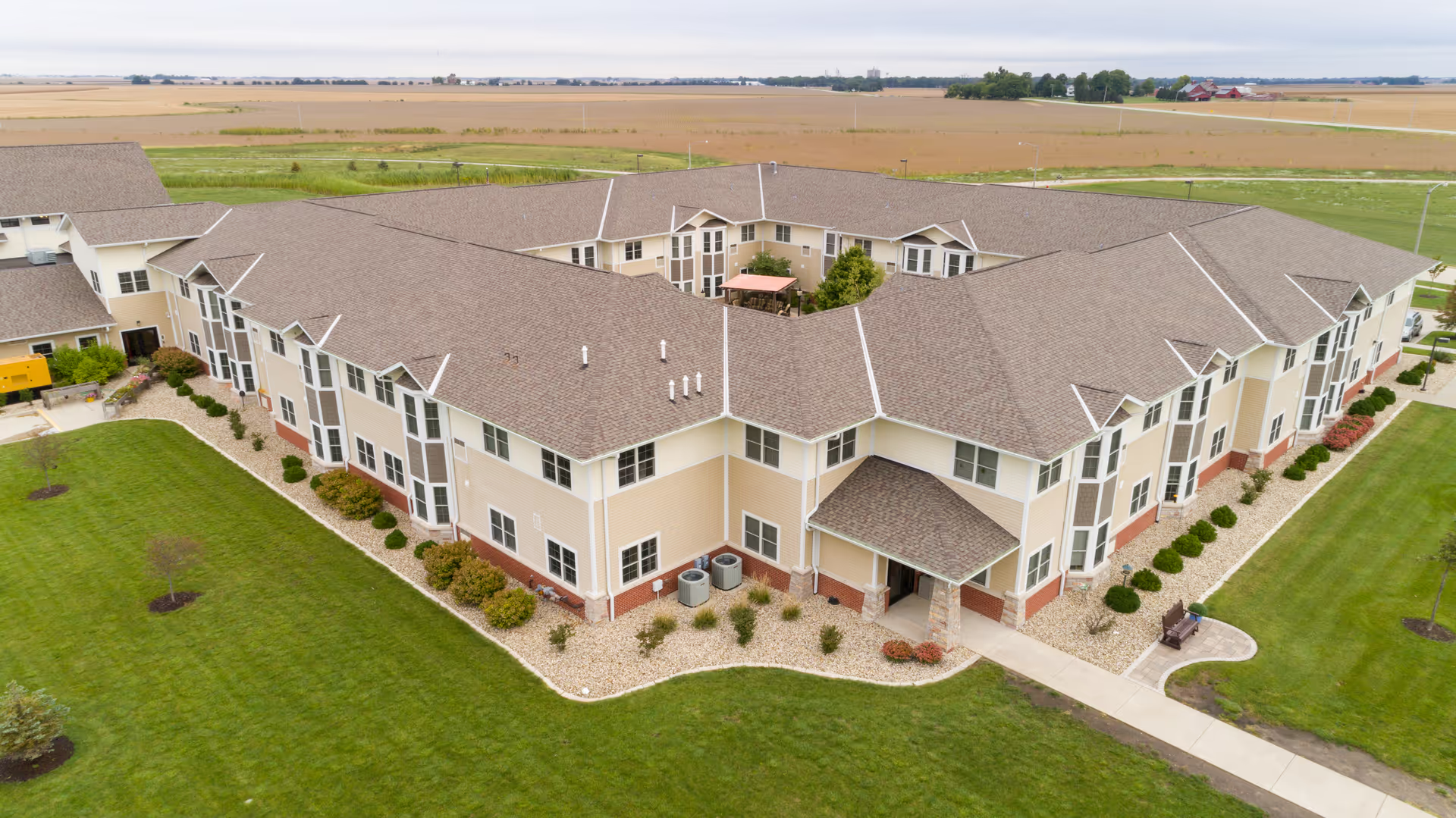
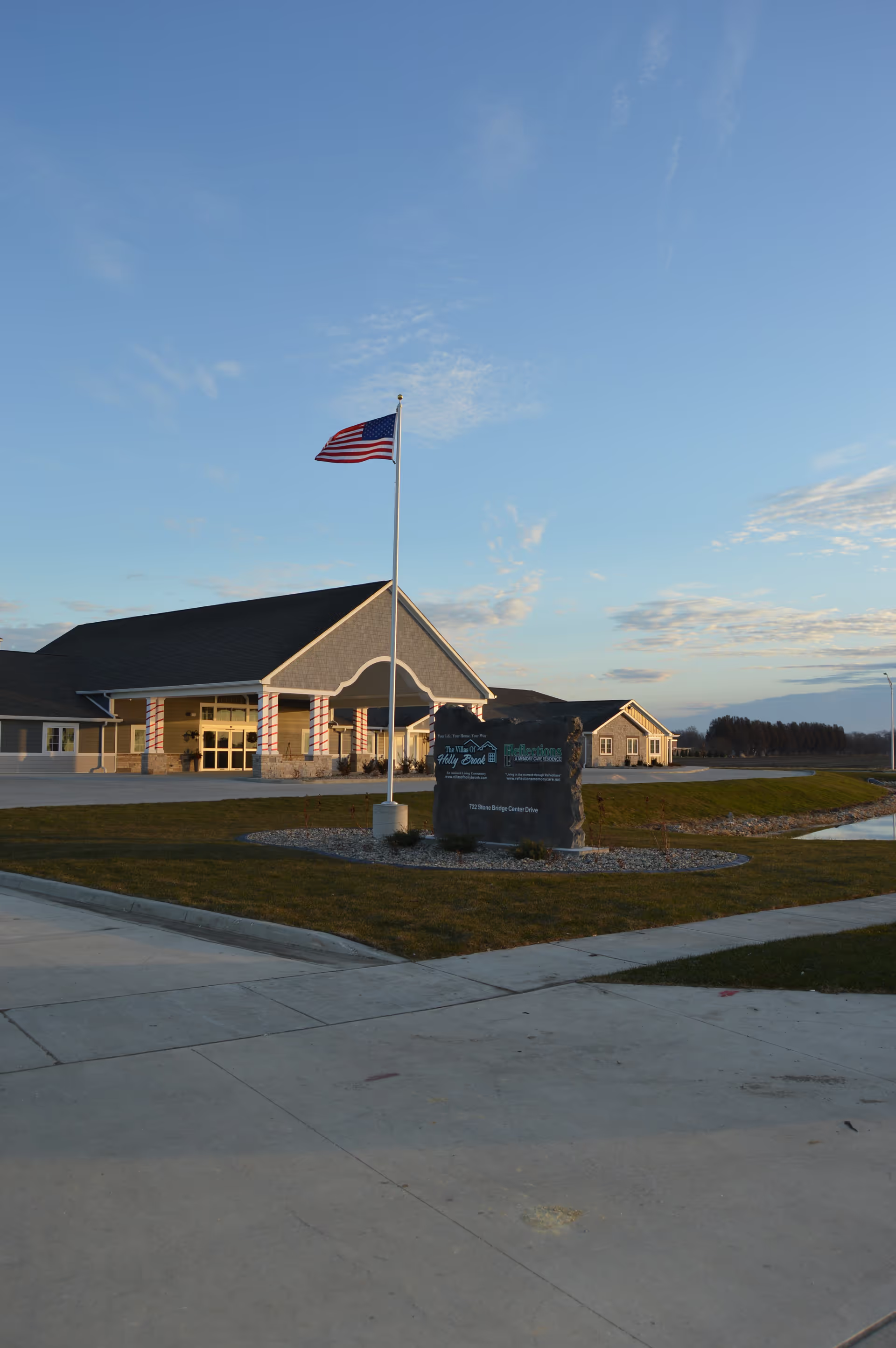
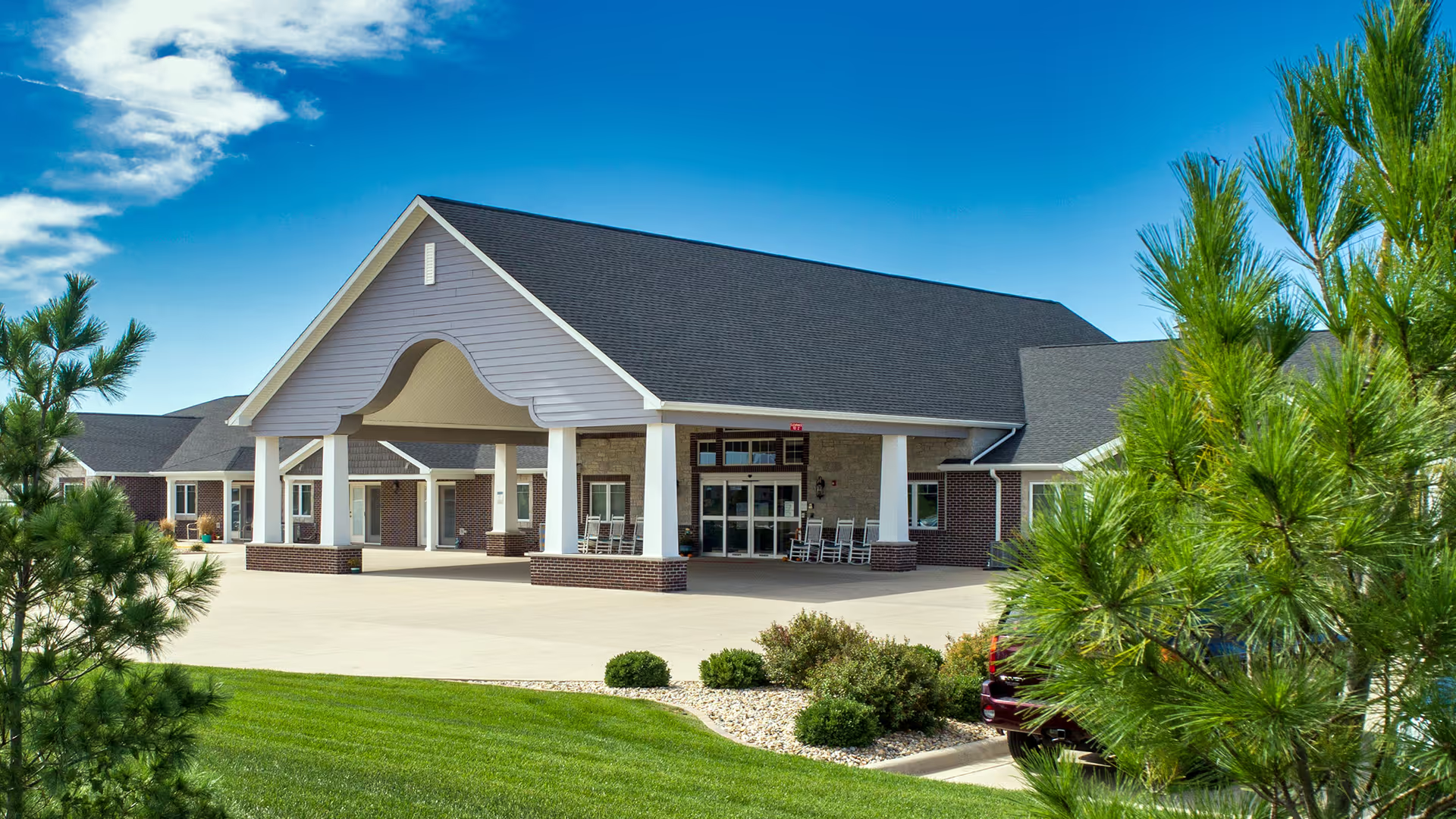
The Arc at Normal elicits a notably mixed set of impressions. Many comments praise front-line caregivers — particularly CNAs and therapy staff — for compassionate, personalized attention and effective rehabilitation that helped some residents return home. Several reviewers highlighted a Legacy or memory-care unit with active programming and described hospice involvement and end-of-life support as dignified and supportive. Physical aspects such as clean private rooms, comfortable lounges, outdoor patio space, shuttle service, and generally pleasant decor are also frequently cited as strengths.
At the same time, a recurring pattern of operational weaknesses appears across reviews. Staffing instability and the facility’s reliance on agency personnel have been associated with caregiver overload and uneven continuity of care. That staffing variability is tied to concerns about responsiveness: delayed assistance after falls or incontinence events, gaps in transfer and fall-prevention practices, and inconsistent follow-up with diagnostic testing or hospital transfers. Families also described instances where they were not notified promptly about clinical incidents, indicating gaps in incident-response and family-communication protocols.
Dining and clinical coordination are other mixed areas. Some accounts describe acceptable or good meals and attentive servers, while others identify inconsistent food quality, temperature and texture concerns, and practices that could present choking risk for vulnerable residents. Medication and care coordination issues — including questions about outside medications and the handling of outside physician interactions — were raised, suggesting room for clearer medication-management policies and consent/coordination processes. Documentation availability and access to care notes also appear inconsistent, complicating families’ ability to track clinical changes.
Facility upkeep and security surfaced as operational concerns. Multiple reviewers noted peeling paint, ceiling maintenance issues, and other deferred repairs. There are also reports of front-desk coverage gaps and access-control or exit-code management issues that create security and oversight vulnerabilities. Sanitation concerns and delayed incontinence care were mentioned in ways that indicate the need for stronger routines and supervision around basic care delivery.
Management and administrative communication are uneven. Positive comments reference approachable staff and strong leadership in some units, while critical accounts describe unreturned calls, billing errors, and an unresponsive or brusque management tone. Activity programming receives praise where present (memory-care activities, faith-based options, and social events), but availability was constrained at times by infection-control measures and staffing limitations.
Overall, the Arc at Normal demonstrates clear strengths in bedside compassion, rehabilitation services, and some well-appointed common spaces, but also shows recurring operational gaps in staffing consistency, clinical incident response, food-safety and meal consistency, maintenance, and administrative communication. Prospective residents and their families should weigh the facility’s strong therapy and hospice capabilities and the warm interactions reported with many caregivers against the documented concerns about staffing, safety processes, maintenance, and communication. When evaluating the facility in person, recommended questions include staffing ratios and use of agency staff, fall-prevention protocols and notification procedures, medication-consent and coordination practices, recent maintenance and sanitation audits, meal-service standards for texture/temperature, and how documentation and billing issues are handled.