Reviews of Asbury Gardens show a mixed but instructive picture: many families and residents praise the core caregiving teams, therapy services, and the physical campus improvements, while other accounts point to operational inconsistencies that matter most for higher-acuity and memory-care residents.
Care and staff: Positive experiences frequently cite compassionate, skilled nurses and CNAs, helpful rehabilitation/physical-therapy staff, and individualized attention from admissions and some unit managers. These strengths support transitions, short-term rehab stays, and resident comfort for many. Counterbalancing those accounts are repeated concerns about variability in frontline conduct, limited dementia-specific training for some therapy and caregiver staff, and intermittent lapses in clinical responsiveness. Several families described delays in care coordination or in notifying family members about significant clinical events; these reports point to uneven processes for communicating acute changes and managing medically complex residents.
Dining and activities: Dining staff are widely described as friendly and attentive, and many residents enjoy meals and social dining. Food quality and menu variety are more variable: some reviewers report very good meals, while others note limited diabetic-friendly choices, repetitive menus, or average meal preparation. Activity offerings are a clear strength in many accounts — active calendars, outings, walking clubs, crafts, and strong activity staff — yet program delivery is inconsistent by unit; some residents find the schedule robust and engaging, while others describe repetitive or under-promoted offerings, particularly in higher-acuity wings.
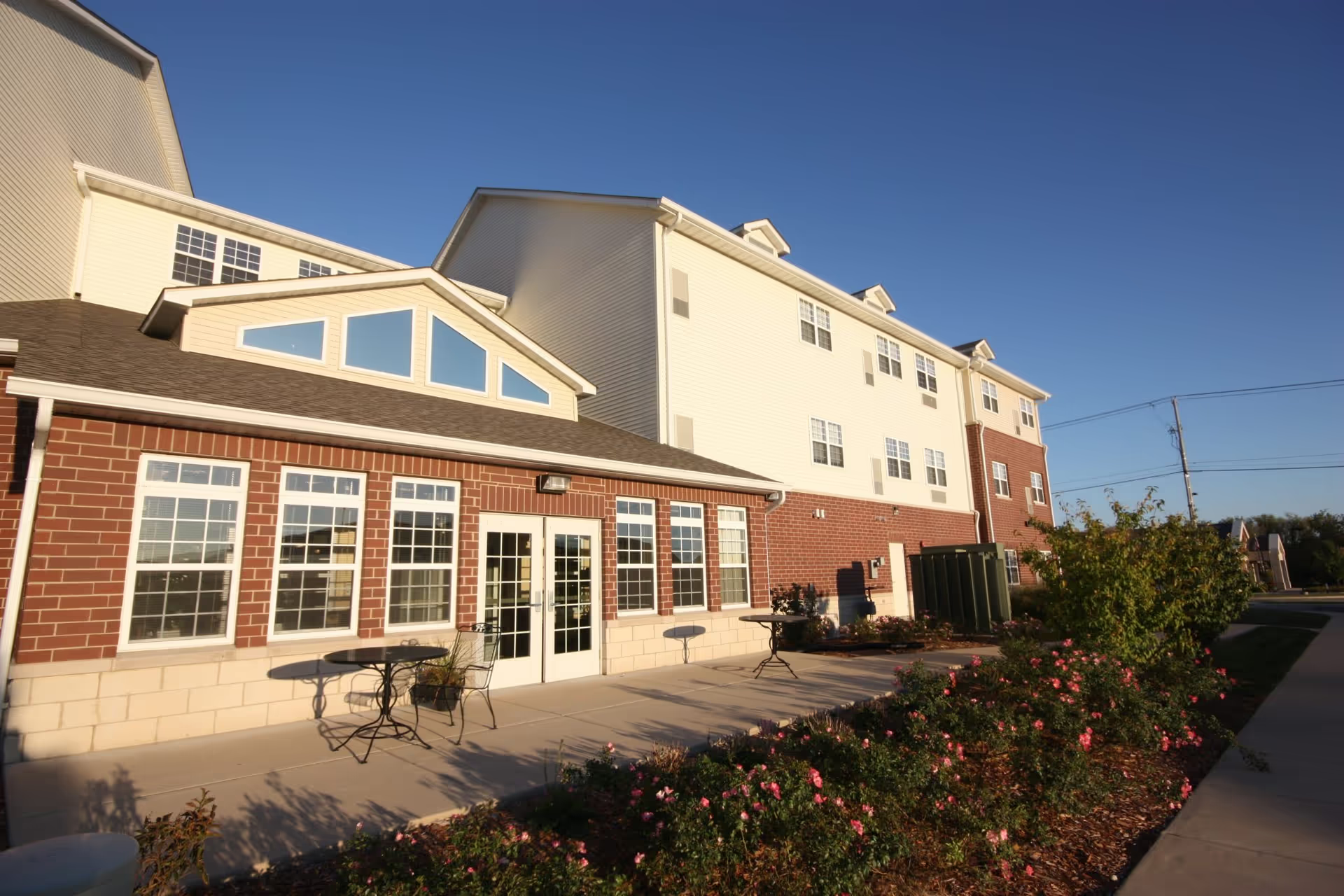
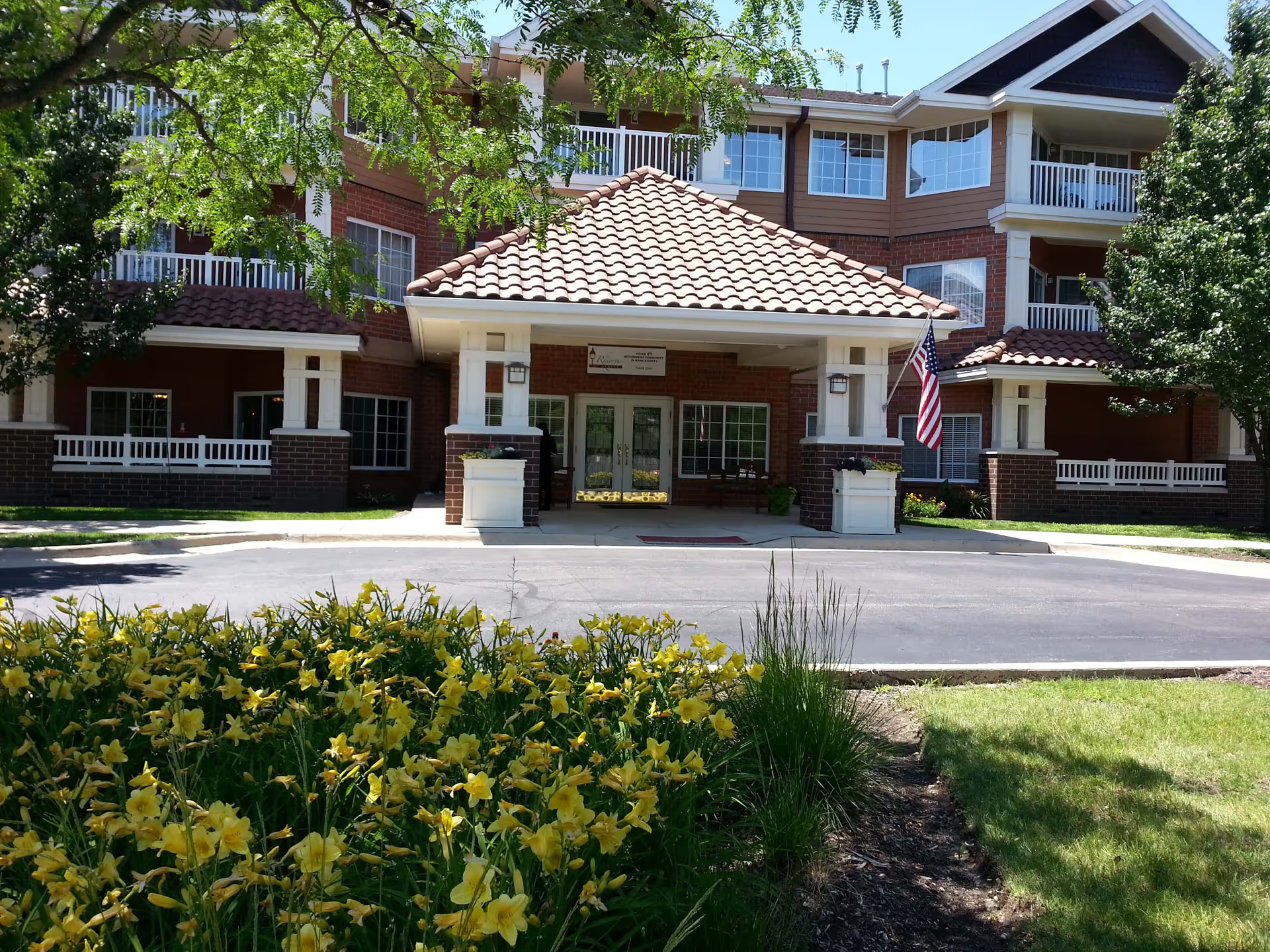
Facilities and services: The campus benefits from recent renovations, a pleasant courtyard and community garden, and private apartments with kitchenettes and patios that many residents appreciate. Weekly housekeeping, on-site salon services, and convenient common areas are also noted positively. At the same time, reviewers identify ongoing facility issues: HVAC and temperature control problems in some common rooms, elevator reliability concerns, worn public-area furnishings, exterior maintenance (potholes, deferred upkeep), and intermittent cleanliness or odor concerns. These operational items appear to vary by building section and over time, influenced in part by renovation phases and maintenance responsiveness.
Management and operations: Experiences with administration are polarized. Several families highlight effective, compassionate admissions coordinators and prompt maintenance responses; others report inconsistent follow-up, lost paperwork, or unresponsive managers when problems arise. Financial transparency is another recurring theme: the community carries a relatively high base cost, mandatory community fees, and additional charges for services (cable/phone/activity lump sums), which some families found unexpectedly layered. Security and belongings management are also uneven—there are multiple accounts of missing items, laundry problems, and process gaps for resident headcounts and elopement prevention, indicating systemic weaknesses rather than isolated occurrences.
Patterns and considerations: The overall pattern is one of strong clinical and social programming in many parts of the community, combined with operational variability that can significantly affect residents with dementia or higher medical needs. Prospective residents and families should weigh the facility's strengths in rehabilitation, private apartments, activities, and newer clinical wings against the documented weaknesses in communication, maintenance reliability, dementia training, and property/security controls. When evaluating placement, ask targeted questions about staffing consistency, dementia-care training, incident-notification policies, billing/fee structure, and recent corrective actions for HVAC, elevator, and maintenance concerns to determine whether the community's current operational posture matches your loved one’s clinical and safety needs.