Reviews present a mixed picture of care at the facility, with distinct positive experiences alongside repeated operational concerns. Several reviewers praised individual caregivers and therapy staff for attentiveness, continuity of care, and a family-like atmosphere; rehabilitation services and organized activities, including bus outings, are described positively by families and some residents. At the same time, patterns of concern around clinical coordination, cleanliness, dining quality, and administrative responsiveness are frequently raised.
Care quality and medical coordination show both strengths and weaknesses. Positive accounts describe attentive nursing and therapists who tailor rehabilitation and daily care to resident needs. Counterbalancing those accounts are consistent observations about medication-administration delays and timing problems, plus difficulties arranging or attending external medical and dental appointments. There are also reports suggesting barriers or delays in coordinating timely emergency responses and outside medical services; these operational gaps could affect continuity of clinical care.
Staff and workplace culture are portrayed as polarized. Many comments highlight long-tenured employees, staff who genuinely enjoy working with residents, and individual employees who receive strong praise for their commitment. Conversely, other comments describe concerning staff conduct and communication tone, including interactions perceived as condescending or retaliatory and patterns of punitive behavior-management. Language and communication barriers among some staff members are also noted and may affect resident interactions and family communication.
Dining and activities present a split impression. Activities programming — card games, group entertainment, and outings — is often described as engaging and beneficial to residents’ social life. Meal service, however, is criticized by some as unappealing and of inconsistent quality. Transportation and therapist-led activities receive positive mentions and appear to be a reliable aspect of the resident experience.
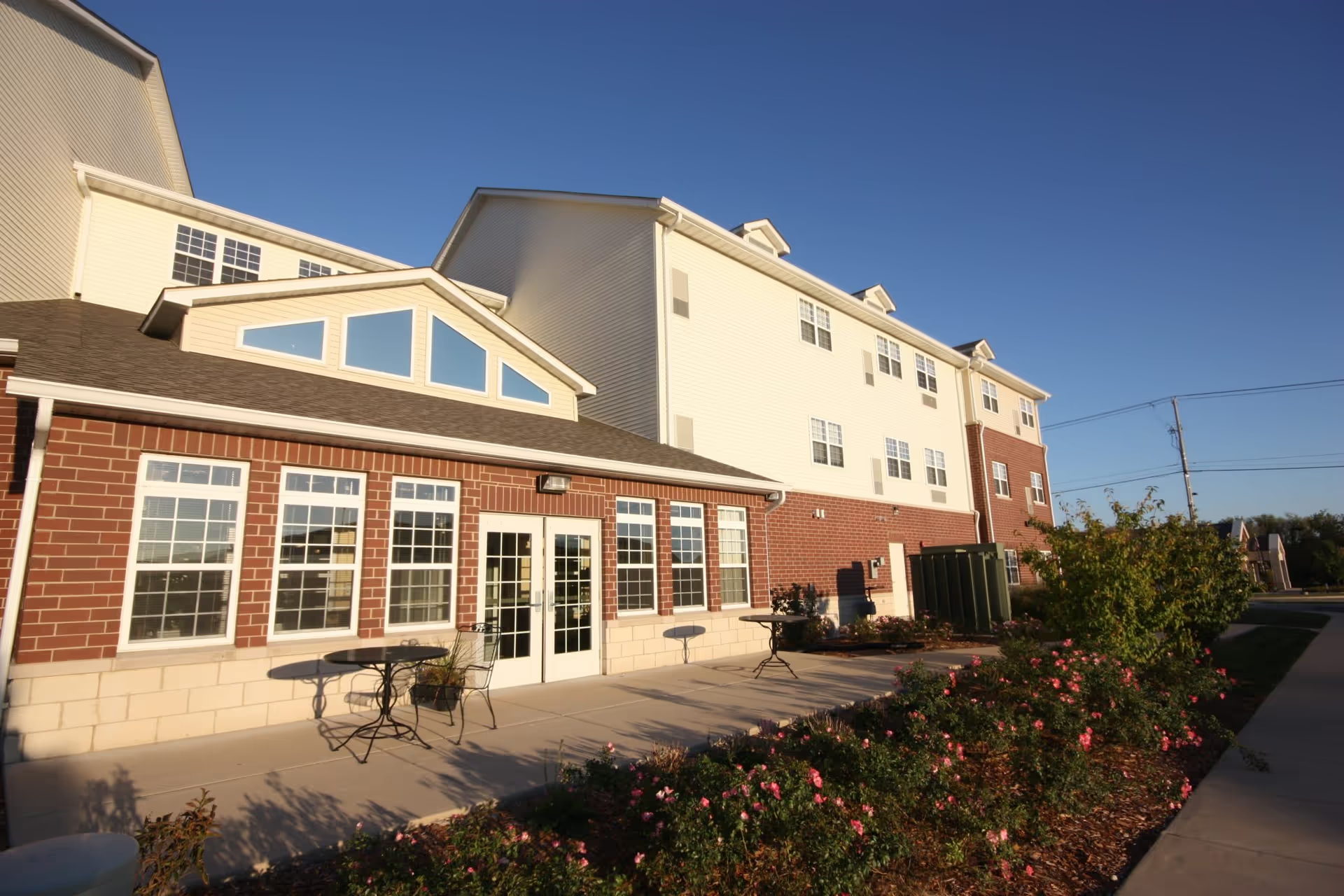
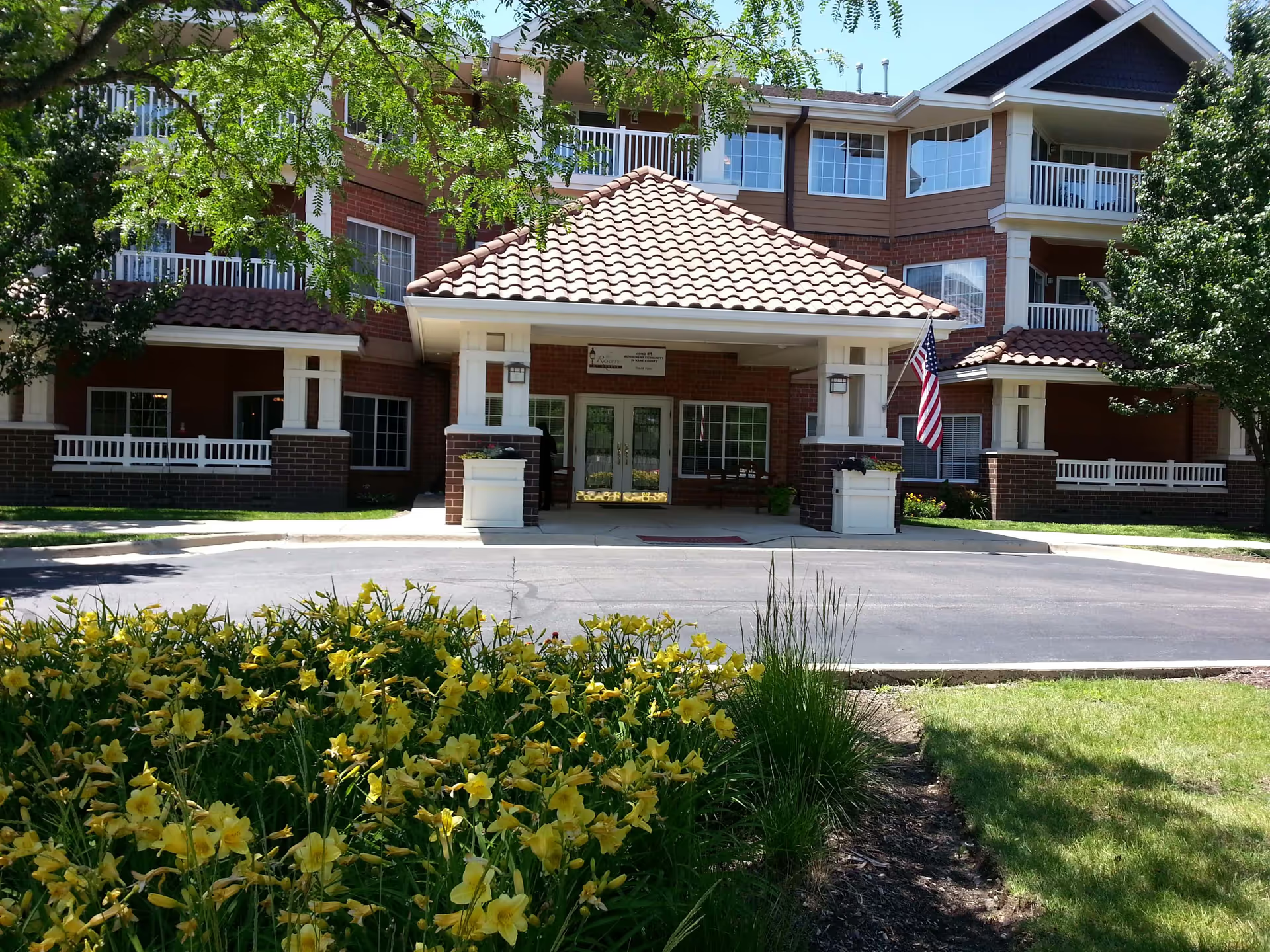
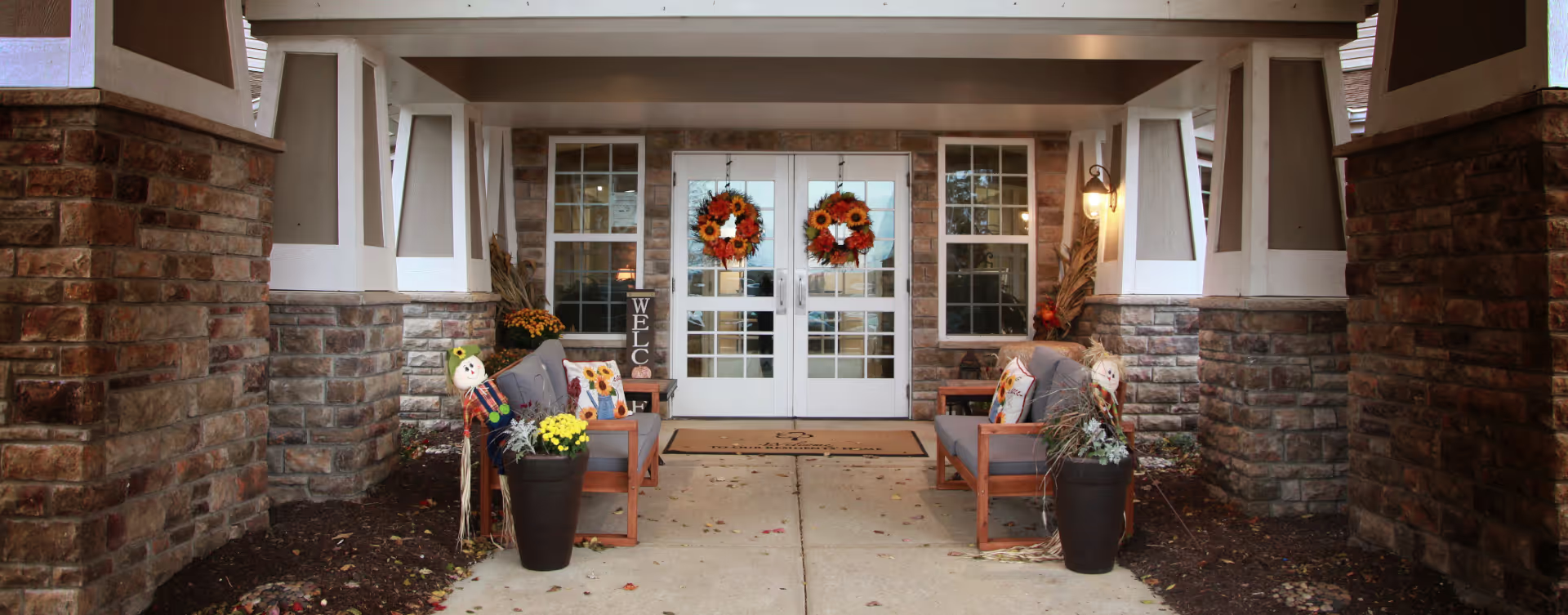
Facilities and cleanliness issues recur in multiple accounts. Reviewers cite sanitation and odor concerns in common areas and seating, and some describe upkeep issues with interior spaces. These cleanliness and environmental concerns are distinct from the positive remarks about specific staff and activities, suggesting unevenness in facility maintenance.
Management, administration, and communication are frequently identified as problem areas. Families describe difficulty reaching staff, outdated contact information, billing-process gaps, and uneven administrative responsiveness. There is at least one allegation of a privacy/communication breach, which underscores the need for clear policies and reliable family outreach. Additionally, some reviewers describe elevated reliance on external security or police interventions to manage incidents, and concerns about resident rights and discharge/retention practices have been raised.
Overall, the facility appears to deliver meaningful, relationship-driven care for some residents, particularly where long-tenured staff and hands-on therapists are involved. However, recurring operational weaknesses — medication and appointment coordination, sanitation and dining consistency, administrative responsiveness, and communication breakdowns — create a variable experience. Prospective residents and families should consider an in-person tour, ask specific questions about medication protocols, appointment coordination, sanitation standards, staff language capabilities, complaint and escalation processes, and review current family references to assess how consistently the facility delivers the positive aspects highlighted by some reviewers.