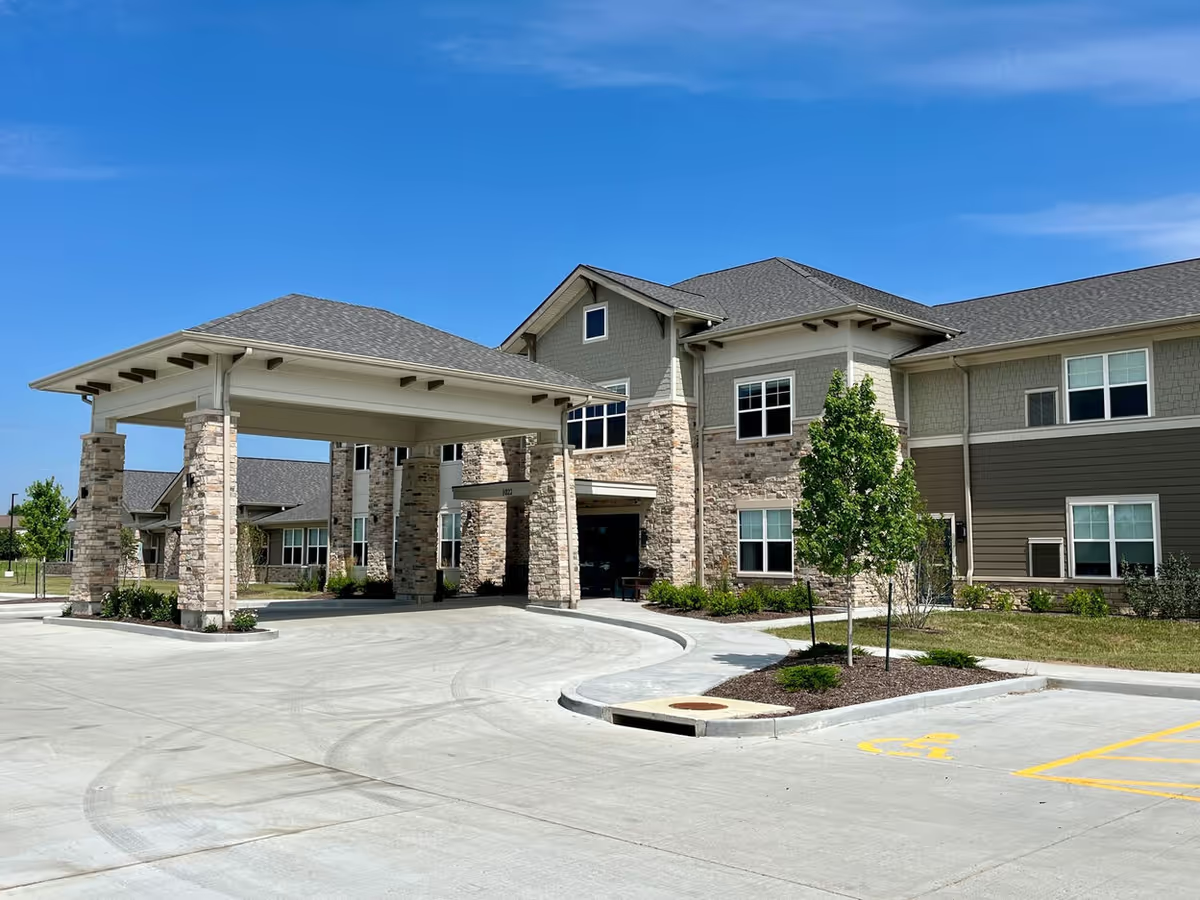
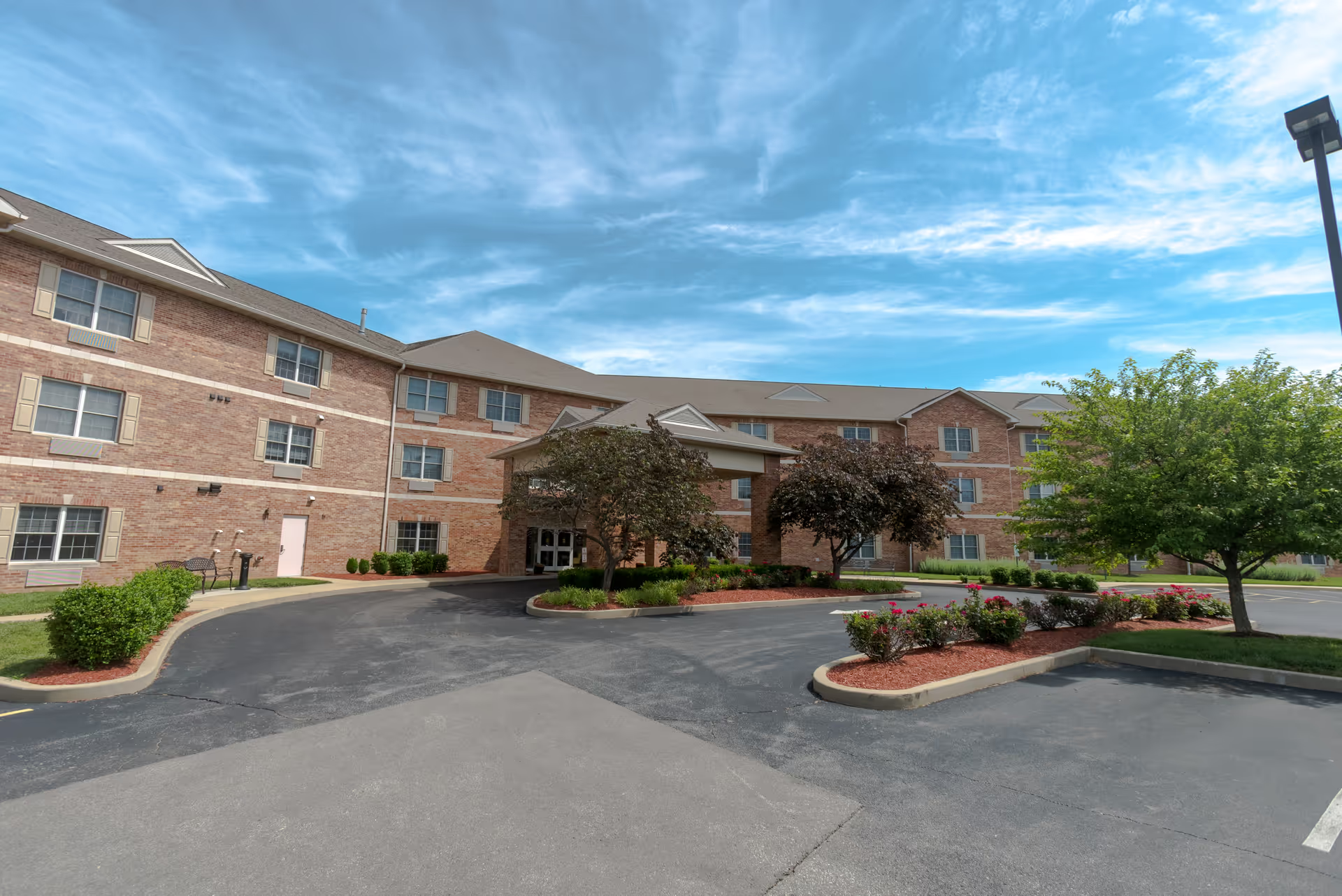
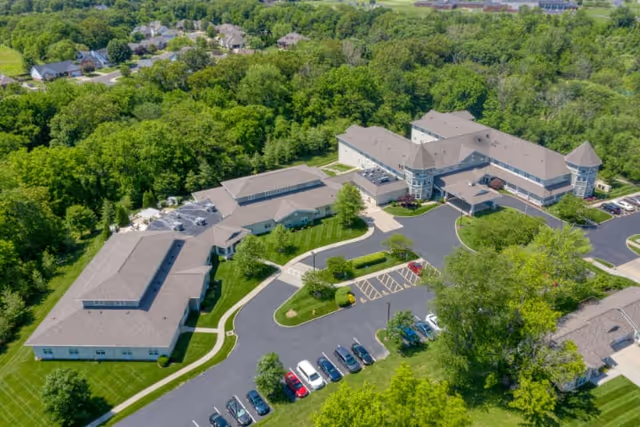
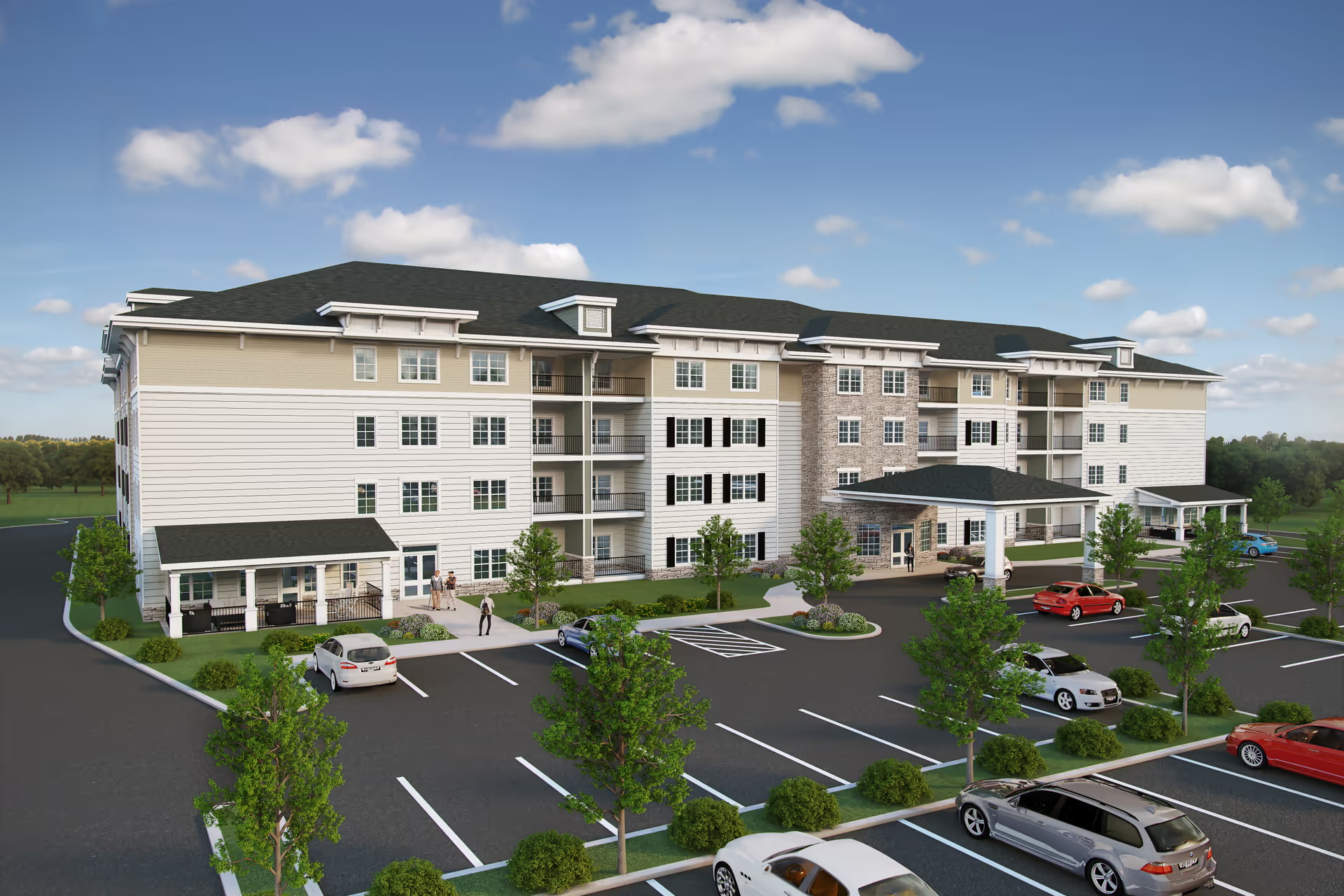
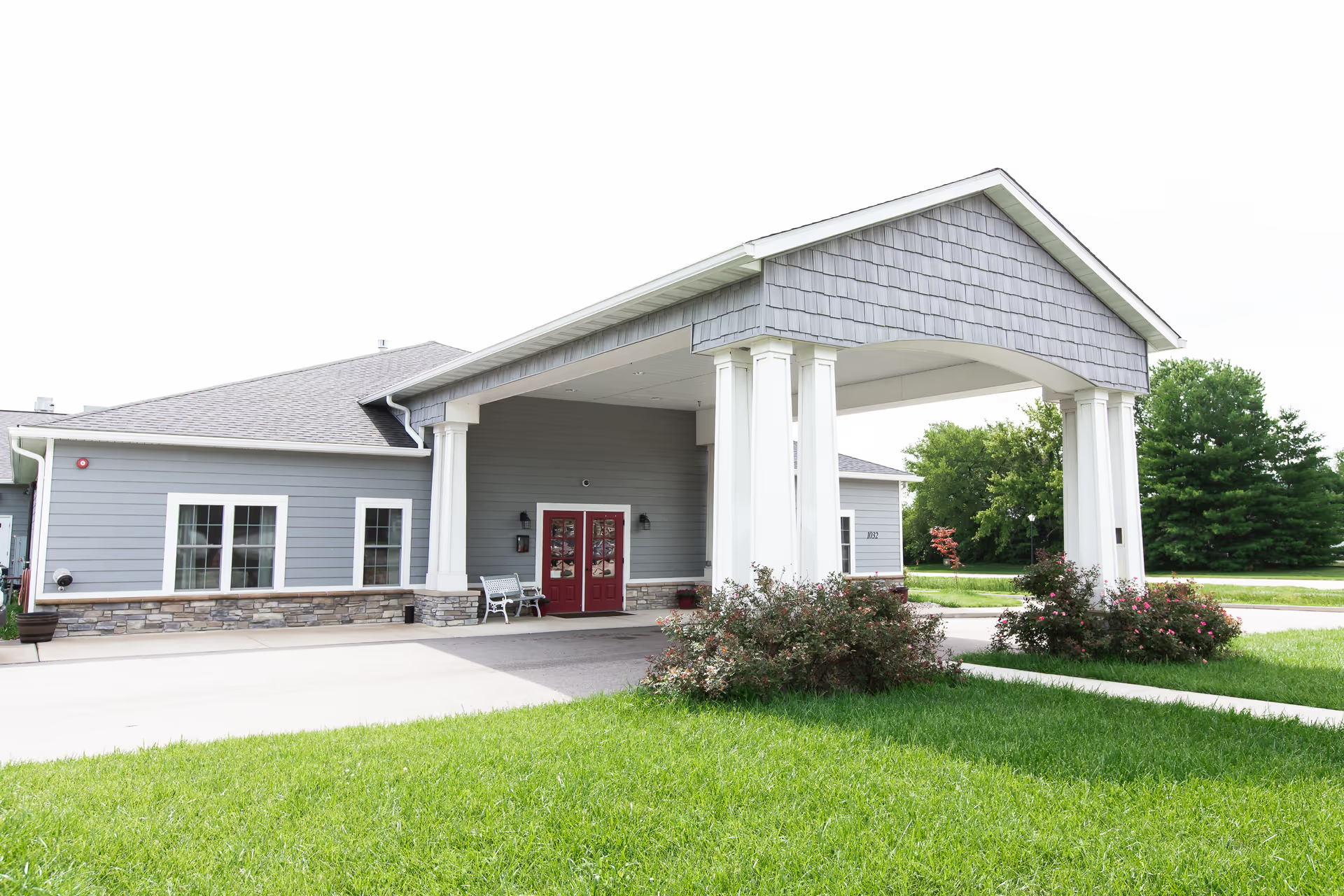
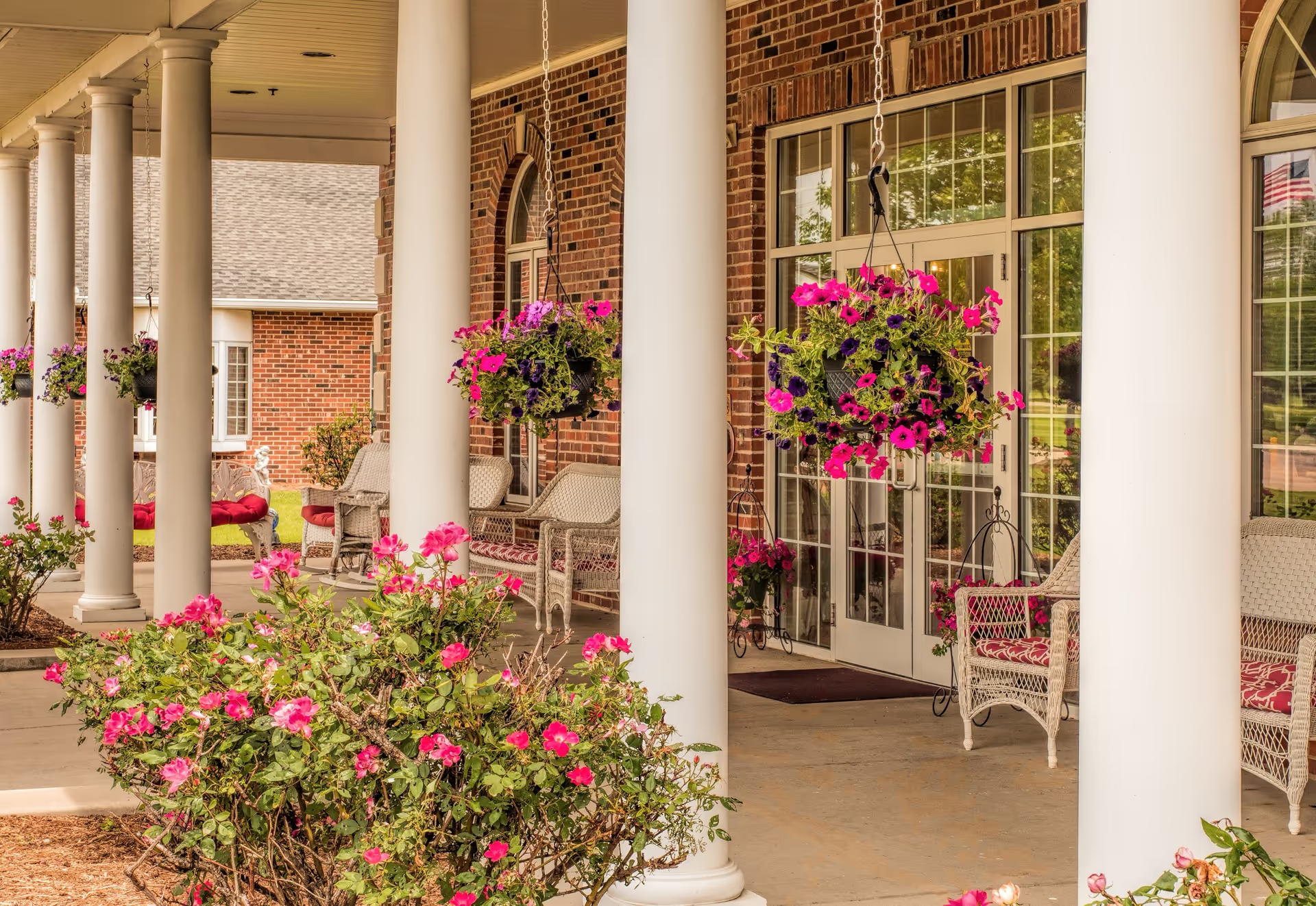
The Colonnade Senior Living presents as a well‑appointed, hotel‑style community with consistently noted strengths in facilities, cleanliness, and amenities. Many families described private, spacious rooms, attractive common areas, and conveniences such as a coffee bar, fitness area, and accessible family gathering space. The on-site therapy resources and a visible activity program—art and music therapy, exercise classes, walking clubs and structured programming—are repeatedly cited as contributors to residents' engagement and functional gains.
Clinical care and caregiving receive mixed but specific feedback. Numerous accounts describe attentive nurses and care partners, good staff-to-resident ratios, timely progress updates, and measurable therapy benefits (improved mobility and reduced dependence on some clinical supports). At the same time, reviewers identified operational vulnerabilities: medication-management and clinical-process controls have been questioned, and there are allegations of medication-handling lapses and unlicensed practice in at least some instances. Memory-care offerings and dedicated therapies are present and active in portions of the community, but the level of staff competency in dementia-specific care appears inconsistent across shifts or teams.
Staff culture and communication show a split pattern. Many families praise compassionate, responsive, and helpful frontline staff who know residents’ names and needs. Conversely, other accounts indicate inconsistent communication tone, occasional unprofessional interactions, and leadership that some families see as unresponsive. These differences suggest variability in staff training, supervision, or turnover that can affect day‑to‑day family experience and perceived reliability.
Dining and activities are overall strengths, with a chef‑driven menu, choice-based meals, and a flexible dining model that allows residents to order from menus or eat at varied times. Reviewers often credited the meals with high quality and variety. However, the flexible dining model does not align with every resident’s preferences—some families prefer set meal times and larger portions for certain residents—and there are occasional comments about portion sizes and communication about meal routines.
Management and operational concerns are a recurring theme. Criticisms include perceptions of weak executive responsiveness, billing or pricing confusion, and process gaps relating to safety and security (for example, access control and key management). Staffing variability and episodic service lapses—whether in memory care, medication handling, or customer-service interactions—appear to be the principal drivers of negative impressions rather than the physical environment itself.
Recommendation for prospective residents and families: conduct an on‑site visit during activity and mealtime hours; meet therapy and memory‑care staff; ask for written protocols on medication administration, staff training and turnover rates, safety/access procedures, and billing/pricing items; request references from current family members and review incident‑response practices. The Colonnade offers a strong physical environment and many programmatic supports, but decision-makers should probe operational controls, leadership accessibility, and memory-care staffing consistency to ensure a good match with the prospective resident’s clinical and social needs.