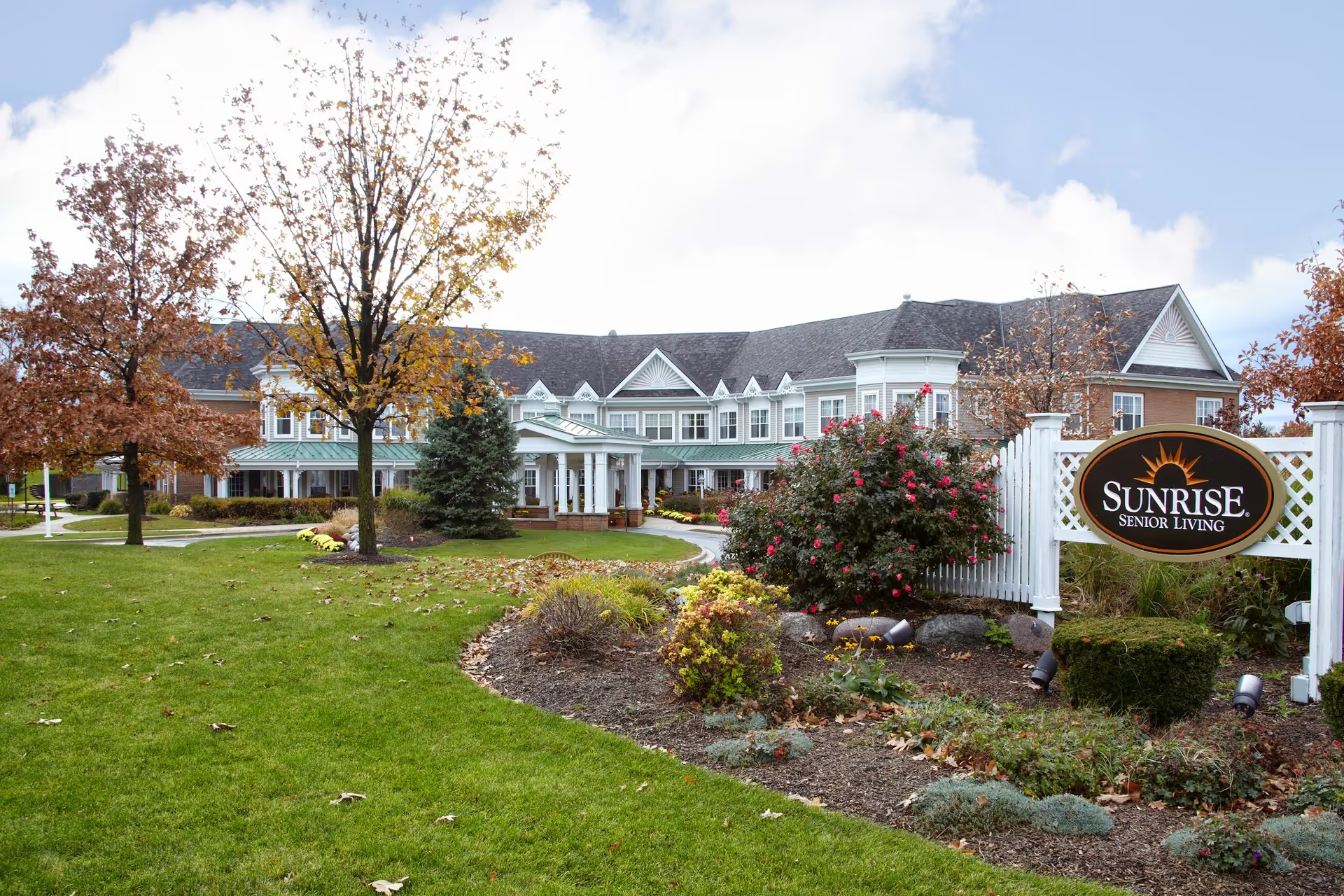
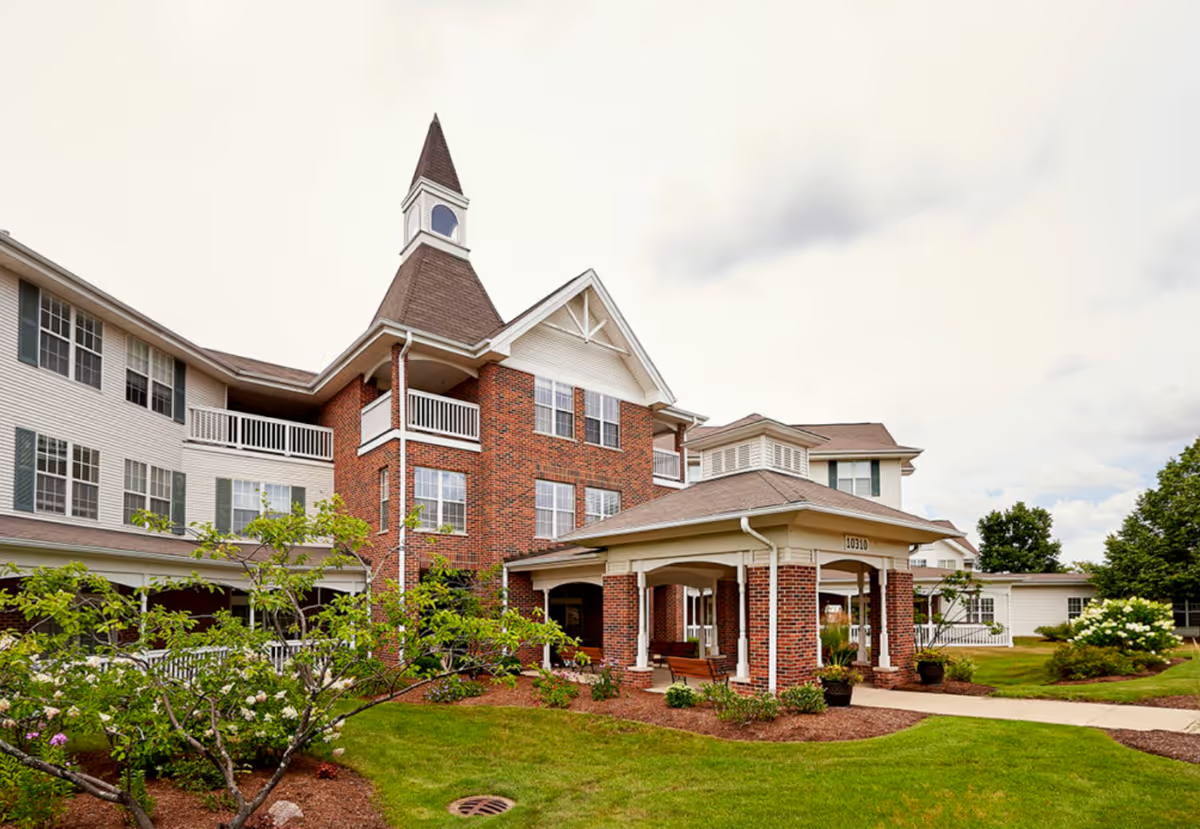
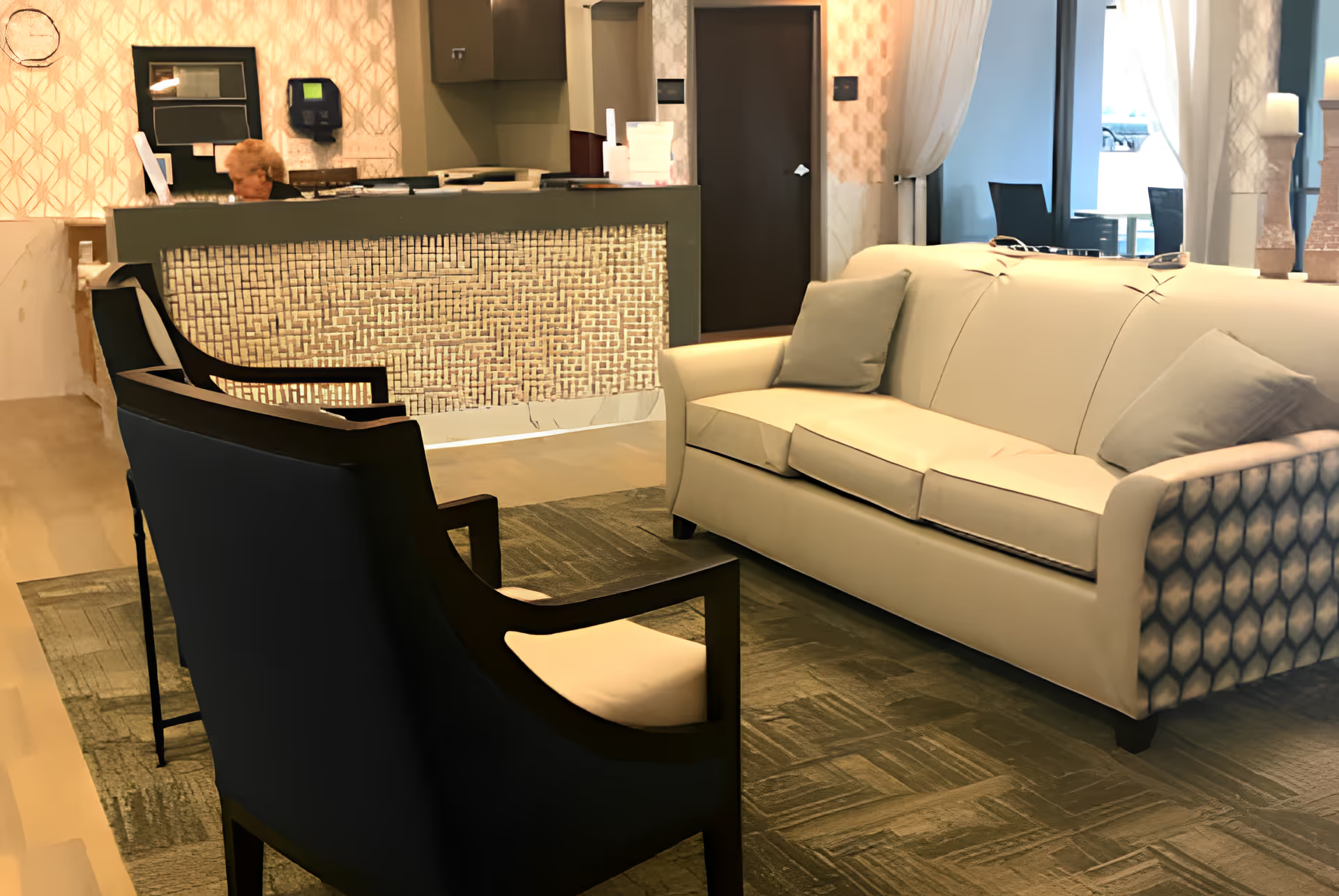
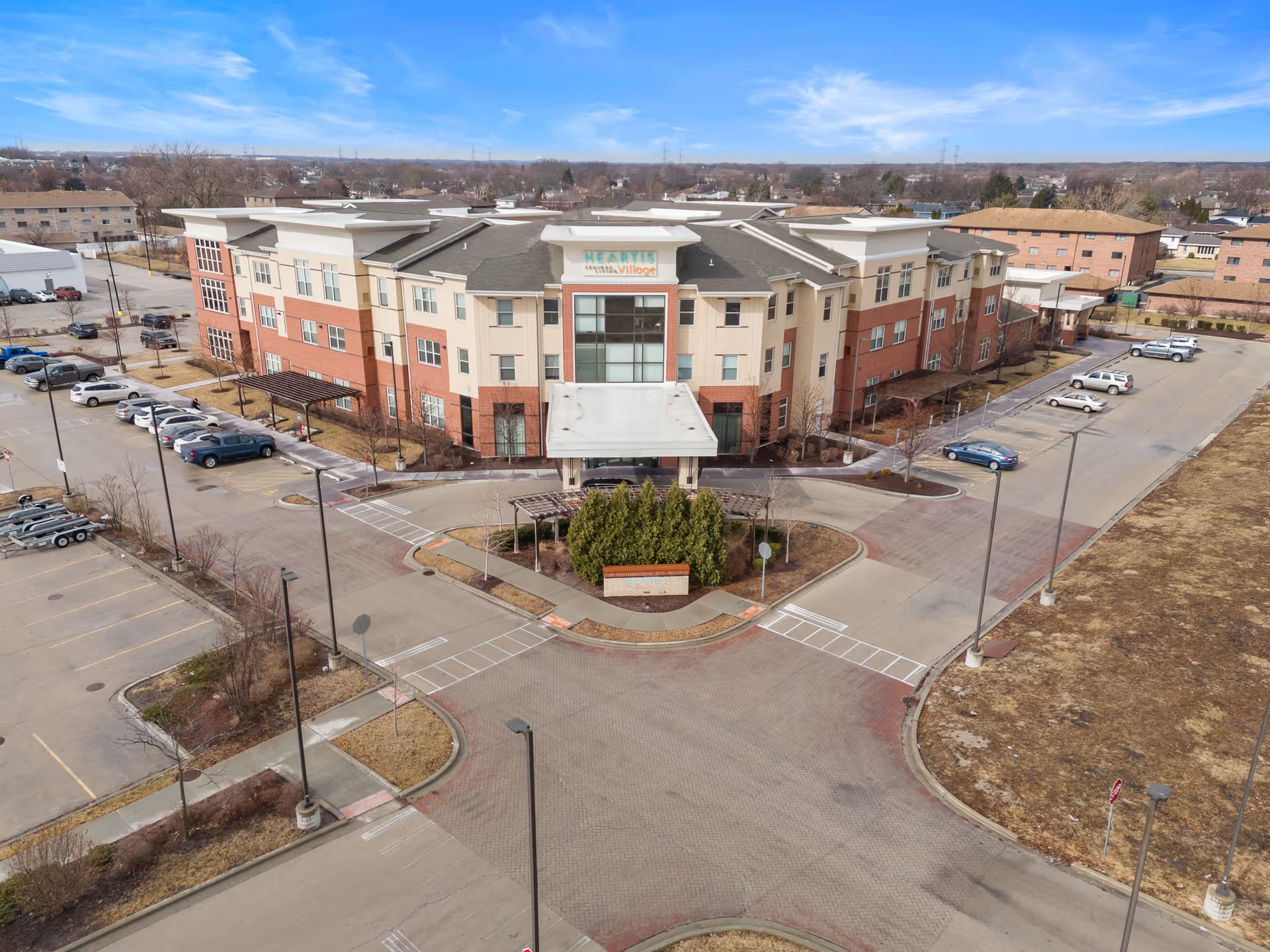
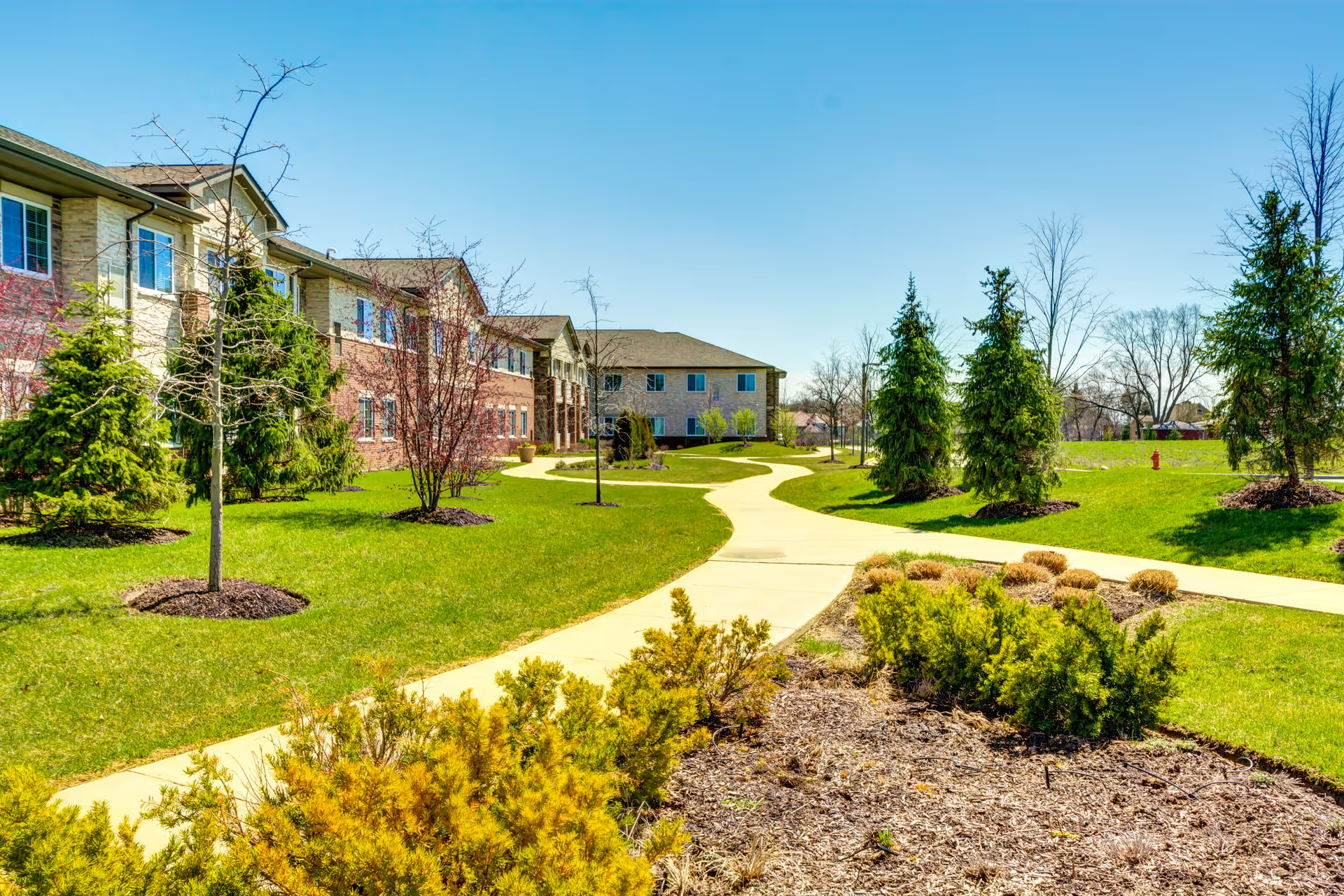
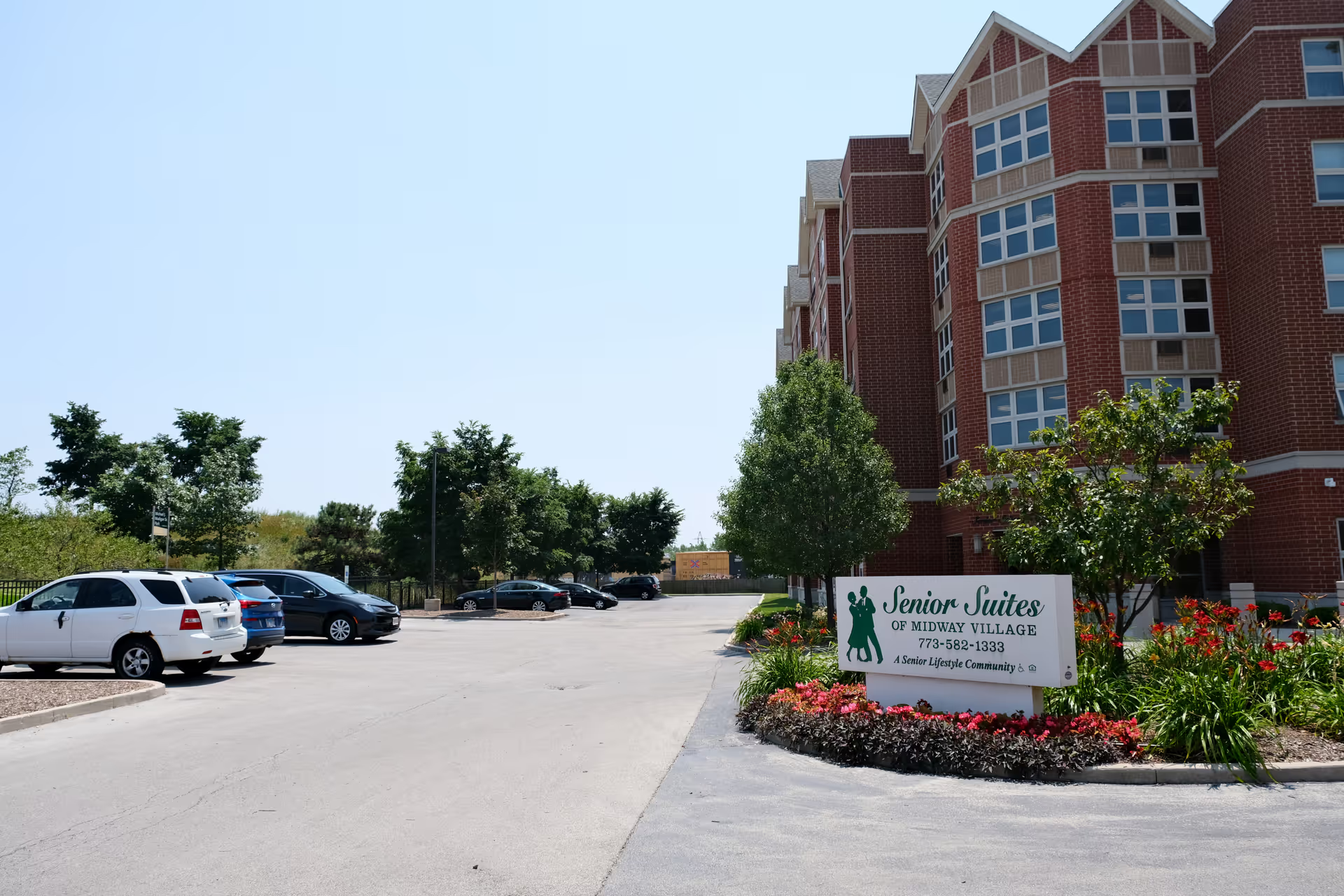
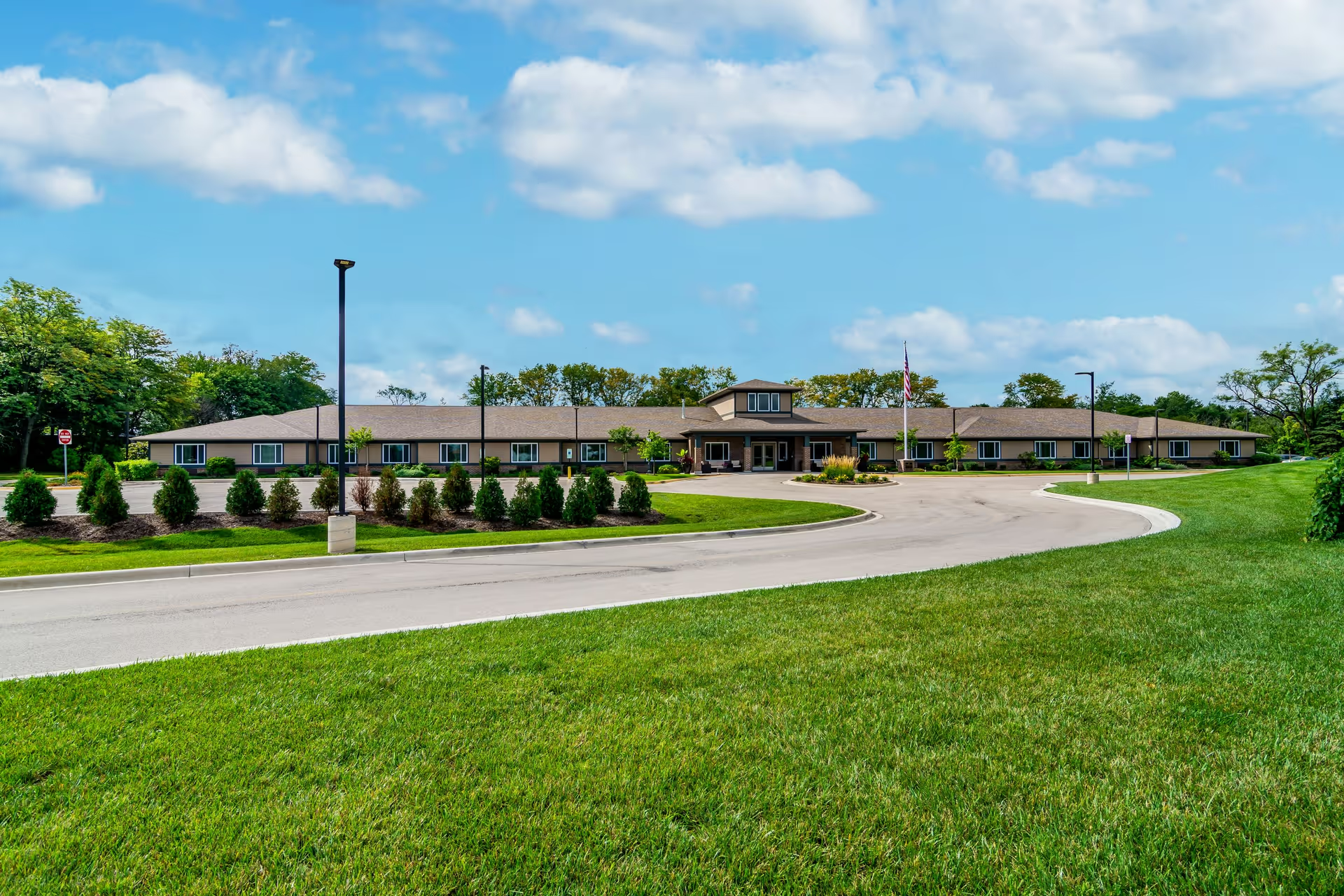
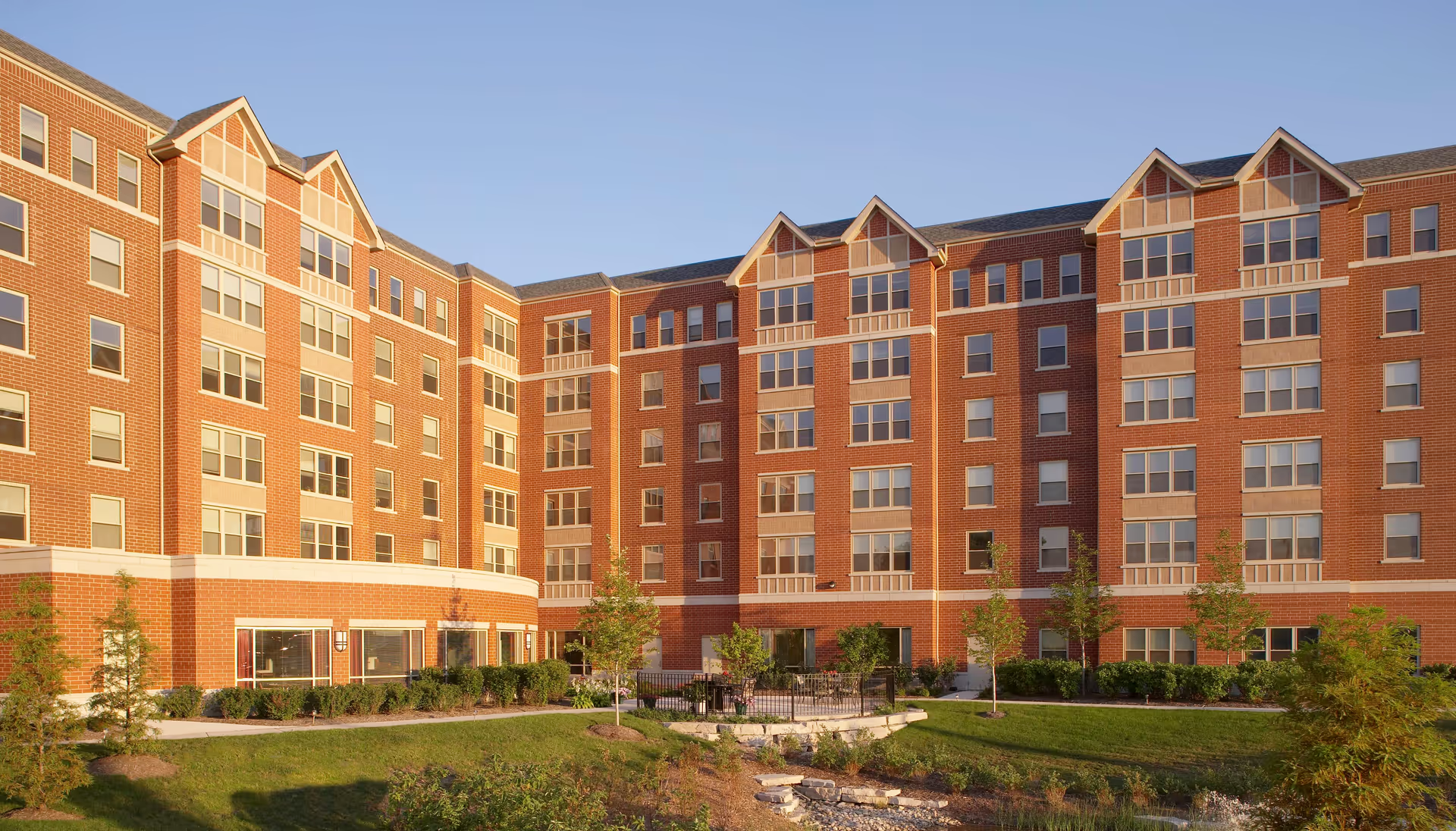
Reviews describe a facility with a pronounced split between strong clinical/rehabilitative strengths and persistent operational weaknesses. Many families praised the rehabilitation program, noting effective physical and occupational therapy, attentive wound care, and individualized one-on-one therapy that contributed to measurable recovery. Social services, several CNAs, select nurses, and front‑desk staff earned frequent positive mention for compassion, communication, and advocacy. The building, therapy gym, and outdoor patio were repeatedly described as clean, updated, and conducive to recovery.
At the same time, there are recurrent concerns about basic nursing and caregiving operations. Reviewers described inconsistent responsiveness to call lights, delays in attending to personal care and hygiene, missed or delayed medications, and documentation lapses that in some cases led to emergency department transfers or rehospitalization. Staffing variability — including reliance on agency personnel, thin night coverage, and apparent differences between day and night shift performance — emerges as a central factor linked to these care gaps.
Dining and activities drew mixed comments. The facility has an active recreation program (bingo, card games, visits) and a set dining area with outdoor access, and some families appreciated kitchen staff flexibility. However, other families reported inconsistent meal quality, beverage preparation issues, and slow delivery of nourishment and fluids. Activity offerings are available but several reviewers suggested expanding interactive options and consistency.
Facility condition and infection-control impressions are similarly mixed. Many reviewers found the interiors clean and well maintained; others noted sanitation concerns, odor issues in specific areas, and isolated pest-control concerns that warrant attention. A subset of reviews raised questions about infection-control practices and quarantine communication during COVID exposures, and a few serious allegations prompted calls for regulatory review.
Management, communication, and administrative processes are uneven. Positive accounts cite helpful admissions teams, effective case managers, and a few proactive leaders who addressed concerns promptly. Conversely, other families experienced poor follow-up from administration, billing errors, incomplete discharge paperwork, and weak coordination at transitions of care. These administrative lapses amplified clinical concerns when families were seeking test results, prescriptions, or timely discharges.
Notable patterns for prospective families: the facility offers high-quality rehabilitation and several standout clinical staff, making it a reasonable option for focused postacute recovery when therapy is the priority. However, inconsistent nursing coverage, gaps in basic caregiving and medication processes, and variable managerial follow-through are recurring themes. Families considering this facility should evaluate current staffing levels and night-shift workflows, clarify discharge and medication-reconciliation procedures, ask about infection-control practices and pest-control remediation, and request to meet therapy and nursing leaders during a tour to assess whether documented strengths align with their loved one’s needs.