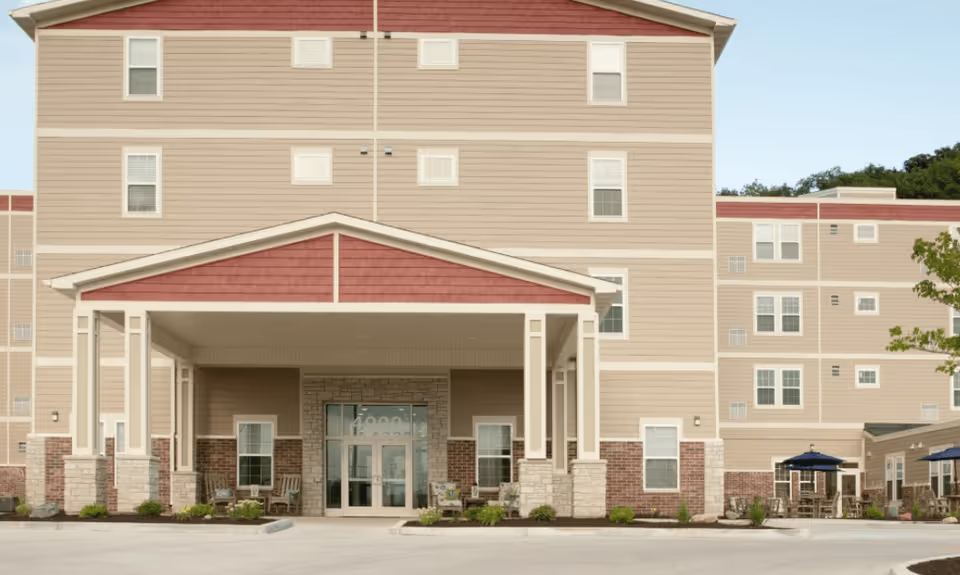
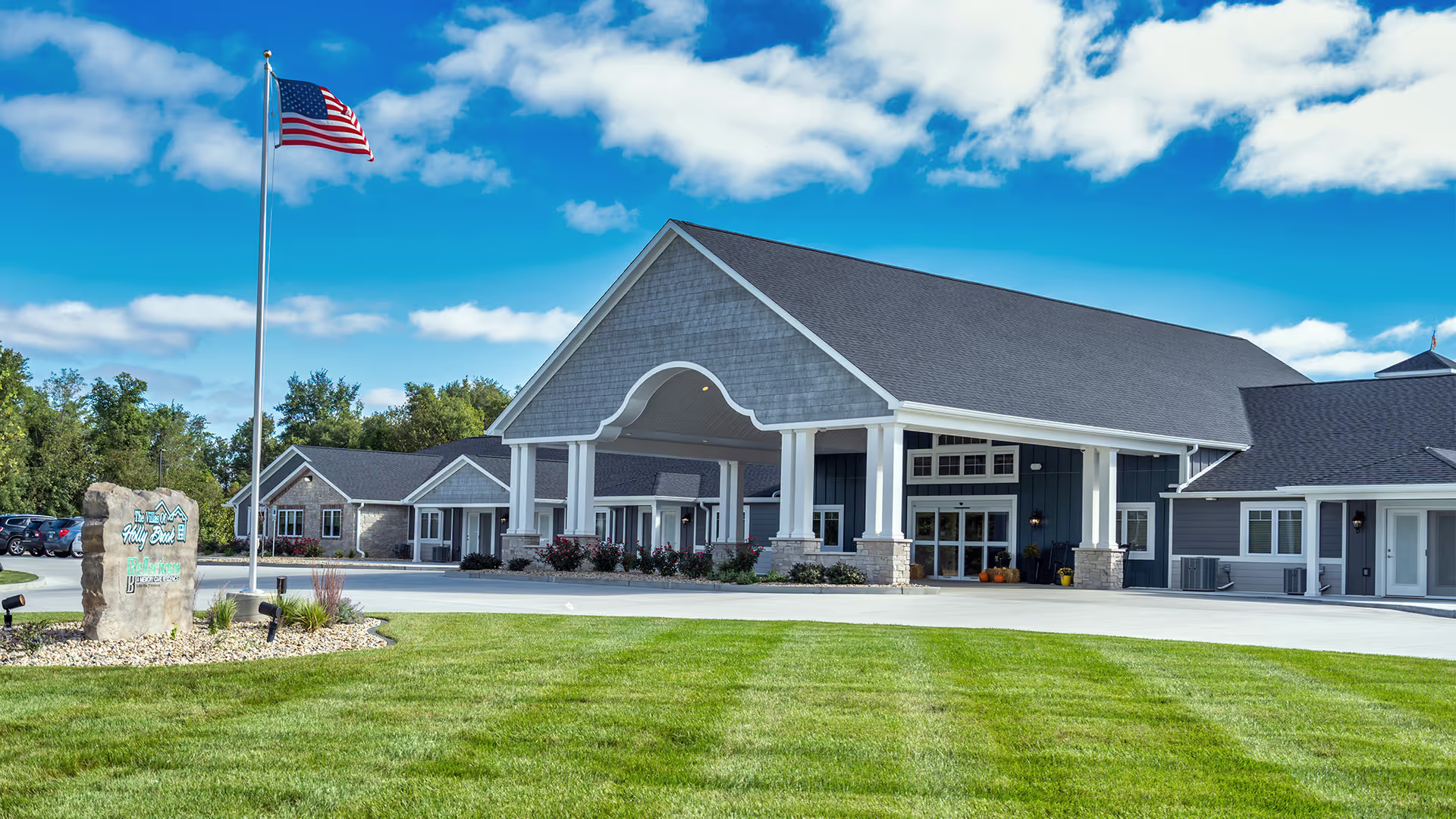
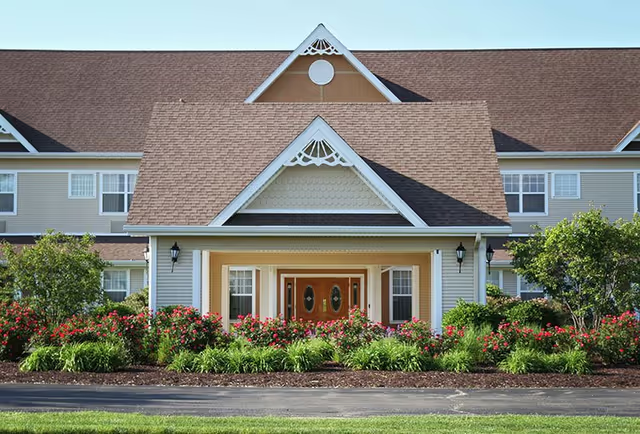
Reviews of The Loft of Peoria are highly polarized, with clear clusters of positive and negative experiences. Many families and residents praise the clinical nursing teams, rehabilitation services, and activity programming; at the same time, a substantial set of operational concerns recurs across reviews. Prospective residents should weigh both the reported strengths in clinical rehabilitation and social engagement and the persistent operational weaknesses when considering placement.
Care quality and clinical management: Reviewers frequently commended nurses and CNAs for compassionate, respectful bedside care and cited successful rehabilitation outcomes and physical therapy that helped regain mobility. Conversely, there are recurring concerns about medication administration and clinical continuity — missing or delayed medications, inconsistent documentation, and instances where families felt medication decisions were poorly communicated. Several accounts describe readmissions and emergency-department visits following short stays, which reviewers attribute to gaps in clinical follow-through. Overall, clinical skill appears present in parts of the staff, but reliability of medication management and consistent clinical oversight are uneven.
Staffing and staff conduct: A dominant theme is staffing instability. Reviewers describe short staffing, high use of temporary or agency personnel, long response times to calls for assistance, and variable caregiver attentiveness. While some aides and nurses are characterized as highly caring and attentive, others are described as unresponsive or lacking knowledge of residents’ needs. Families also noted concerns about staff tone and communication style during interactions. These patterns point to variability in staff training, supervision, and culture across shifts.
Dining and housekeeping: Food-service opinions are mixed. Several reviewers praised varied menus, well-prepared meals, and staff who try new options; others cited cold meals or small portions. Housekeeping and facility cleanliness receive both positive and negative comments: some reviewers report clean, organized common areas and prompt housekeeping, while others report sanitation and odor concerns in resident rooms and bathrooms and inconsistent housekeeping standards. Laundry and personal-property management (lost clothing, delayed returns) were also raised as operational pain points.
Activities and ancillary services: Activity programming is consistently highlighted as a strength. Reviewers mention a broad range of offerings (music, bingo, seasonal parties, individualized activities, pet programs), plus practical supports such as transportation vans for appointments and monthly podiatry visits. These services appear to contribute positively to resident engagement and family satisfaction when they are reliably delivered.
Facilities, maintenance, and property issues: Structural and maintenance concerns were raised in multiple reviews, including broken beds or equipment, unmet maintenance requests (televisions promised but not provided), and inconsistent availability of necessary supplies. These issues, when coupled with laundry and housekeeping gaps, contribute to perceptions of uneven environmental quality.
Management, communication, and safety oversight: Experiences with administration are mixed. Some families report prompt, helpful responses from management and observed improvements under new leadership. Others describe poor communication, unreturned calls from clinicians, and frustration with discharge and placement coordination. A minority of reviews allege theft, harassment of family members, or other serious incidents; such claims raise questions about incident reporting, investigation, and accountability. Prospective families should request documentation of incident-response processes, staffing ratios, and quality-improvement actions during tours and care-planning discussions.
Notable patterns and recommendations: The facility demonstrates clear strengths in therapy, activity programming, and pockets of compassionate nursing care. Conversely, persistent operational weaknesses — especially inconsistent staffing, medication-management gaps, sanitation and maintenance concerns, and variable family communication — are common themes. Families considering The Loft of Peoria should (1) ask about current staffing levels and use of agency staff, (2) review medication-administration protocols and recent survey or quality metrics, (3) tour resident rooms and common areas to assess cleanliness and maintenance responsiveness, and (4) discuss care-plan communication practices and incident-reporting procedures with management to clarify expectations and accountability.