Reviewer experiences of Quincy Healthcare & Senior Living are mixed, with clear patterns of both strengths and operational weaknesses. Positive accounts emphasize engaged, personable clinical staff, a range of social activities, and an organized interdisciplinary approach to care planning that includes dietary and therapy input. Several families praised the dining program for offering home-style meals with fresh produce and described the building as small and community-oriented. When on-site therapy and coordinated nursing were available, some residents showed measurable rehabilitation progress and families expressed satisfaction with responsiveness and individualized attention.
At the same time, a substantial portion of feedback raises operational concerns that prospective residents and families should evaluate closely. There are repeated sanitation and odor concerns in certain resident rooms and common areas, alongside reports of dated or substandard room conditions. Medication-management problems are described, including delays or difficulties obtaining prescribed doses, and reviewers flagged instances where promised rehabilitation services were not consistently available. Staffing variability was commonly cited as contributing to delayed call-light response and inconsistent assistance with activities of daily living.
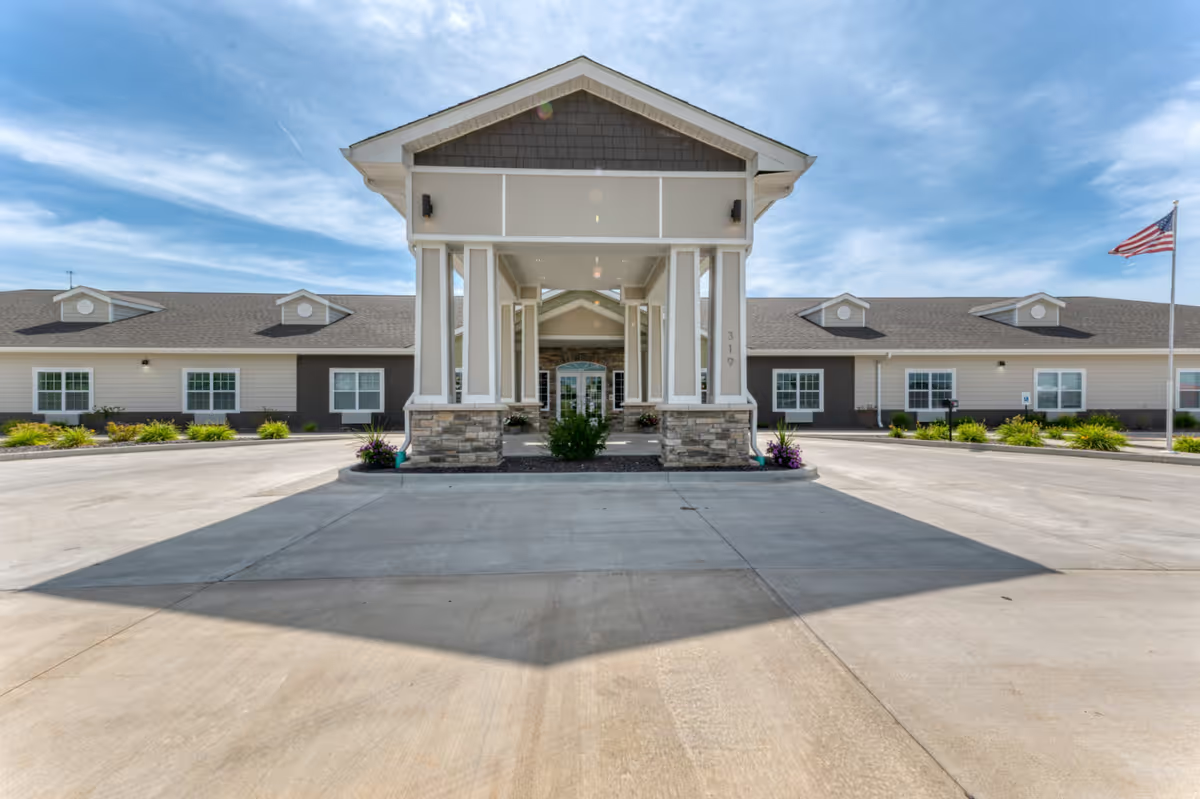
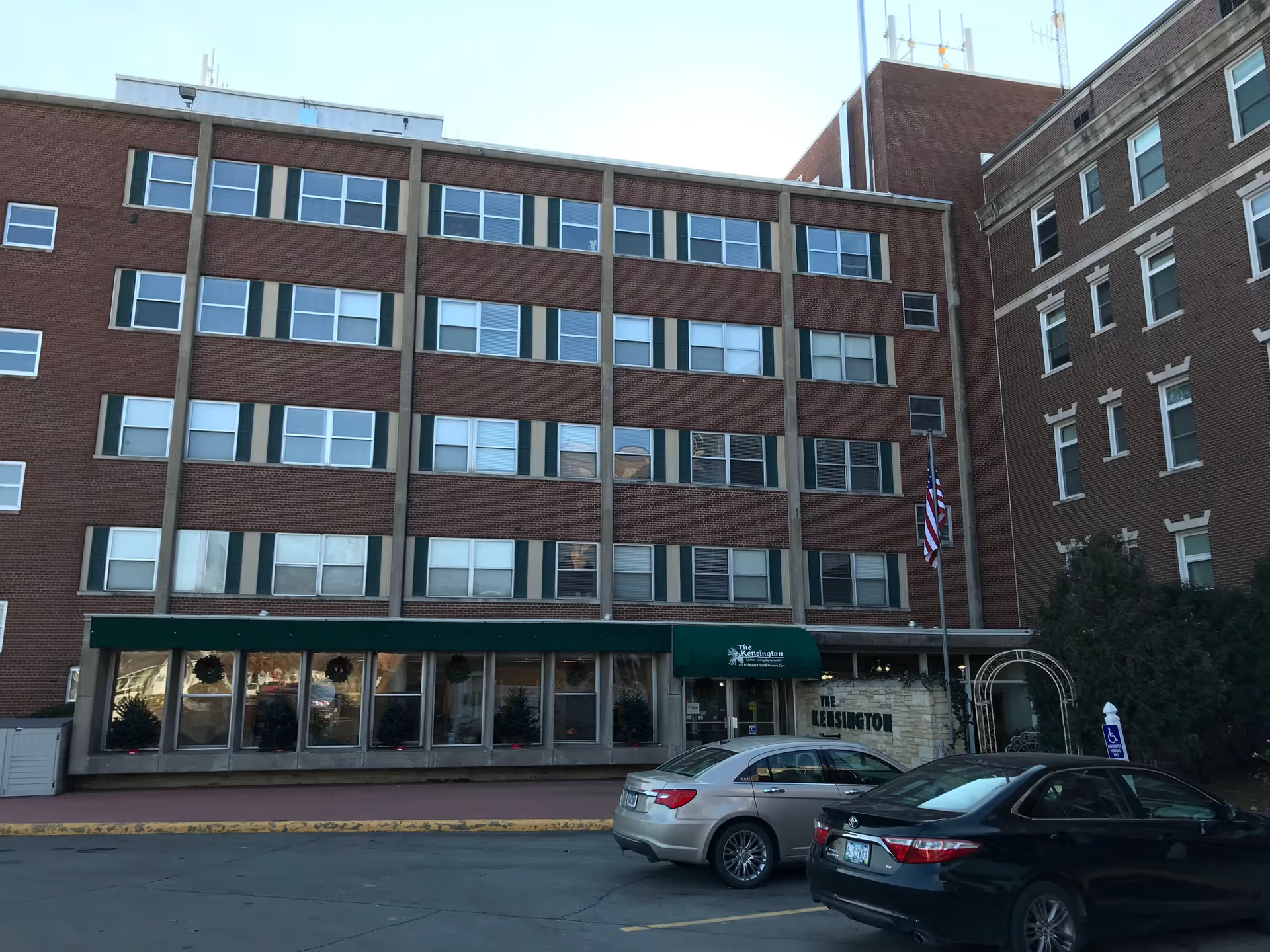
Communication and transparency emerge as a central tension. Positive experiences noted collaborative care-plan meetings and clear dialogue with staff, but other accounts describe weak follow-up on phone calls, confusing insurance-related medication issues, and limited disclosure about active infectious events. Several reviewers also noted discrepancies between marketing imagery and the actual accommodations shown during tours, and some families reported unexpected mid-stay room changes from private to shared accommodation.
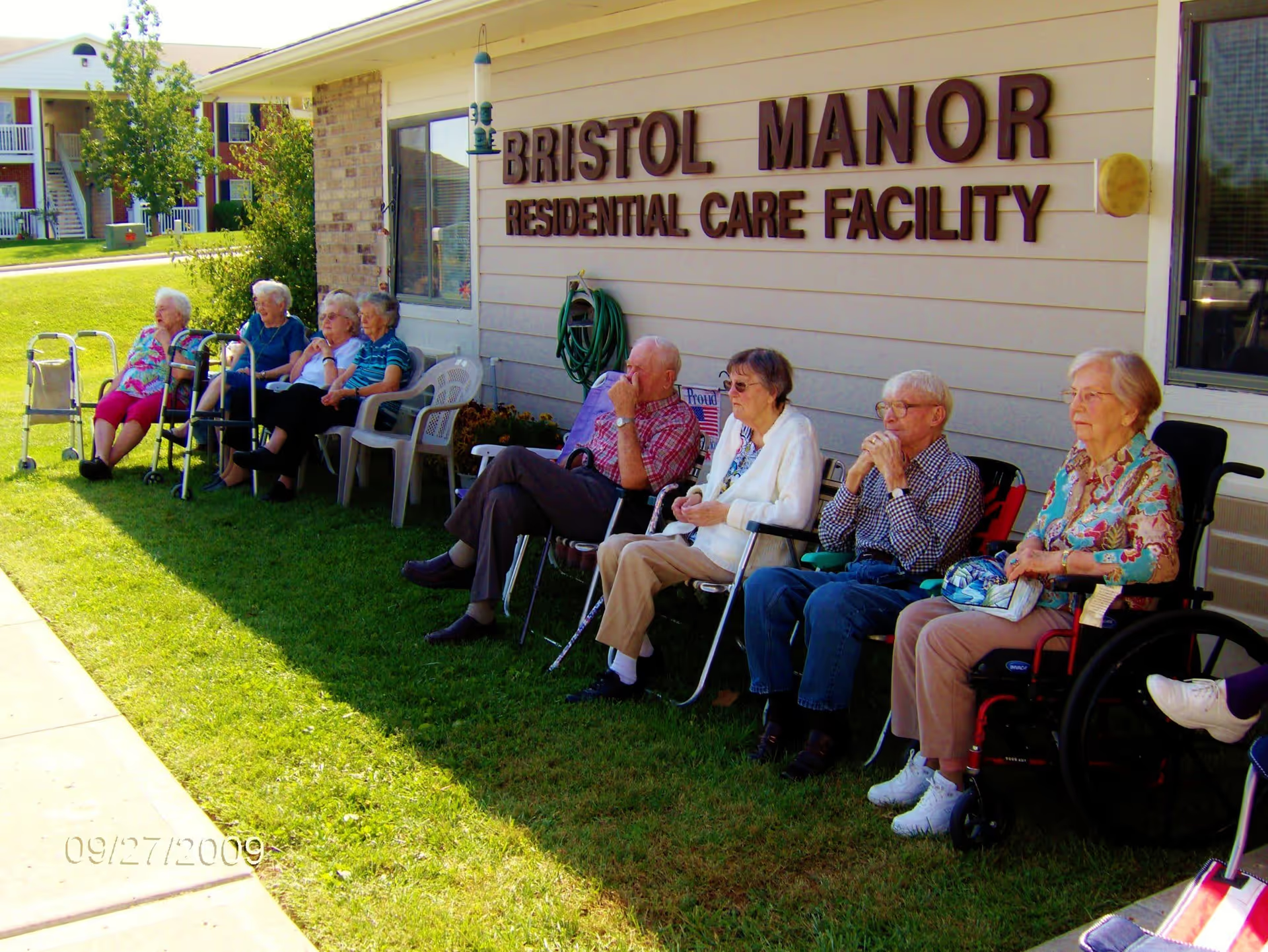
Programming and social engagement are notable strengths when implemented: reviewers highlighted regular outings, small-group activities, faith services, and opportunities for social connection that support resident morale. However, concerns about the facility’s capacity to manage dementia or higher-acuity needs were raised; families considering long-term dementia care were advised to verify staff training, staffing ratios, and behavioral-support protocols.
In summary, Quincy offers features that may suit short-term rehabilitation or residents who value a small, activity-rich environment with collaborative care planning. At the same time, inconsistent cleanliness, staffing fluctuations, medication and therapy availability, and questions about transparency are recurrent themes that warrant direct verification. Prospective residents should tour in person, ask for written descriptions of care/service guarantees (including infection-disclosure practices, medication administration protocols, and room-assignment policies), confirm current therapy availability, and request references from recent families when evaluating suitability.