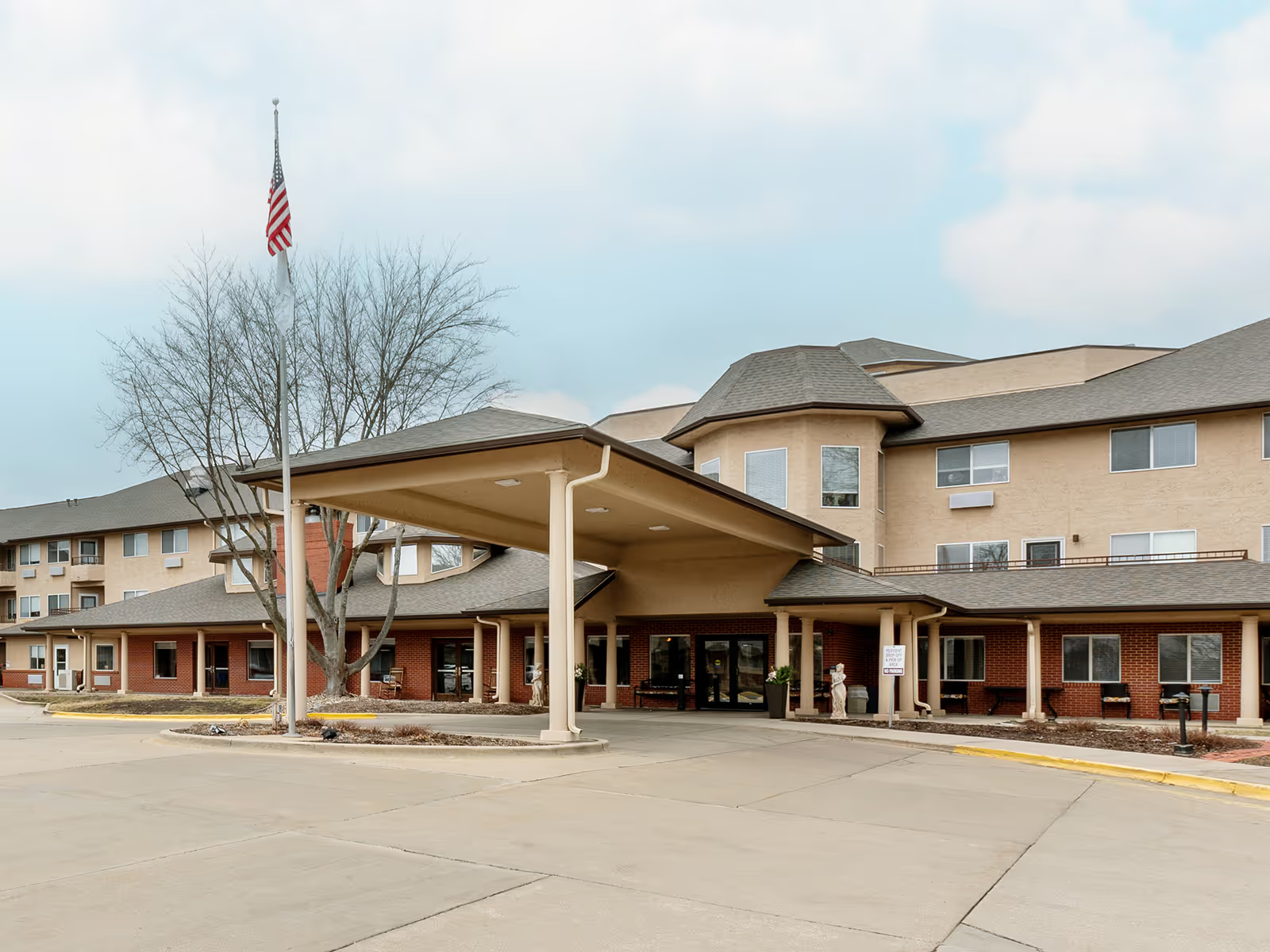
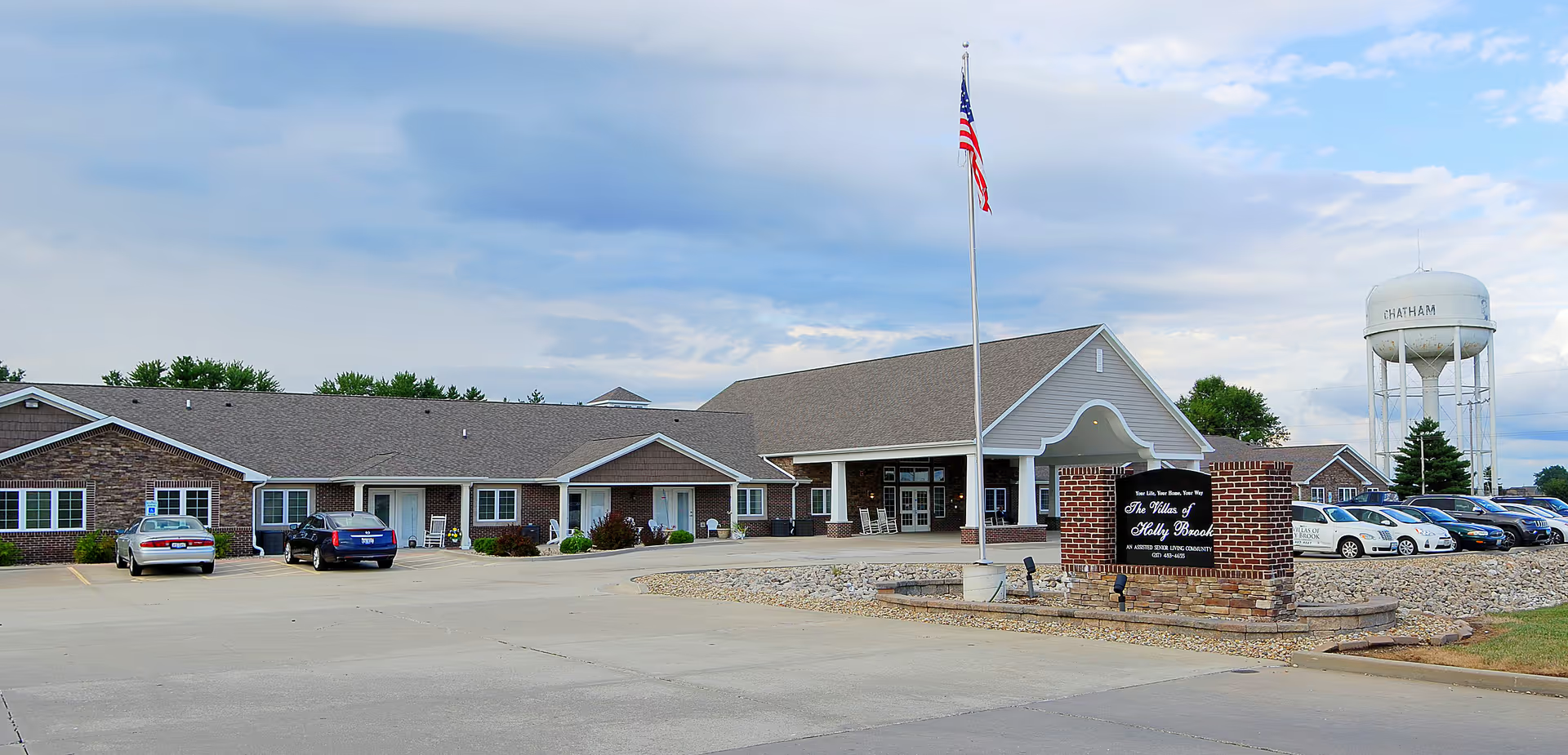
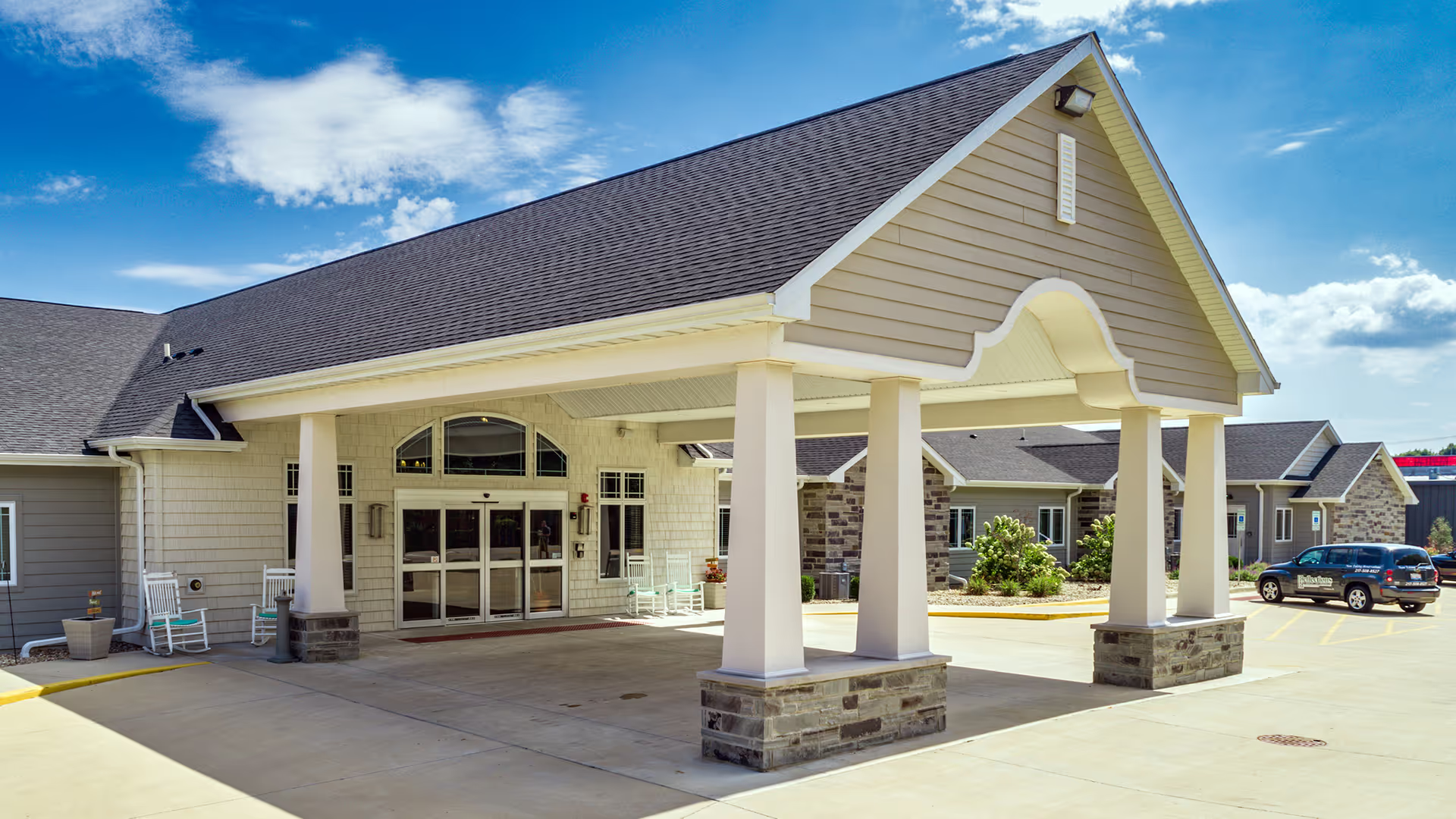
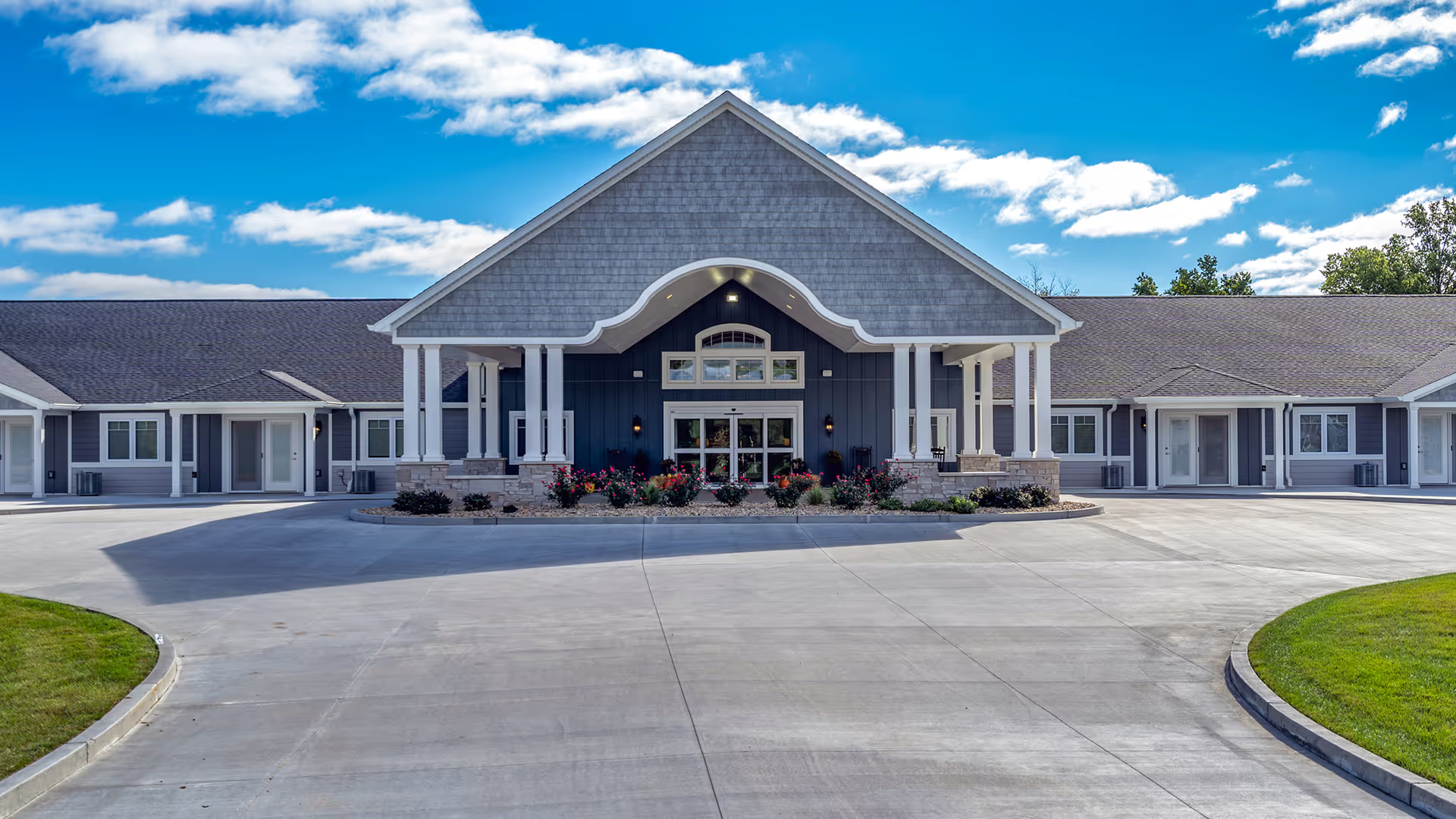
Overall impression Carriage Crossing Senior Living of Rochester is consistently described as a clean, well‑appointed community with a strong emphasis on warm, resident-focused care. Families and residents highlight a home-like atmosphere, tasteful decor, and well-maintained grounds and common areas. The community offers a full spectrum of services—independent cottages, assisted living and memory-care options—alongside on-site clinical resources such as a nurse, lab work, and physical therapy.
Care and staff The dominant theme across feedback is the staff’s compassionate approach. Caregivers, nurses, and leadership are repeatedly described as kind, attentive, and willing to provide personalized attention. Reviewers frequently note staff familiarity with residents, thoughtful end-of-life support, and teams that step up during staffing pressures. At the same time, there are recurring operational concerns about inconsistent responsiveness and communication; families should ask about staffing ratios and how the community handles peak-demand periods, particularly in memory care.
Dining and activities Dining receives strong positive comment: meals are described as varied, palatable, and accommodating, with attentive kitchen staff and desserts that residents enjoy. The community supports a wide array of activities—daily programming, outings, family events, exercise classes, and social opportunities—that contribute to social engagement and mental stimulation. A few accounts indicate variable participation levels in certain common areas, so prospective residents may want to review current activity calendars and attendance to confirm fit.
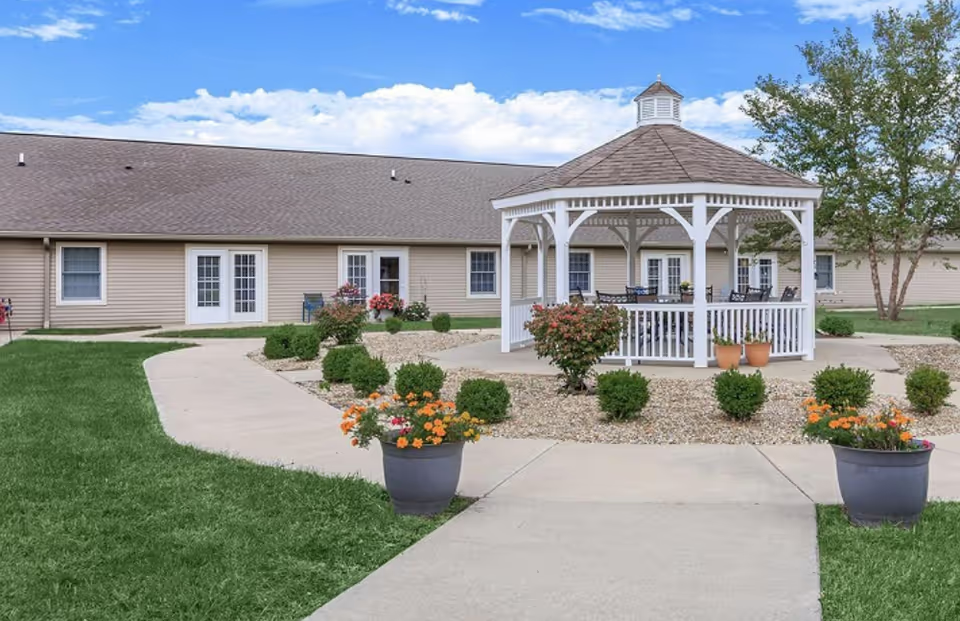
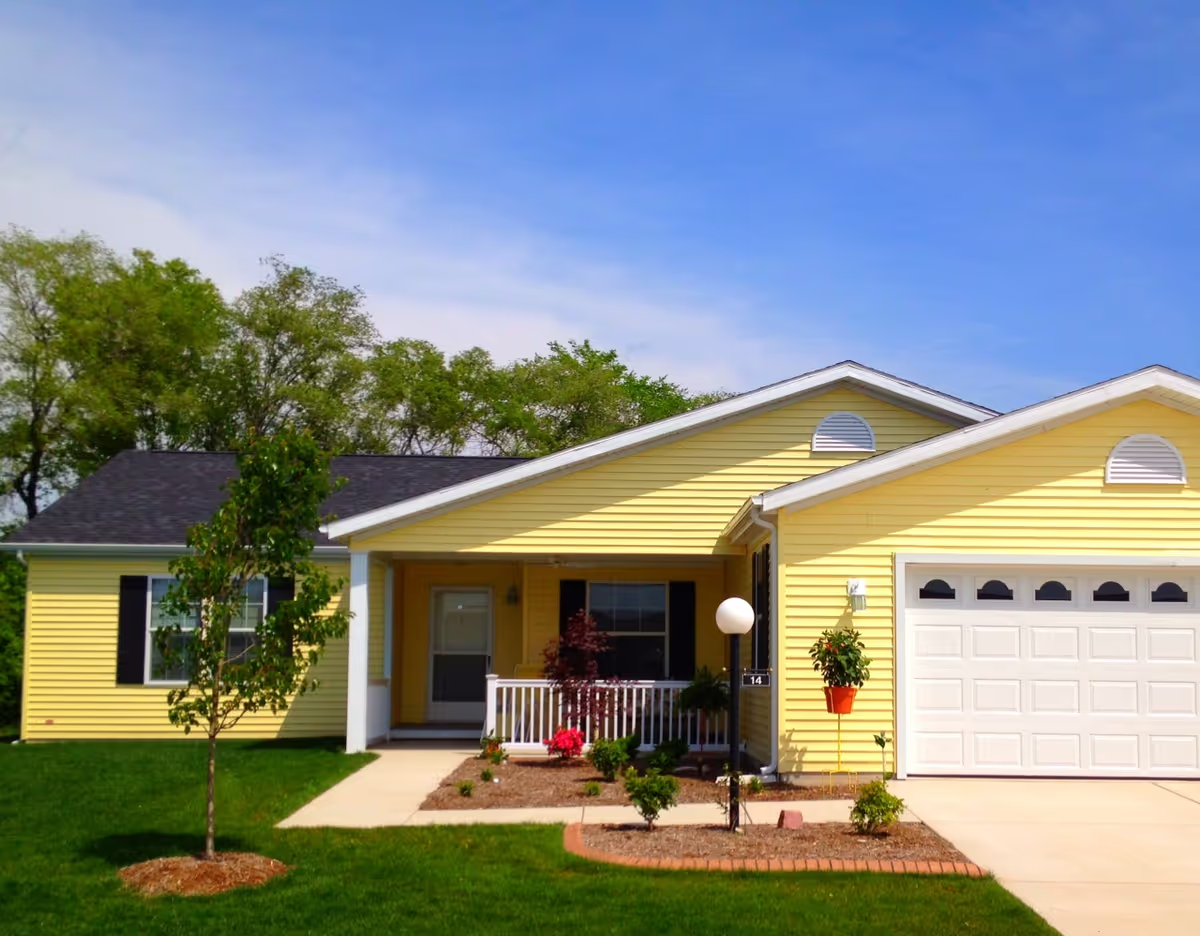
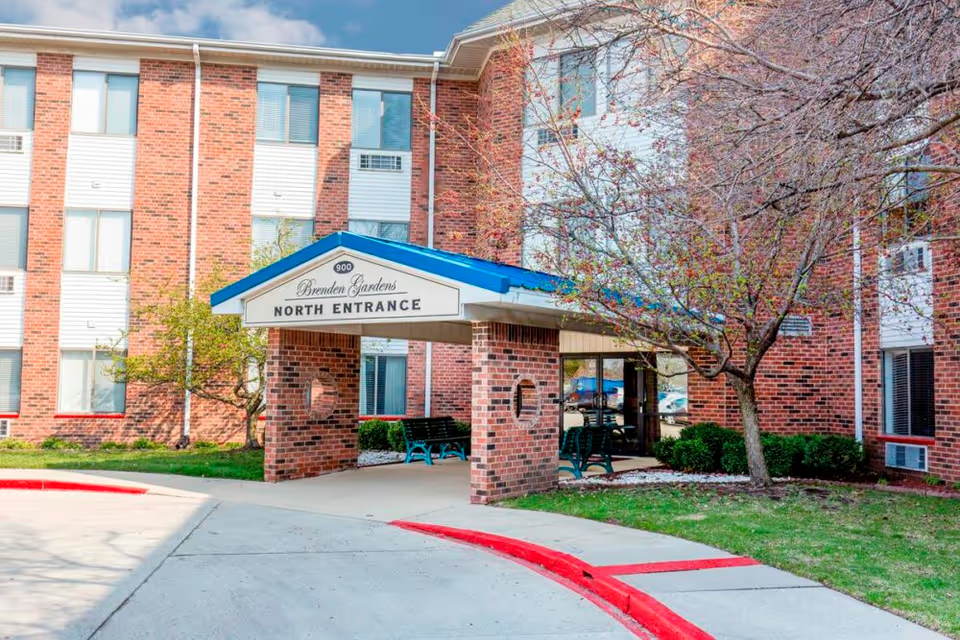
Facilities and amenities Facilities are praised for cleanliness, modern finishes, and a range of amenities: exercise room, library, game room, salon, patios, courtyards, and scenic outdoor spaces. Apartment units are noted as roomy and equipped with basic appliances. Some families referenced delays in cottage construction or completion, so timelines for planned units can be a consideration. There are also isolated pest-control concerns that merit direct inquiry during a tour.
Management and notable patterns Management and leadership generally receive favorable mentions for being responsive and involved; the executive director is often cited as knowing residents by name and facilitating communication. Commonly noted strengths are the community’s orientation toward family inclusion and individualized care plans. Areas to probe further at tour include memory-care staffing levels and assistance routines, communication protocols for families, current waitlist status and timing for available units, and any active pest‑control measures. While many reviewers described high satisfaction, a minority of accounts described service and communication shortfalls; these suggest variability in experiences rather than a uniform operational profile.
Recommendation guidance Prospective residents and families should weigh the strong hospice of compassionate staff, robust dining, and active social programming against operational factors such as unit availability, construction timelines, and potential variability in responsiveness in certain care areas. Visiting in person, speaking directly with leadership about staffing models, touring memory‑care spaces, and asking for a sample activity calendar and recent move‑in timelines will help clarify whether the community’s strengths align with an individual’s needs.