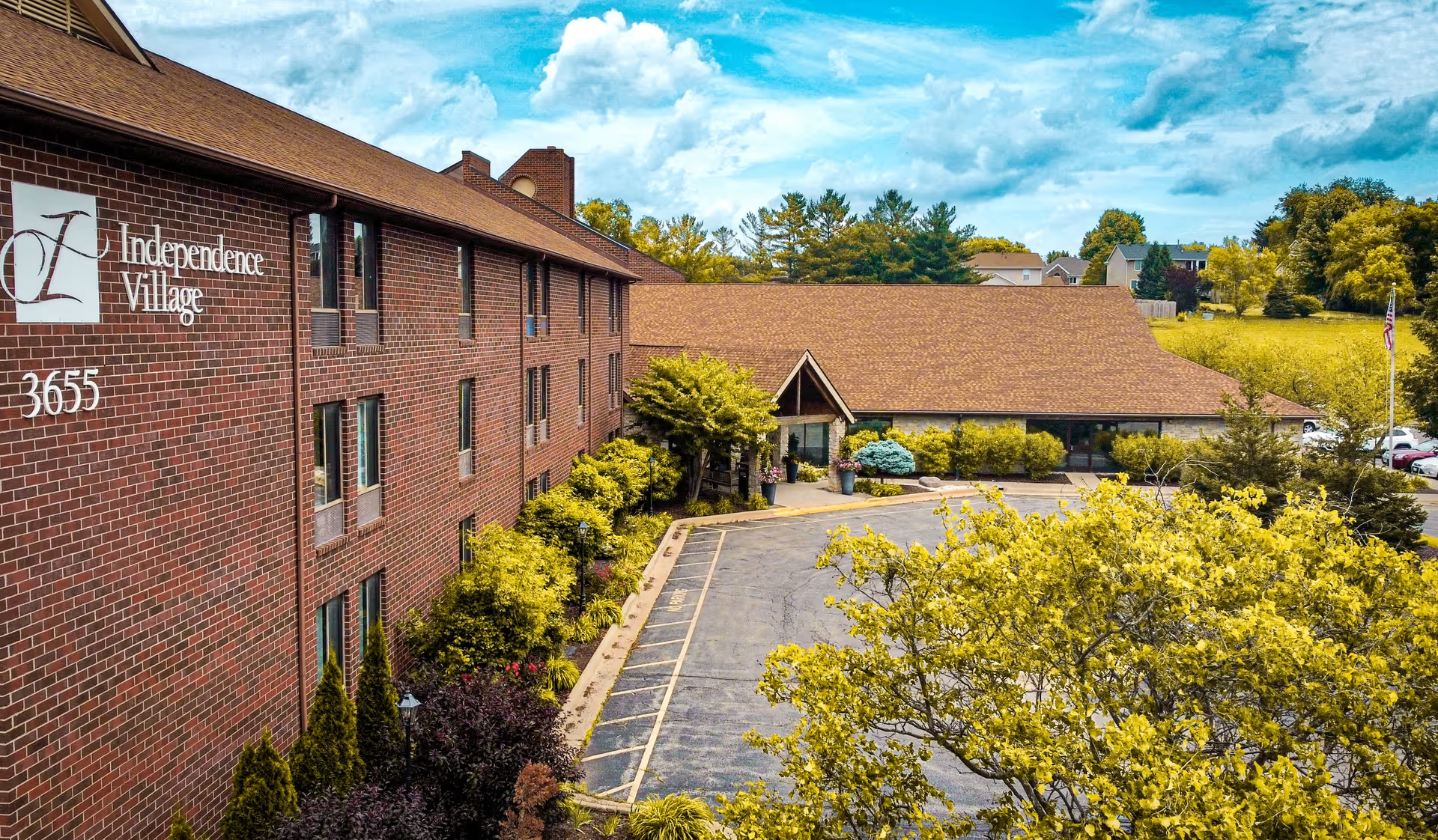
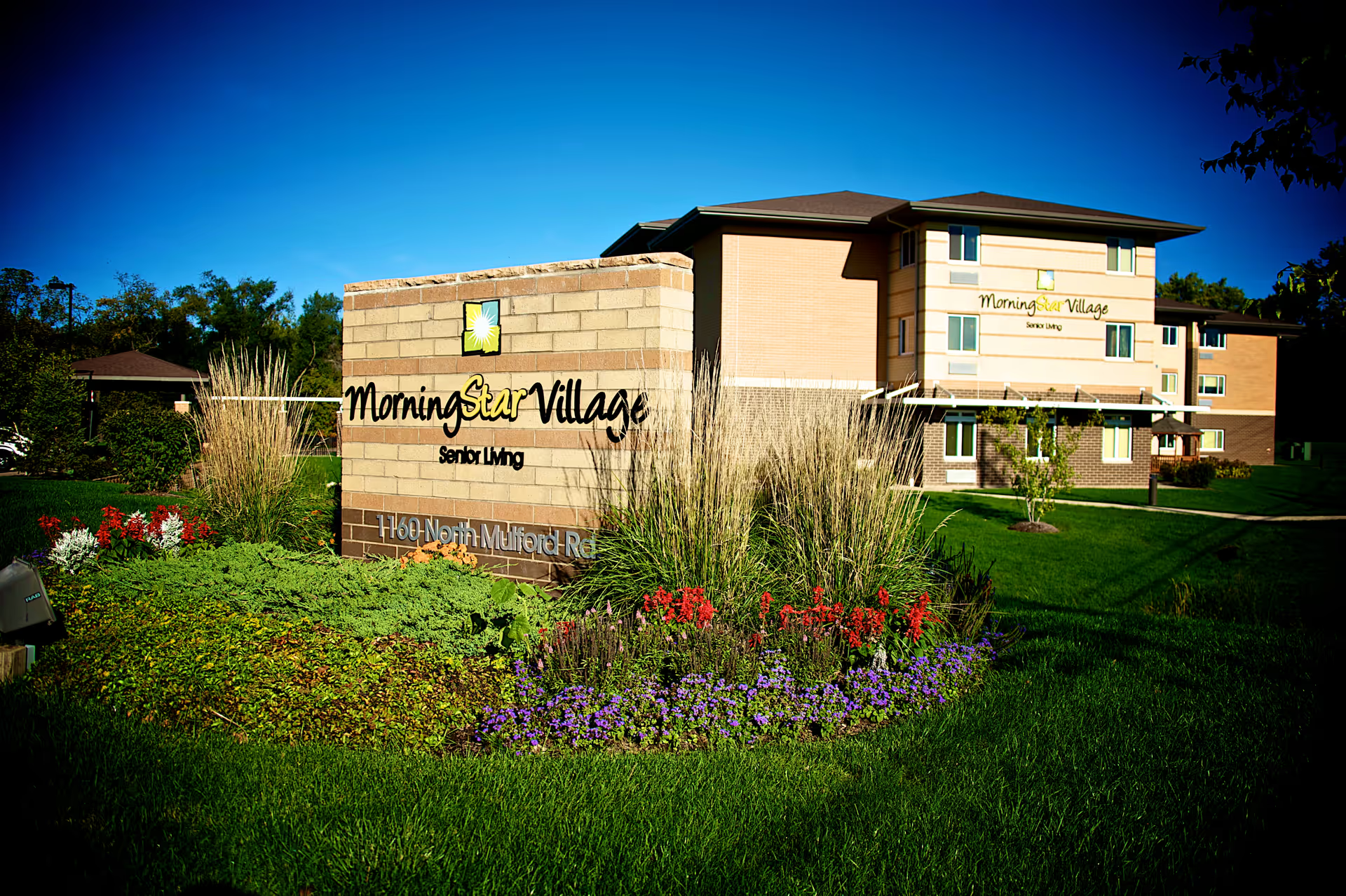
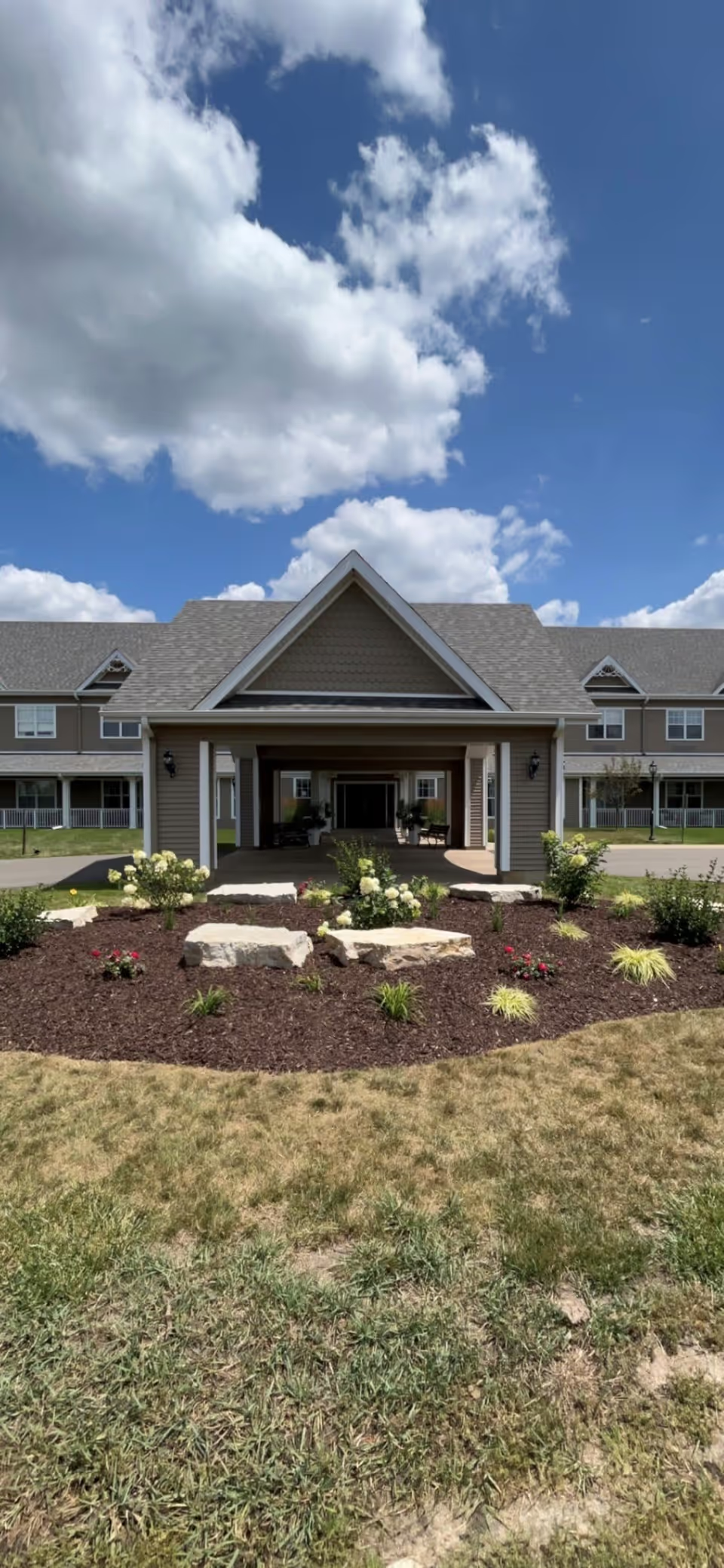
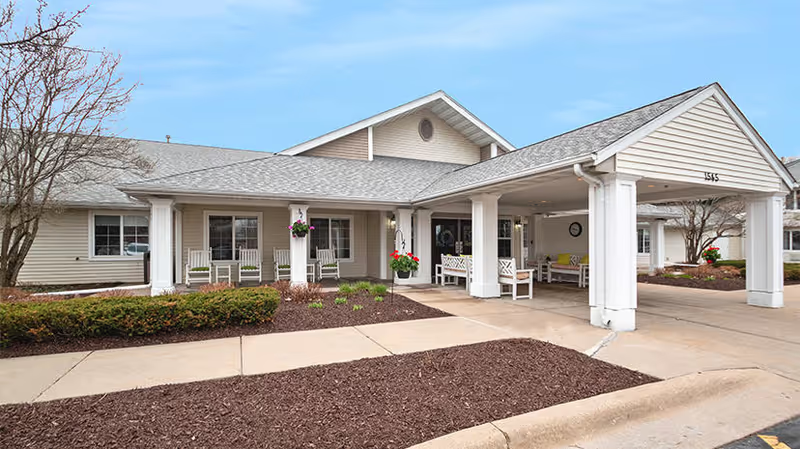
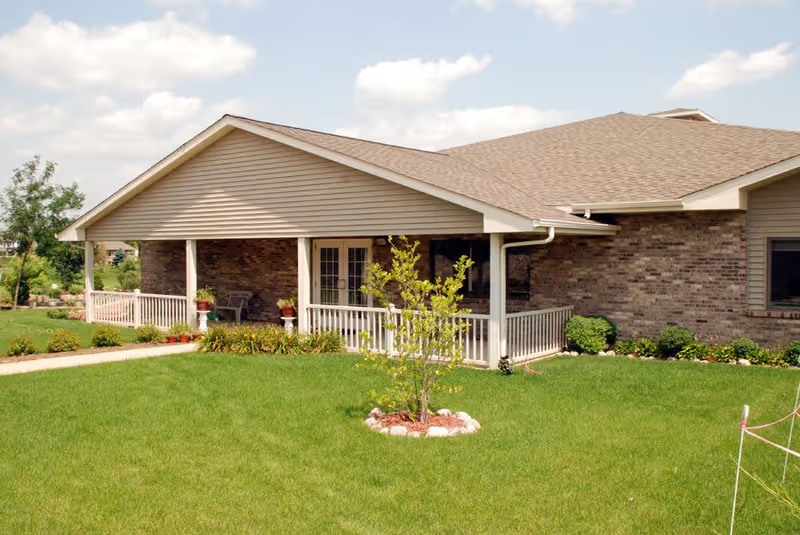
Overall impression: Reviews describe a facility with a mix of clear strengths and recurring operational weaknesses. Many families praised individual caregivers—particularly CNAs and nurses—for compassion, hands-on attention, and strength in end-of-life support. Rehabilitation and therapy services are frequently cited as effective, and the activity program, courtyard/outings, and family events contribute to a home-like, social environment. The building is described as an older but well-maintained facility with spacious rooms and private-room options, and food quality is generally viewed as acceptable to good with buffet-style choices.
Care quality and clinical concerns: Clinical experiences are variable. Positive accounts highlight timely, confident care and good hospice coordination. However, a pattern of clinical gaps appears across reviews: missed medication checks, delayed physician notification, slow diagnostic follow-up, and instances of wound or skin-care issues that required higher-level intervention. These suggest weaknesses in clinical oversight and escalation processes—particularly for higher-acuity residents. A small number of serious adverse outcomes were described; reviewers framed these as concerns about the timeliness of transfers and clinical decision-making.
Staffing and staff conduct: Staff behavior is a central dividing line in reviews. Many families emphasize compassionate, responsive CNAs and nurses who provide personalized attention. At the same time, frequent comments about short-staffing, high turnover, inconsistent training, and variable shift performance (especially nights) indicate operational staffing instability. There are also repeated concerns about staff tone and communication in some cases, including cultural-sensitivity issues. These patterns point to uneven staff performance driven in part by staffing levels and training variability.
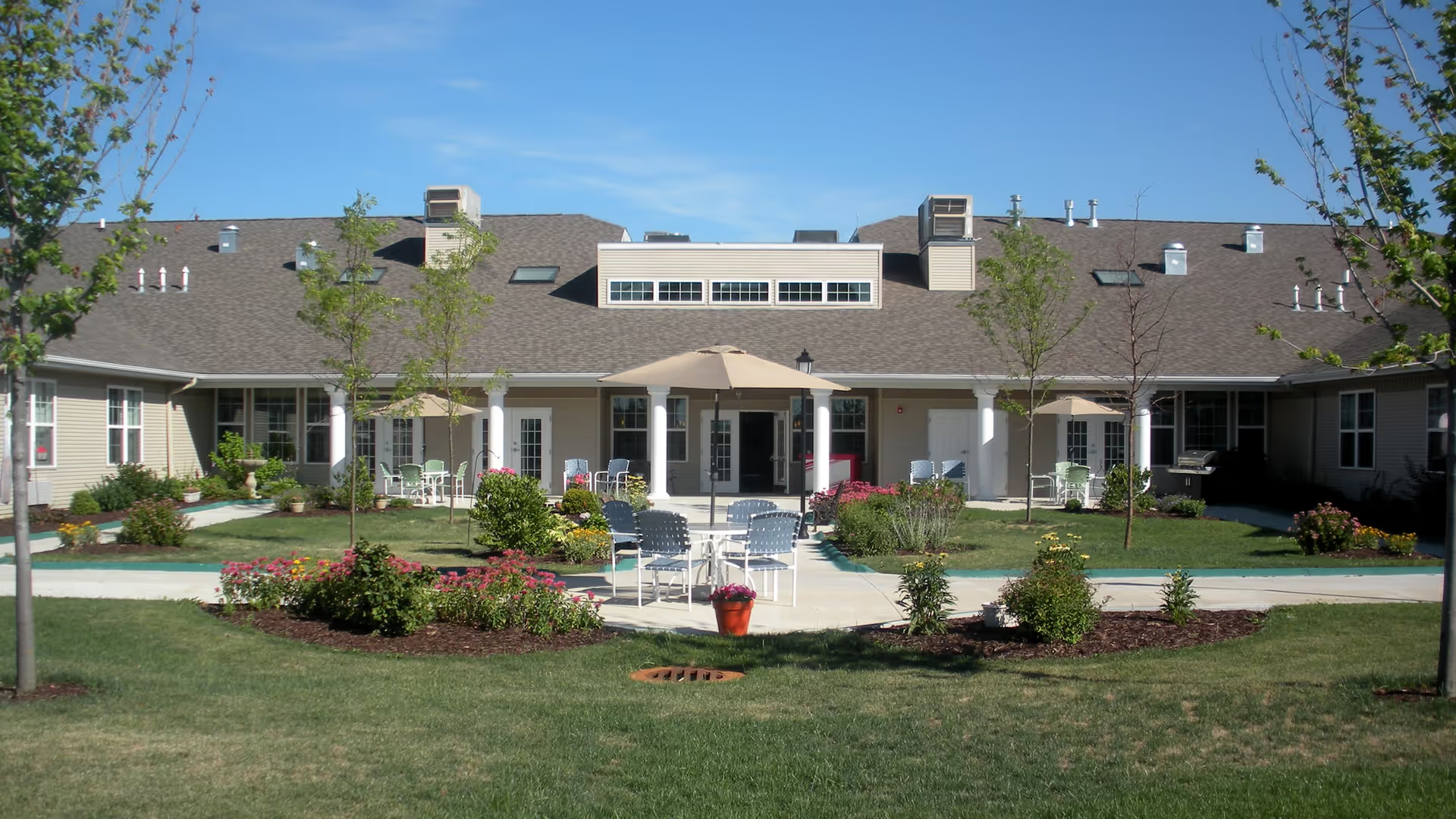
Dining and activities: Dining and social programming are relative strengths. Multiple reviewers praised appetizing meals, choice-based buffet service, and frequent activities (games, holidays, family days, outings) that engage residents and families. Therapy services and an active rehabilitation program are reported as effective for post-acute and long-term needs.
Facilities and sanitation: The facility is described as clean and well-kept in many areas, with bright communal spaces and an appealing courtyard. That said, there are recurring sanitation and odor concerns in certain wings, plus pest-control issues mentioned. These descriptions suggest variability in maintenance and housekeeping performance across units rather than facility-wide consistency.
Management and operations: Families reported mixed experiences with administration. Some reviewers appreciate recent leadership changes and improved communication from admissions or front-desk staff. Others raise concerns about management transparency, hiring practices, budget constraints, and inconsistent follow-through. Operational weaknesses that emerge across reviews include unreliable personal-item tracking (lost glasses, clothing, dentures), inconsistent laundry processes, and lapses in documentation or procedural adherence; there are also isolated allegations of theft and improper documentation that warrant careful investigation.
Notable patterns and takeaway: The dominant themes are strong individual caregivers and robust social/therapy programming contrasted with systemic operational shortcomings—chiefly staffing instability, inconsistent clinical oversight, and variable housekeeping/maintenance performance. Prospective residents and families will likely encounter compassionate staff and good programming, but should also assess current staffing levels, clinical escalation protocols, personal-belongings procedures, and unit-level cleanliness during a visit. If higher-acuity medical needs are present, confirm physician access, medication-monitoring practices, and transfer/respiratory escalation procedures before placement.