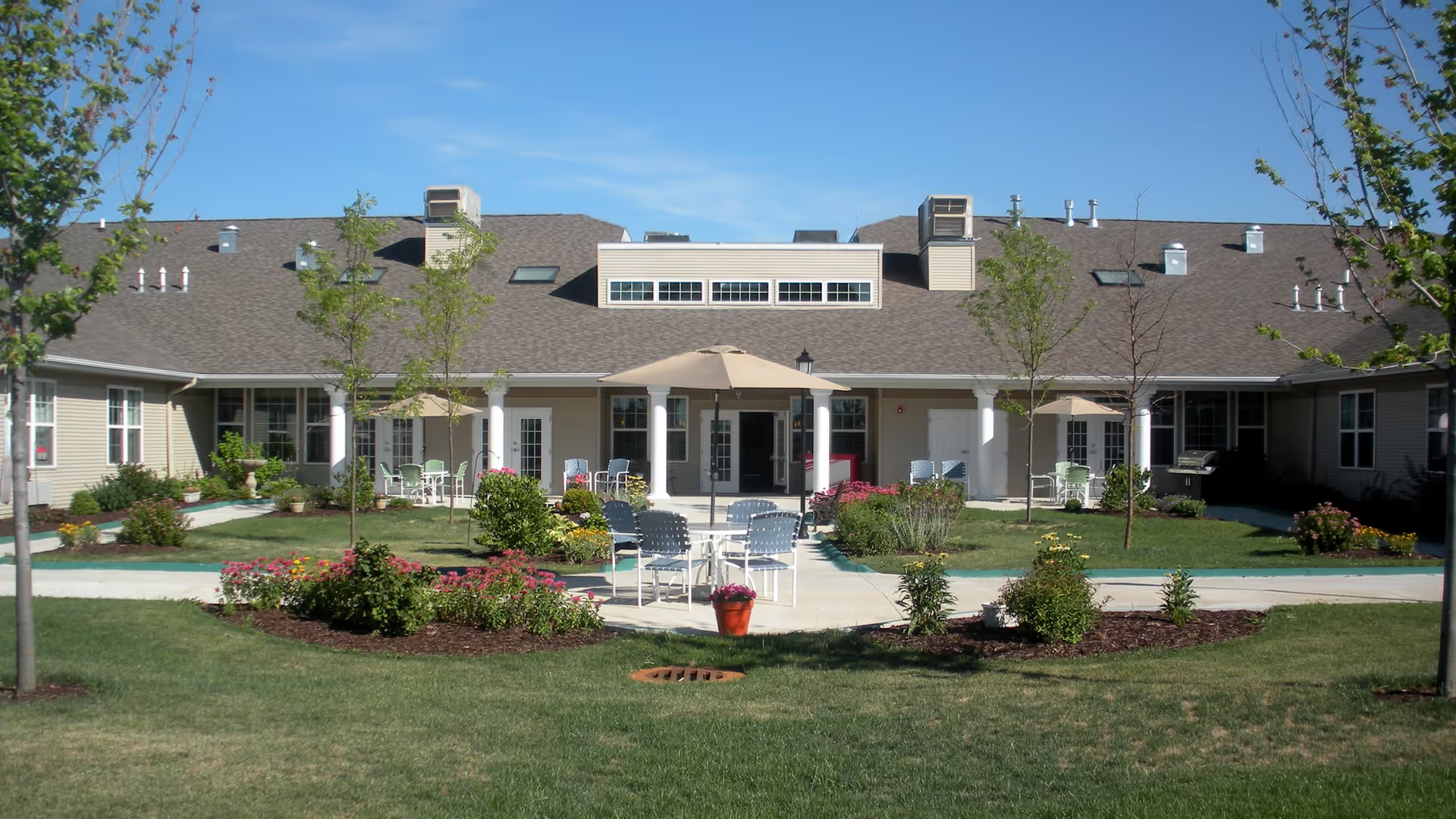
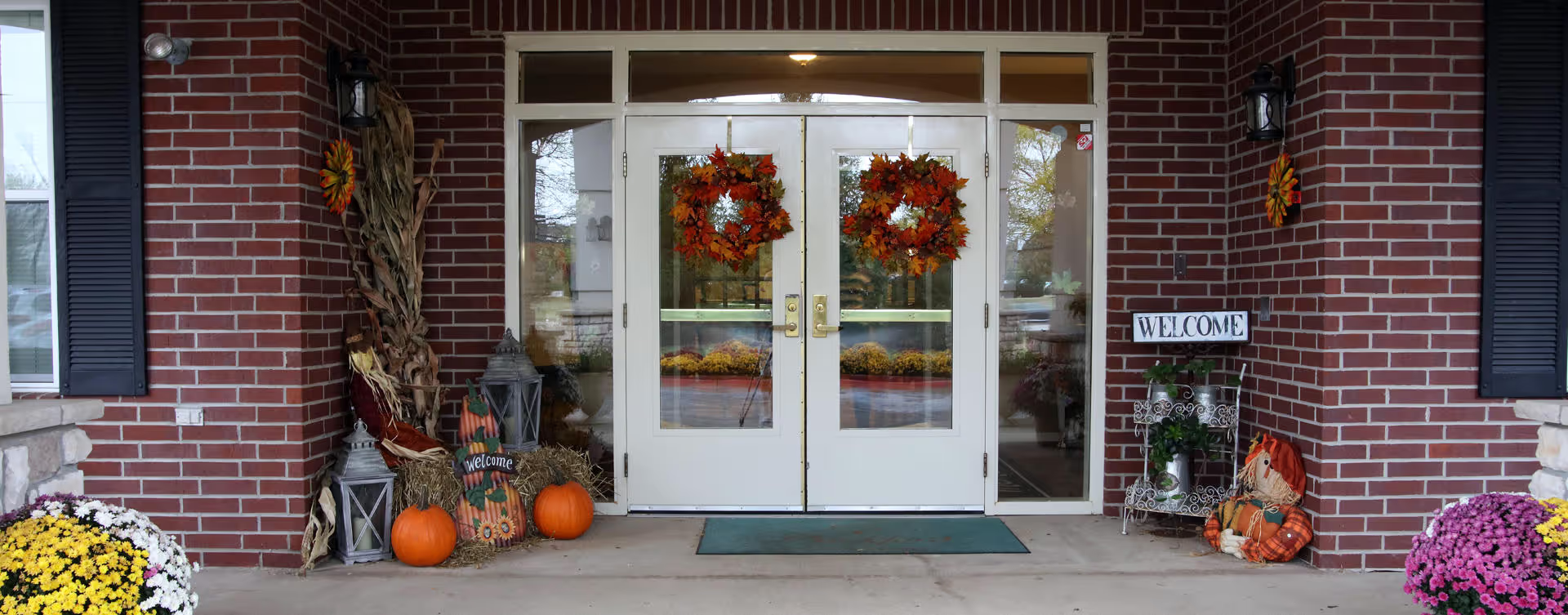
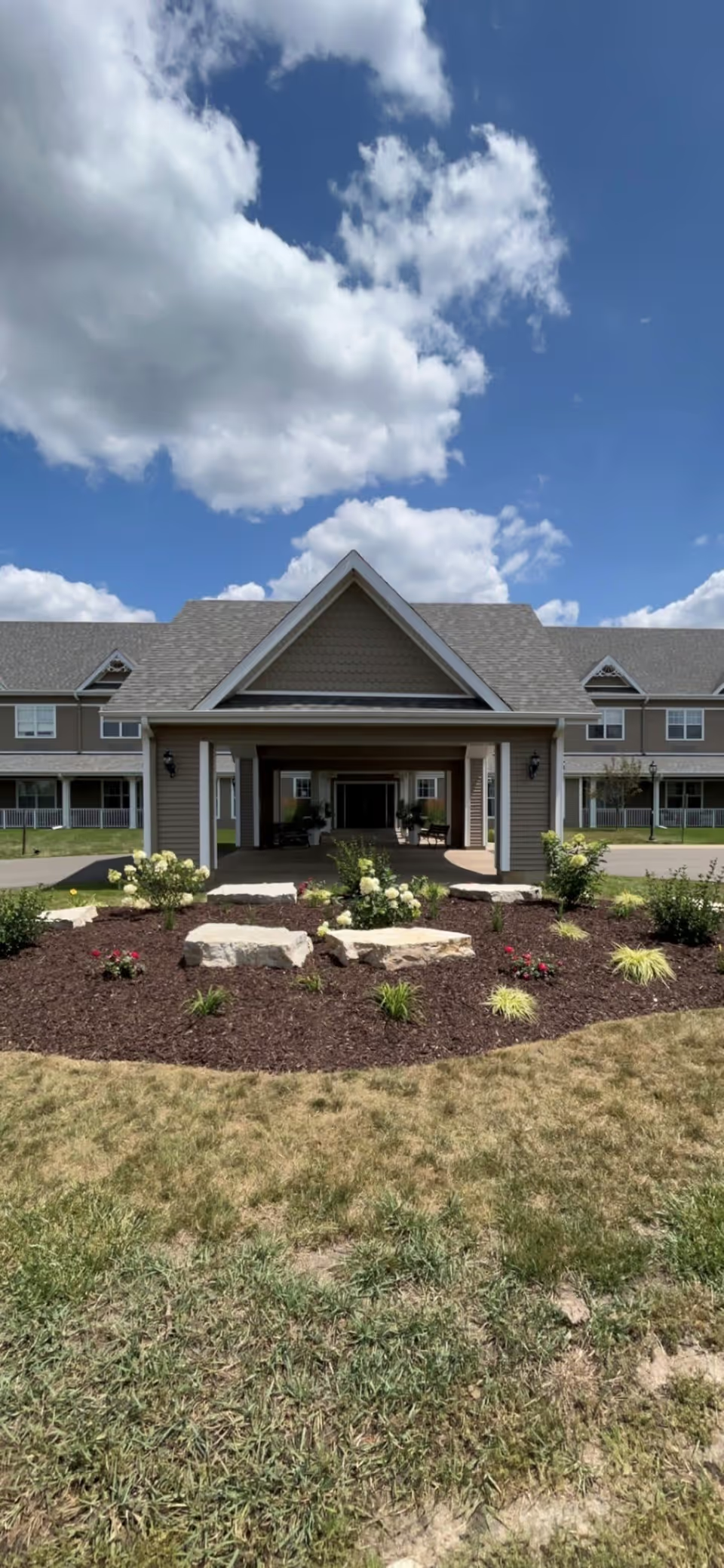
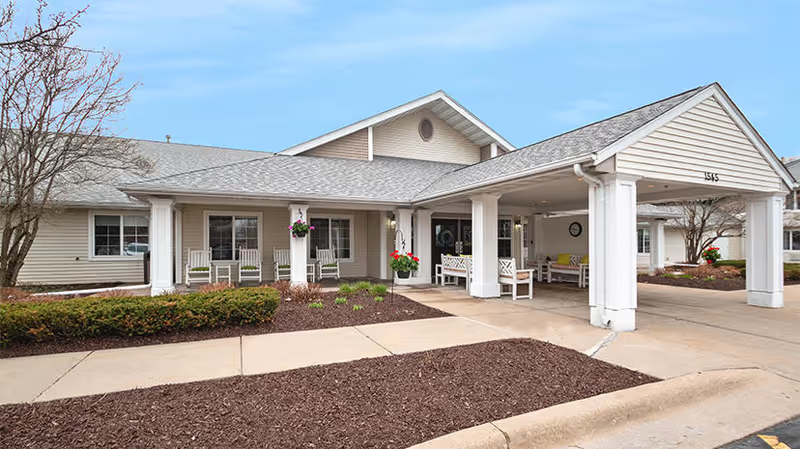
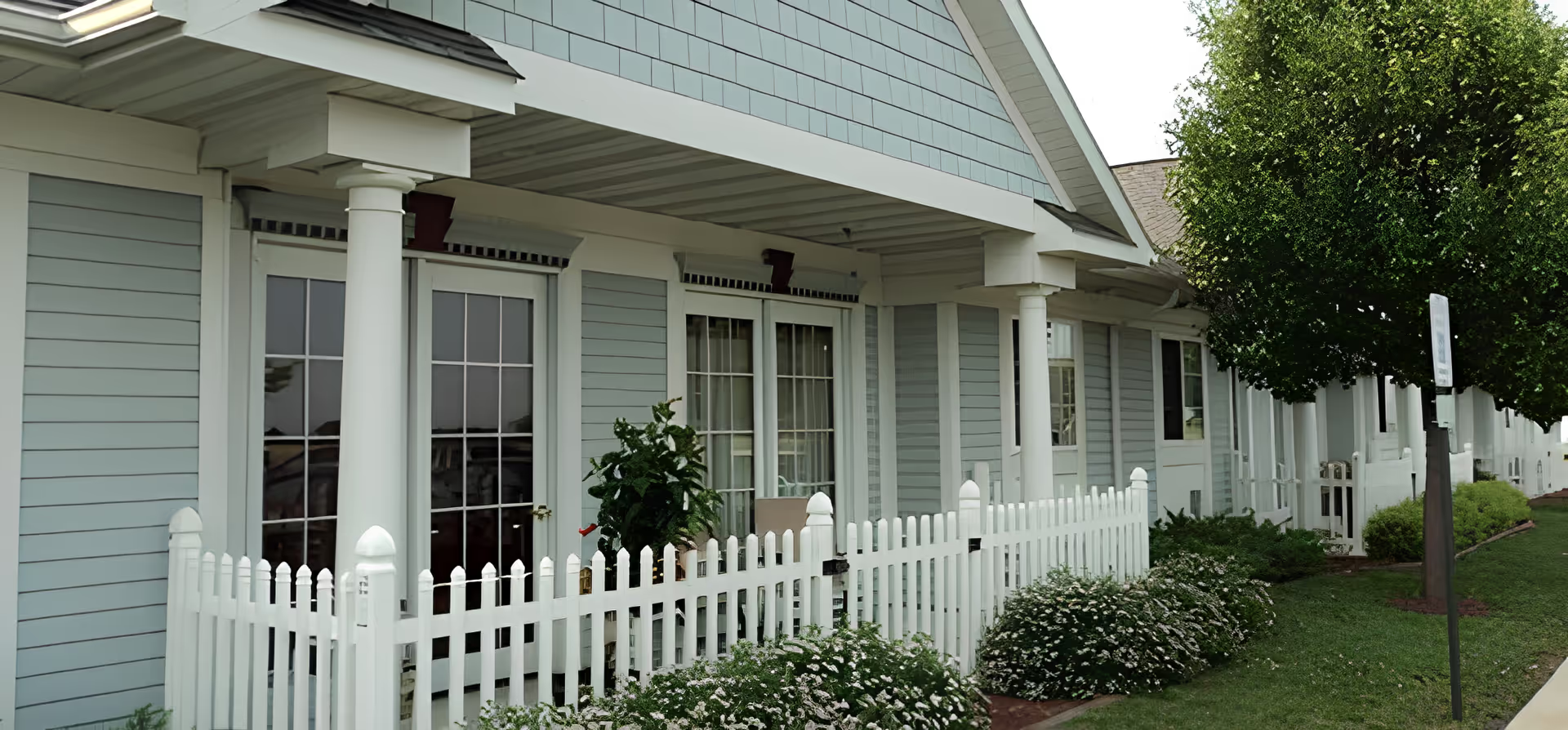
Overall impression: Wesley Willows presents as an upscale, well-appointed continuing-care community with substantial amenities and attractive grounds. Reviewers consistently praise the campus appearance, landscaping, and a broad range of facilities — multiple pools, a spa, a full fitness center with trainers, indoor walking track, large library, woodworking shop, and community-garden plots. Housing options span independent cottages and duplexes to assisted-living suites and memory-care neighborhoods, which many families find convenient for long-term planning.
Care and staff: Feedback on staff and clinical care is mixed. Numerous accounts highlight friendly, accommodating employees, helpful admissions staff, and strong rehabilitation services (PT/OT). At the same time, there are recurring concerns about inconsistent staffing levels, frequent reliance on temporary or agency personnel, and uneven clinical performance—particularly in higher-acuity health-center units. Reviewers describe delays in response to assistance requests, variability in personal-care routines (including bathing schedules), and uneven medication and pain-management practices. There are also isolated but serious reports that raise questions about emergency preparedness and the facility’s post-incident follow-up and communication.
Dining, activities, and services: Dining and social programming are strengths in many descriptions: varied menus, themed meals, active social calendars, frequent outings, and a strong activity department. However, several reviewers note variability in food quality and occasional reductions in perceived meal service. The activities program is robust overall but appears less consistent in some assisted and nursing areas, with requests for more daytime programming in those units. Housekeeping and support services (laundry, trash removal) are frequently praised, though some reviewers indicate a recent scaling back of cleaning or recycling services in certain areas.
Management, operations, and cost: Wesley Willows is repeatedly characterized as a premium-priced community with significant entrance fees and monthly costs. While sales and financing assistance are available and some families found staff helpful during move-in, others expressed concerns about transparency around pricing and perceived management priorities. Specific operational themes include slow maintenance/repair response in parts of the health center, variable family inclusion in care decisions, and issues with staff professionalism in isolated instances. A few reviews reference serious individual incidents; these have contributed to calls for clearer emergency protocols and better communication with families.
What prospective families should ask: Given the mix of strong amenities and recurring operational concerns, prospective residents and families should tour both independent and health-center areas, request recent staffing ratios and turnover information, ask about use and training of agency staff, review emergency-response protocols and equipment availability, clarify medication- and pain-management procedures, and inquire about housekeeping, recycling, and maintenance schedules. Also confirm detailed pricing, buy-in terms, and what services incur additional fees. Doing so will help weigh the community’s extensive physical and social resources against the variability in clinical and operational consistency described by some families.