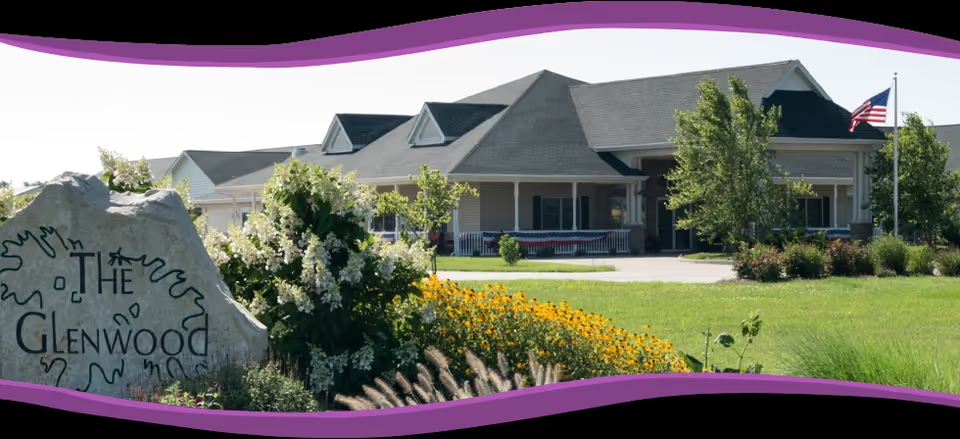
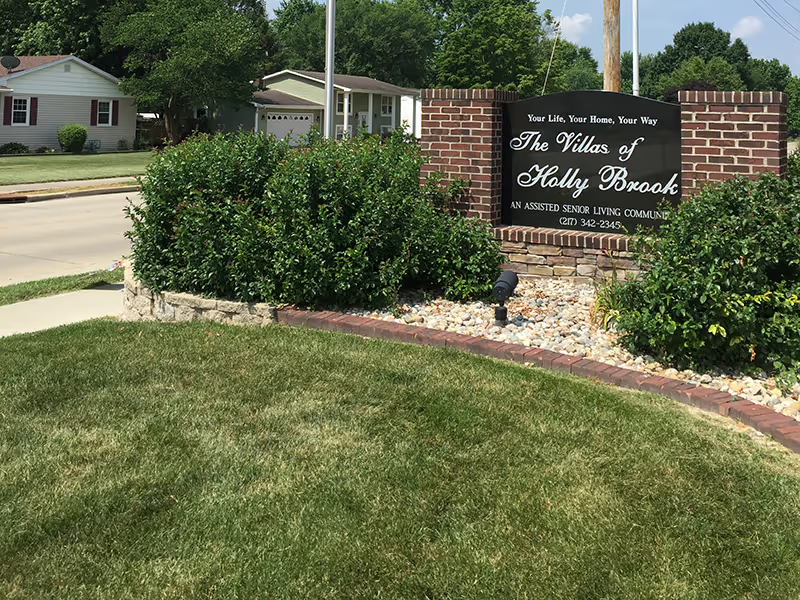
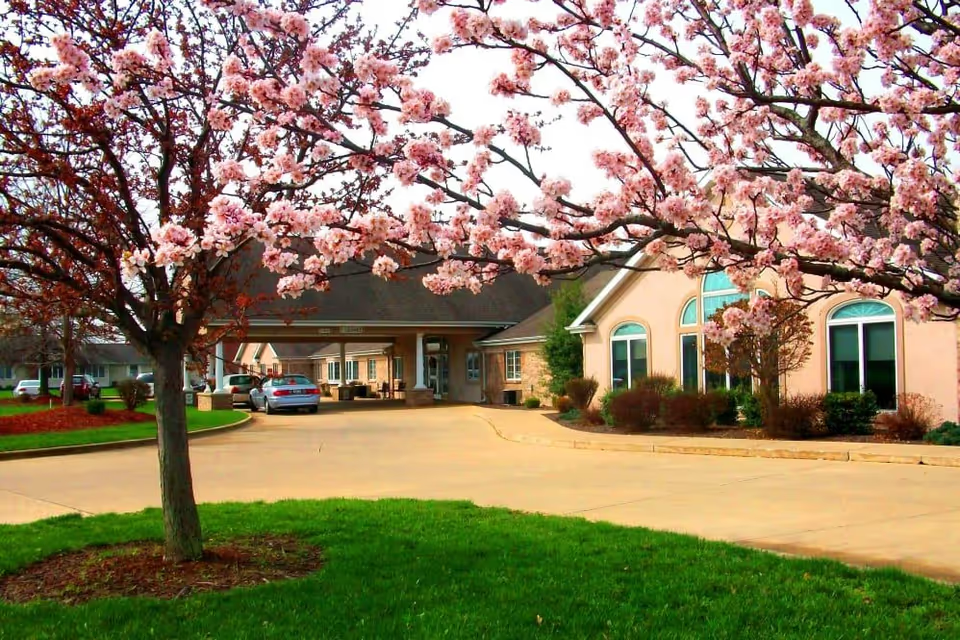
Overall impression: Reviews indicate a facility with several clear strengths alongside operational weaknesses that prospective residents and families should evaluate. Positive themes include compassionate direct care, a strong therapy program, and a warm, home-like environment with attentive management presence. At the same time, reviewers raised consistent operational concerns related to housekeeping, pest control, and staff communication about clinical information.
Care and staff: Caregiving and nursing staff are frequently described as caring and friendly, and the therapy team receives specific praise for rehabilitation services. These strengths suggest routine hands-on support and an emphasis on restorative therapy. However, reviewers also described variability in staff helpfulness and responsiveness; some noted difficulties when staff needed to parse or relay medical information, which points to uneven performance in clinical communication and documentation practices.
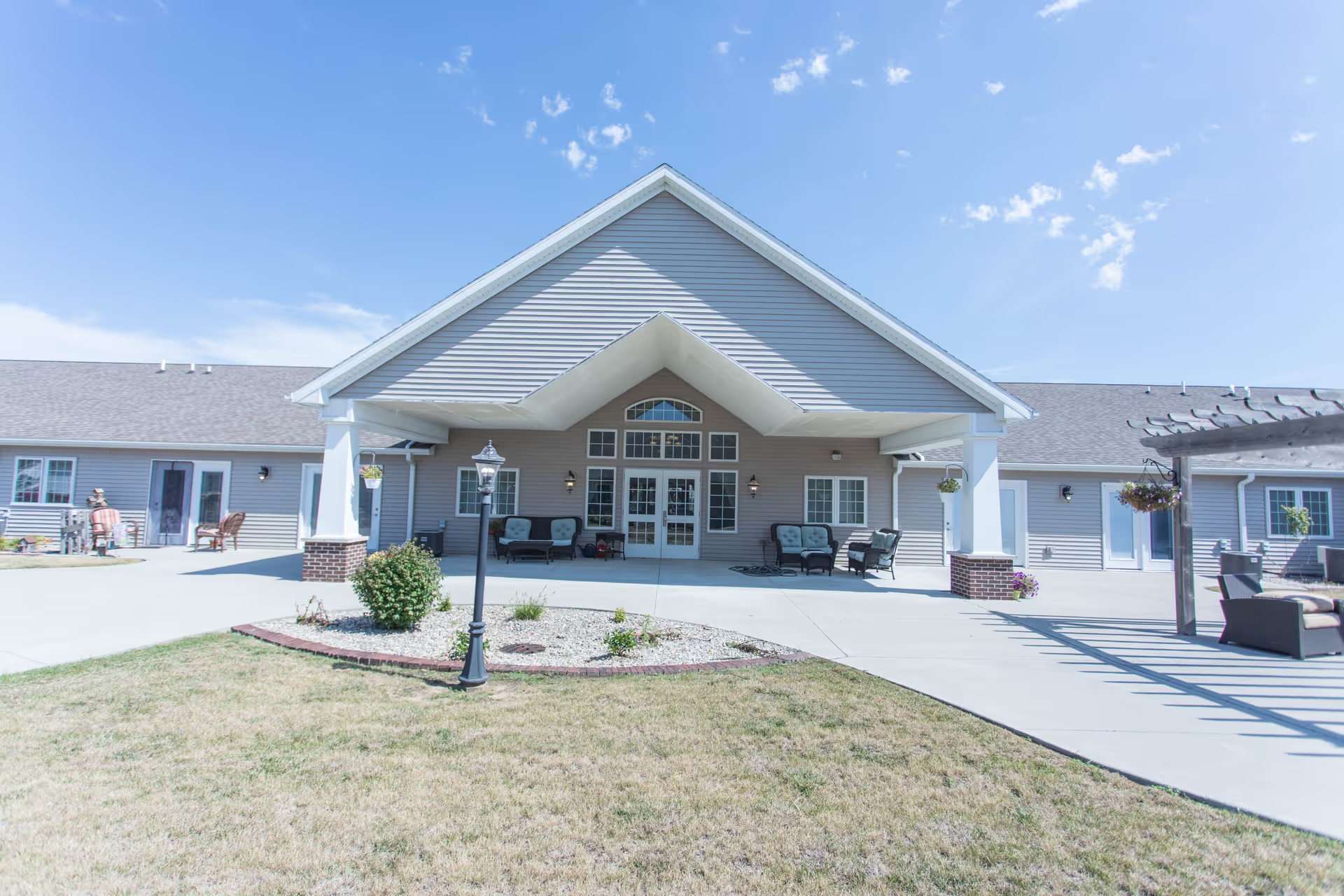
Dining, activities, and resident life: Dining is generally framed positively, with warm, home-style meals noted as a facility strength. The resident community is described as welcoming and engaging, and the overall atmosphere is characterized as inviting and homey, which can support social activity and quality of life. Cosmetic improvements and recent renovations contribute to a comfortable, residential feel.
Facilities and cleanliness: While parts of the building and recent renovations are seen as well maintained, a portion of feedback raises sanitation- and pest-control concerns in some areas. Reviewers contrasted decorative touches with underlying housekeeping issues, suggesting that cleanliness standards may be inconsistent across units or shifts. These operational gaps could affect perceived quality of care and should be clarified during a tour.
Management and administration: Management is generally viewed positively and described as a strength of the facility. Nevertheless, the combination of sanitation inconsistencies and occasional lapses in staff clinical communication suggests areas where operational oversight could be improved. Prospective families may wish to ask management about housekeeping schedules, pest-control protocols, staff training on clinical documentation, and measures used to monitor responsiveness.
Notable patterns and suggestions: The pattern of strong interpersonal care and therapy combined with operational weaknesses points to an organization with solid caregiving culture but variable execution in some support functions. When evaluating this facility, consider confirming current housekeeping and pest-control practices, reviewing incident and communication protocols, and observing staff-resident interactions during different times of day to assess consistency.