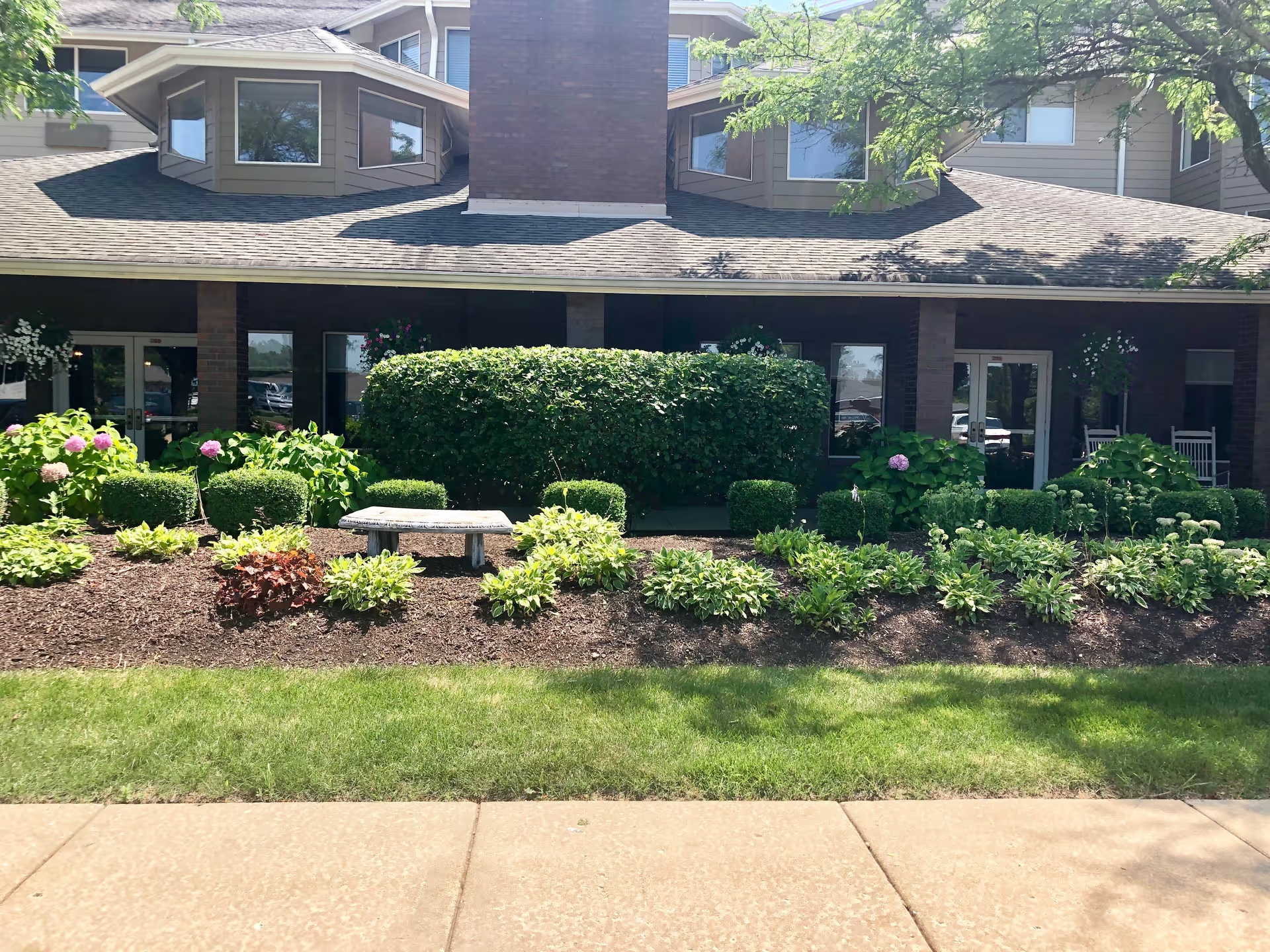
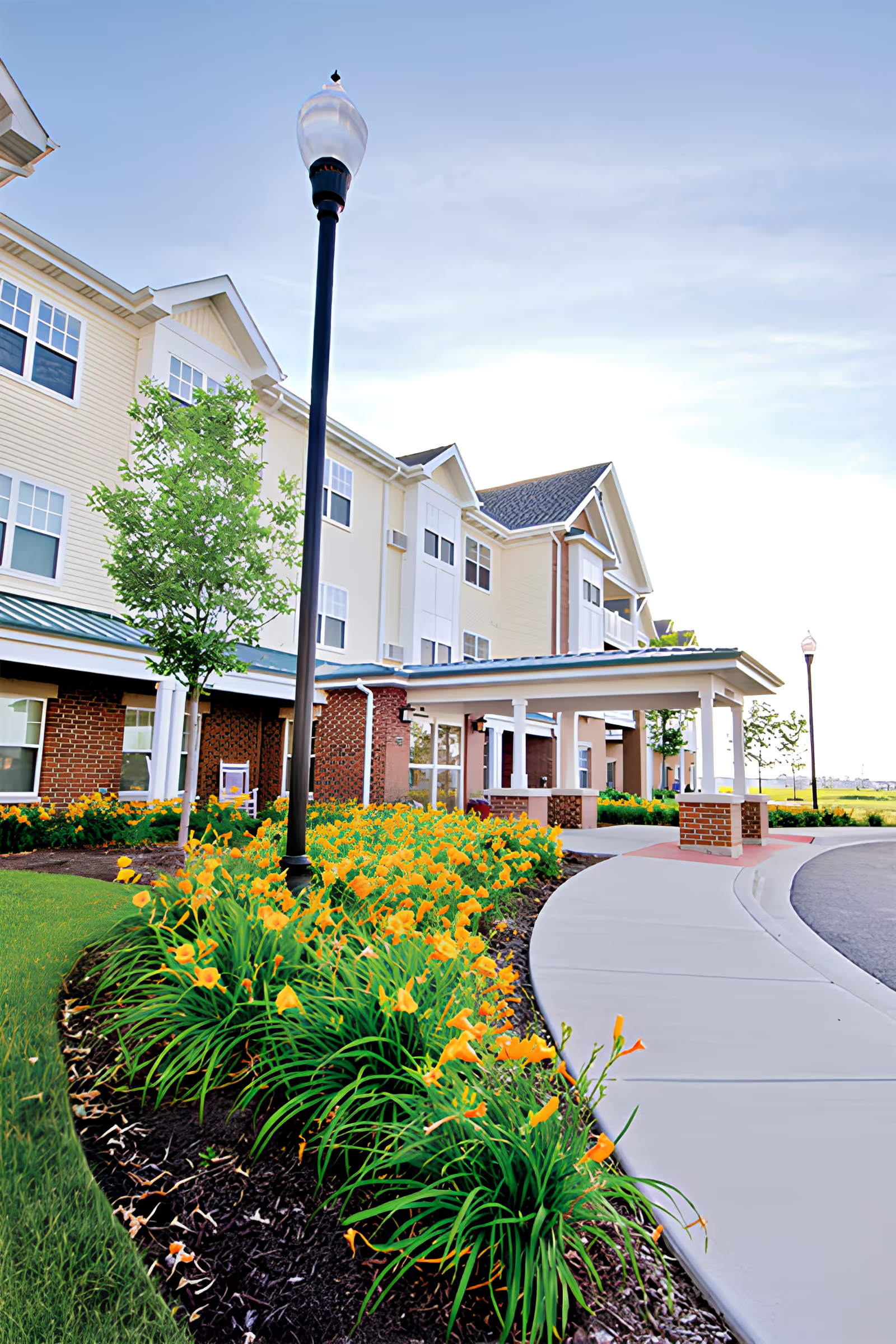
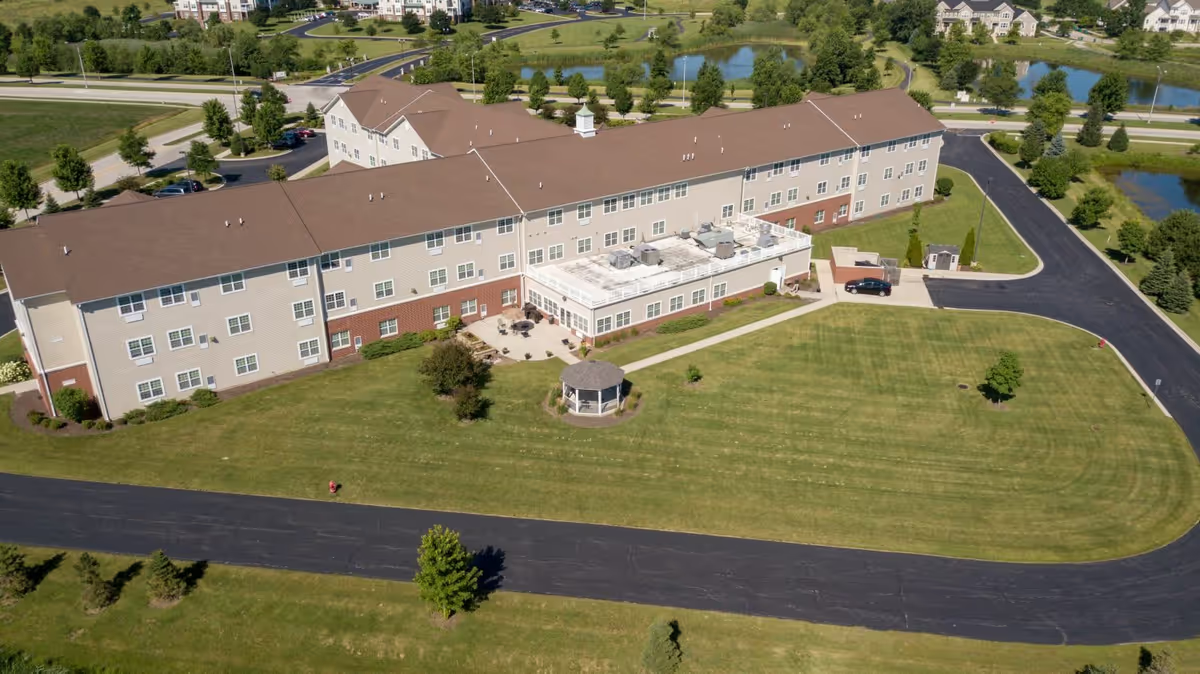
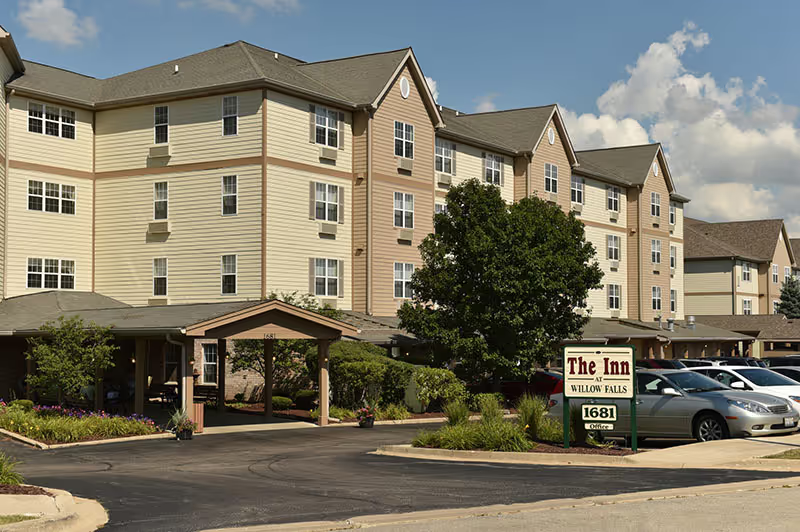
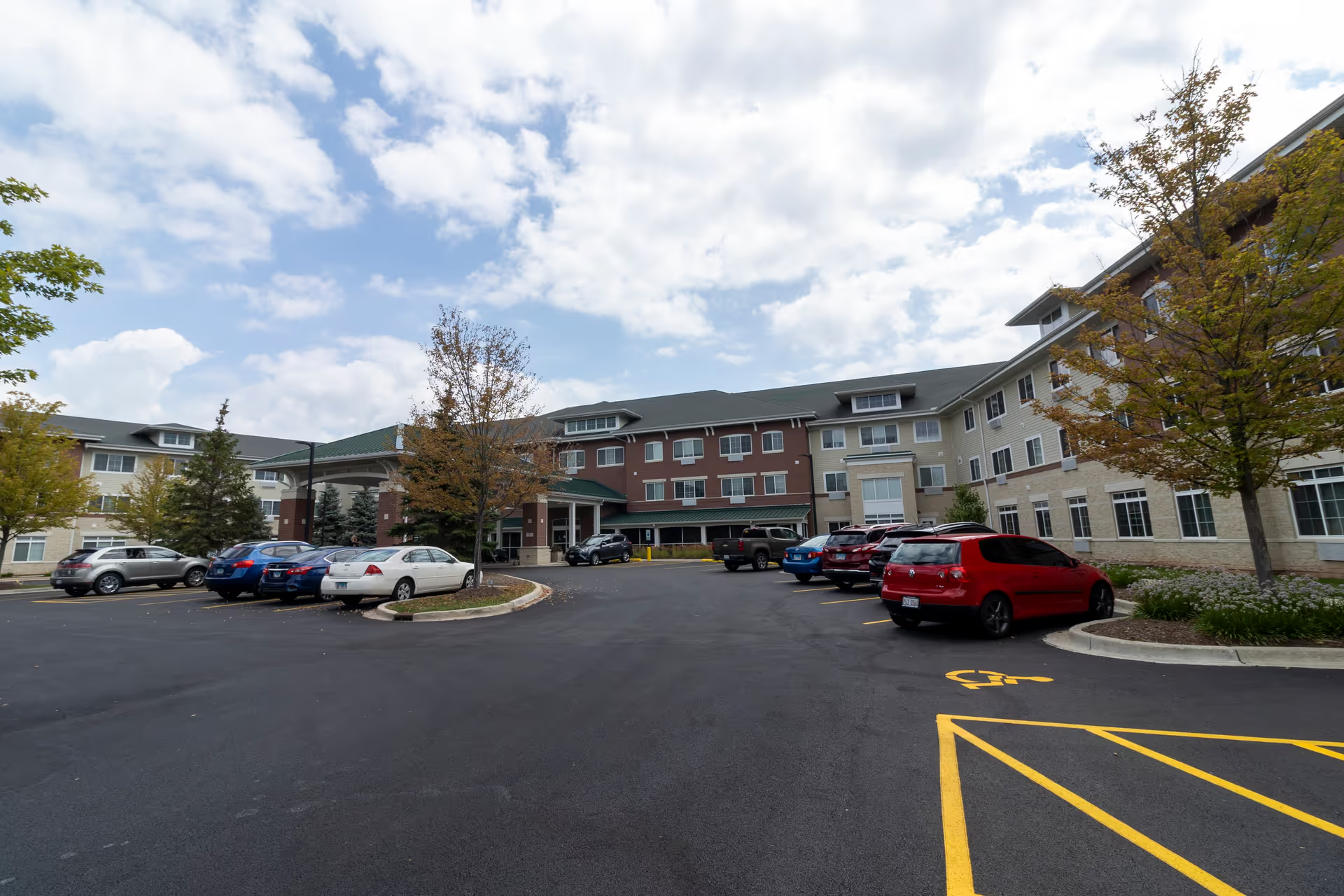
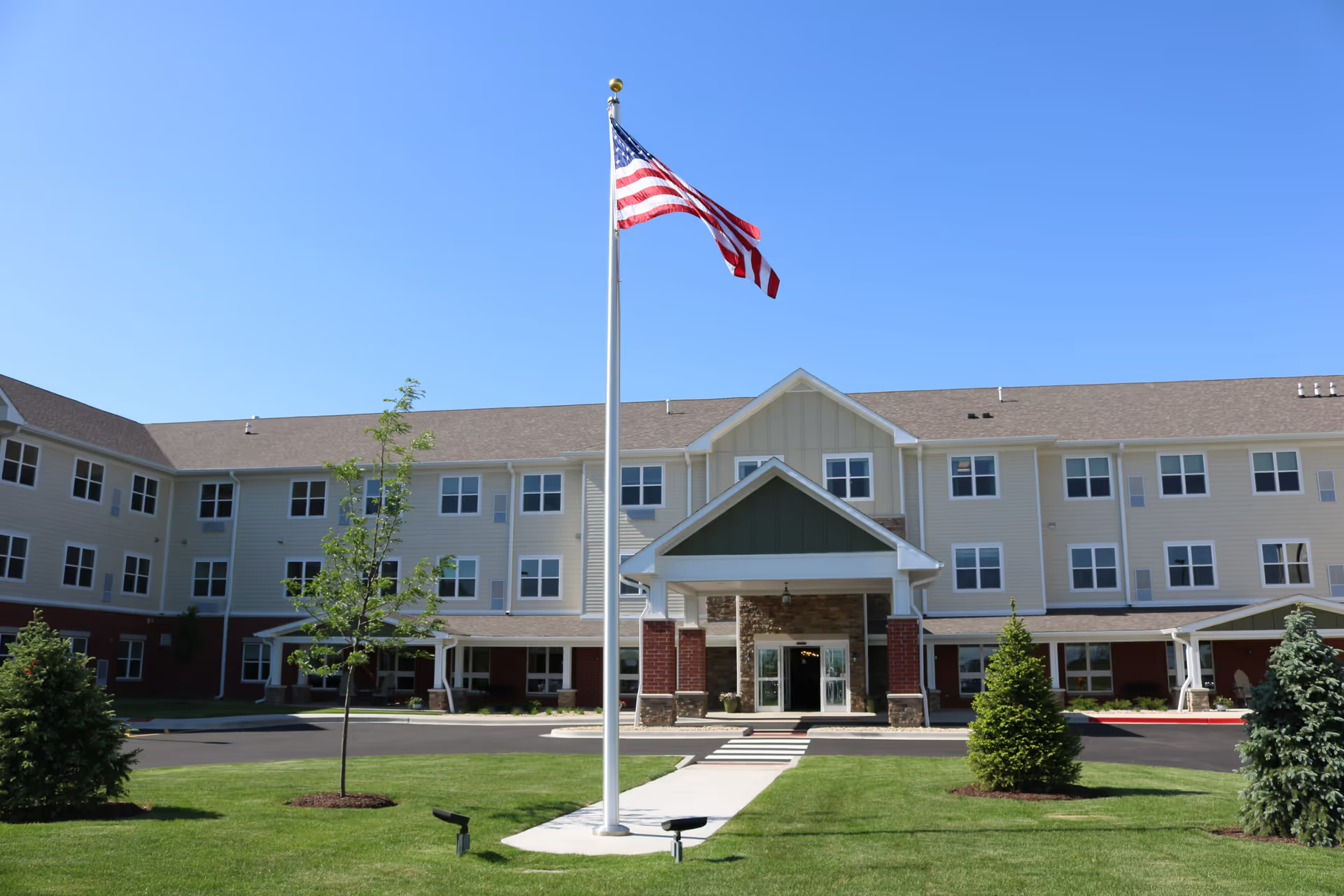
Timbers of Shorewood presents as a well-appointed senior living community with strong strengths in lifestyle, social engagement, and on-site amenities. The facility is consistently described as clean, attractive, and well maintained, with multiple common areas, patios, walking paths, and garden space that support outdoor activity. Apartment offerings (one-bedroom units with in-unit kitchens and some balcony options) and included services such as internet/television, transportation, on-site salon, and therapy spaces contribute to a self-contained living experience. Many reviewers emphasize a restaurant-style dining room, flexible meal choices, plentiful activities (outings, entertainment, holiday events, clubs, and exercise classes), and a family-like atmosphere that supports socialization and mental engagement.
Staffing and day-to-day resident experience receive largely positive feedback: reviewers frequently note caring, attentive employees, long-tenured staff, 24/7 presence of personnel or nursing staff, and responsive maintenance and housekeeping. The activities program and proactive activity director are recurring highlights, with organized outings, events, and recurring clubs that residents find meaningful. For prospective residents seeking an active independent-living or assisted-living environment focused on social life and routine services, Timbers appears to deliver strong value in these domains.
However, there are consistent operational concerns that prospective residents and families should evaluate further. Clinical care and responsiveness show variability: some families report lapses in monitoring and escalation of health issues, medication-administration inconsistencies, and delays in personal-care assistance. These accounts are accompanied by reports of transfers to higher levels of care in a subset of cases. Staffing dynamics appear mixed—while many reviews praise long-tenured, conscientious staff, others describe periods of understaffing or uneven performance that affect timeliness and consistency of care.
Dining and billing practices are another area of mixed experience. While the dining room is often praised as restaurant-like, reviewers also note variability in meal quality, menu restrictions, and that meals or certain food purchases are charged in addition to base rent, creating potential confusion about total cost. Relatedly, several reviewers cite management and administrative communication gaps—examples include unclear follow-up on concerns, inconsistent billing transparency, and uneven responsiveness from leadership.
Facility-level issues reported include localized cleanliness and odor concerns in some common areas, aging finishes (carpet stains, rusted fixtures), dim corridor lighting that may affect navigation for sight-impaired residents, and isolated safety hazards such as trip risks. There are also a few serious conduct-related allegations, including theft and problematic staff behavior; these are mentioned less frequently but are sufficiently serious that they warrant direct inquiry during any pre-move evaluation.
Recommendation: Timbers is well suited to active seniors who prioritize social programming, campus amenities, and a restaurant-style living environment. For families considering Timbers for residents with higher or changing medical needs, an in-person assessment and detailed conversations with management are recommended. Key questions to ask include staffing levels by shift, clinical monitoring and escalation protocols, medication-administration procedures, incident and family-communication practices, recent quality or survey reports, and a clear breakdown of what is included versus charged separately (meals, therapies, and ancillary services). Verifying recent references, touring multiple floors and apartments, and observing mealtime/service flow can help determine fit given the mixed reports on care consistency and administrative responsiveness.