Heritage Woods & White Oaks of South Elgin presents a mixed but informative profile for prospective residents and families. The community is frequently described as clean, comfortable, and home-like, with attractive interior common areas, a variety of on-site amenities (fitness room, library/computer area, salon, game room, on-site store) and convenient access to nearby shopping and dining. Apartment options include studio and one-bedroom units with space for personal furniture; a number of reviewers highlighted an organized admissions process and a detailed welcome packet that supports new residents’ acclimation.
Care and staff performance receive both strong praise and notable criticism. Many families praised caring, attentive CNAs and nurses, an approachable leadership team, and specific staff who demonstrated calm, patient-focused care and good communication. The community also operates an on-site memory-care unit and provides visiting medical services such as podiatry and physician visits, which many families found valuable. At the same time, recurring operational weaknesses were identified: staffing shortages and turnover affect clinical coverage and after-hours availability; medication administration and tracking have been inconsistent in some instances; and there are documented lapses in housekeeping and laundry reliability. Several reviewers described delayed responses to care needs and concerns about fall-prevention practices, indicating variability in day-to-day clinical consistency.
Dining and activities are generally strengths but show variability. The community offers three meals daily, diabetic-friendly options, and a menu with variety; some residents and families praised meal quality and portioning. Others found food quality inconsistent and portions small at times. Activity programming is robust when fully staffed, with bingo, Wii bowling, outings, church activities, crafts, and salon services cited as regular engagement opportunities that promote social interaction and independence. Activity delivery, however, can be disrupted by staffing shortages or during infection-control periods, which reduces program consistency.
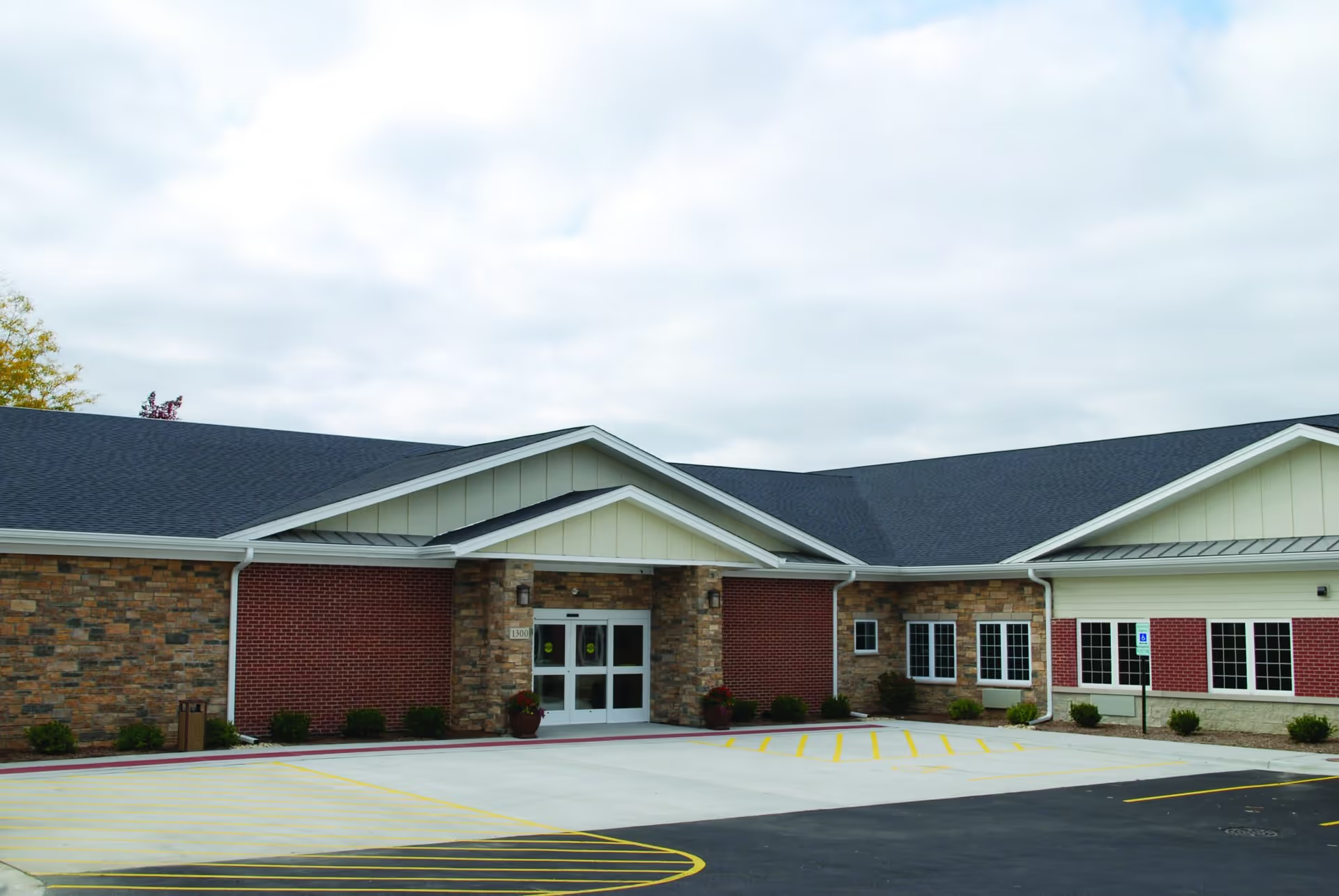
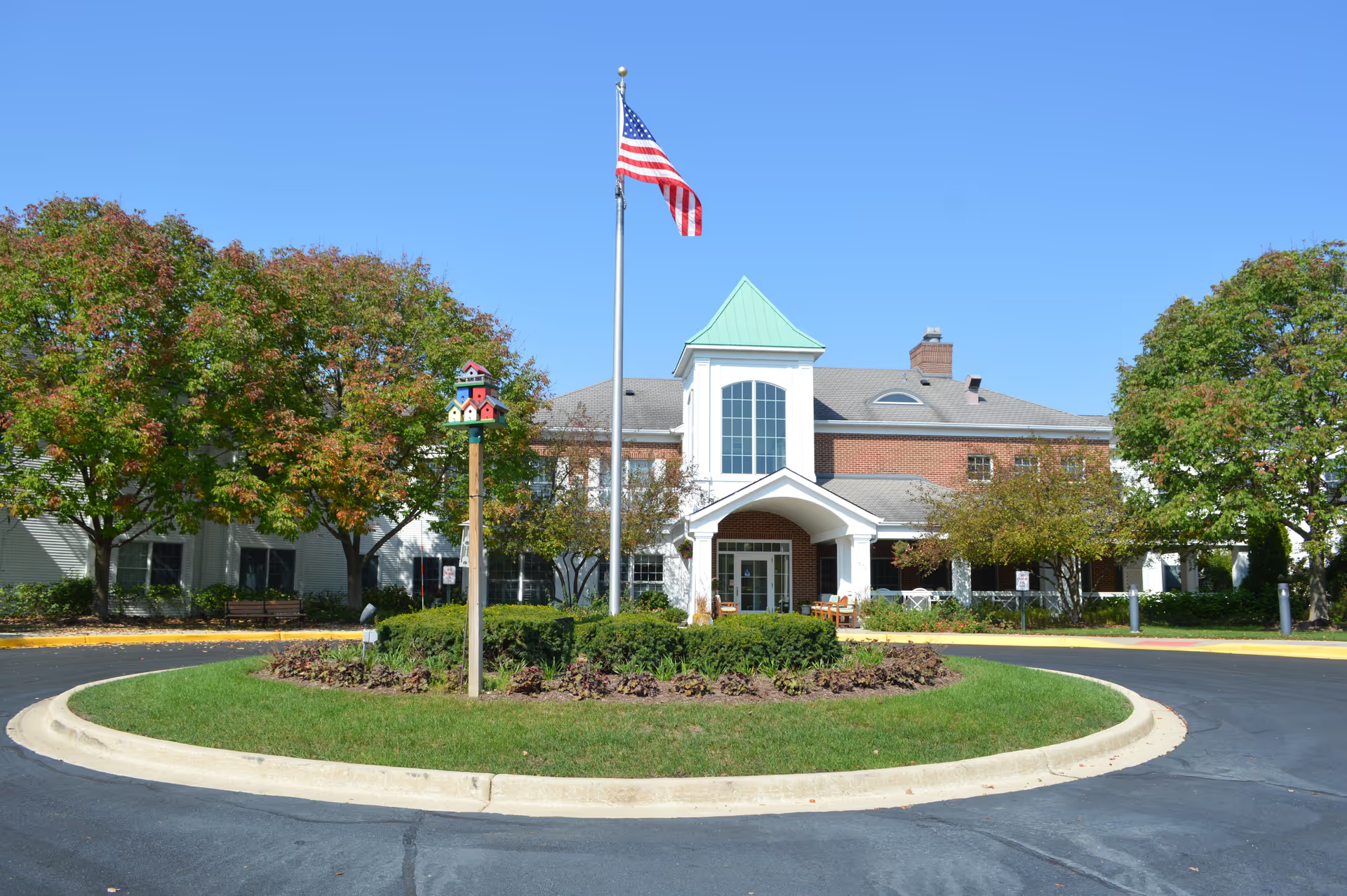
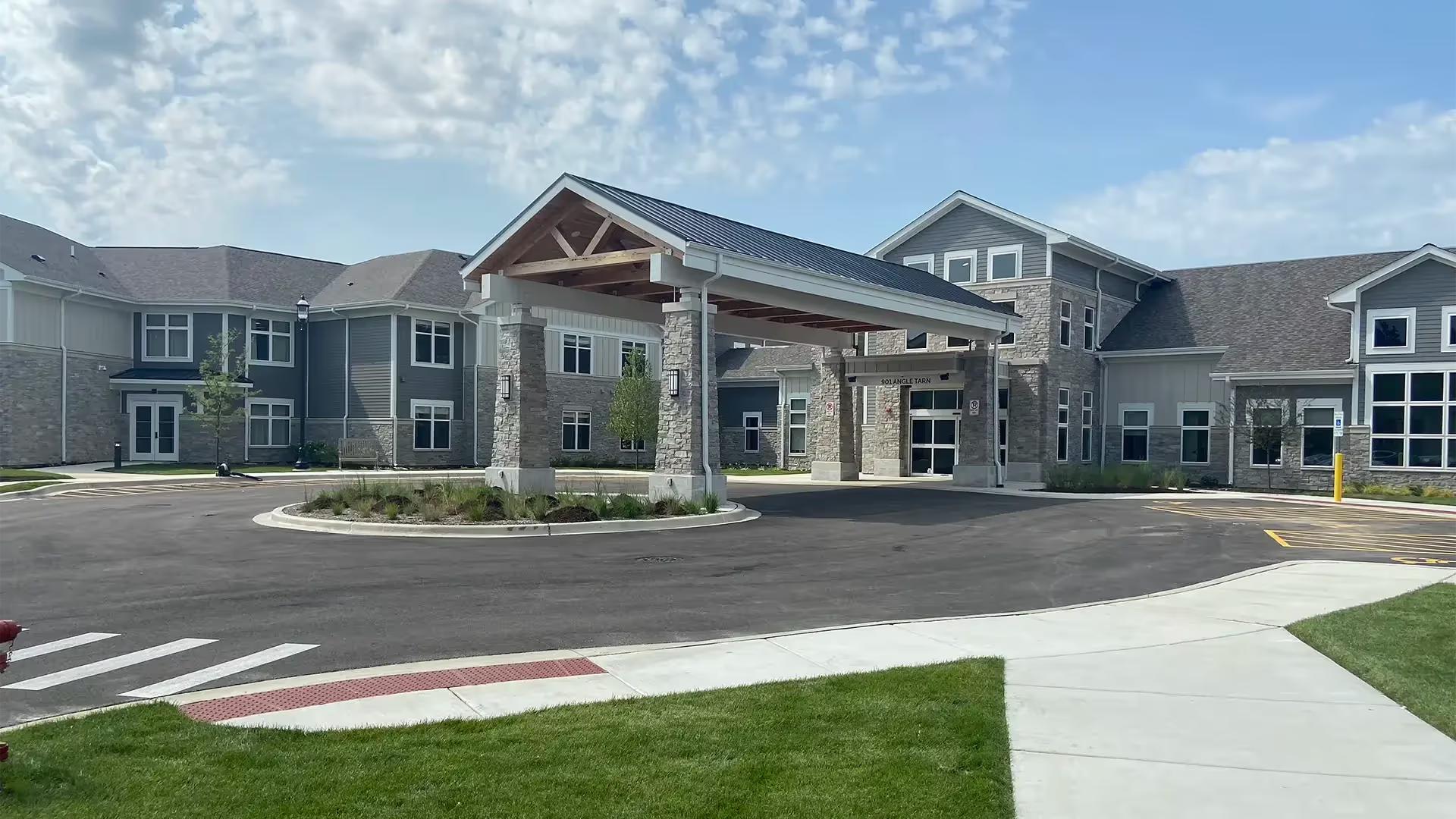
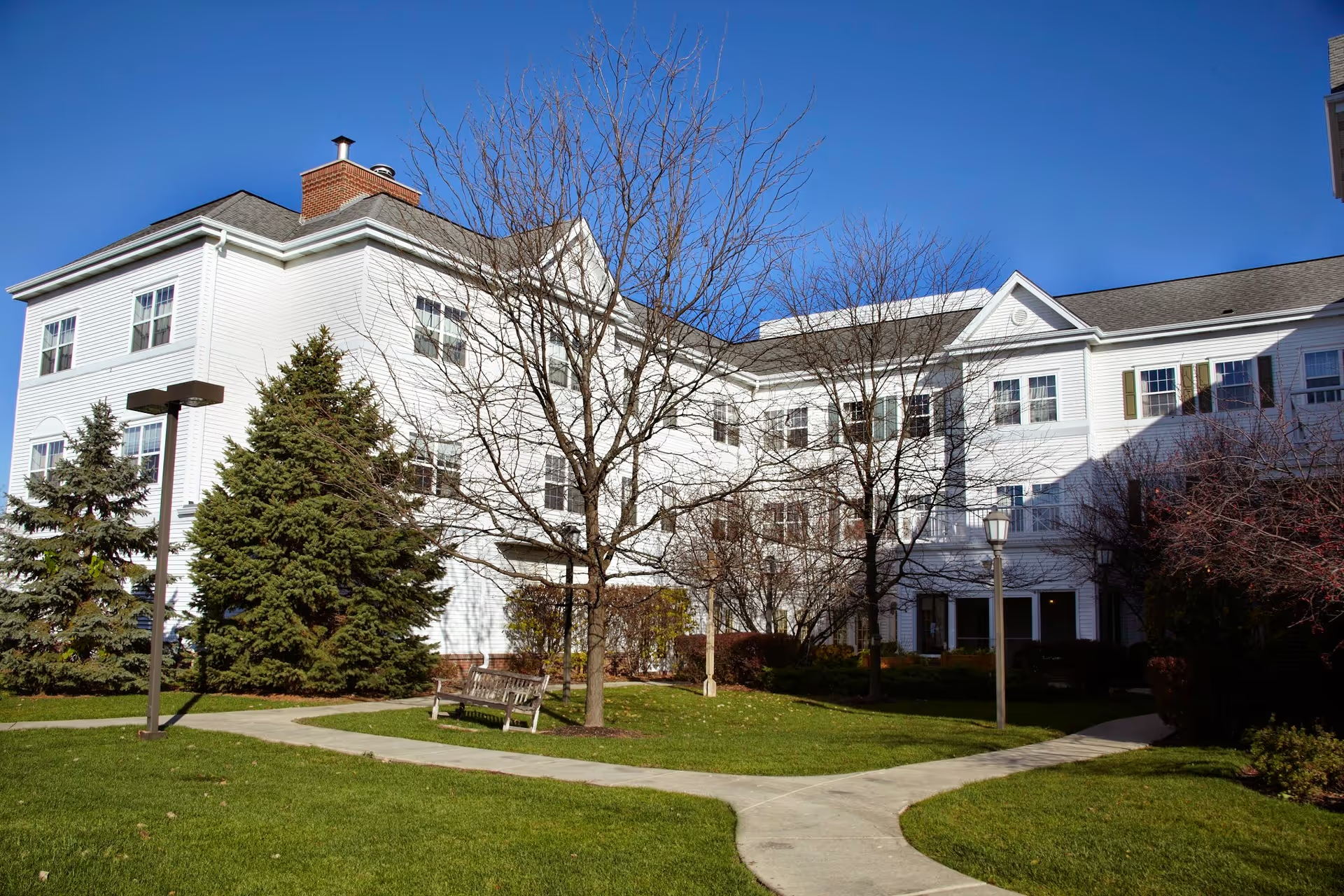
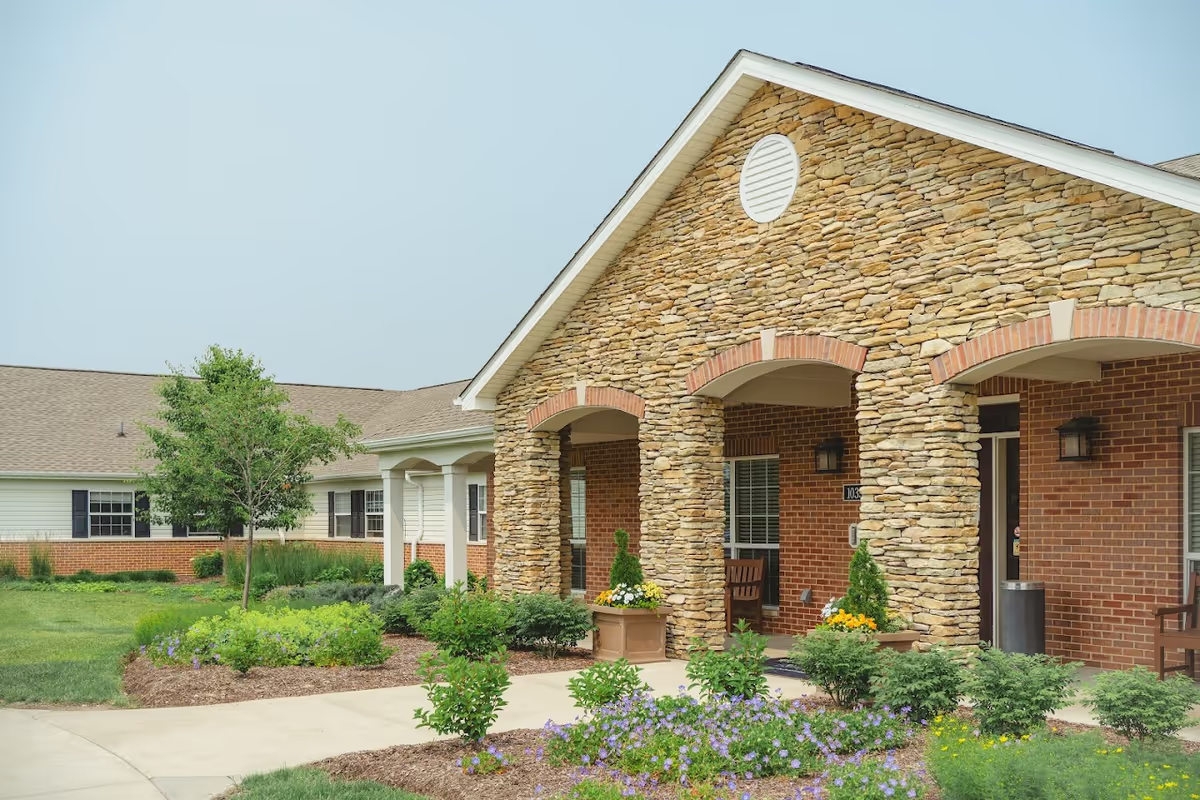
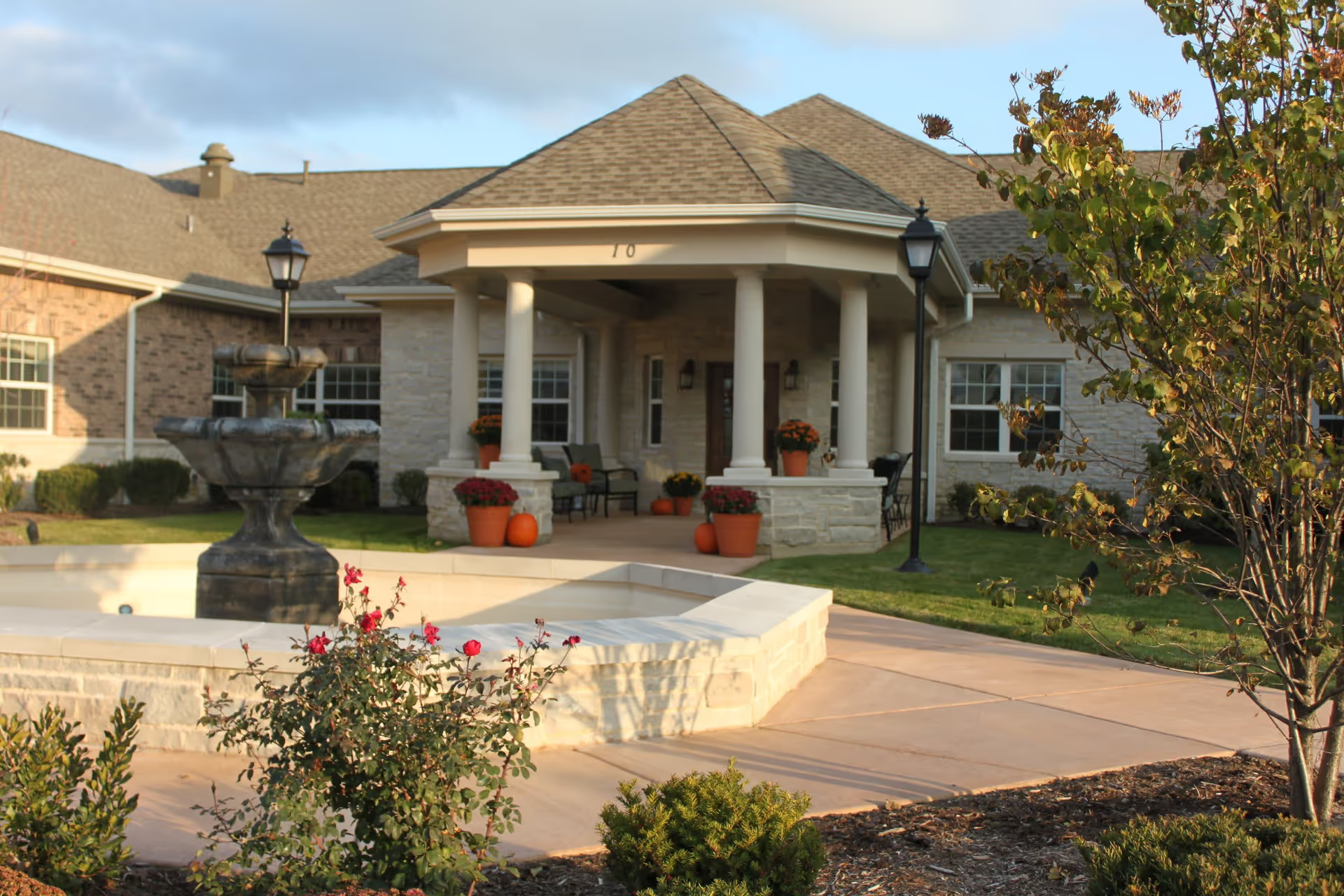
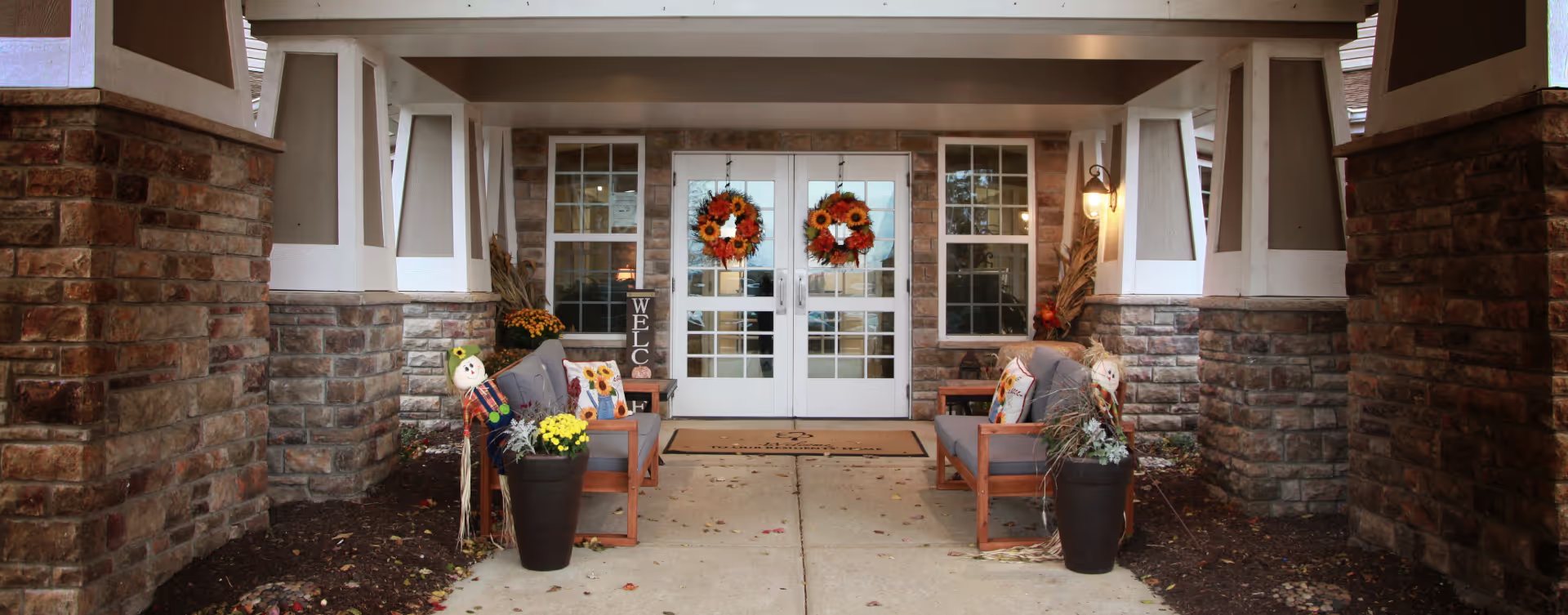
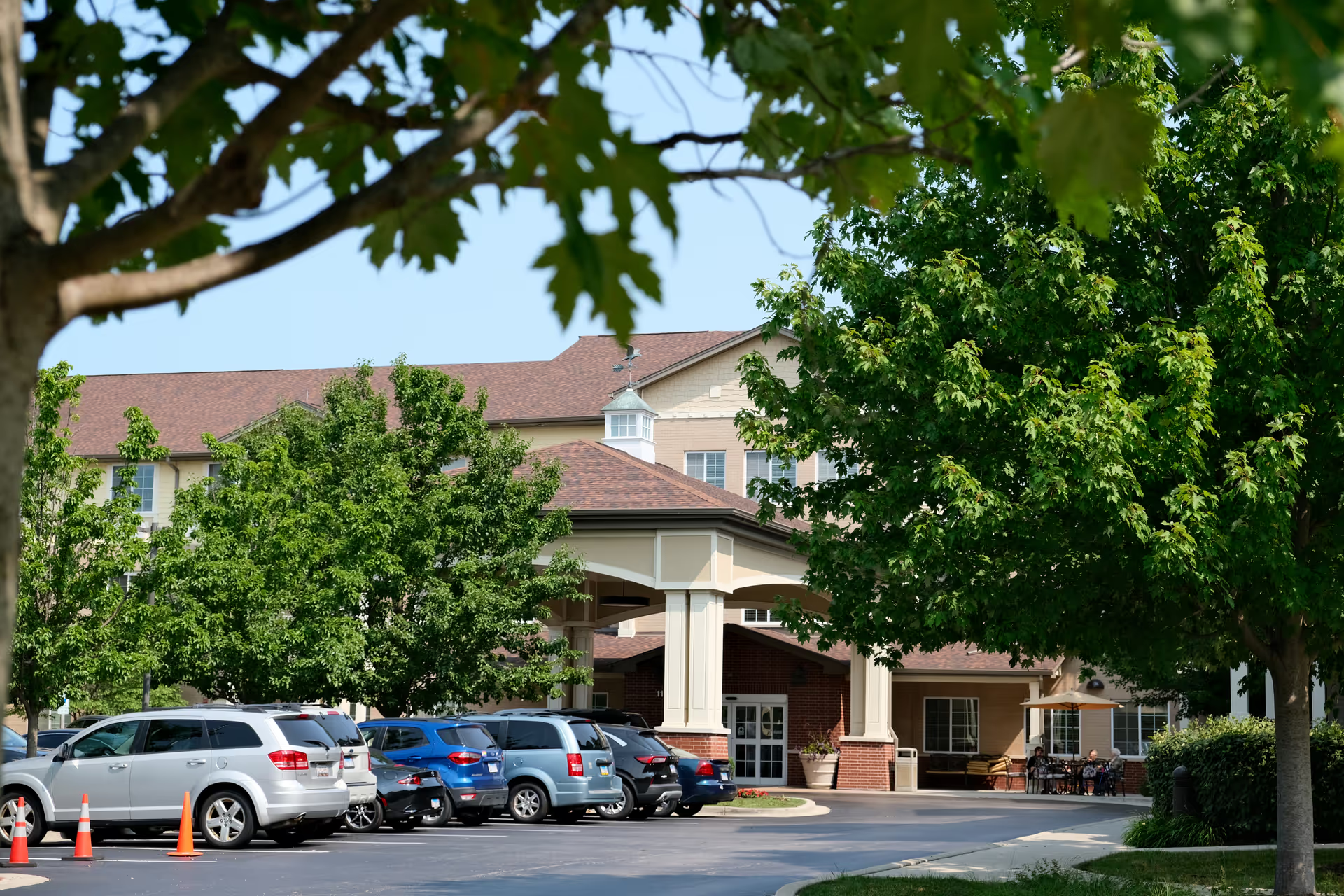
Facility operations and management show a contrast between visible strengths and areas needing improvement. The physical plant and public-facing presentation are often described as pristine and well-maintained, with functional common spaces and on-site conveniences. Conversely, reviewers raised concerns about administrative responsiveness, transparency around billing and ancillary fees, and enforcement of financial policies — including instances where families perceived pressure related to public-aid residents. Sanitation and outdoor-area maintenance lapses (for example, cigarette butts in entryways) and isolated pest-control concerns were also noted, pointing to uneven environmental maintenance.
Notable patterns for decision-making: families seeking an engaged, community-oriented assisted living with robust activities and many on-site amenities will find many positive attributes here — especially if Medicaid acceptance and no-buy-in financial models are priorities. However, those requiring consistent, higher-acuity clinical oversight or strong, reliable after-hours nursing coverage should investigate staffing patterns and clinical protocols closely. Prospective families should ask for specifics on weekend RN availability, medication administration policies, fall-prevention protocols, laundry/housekeeping schedules, handling of ancillary fees, and how the community coordinates off-site medical appointments. Requesting recent staffing metrics, care-plan examples, and a tour during active programming times can help assess whether the present operational variability aligns with a particular resident’s needs.