Reviews for this facility are mixed, with clear themes emerging across care, staffing, dining, environment, activities, and management. Several reviewers highlighted genuine strengths — notably caring, warm interactions from individual caregivers and certain longer-tenured nursing staff, a well-liked activities director who builds personalized connections, comfortable and homelike dining and common areas, and an affordable price point. These positive aspects suggest the facility can provide a reassuring social atmosphere for some residents.
Care quality and clinical oversight show variability. While some staff members are described as hardworking and attentive, there are recurrent concerns about continuity of care and communication with families. Examples include medication changes or doctor transitions without notification, inconsistent one-on-one physician follow-up, and gaps in medication-administration controls. Staffing levels and turnover appear to be a persistent operational challenge; reviewers describe aides and nurses as overextended, long waits for assistance, and periods when therapy services were limited or unavailable. These patterns point to risks in timely attention and consistent clinical follow-through.
Dining and activities elicit divergent impressions. The dining areas themselves are generally described as comfortable and homelike, and the activities director receives specific praise for individualized engagement. However, meal quality and service are inconsistent: reviewers cite uneven food quality, limited portions or second servings, and failure to accommodate special dietary needs in some instances. Families should confirm dietary protocols and menu practices in advance.
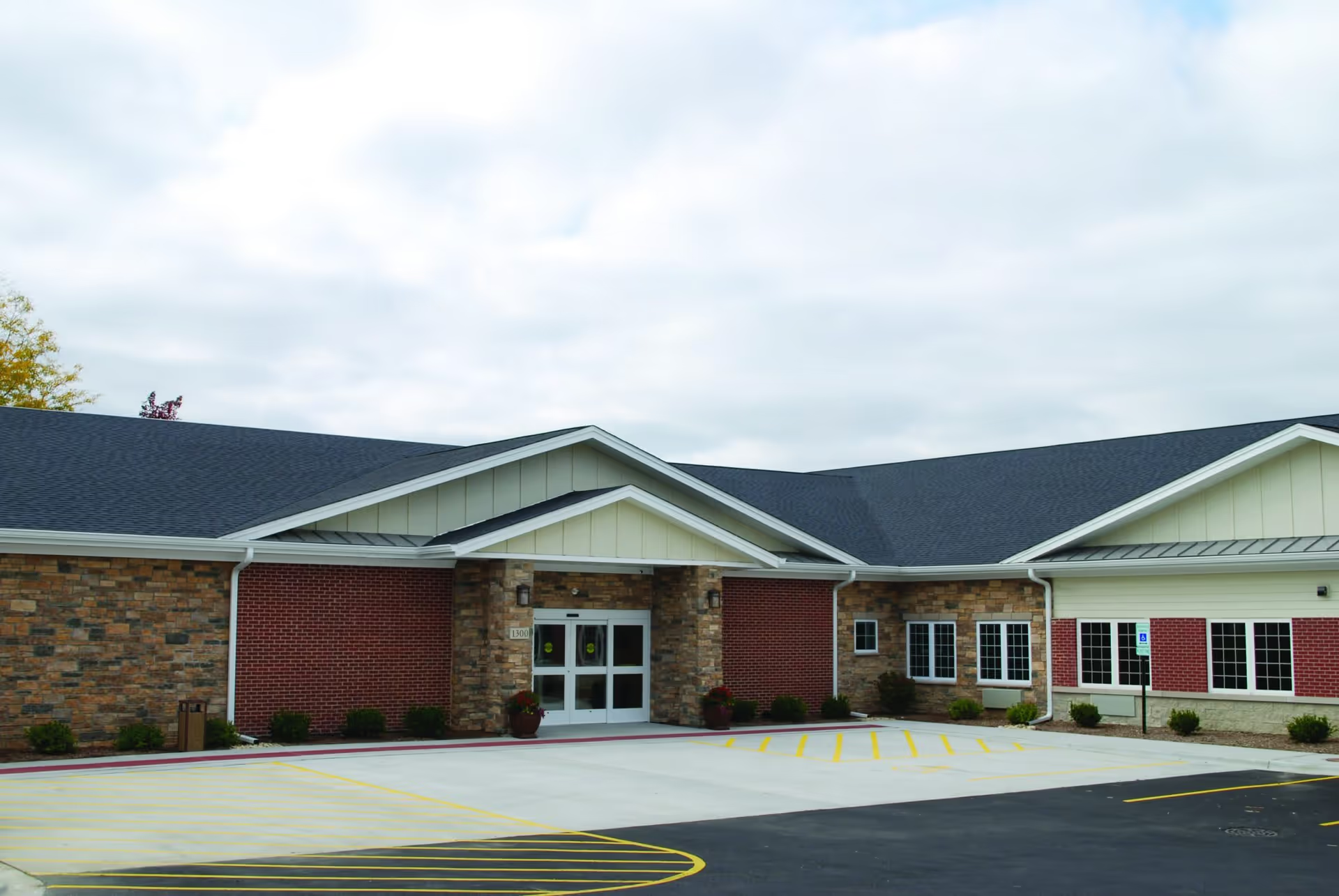
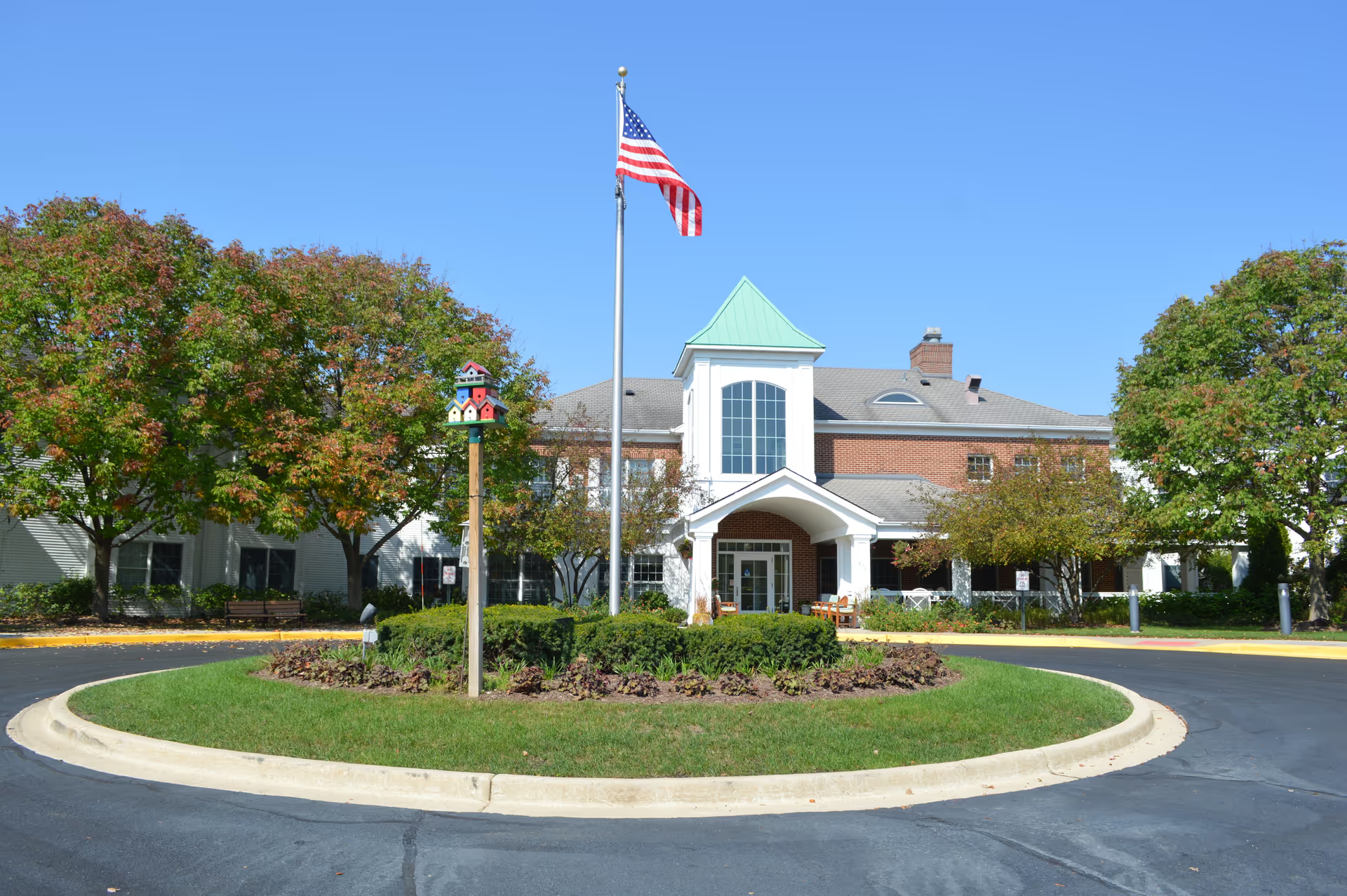
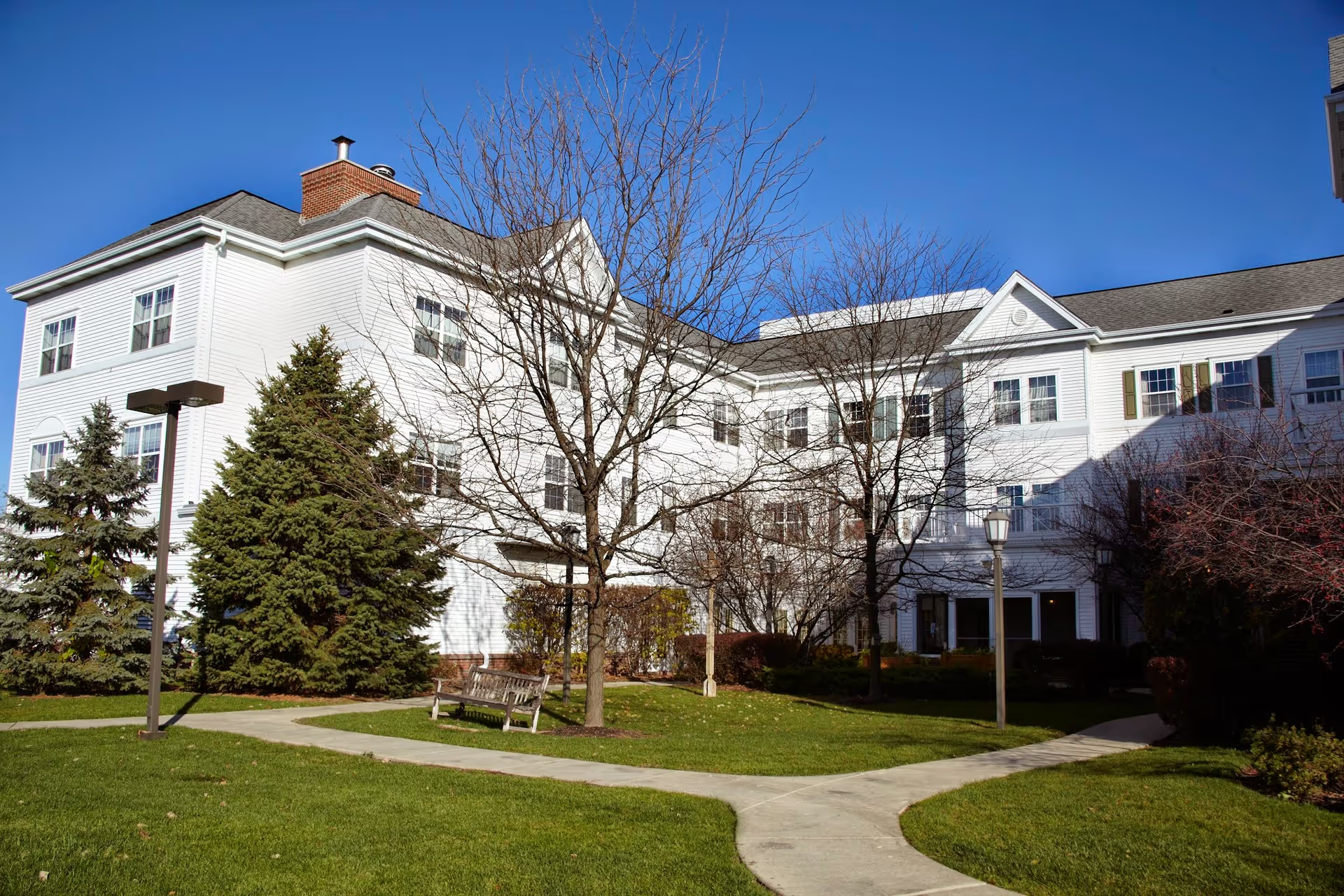
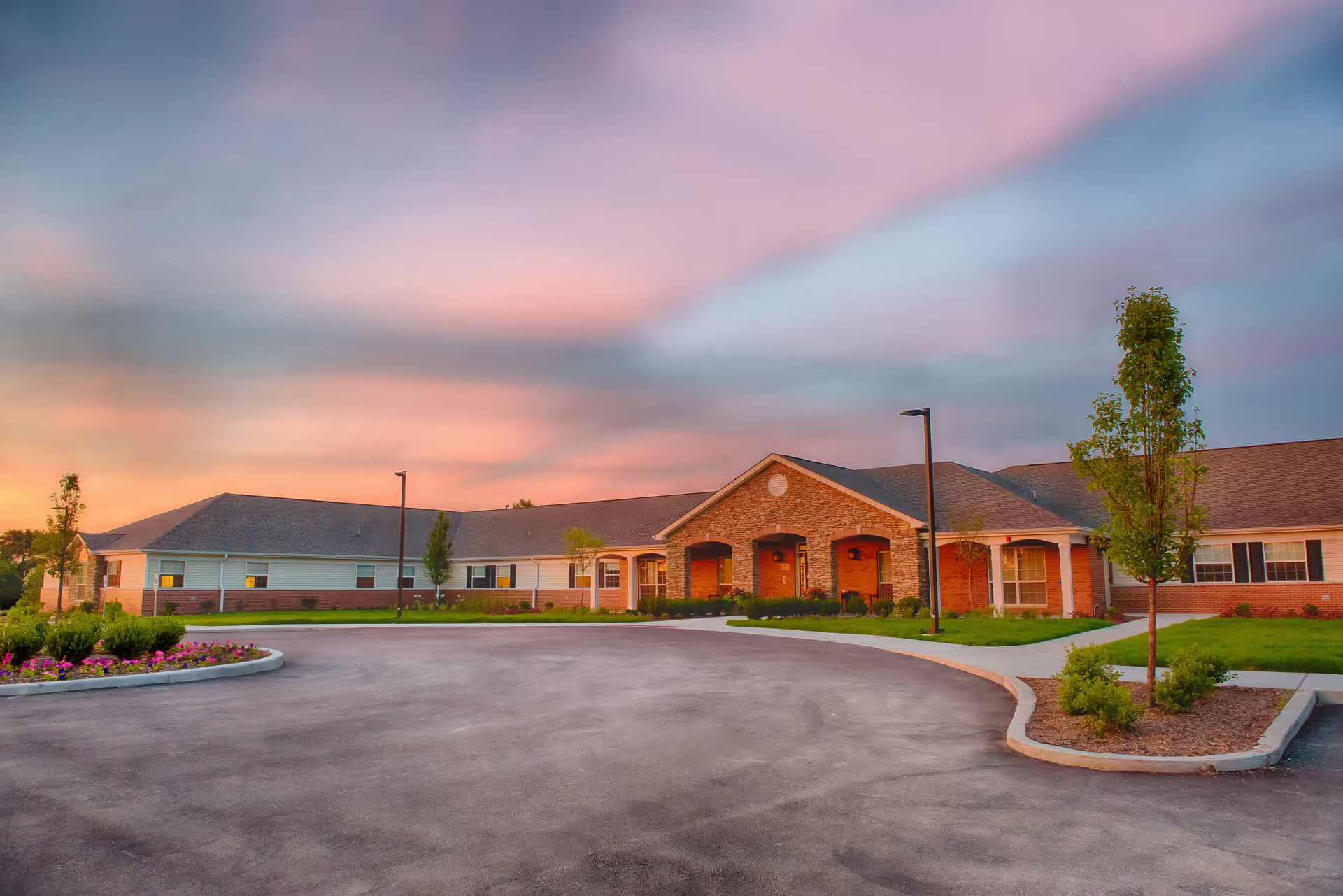
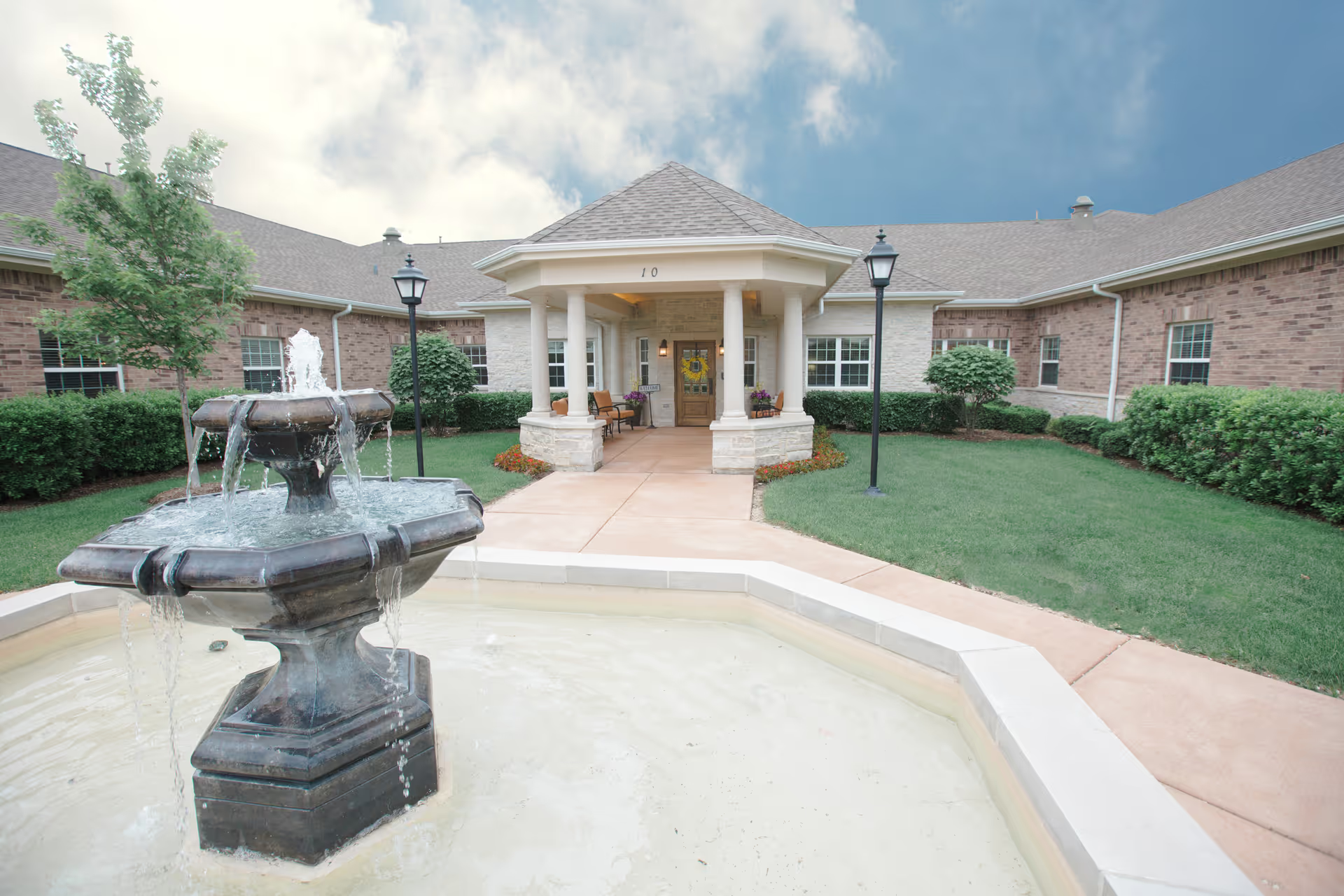
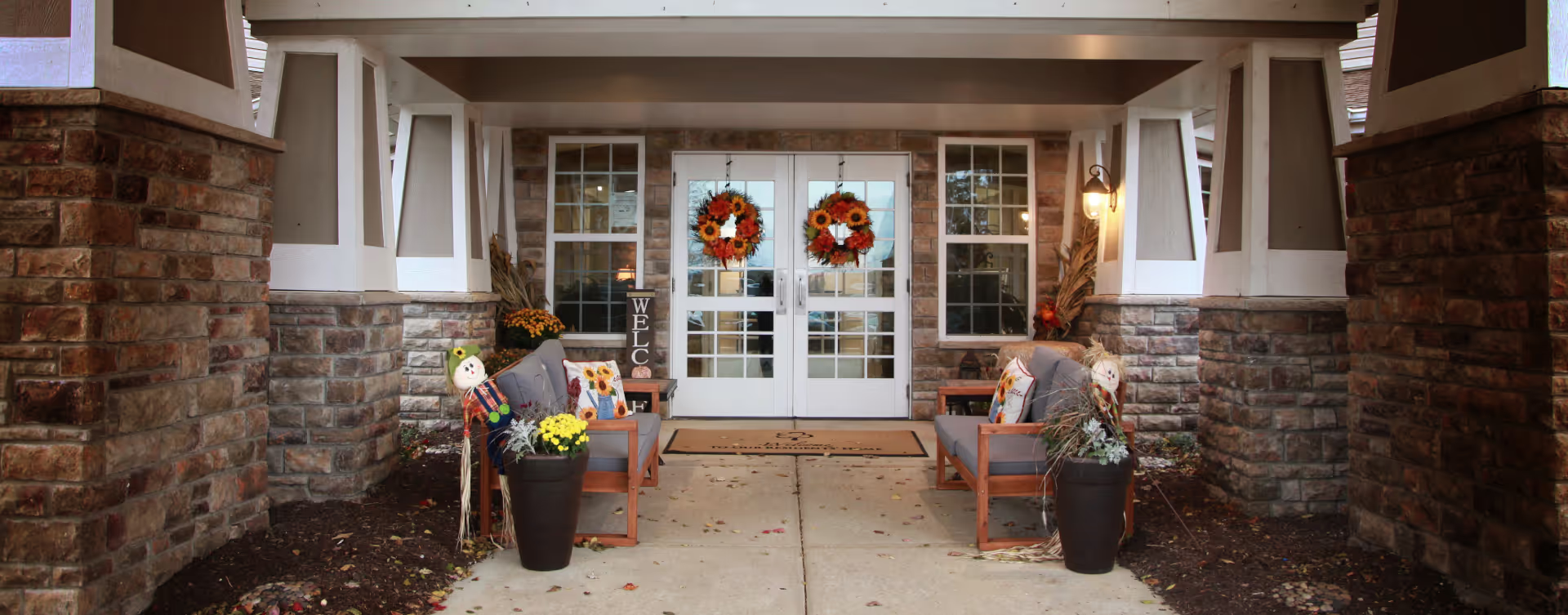
The physical plant is an older building with visible wear and smaller resident rooms and limited storage; some rooms are described as notably dim. At the same time, common areas are often cited as pleasant and there is an overall sense of a safe, walkable location. Cleanliness observations vary markedly: some accounts describe well-maintained areas and caring housekeeping staff, while others raise sanitation concerns in public bathrooms and odors or incontinence-care issues. There are also reports of missing personal items, indicating a need to ask about property-control procedures.
Management and operational stability are prominent concerns. Reviewers note ownership/financial instability, changes in management or bankruptcy/ownership transitions, and allegations involving financial exploitation and nepotistic staffing decisions. These are serious governance issues that can affect care continuity and trust. Additionally, reviewers flagged behavioral/noise-management needs in communal spaces and the absence of a secured memory-care unit for residents who require a locked dementia-specific setting.
Overall, experiences range from positive, person-centered interactions to significant system-level deficiencies. Prospective residents and families should consider an in-person visit, review recent state inspection and enforcement records, and ask targeted questions about staffing ratios, therapy availability, medication administration policies, dietary accommodations, property safeguards, and procedures for reporting and addressing incidents. Verifying current management stability and reviewing contractual or financial protections is also advisable given the governance concerns described.