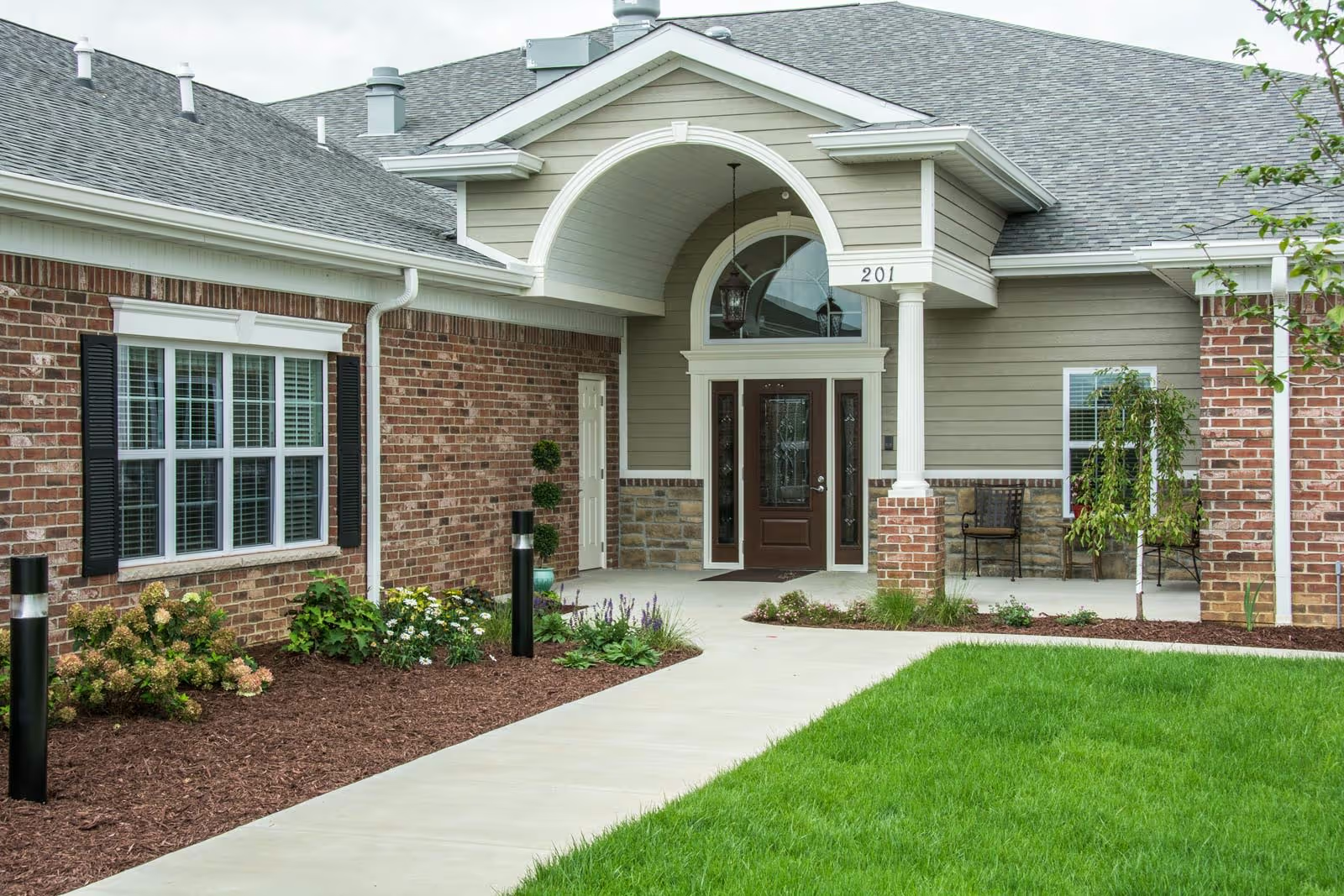
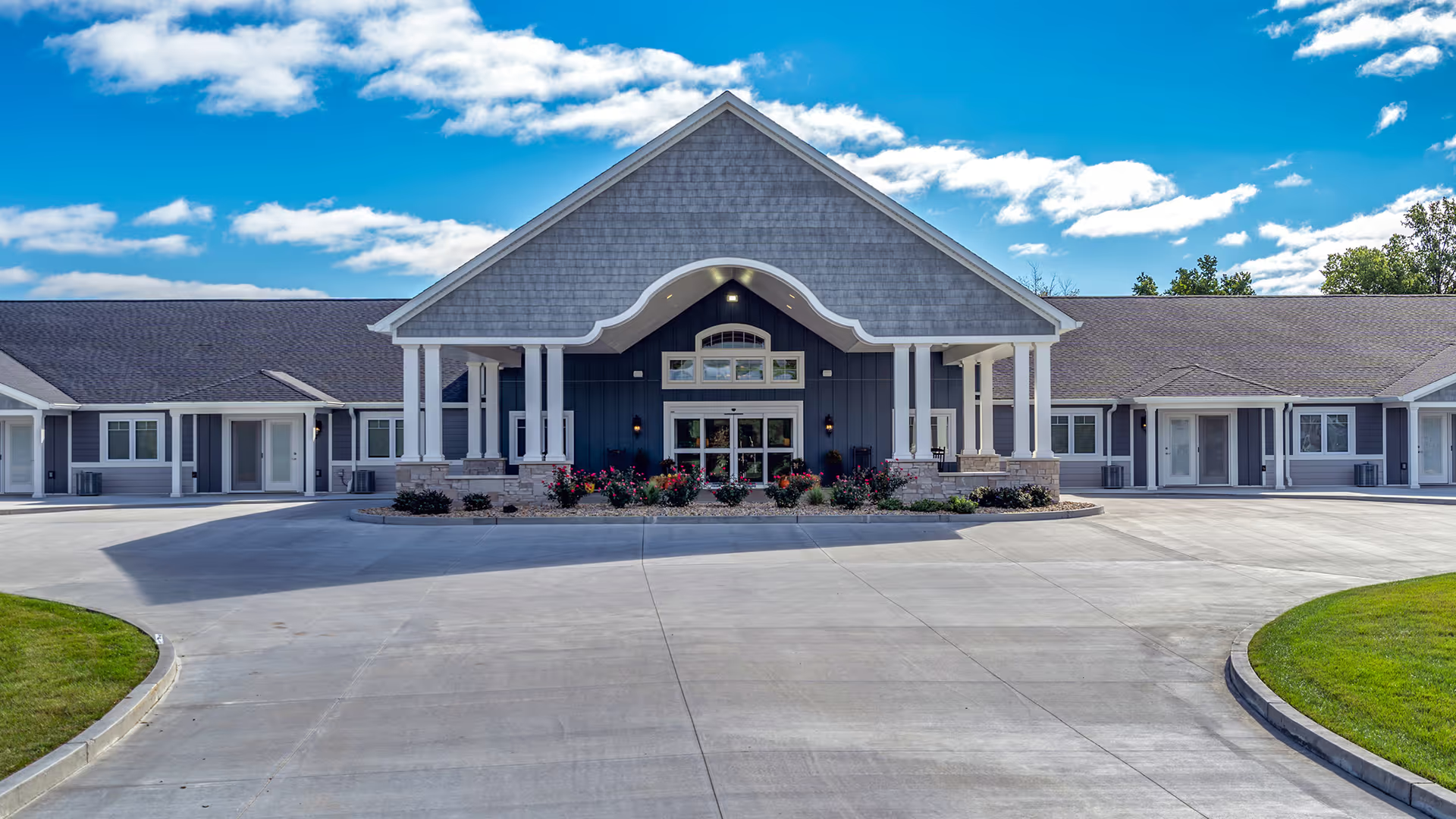
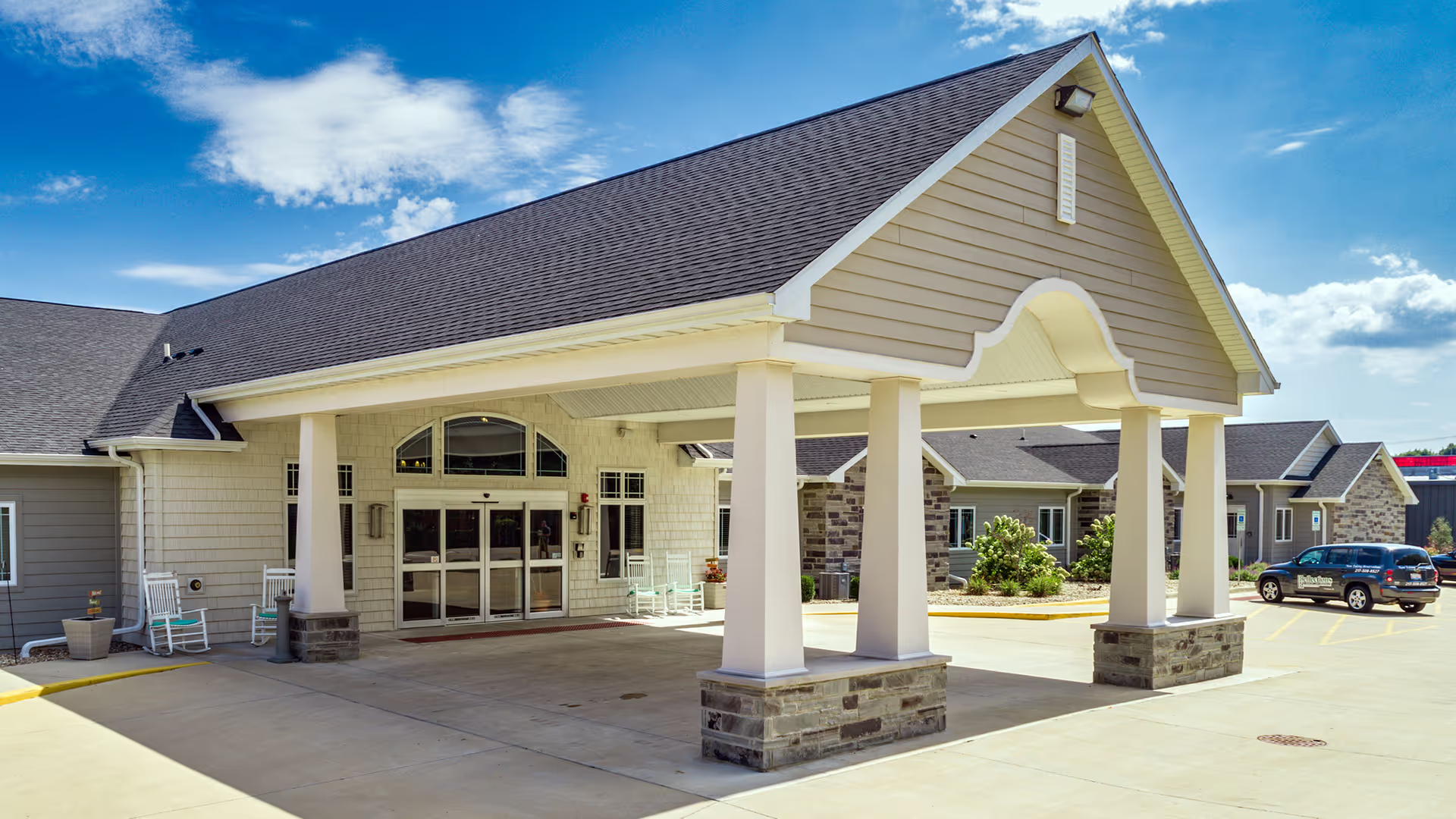
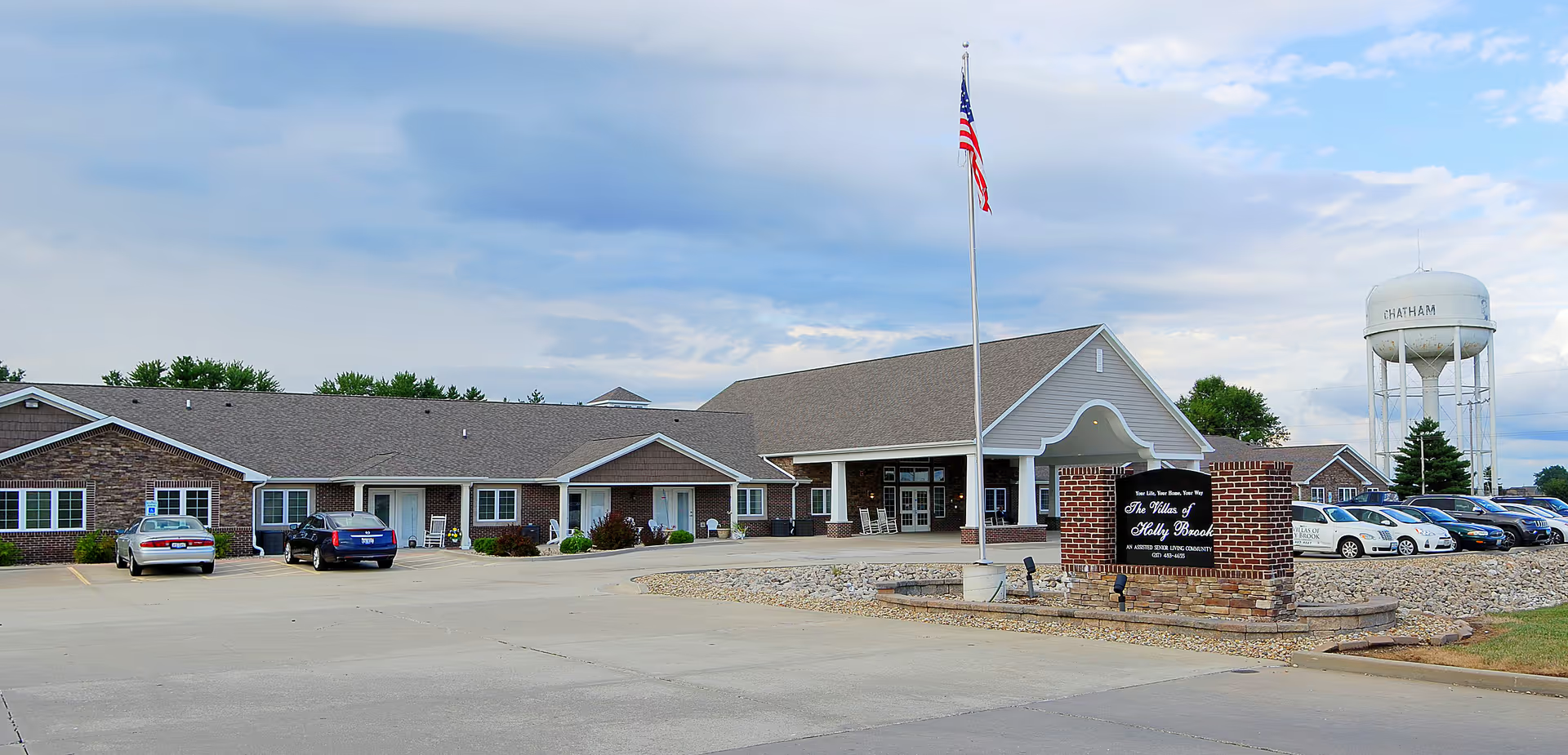
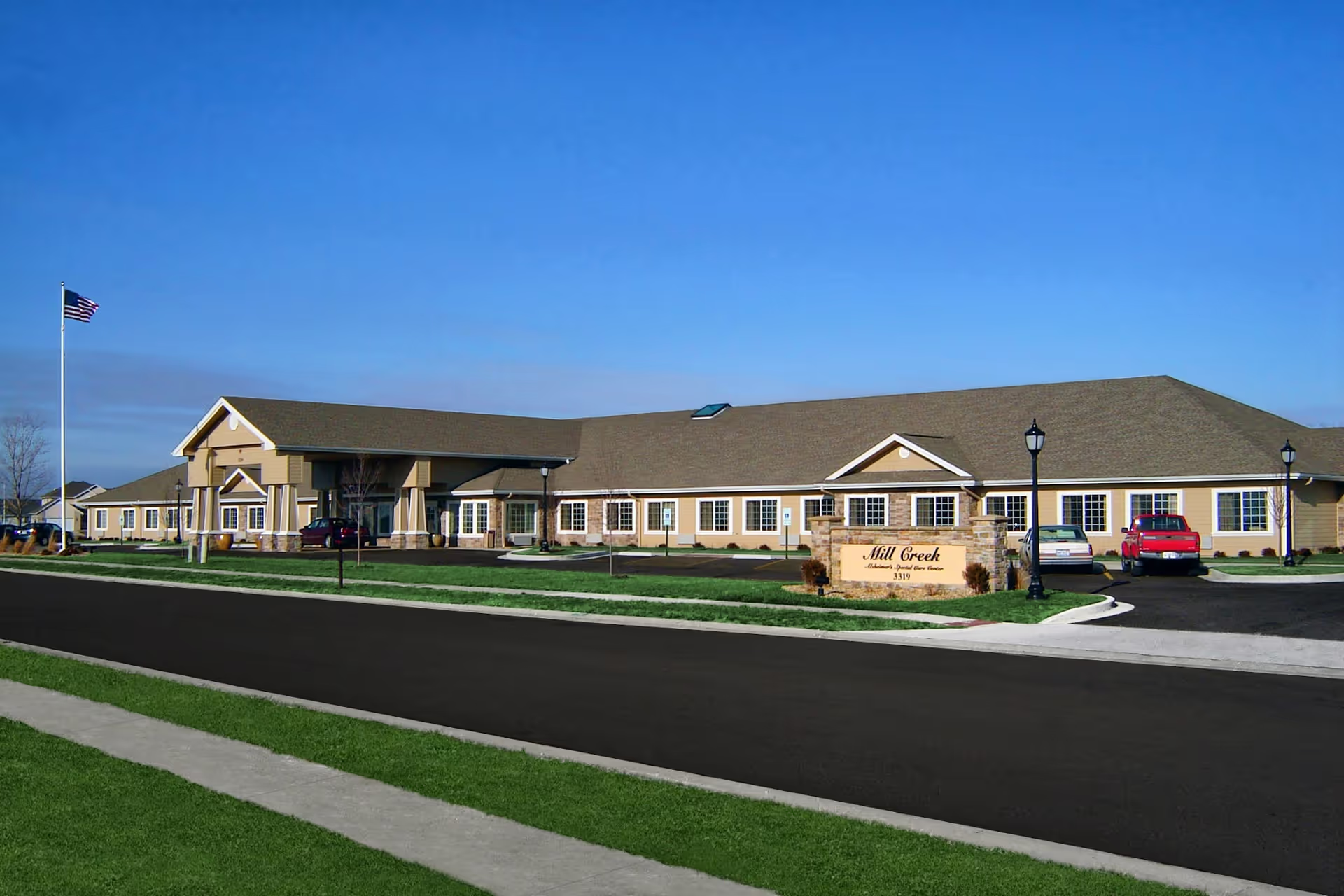
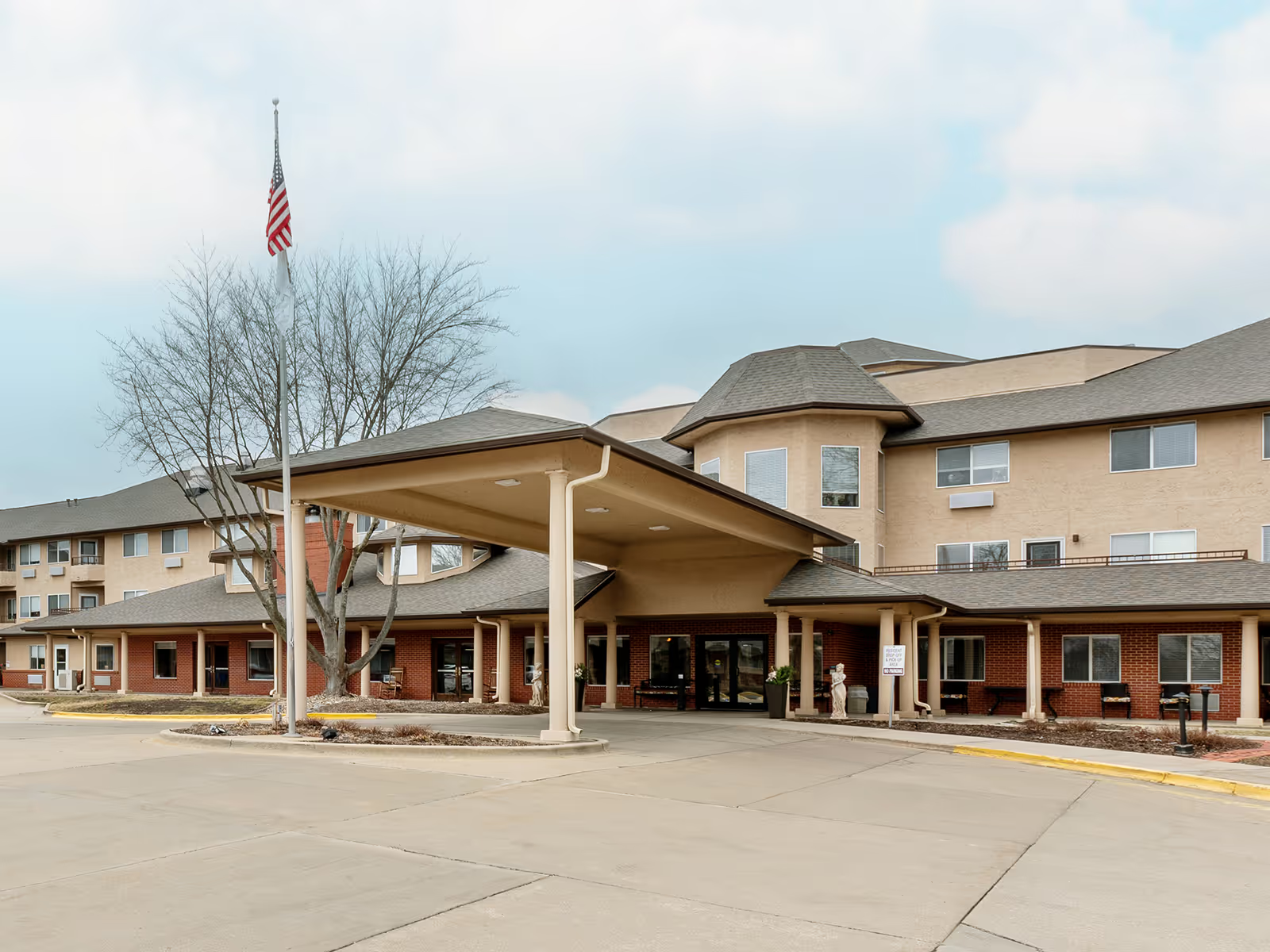
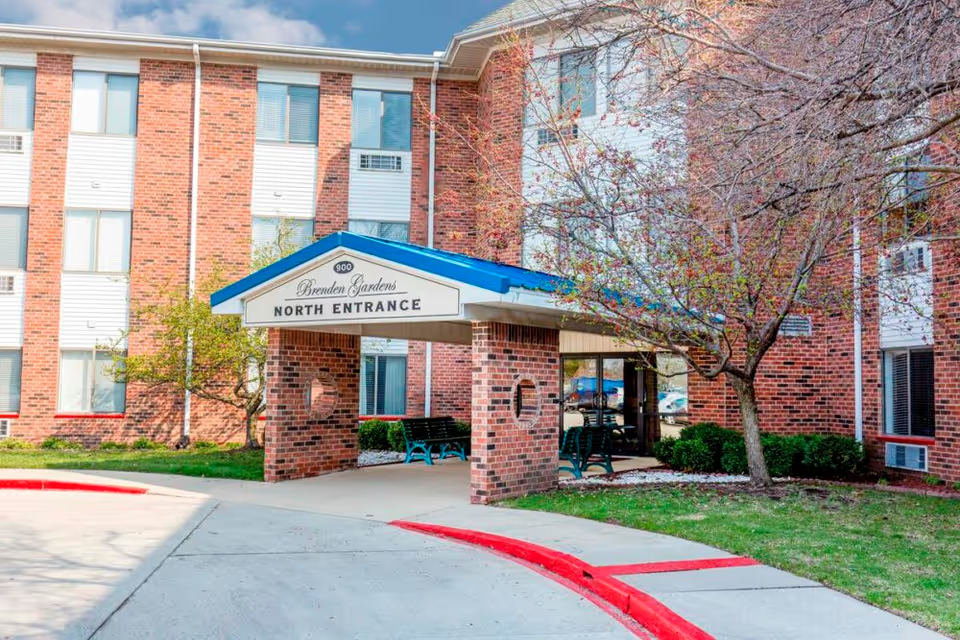
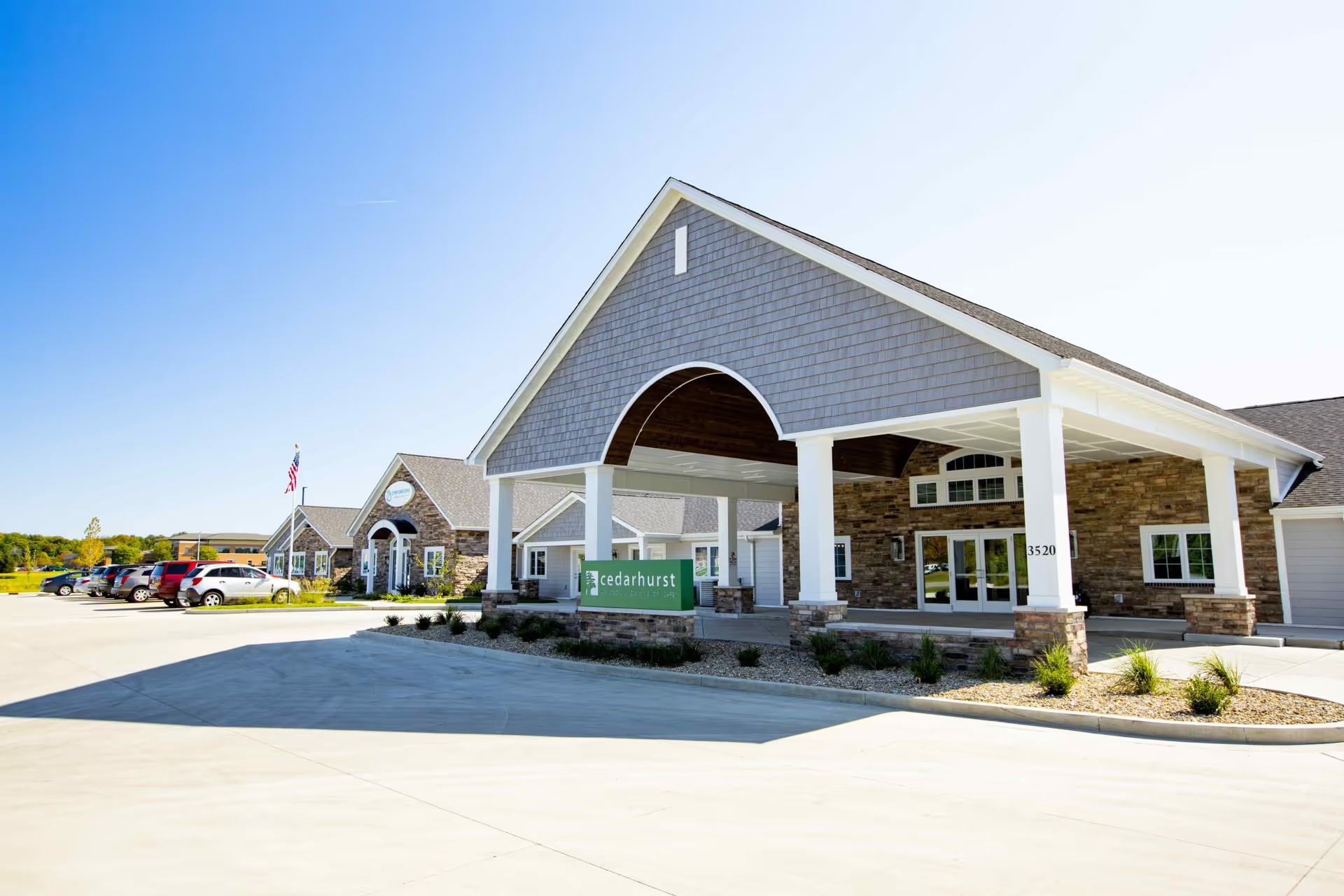
Overall impression: Reviews present a mixed picture of Heritage Manor–Springfield. Several families described positive aspects such as courteous and helpful staff, generally clean common areas, availability of private rooms and bathrooms, and an inviting entrance area. The facility accepts Medicaid and provides in-room telephones and allowances for personal belongings. At the same time, a number of operational weaknesses emerge repeatedly across accounts, particularly around coordination of clinical care, staffing responsiveness, and facility maintenance.
Care quality and clinical coordination: Rehabilitation services are described as variable — some reviewers called rehab “okay,” while others identified notable shortcomings. Common themes include mobilization that is largely limited to formal therapy sessions rather than broader activity support, delays in developing individualized care plans, and lapses in transfer-safety practices. One family reported significant weight loss and inadequate mealtime assistance, which suggests gaps in ongoing clinical monitoring and nutrition support. There was at least one report raising concerns following a resident’s death that highlighted difficulties in locating the resident and breakdowns in care coordination; this indicates a need for clearer protocols around resident tracking and family communication during clinical events.
Staff and communication: Accounts diverge on staff demeanor: many reviewers described courteous, helpful employees, but others reported slow nursing responses, call-button delays, untimely medication administration, and concerns about staff conduct or communication tone. Problems such as missed conference calls, inability to return a resident to a room promptly, and missing assistive devices (for example, a walker) point to weaknesses in shift-to-shift handoff, inventory control, and family-staff communication. These operational gaps can compound clinical risks when staffing levels are insufficient for timely assistance and safe transfers.
Dining and nutrition: Dining impressions are inconsistent. Some residents and families praised portion sizes and menu flexibility (including the ability to request specific items), while other reviewers described the food as substandard. Critically, several accounts link meal-service shortcomings to inadequate in-room assistance and nutrition monitoring (meals being taken in bed with limited help and subsequent weight loss). This suggests uneven mealtime assistance practices and a need for more proactive dietary oversight for residents with intake risks.
Facilities, maintenance, and accessibility: The facility is generally described as clean with pleasant public spaces and adequate natural light in some rooms; private rooms with bathrooms are available. However, reviewers also reported delayed maintenance responses (for example, a ceiling leak left unrepaired for days) and operational issues affecting admission and placement (elevator-related admission constraints and abrupt room changes to smaller semi-private spaces). There are also indications of inconsistent handling of personal property. Prospective residents should verify room sizes, window access, and the facility’s process for responding to maintenance requests.
Activities and management: Reviews contain little specific information about organized activities, so activity programming cannot be well assessed from the available comments. Management-level concerns center on care-plan timeliness, staffing adequacy for transfers and timely response, medication-timing controls, and internal communication systems for family conferences and resident tracking.
Practical guidance for families: Given the mixed reports, an on-site visit and targeted questions are advisable. Key areas to explore include staffing ratios at different shifts, protocols for mobilization outside formal therapy, how care plans are developed and shared with families, medication-administration safeguards and timing, mealtime assistance for at-risk residents, maintenance response times, and procedures for tracking residents and personal items. Reviewing the facility’s state inspection history, asking to see sample care plans or medication-administration records, and arranging to speak with nursing leadership about recent improvements (if any) can help clarify whether the facility’s strengths align with a particular resident’s needs.