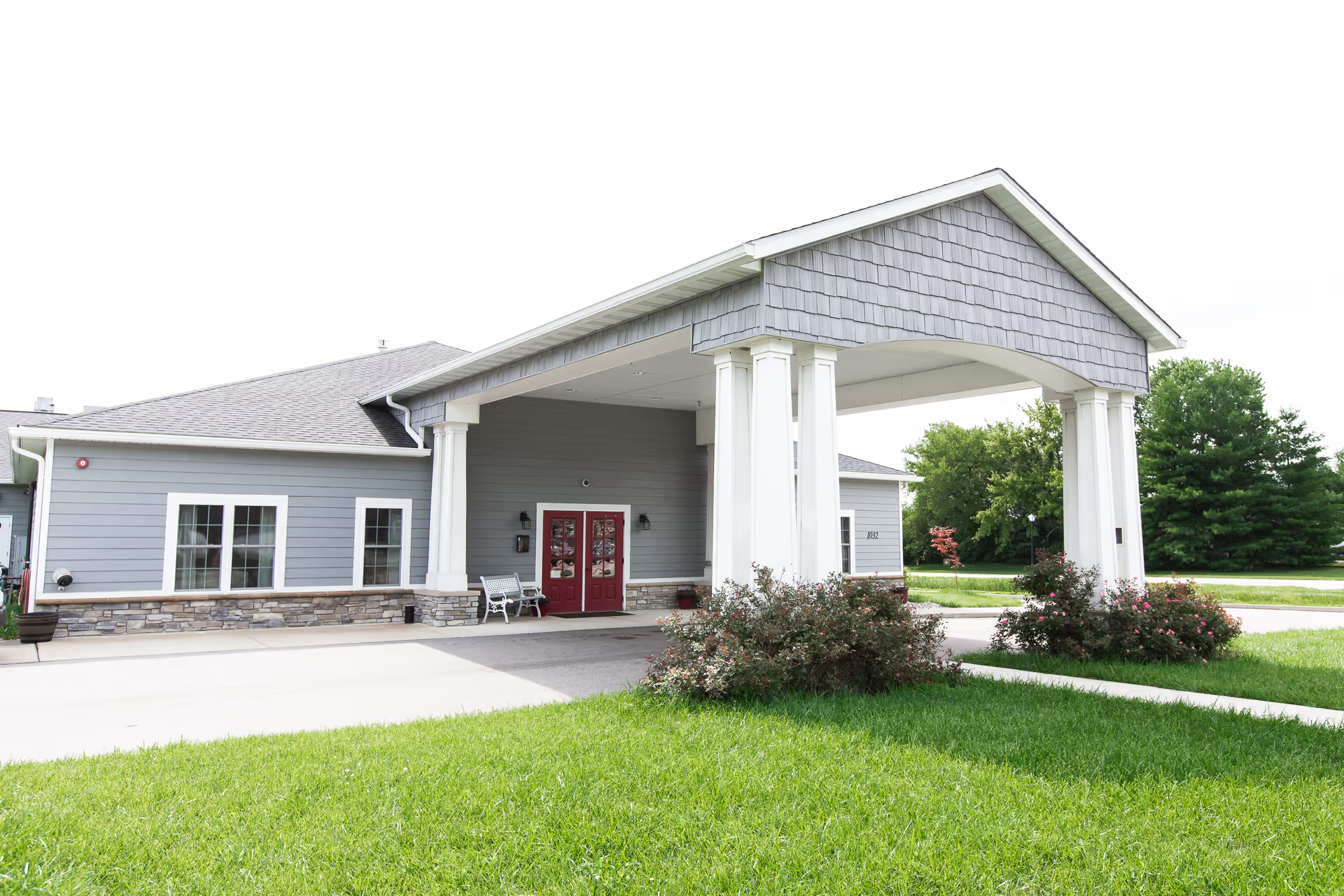
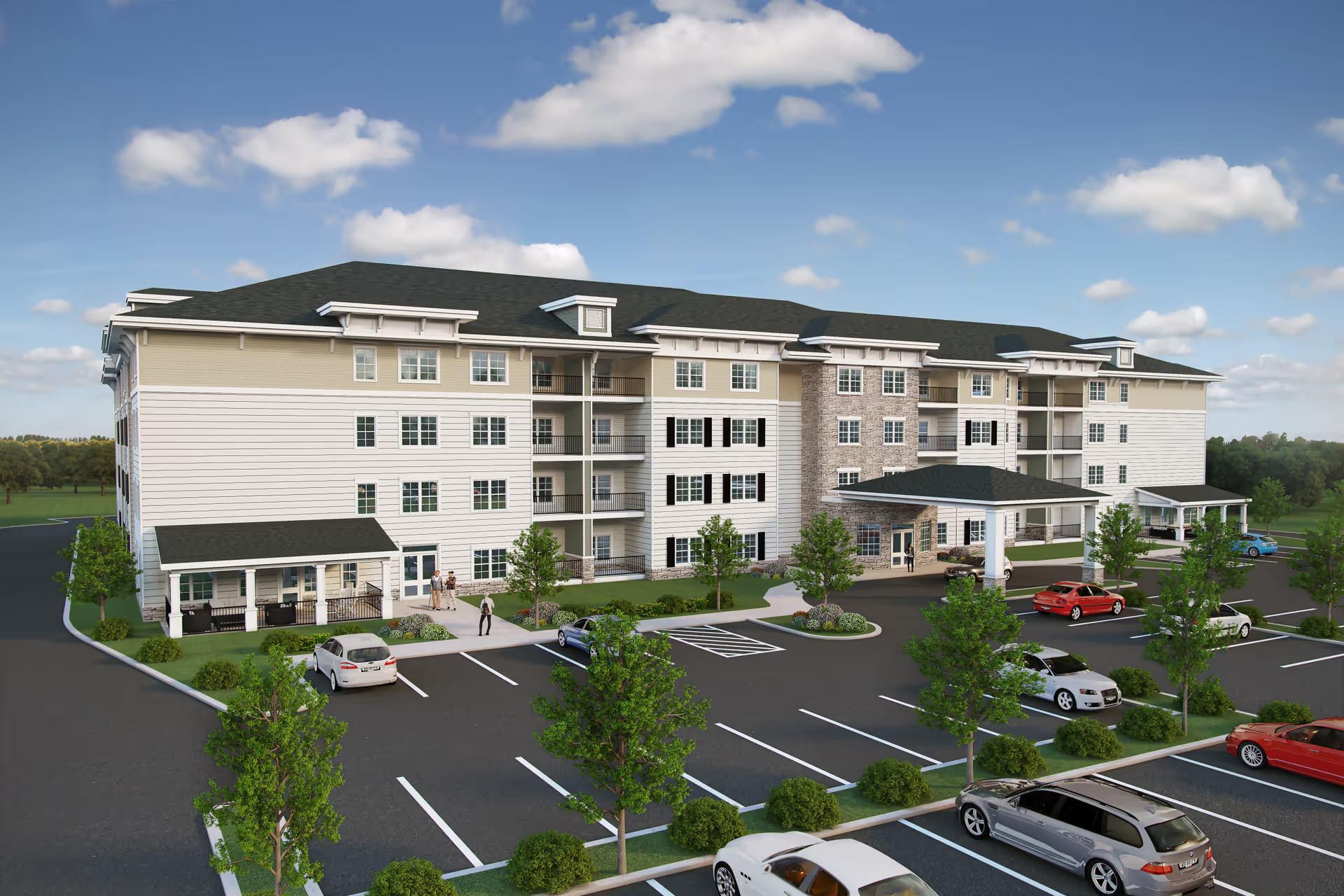
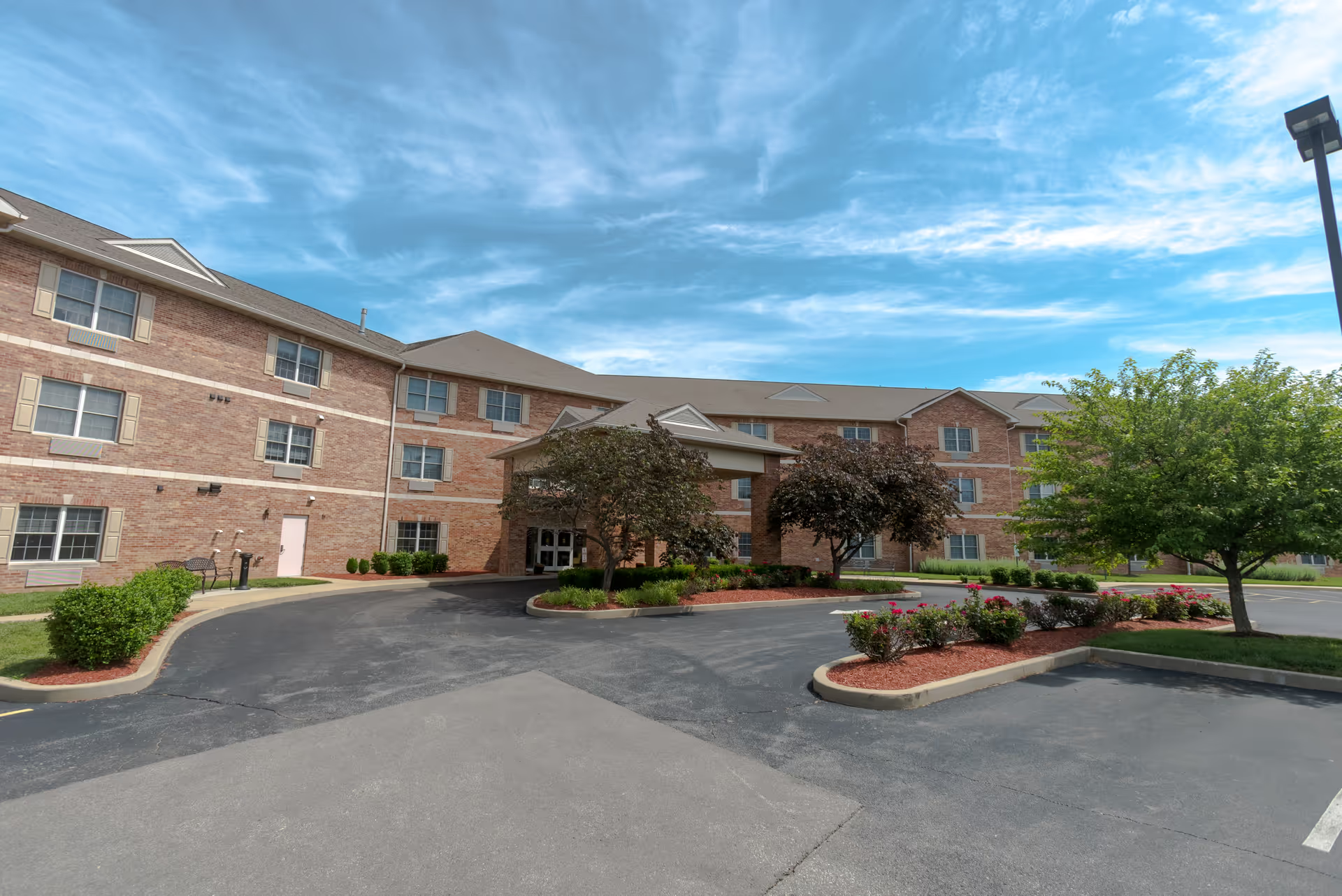
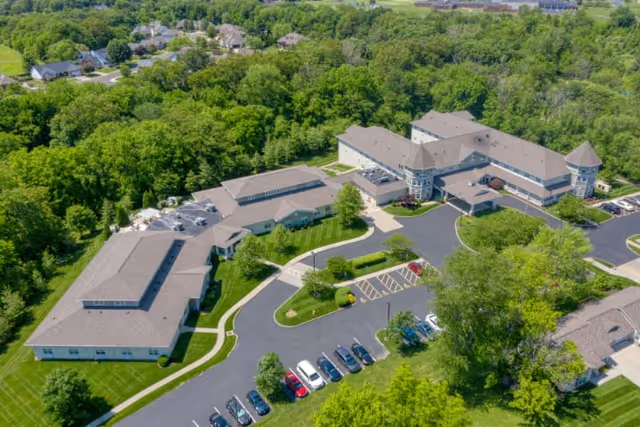
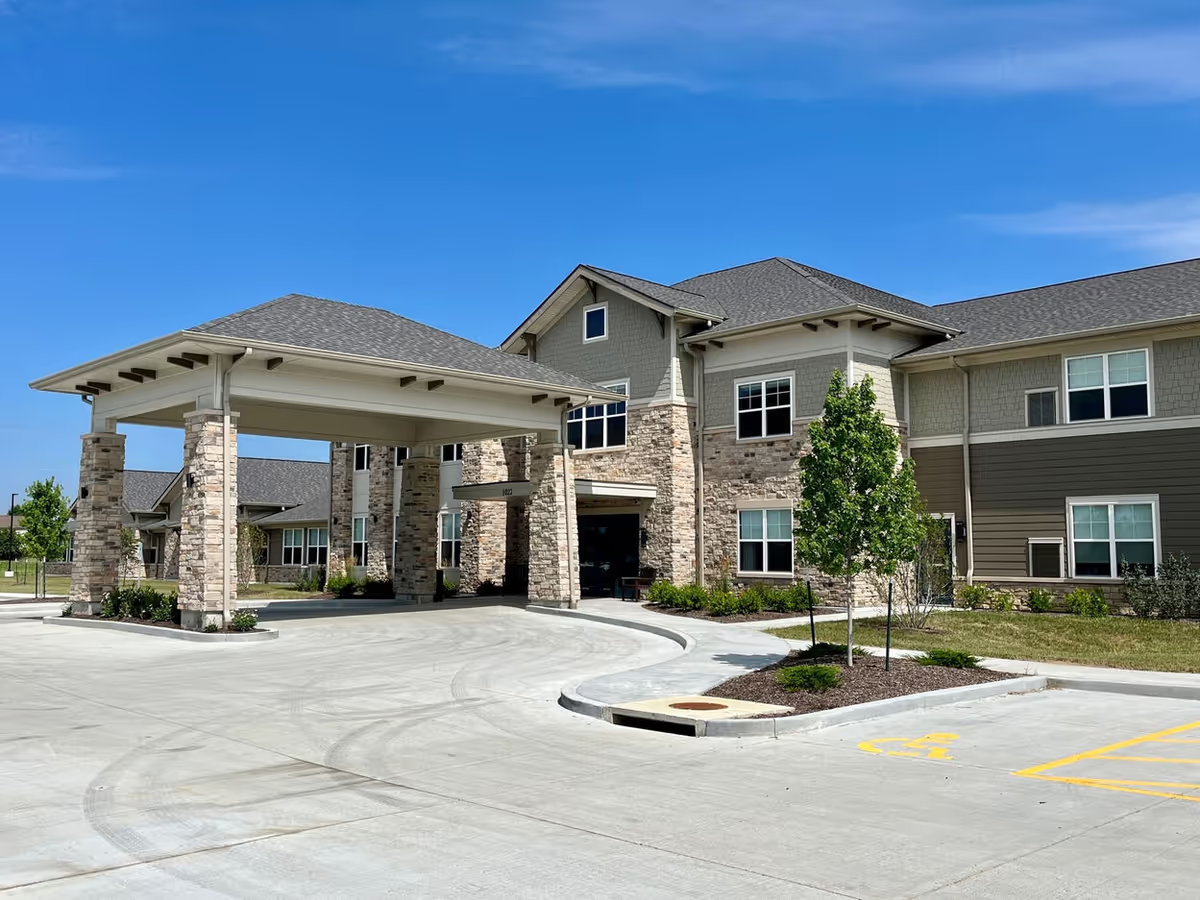
Bradford Place presents as a small, family-oriented memory-care community with many strengths in day-to-day resident experience. Reviewers consistently noted a clean, home-like environment, private one-bedroom units with kitchenettes and accessible bathrooms, and active use of outdoor space and a garden. Housekeeping and laundry services, a welcoming common dining area, and three home-style meals a day support a residential feel. The facility operates as an independent, private-pay community and is often described as more affordable than comparable local memory-care options.
Care quality and staffing show a mixed but overall positive pattern. Many families praised friendly, caring staff and an approachable director; aides are typically available around the clock and a nurse practitioner makes weekly visits. Memory-care programming, occupational therapy and rehabilitation support are available, and staff frequently engage residents in activities and one-on-one interactions. At the same time, reviewers raised operational concerns that affect care consistency: intermittent short-staffing, occasional delays in buzzer/call responses, and gaps in medication-administration controls. Clinical coverage is limited overnight (no 24/7 nurse on site), so families should plan for the facility's reliance on on-call or local nursing support after hours.
Dining and activities are prominent positives but variable in execution. The menu and dining environment are often described as homey, with daily meals, special events, and snacks like fresh popcorn; shuttle service and field trips extend social opportunities. Multiple reviewers noted a lively activity calendar including bingo, game nights, music, crafts and outings. However, meal quality is inconsistent across accounts—some families praise the food, others find it bland or unappetizing—and dining staff professionalism was occasionally questioned.
Facilities and safety considerations are mixed. The building is generally well-kept, clean and odor-free, with some roomy units and pleasant common spaces. Because the community is small, internal walking space and some activity areas are limited; a few reviewers found certain rooms dated or compact. Safety features such as fenced grounds and controlled exits were noted, but families should assess whether the footprint and layout meet a prospective resident's mobility and exercise needs.
Management and organizational patterns merit careful review. Many families described clear, helpful communication and an engaged director; others cited inconsistent communication, organizational instability (including leadership transitions and indications the property was for sale), and concerns about deposit policies and financial handling. There are isolated but serious claims about medication mistakes and financial-management issues; these should prompt prospective families to ask for documentation of medication procedures, staffing plans, incident logs, and financial/contract terms during a tour.
Overall, Bradford Place is best suited to families seeking a small, private-pay, home-like memory-care setting with attentive, personable staff and a strong activity program. Prospective residents should weigh the value of that environment against operational limits such as variable clinical coverage overnight, occasional staffing and communication lapses, and smaller indoor activity space. Families who prioritize close staff relationships and affordability will find many strengths here; those needing robust clinical oversight or more expansive indoor walking/exercise facilities should verify staffing models and care protocols in person before committing.