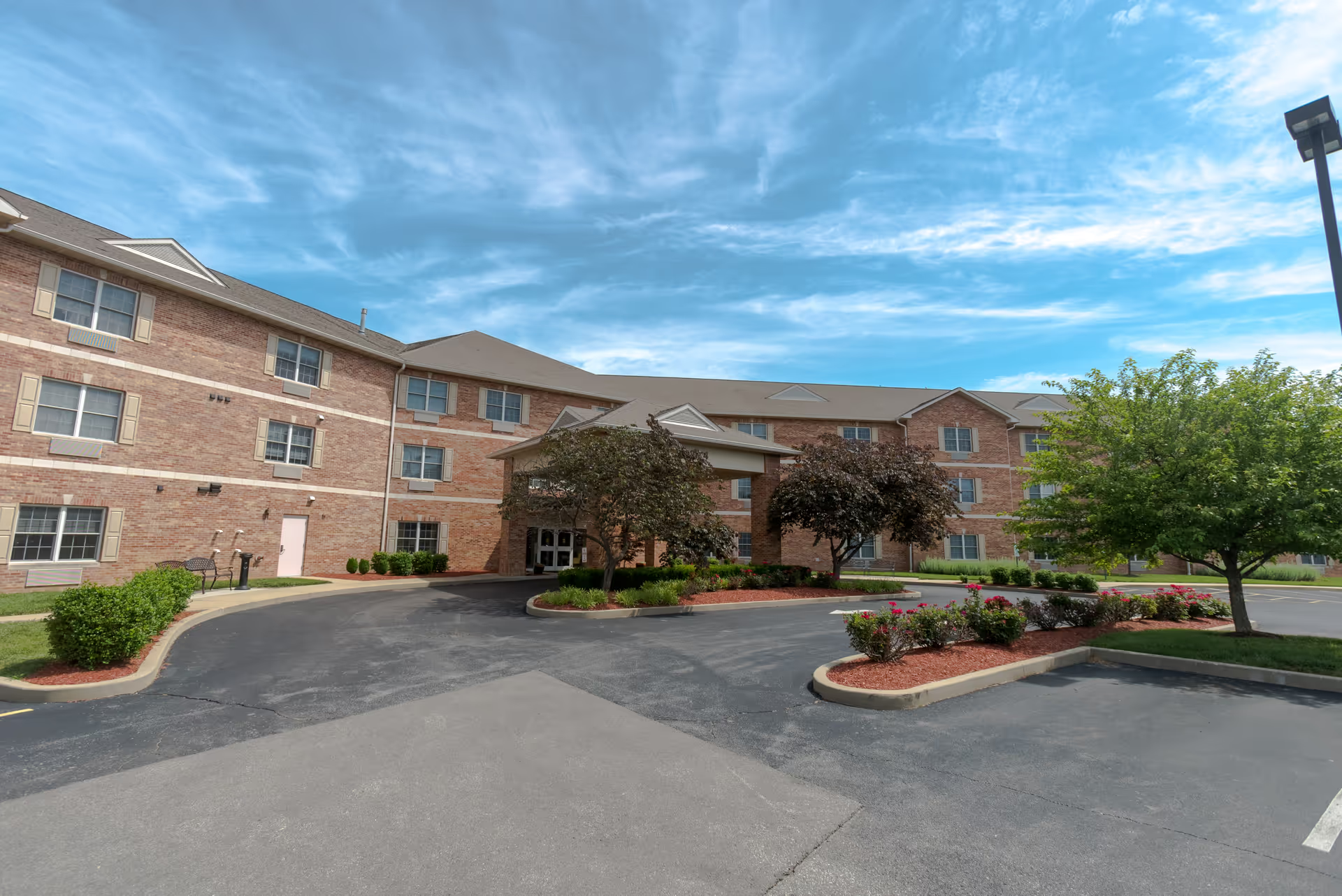
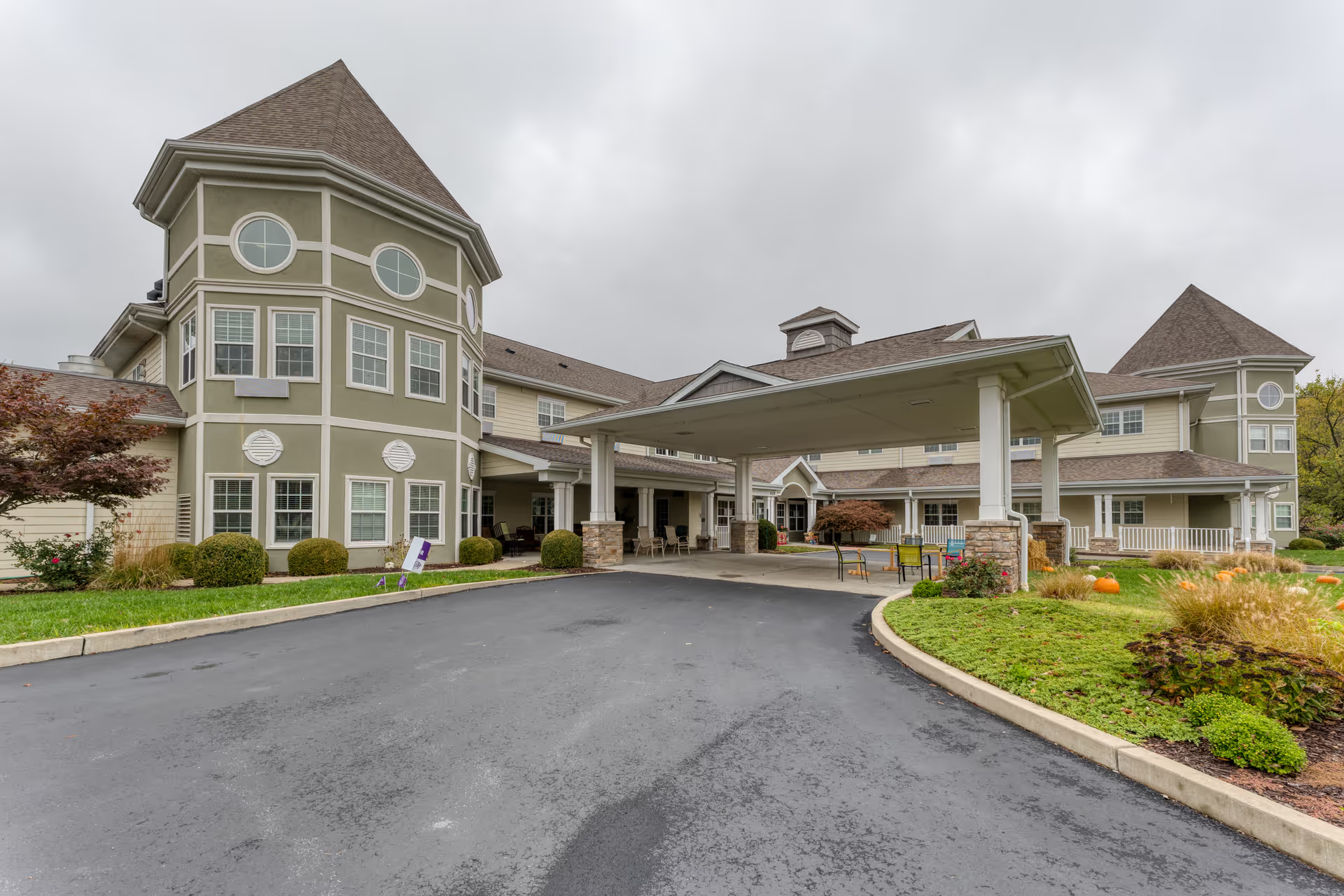
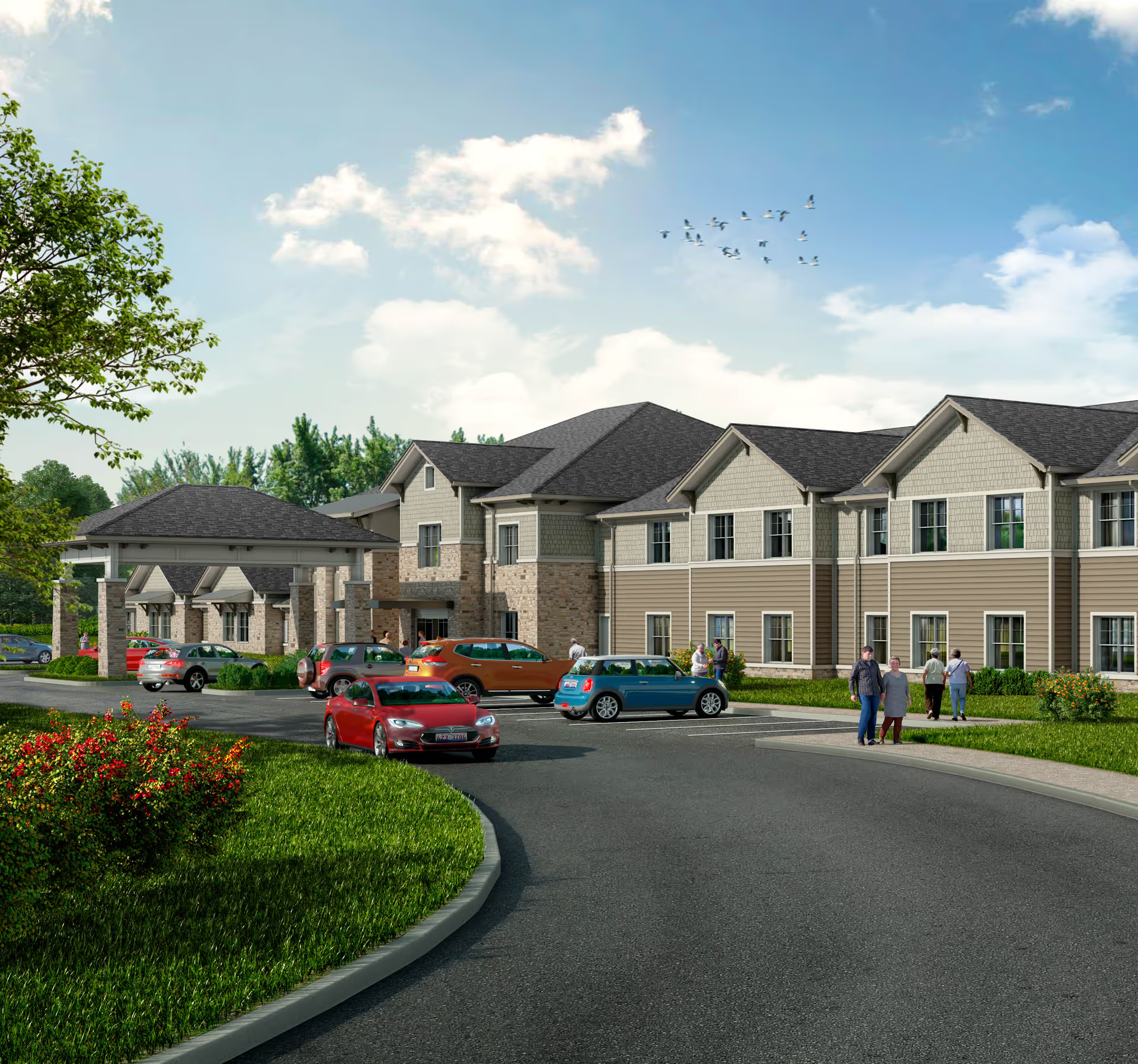
Cambridge House of Swansea presents as a largely well-maintained assisted-living community with several operational strengths but also recurring areas of concern. Many reviewers emphasize the facility’s strong social environment: a broad calendar of activities, onsite amenities (library, beauty salon, private dining), frequent outings, and a regular shuttle that supports residents’ independence. Residents and families commonly describe staff as friendly, compassionate, and helpful; leadership and activity staff receive frequent praise for engagement and responsiveness. The facility also offers rehabilitation and physical-therapy services, and several accounts describe long-tenured nursing staff and timely medication administration, which are important markers of clinical continuity.
Dining and housekeeping emerge as mixed domains. The community provides restaurant-style service with three daily meals and a beverage bar, and some residents describe the food as high quality. At the same time, multiple reviewers raised concerns about inconsistent meal quality, served temperatures, and limited therapeutic-diet choices (gluten-free, sugar-free, sodium-restricted and diabetic options). Sanitation and cleanliness were also inconsistent across reviews: while many noted a clean, organized appearance and recent dining-room updates, others described service-area and laundry sanitation issues and recurring housekeeping shortfalls. Several reviews raised pest-control concerns and indicated these were not resolved promptly, creating a notable operational risk to address.
Staffing and clinical care show a similar pattern of strength and variability. Numerous comments highlight attentive CNAs, helpful servers, and an administrative team that assists with transitions and family communication. Conversely, several reviewers reported short-staffing that affected service responsiveness, and a smaller number of accounts questioned the consistency of nursing care quality. Those patterns suggest the facility generally provides good hands-on assistance but may experience operational strain at times, producing uneven resident experiences.
Management and operations present both proactive elements and points of friction. The provider is credited with proactive care-evaluation and placement assistance, maintenance support for apartments, and family inclusion in events and meals. At the same time, reviewers described repeated maintenance requests, billing or cable-account disputes, and inconsistent follow-through on repairs. A small number of serious claims were made about financial exploitation and eviction actions; these are substantial allegations that families will likely want to investigate further through documentation and direct discussion with management.
In summary, prospective residents and families can expect a community with active programming, generally attentive and personable staff, on-site therapy services, and amenities that support independent living. The main areas to investigate during a tour or pre-move meeting are dining consistency and availability of therapeutic-diet options, the facility’s pest-control and sanitation protocols, staffing levels (including weekend coverage), maintenance response processes, and any outstanding financial or legal concerns. Asking management for recent inspection records, pest-control service logs, staffing ratios, and sample menus for special diets will help clarify whether this community’s strengths align with an individual resident’s needs.