The reviews reflect a highly mixed set of experiences at this facility, with notable strengths alongside persistent operational weaknesses. Care-quality impressions range from accounts of highly attentive, compassionate nursing and effective rehab therapy that enabled functional improvement, to descriptions of inconsistent clinical performance and lapses in medication administration. Several families praised the Director of Nursing and individual caregivers for knowledge and responsiveness, while other families described staffing gaps and inconsistent continuity of care.
Staff behavior and culture appear uneven. Multiple accounts highlight friendly, welcoming administrative staff, engaged unit caregivers, and a generally hospitable atmosphere for short stays. At the same time, reviewers describe variability in staff responsiveness, including slow call-light responses and difficulties getting timely attention for health concerns. There are recurring comments about poor communication and inconsistent handling of medical records and family updates.
Dining and nutrition receive mixed evaluations. The facility employs a certified cook and dietary aide and some residents had satisfactory meal experiences, but many reviewers expressed dissatisfaction with meal quality, limited menu variety, and unappetizing preparation. Some comments also raised pest-control concerns specifically linked to kitchen areas, which amplify dining-related worries.
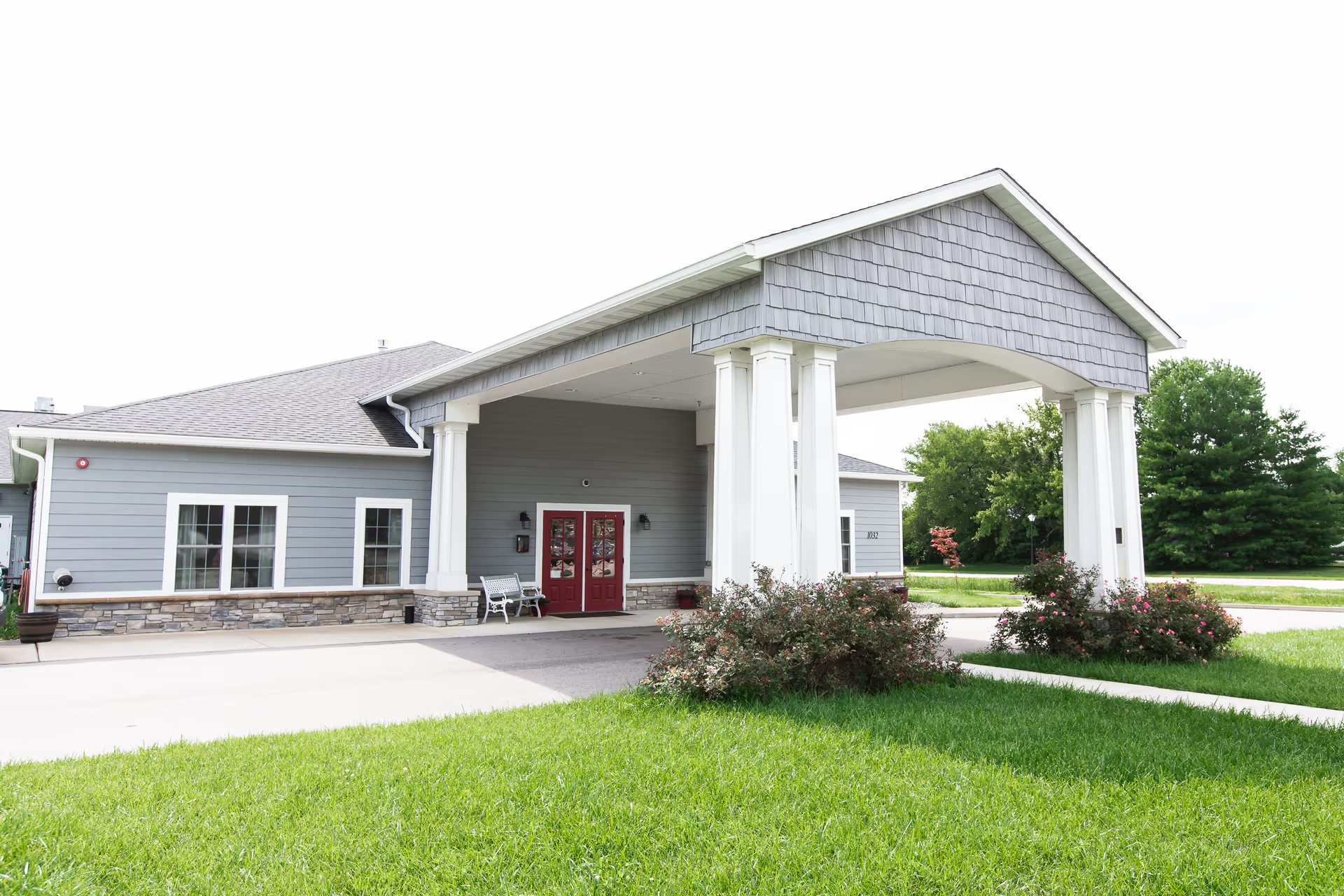
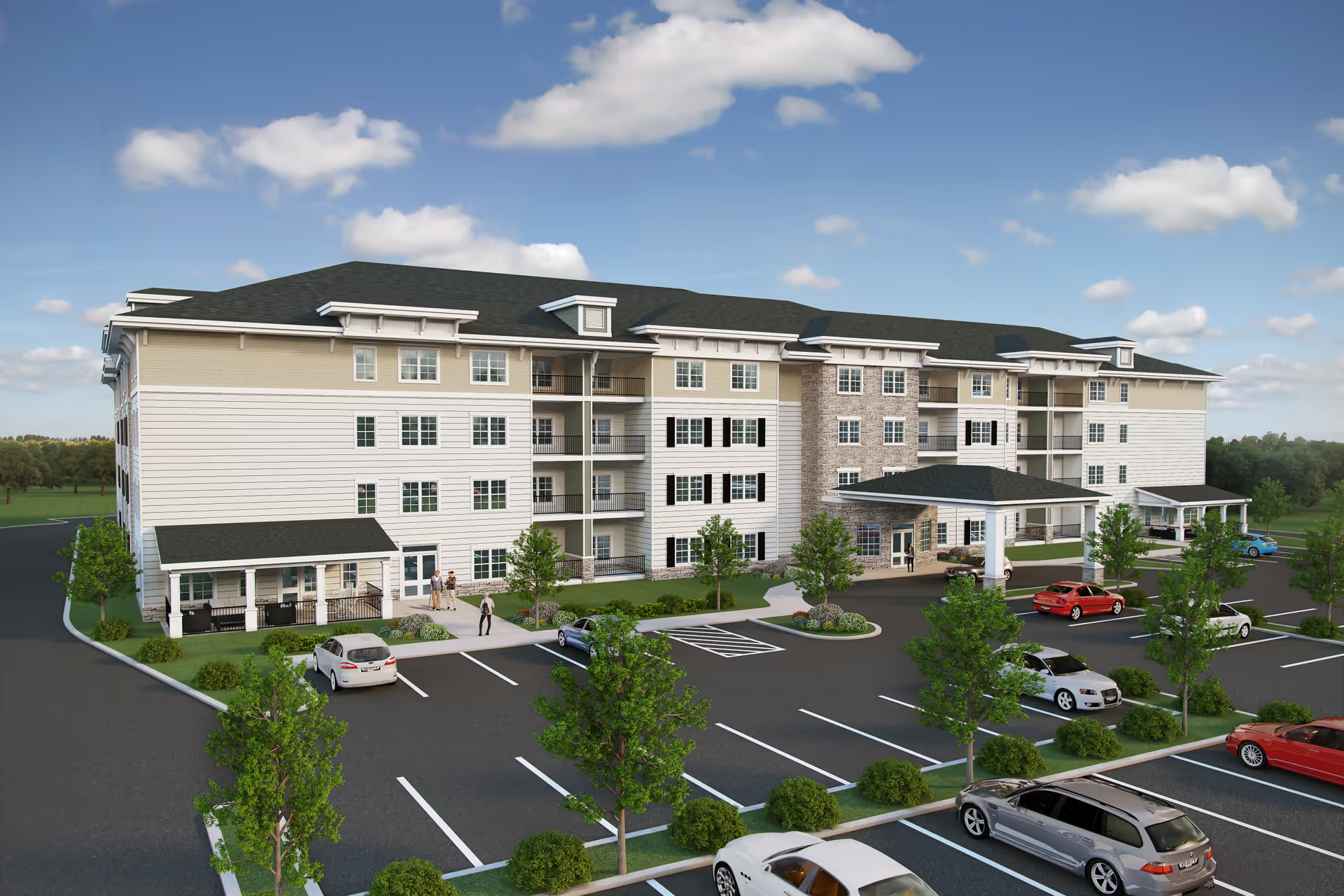
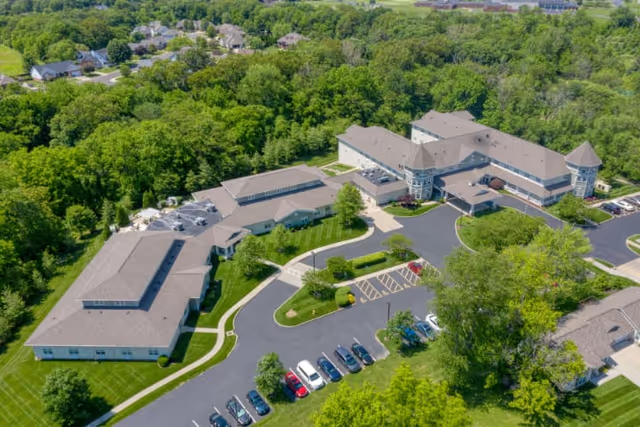
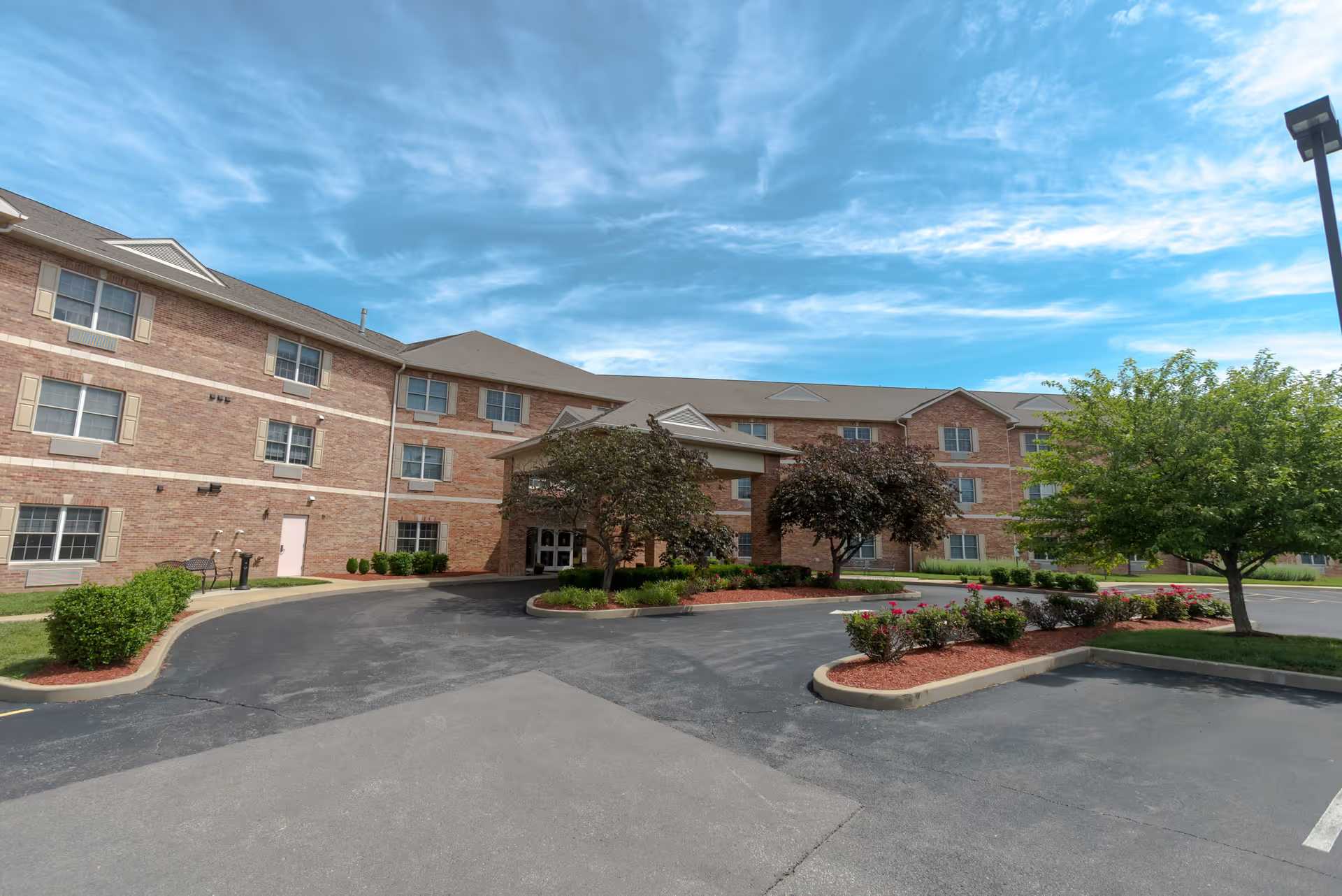
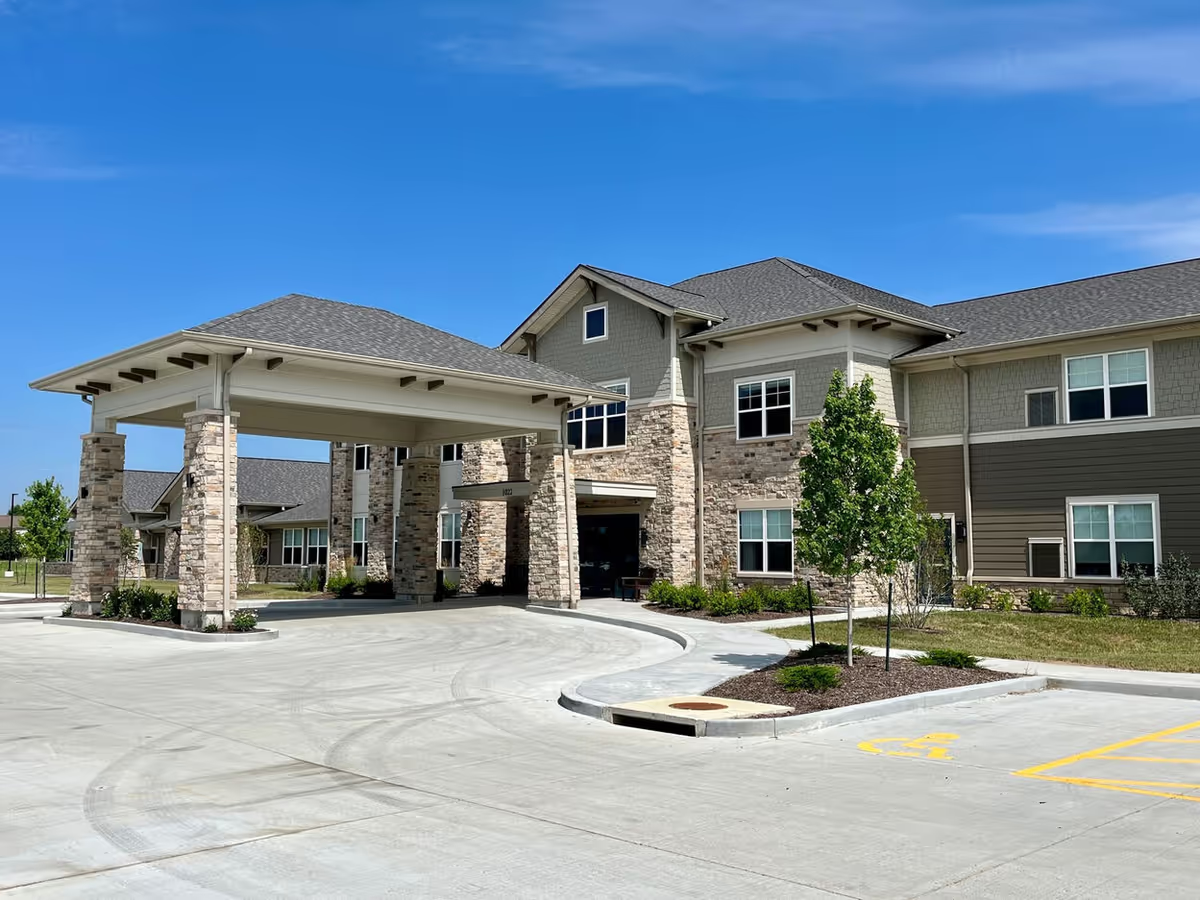
Facility condition and resident environment are inconsistent. Positive notes describe home-like rooms and clean, shiny floors in maintained sections, yet there are repeated sanitation concerns, localized odor issues, observable deferred maintenance (aging beds, equipment, and furnishings), and pest-control concerns. Safety-related issues were highlighted as operational risks—for example, furniture or bedding that may impede mobility and worn mobility aids—suggesting a need for systematic maintenance and equipment replacement.
Programming and daily engagement appear limited for some residents. Several reviewers noted minimal activities and extended periods of low stimulation, which may affect residents’ physical and mental well-being. Conversely, families who observed active staff engagement reported more positive social and therapeutic interactions.
Management and administrative practices drew polarized feedback. Some reviewers praised an engaged, compassionate administrator and helpful admissions staff; others described what they perceived as an administrative focus on finances, brochure misrepresentation, opaque billing, and inconsistent follow-through on care concerns. There are also serious, individual allegations—such as theft and post-incident concerns—that reviewers cited; these specific claims may warrant verification through regulatory or investigative channels.
Overall pattern:Expect variability. Prospective residents and families may find dedicated, skilled caregivers and effective short-term rehab in some units, but should be prepared to assess staffing consistency, inspect areas for sanitation and maintenance, review dining/food-service practices, and confirm communication protocols and billing transparency before placement. For families considering this facility, targeted questions about staffing ratios, response-time metrics, maintenance schedules, pest-control programs, activity calendars, and documentation practices would help clarify whether the facility’s strengths align with the resident’s needs.