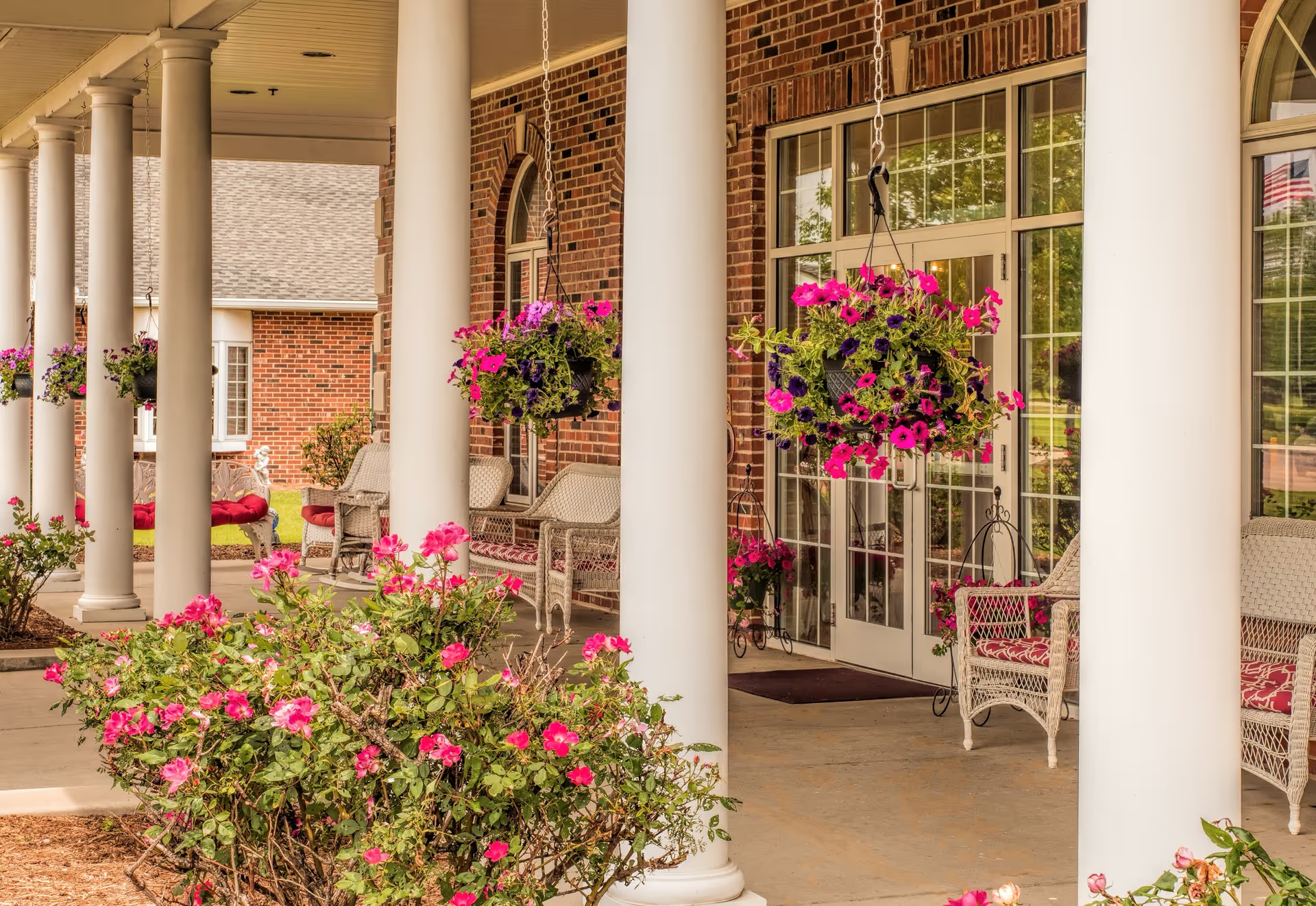
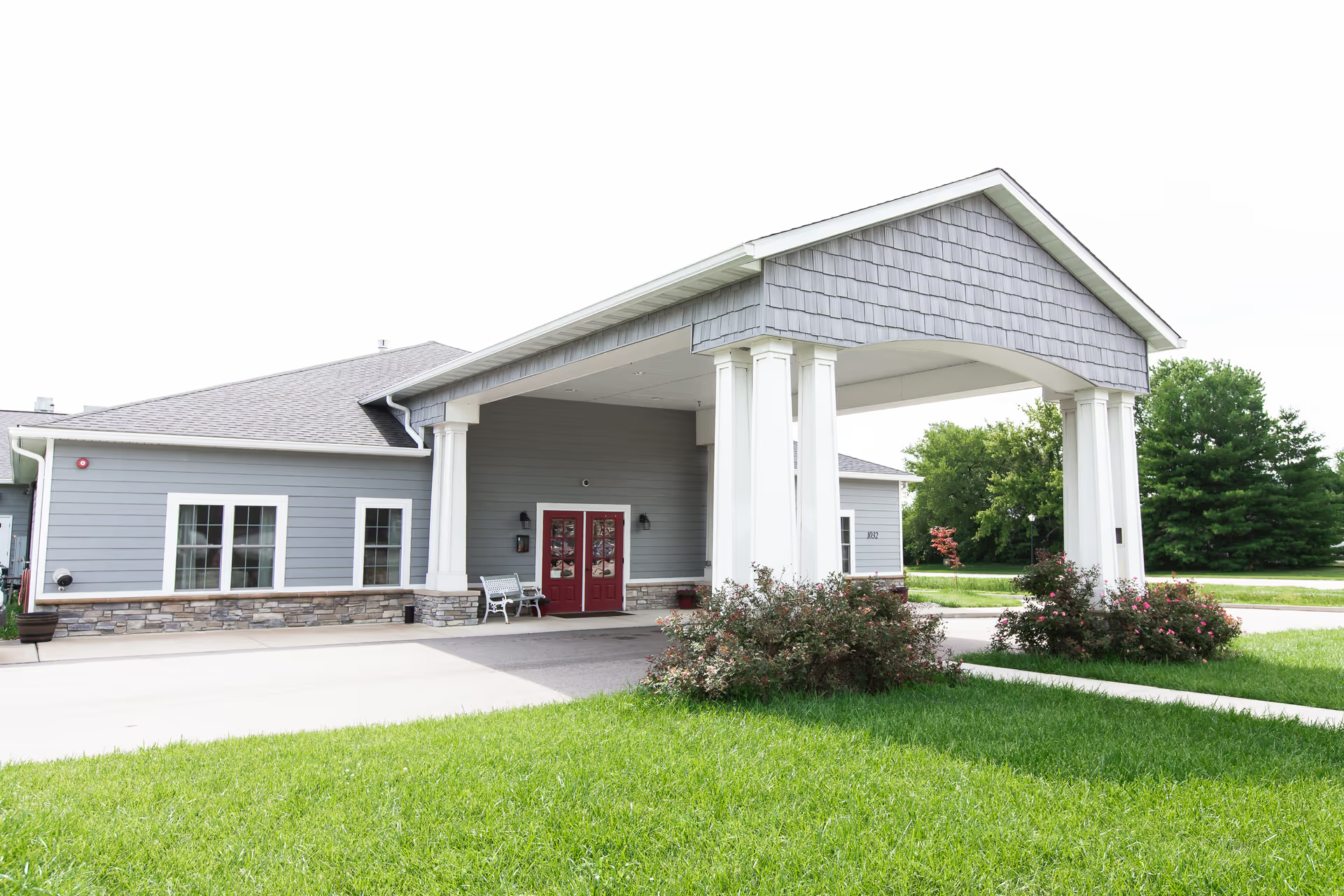
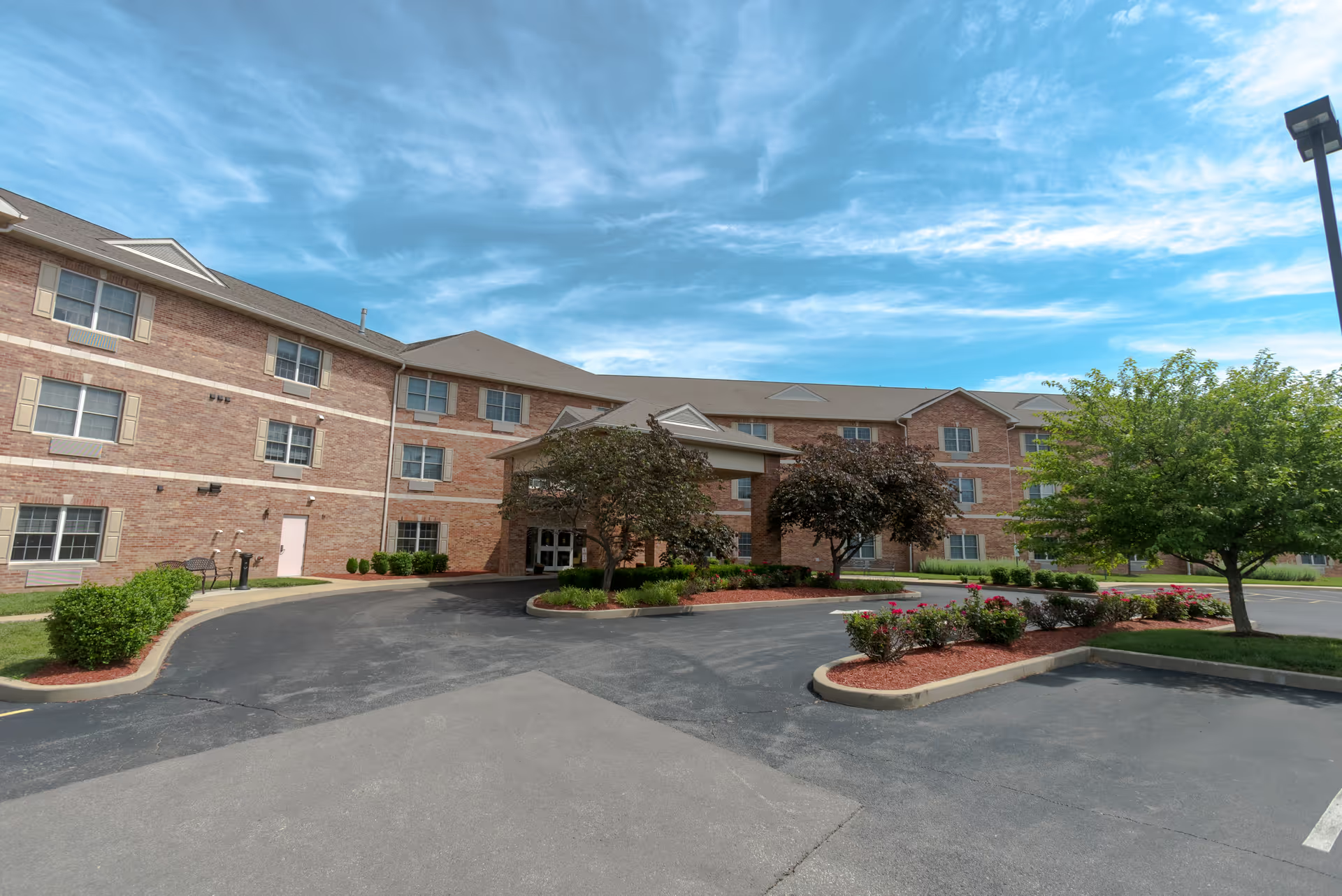
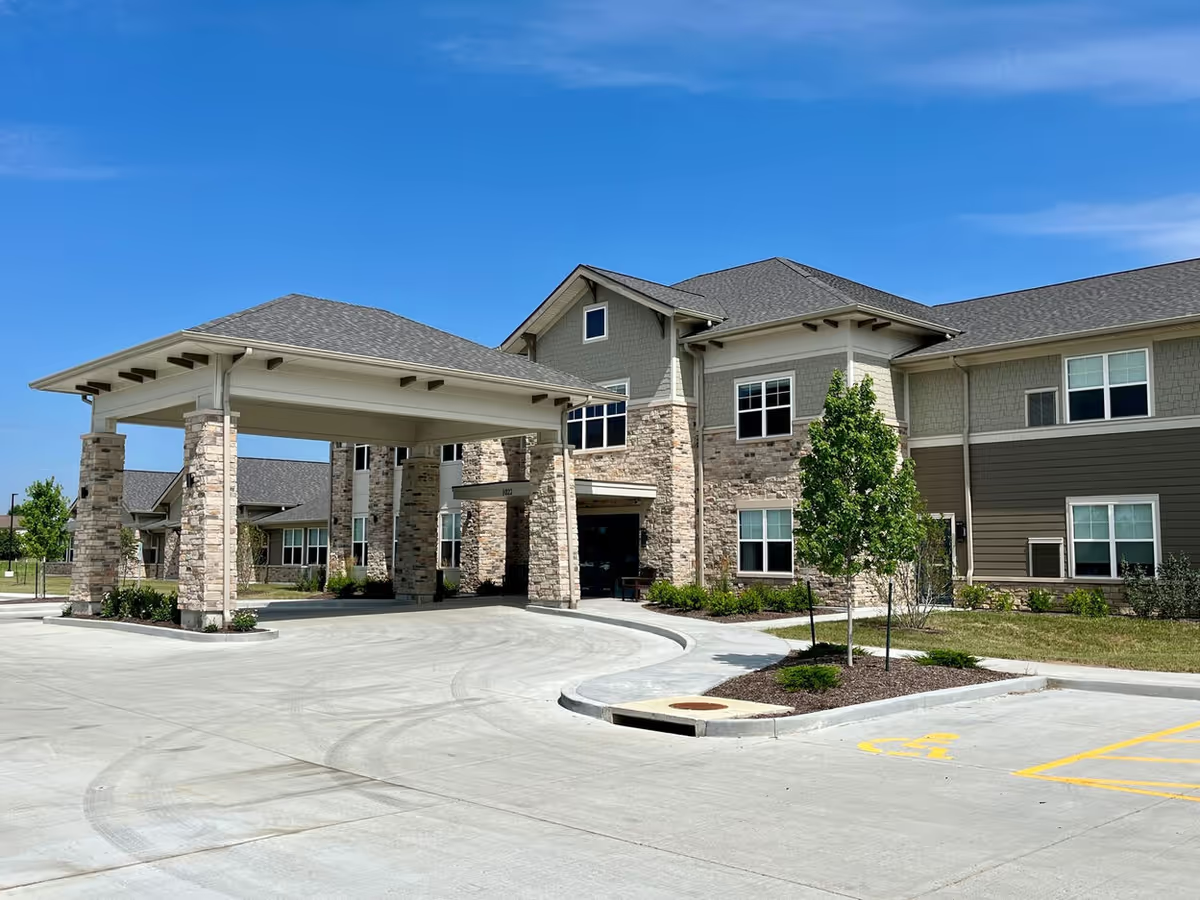
Sycamore Village presents as a community with many strengths alongside recurring operational concerns. Positive comments emphasize a compassionate, family‑style culture: staff are frequently described as caring, patient, and willing to go beyond routine duties. Nursing and aide staff who remain on‑site are often highlighted for attentive bedside care and quick responses in clinical situations. The community features large, well‑decorated resident rooms, a bright dining area, secure keyed access, on‑site therapy services, and a program of varied activities (bingo, themed events, exercise, arts and crafts, choir), which many families find meaningful. Several reviews also note the facility's Alzheimer’s-focused programming and external recognition in that area, plus practical supports such as transportation to medical appointments and daily housekeeping and grooming assistance.
Care quality evidence is mixed. While many families describe responsive management and committed caregivers who provide comfort and clinical assistance, a pattern of understaffing and high staff turnover is also evident. This contributes to inconsistent staffing ratios and extended intervals between checks for some residents. Reviewers describe variability in clinical monitoring and responsiveness across shifts and units, which has in turn produced isolated incidents requiring hospital transfer or extra family intervention. The overall impression is of capable frontline staff whose effectiveness is sometimes constrained by staffing instability and scheduling gaps.
Dining and activities are similarly mixed. Meals are described by numerous families as varied and tasty with appropriate choices, and the community provides three daily meals plus dining‑room service. Other families experienced uneven meal quality or dissatisfaction with certain menu offerings. Activity programming is broad and includes social and physical options, but some residents are noted as not being well engaged or receiving insufficient individualized activity attention. Therapy and rehabilitation services are available, though there are occasional delays or scheduling issues reported.
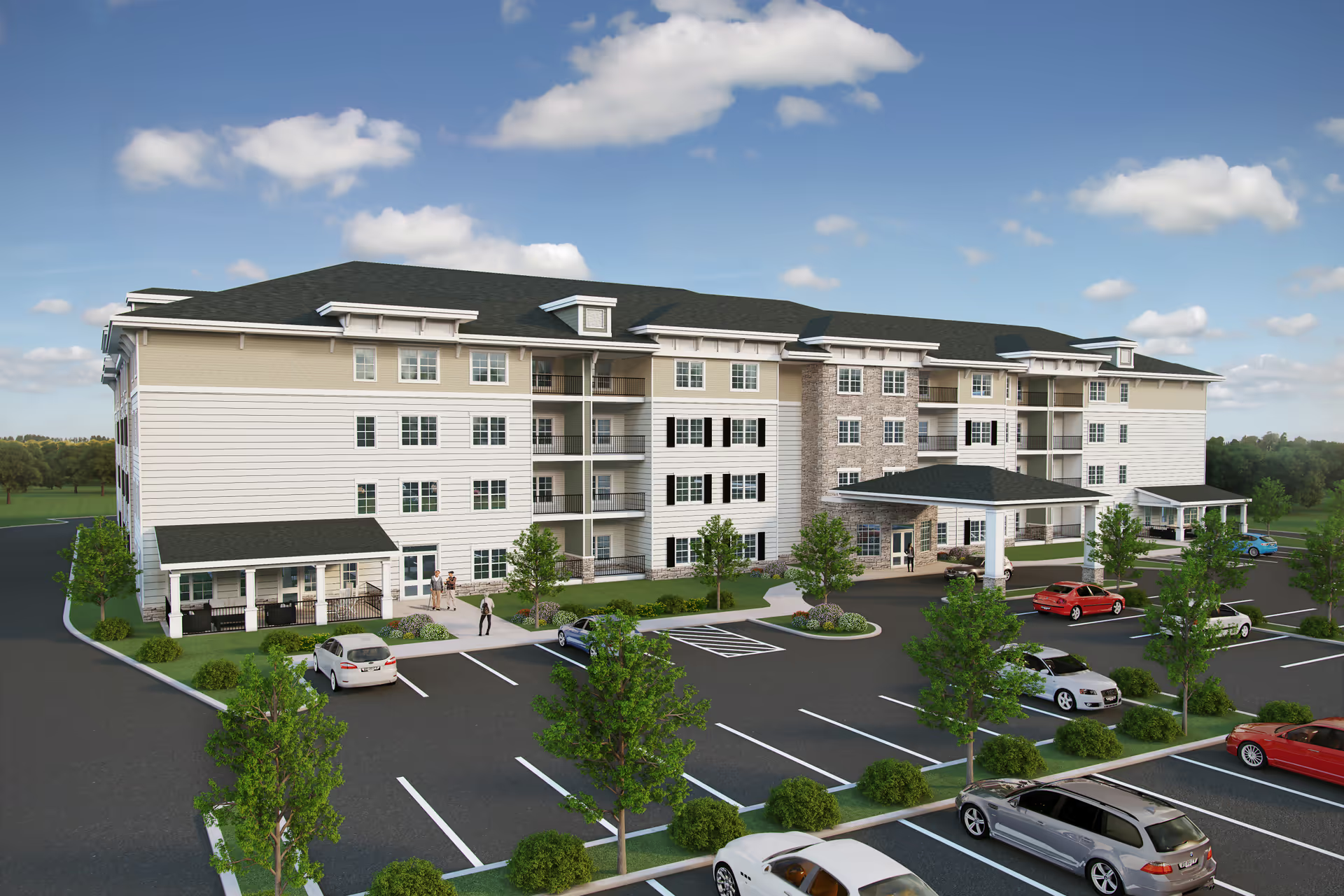
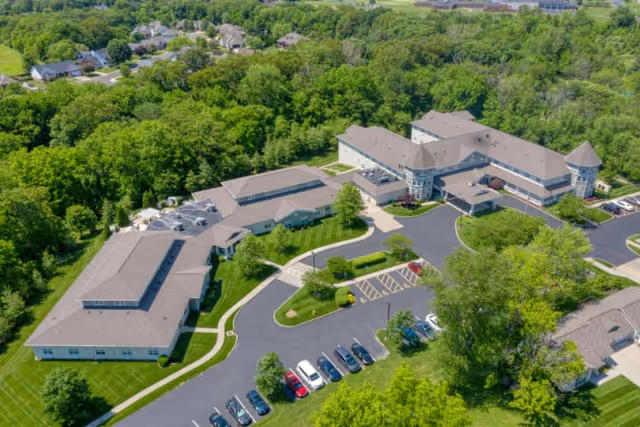
Facility condition and safety patterns show both strengths and concerns. Many reviewers praise a clean, well‑kept environment and attractive grounds; others identify maintenance and infrastructure deficiencies such as intermittent hot water or plumbing issues, a broken fence affecting privacy, and isolated sanitation concerns. Laundry handling and personal‑property management are frequent operational weaknesses, with instances of lost or mishandled items. Additionally, families raised safety concerns related to transportation and staff driving behavior during resident transport and in parking areas. There are also observations about care‑level placement and unit organization (for example, shared bathrooms across differing care needs) that suggest opportunities to improve resident placement policies and physical unit design.
Communication and management practices vary across accounts. Several reviewers commend specific managers or directors for helpful, hands‑on responses during medical appointments or transitions, while others describe administrative unreachability, slow discharge or transfer coordination, and gaps in family communication. Taken together, the reviews indicate a facility with notable strengths in compassionate caregiving, activities, and physical amenities, but with recurring operational issues—primarily staffing stability, consistent clinical monitoring, maintenance reliability, laundry/property processes, and transportation safety—that prospective residents and families should evaluate directly when touring and asking questions about current staffing ratios, care‑wing organization, incident protocols, and property‑handling policies.