Reviews of White Hall Nursing & Rehab Center describe a facility with clear strengths in rehabilitation and therapeutic services alongside recurring operational weaknesses. The therapy department and short-term rehab services receive consistent praise for clinical effectiveness; families frequently note that physical and occupational therapists and department leadership are skilled and that many residents progress well and are discharged home. Multiple reviewers also highlight compassionate, attentive nursing and CNA care in many instances, and several families described positive personal interactions and empathy from direct-care staff.
At the same time, a pattern of staffing and operational challenges appears across reviews. Chronic understaffing, frequent overtime or double shifts, and slow responses to call lights and care requests were described as common causes of delayed assistance and missed needs. Reviewers also raised sanitation concerns and inconsistent adherence to hygiene practices in some units, and described variable standards of professionalism and communication among staff and between families and leadership.
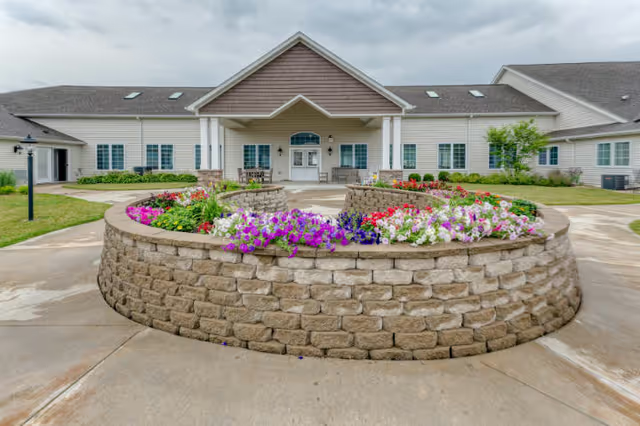
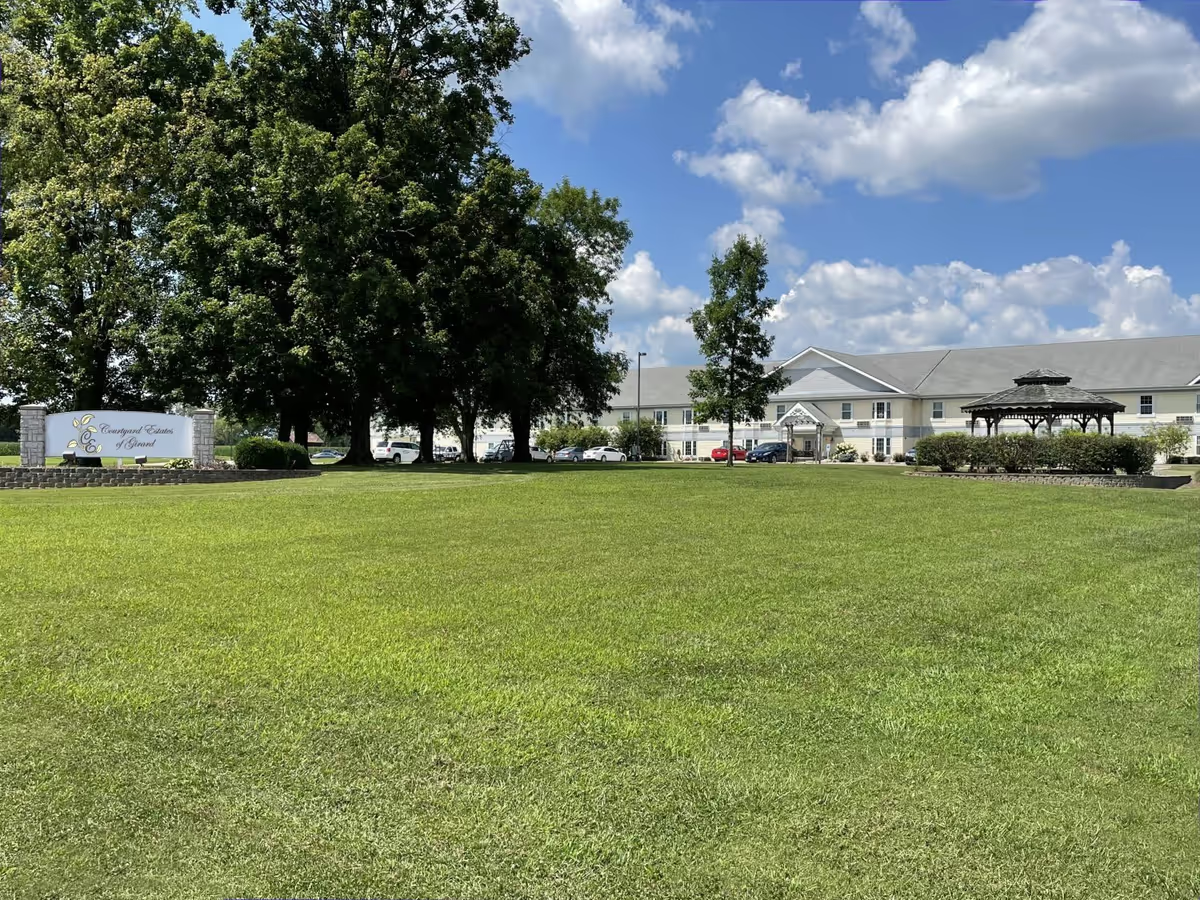
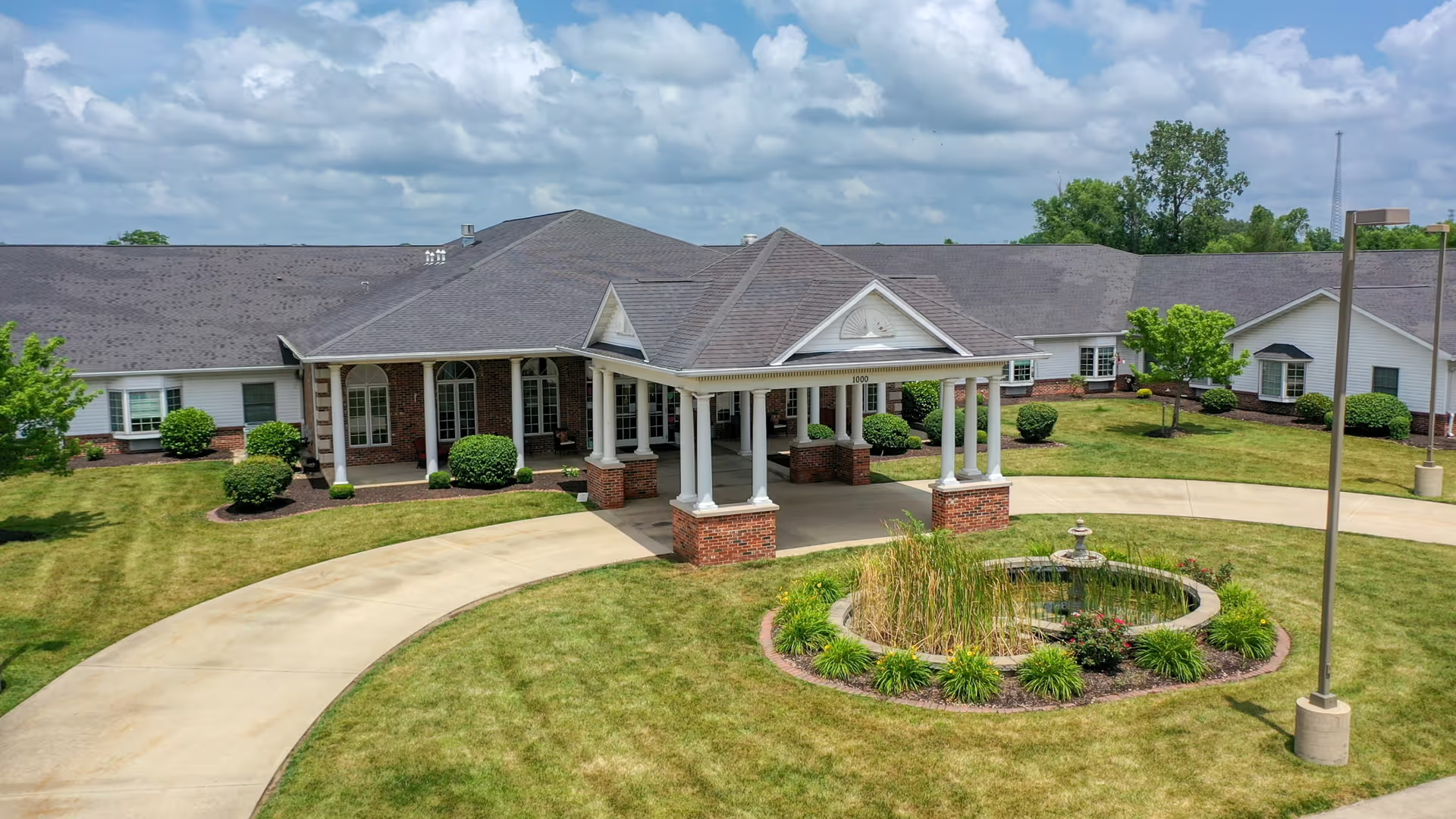
Facility condition and amenities present a mixed picture. The newer rehab wing and therapy areas are described as clean, spacious, and well-equipped, with accessible rooms and conveniences such as in-room refrigerators. The older wing, however, is frequently characterized as dated, lacking private rooms, and in need of updating. Recreational programming is a consistent positive: organized activities, holiday events, and communal spaces such as a gazebo and dining area contribute to resident engagement.
Dining and feeding practices receive both praise and concern. Many reviewers compliment the food quality and dining-room cleanliness, but there are also accounts of inconsistent meal preparation and feeding-safety practices that warrant attention. Property-management issues — including missing clothes and lack of personal-item labeling or secure storage — emerged as a recurring operational weakness that creates family frustration.
Clinical oversight and management communication are another area with divergent feedback. While some families commend the professionalism and helpfulness of department heads and therapists, others described defensive responses from leadership and inconsistent family communication. Of particular note is one allegation involving discontinuation of a blood-thinner medication with delayed clinical reassessment and poor outcome; this individual claim underscores the importance of reliable medication continuity and prompt clinician follow-up.
Overall, prospective residents and families considering White Hall should weigh the facility's strong rehabilitation capabilities, active programming, and positive reports of compassionate bedside care against documented operational concerns: staffing levels, inconsistent cleanliness and feeding practices, older-unit maintenance, property controls, entry monitoring, and variable communication from management. Visiting the specific unit within the facility (newer rehab wing versus older wing), reviewing staffing patterns, asking about medication-management protocols, and confirming personal-item labeling procedures are advisable steps before placement.