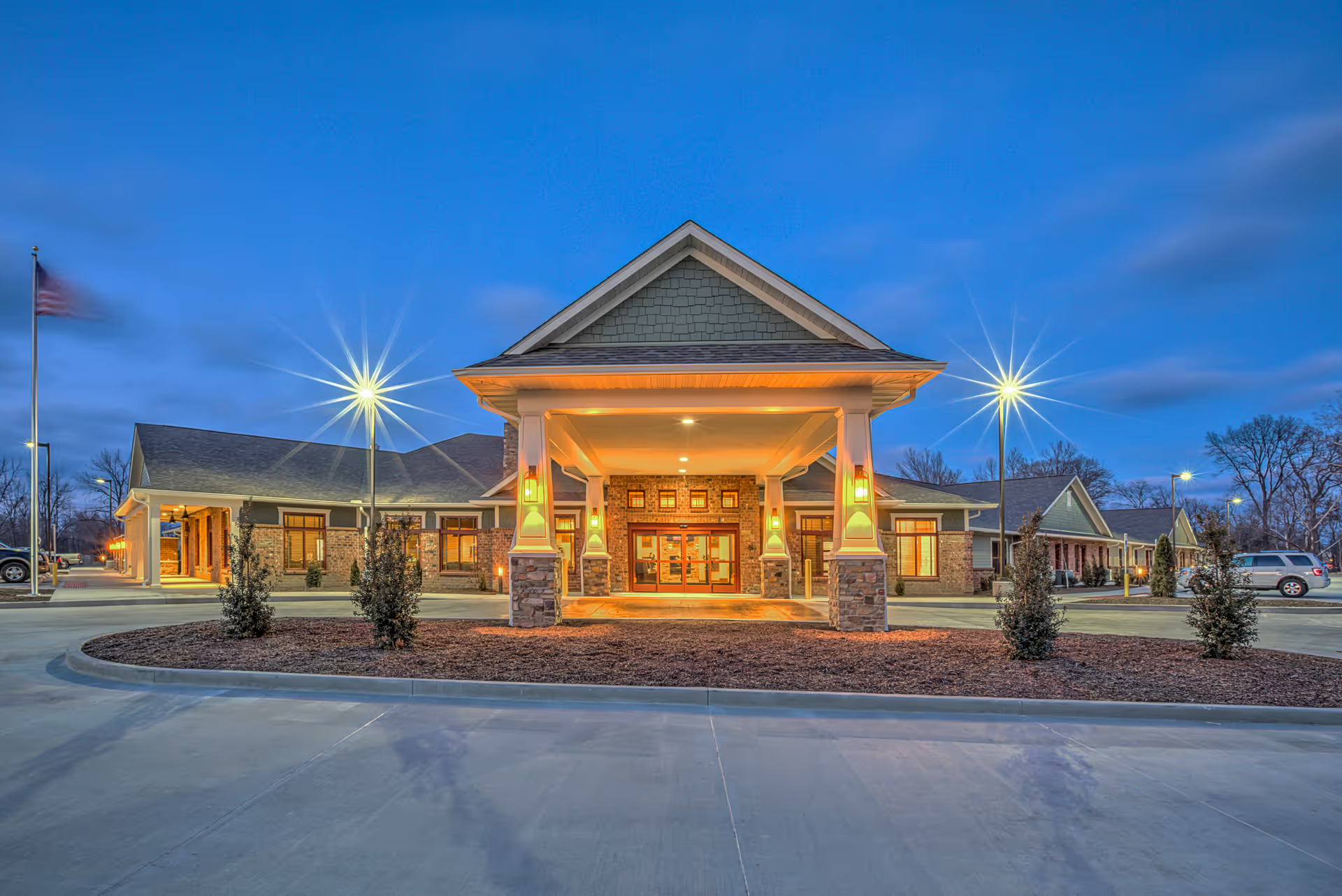
The reviews present a polarized view of care at BRIA of Wood River, with a mix of strong positive experiences and multiple operational concerns. Many families and residents describe compassionate, attentive direct-care staff, effective restorative and physical therapy services, and an active program of activities and events that contribute to a warm social environment. Activity offerings such as movie sessions, Workout Wednesday, Zoomercise, and community events (Trunk-or-Treat, Thanksgiving gatherings) are repeatedly cited as strengths. Admissions and placement staff also received praise for being helpful and proactive, and parts of the building have been renovated and presented as clean and welcoming by some reviewers.
However, the facility exhibits recurring operational weaknesses that prospective families should evaluate carefully. Medication management inconsistencies are a central theme: missed doses, delayed administration, and documentation discrepancies are described alongside concerns about pain and inhaler medications. These clinical issues are coupled with commentary about limited nursing oversight and variable clinical competency, which reviewers linked to transfers to higher levels of care and hospitalizations. Staffing levels and turnover appear to affect responsiveness to call lights, assistance with toileting and bathing, and timeliness of medication and hydration monitoring.
Food service and housekeeping are uneven. Several reviewers described inconsistent meal temperature and texture, and some characterized the overall food quality as below expectations. Housekeeping and sanitation were also highlighted as problematic in multiple reviews, including odor concerns, infrequent linen or clothing tracking, missing hygiene supplies in common bathrooms, and general cleanliness shortfalls. Facility-maintenance issues such as malfunctioning beds, exposed wiring, and other safety hazards were mentioned; these raise concerns about routine maintenance and environmental safety protocols.
Management and administrative practices show mixed feedback. There are positive notes about individual leaders and a recently appointed Director of Nursing who brought confidence to some families, but other accounts describe billing errors, mismanagement of personal property, misaddressing documentation, and unsatisfactory responses to complaints. A small number of reviews raised serious allegations relating to financial or legal conduct and to handling of power-of-attorney arrangements; these items were presented as discrete, high-severity concerns. Communication patterns were uneven: some families felt listened to and supported, while others reported ignored complaints and adversarial interactions with staff.
Staff conduct and culture appear inconsistent across shifts: many reviewers praised particular CNAs, therapists, and activity staff for creating a family-like atmosphere, while other accounts cited curt or dismissive interactions and distracted caregiving during busy periods. Workforce issues extend to payroll and employment-administration concerns in several comments, which may contribute to staffing instability.
In summary, BRIA of Wood River demonstrates clear strengths in therapy, activities, and in the compassionate performance of many frontline caregivers; those elements can support good quality of life for residents. At the same time, consistent themes of medication-administration problems, variable clinical oversight, sanitation and maintenance gaps, and uneven management responsiveness represent material operational risks. Prospective residents and families should perform focused, in-person due diligence: review medication-administration protocols, observe staffing during different shifts, inspect cleanliness and maintenance, ask about incident-reporting and complaint-resolution procedures, and confirm administrative practices for billing and personal-property handling.